

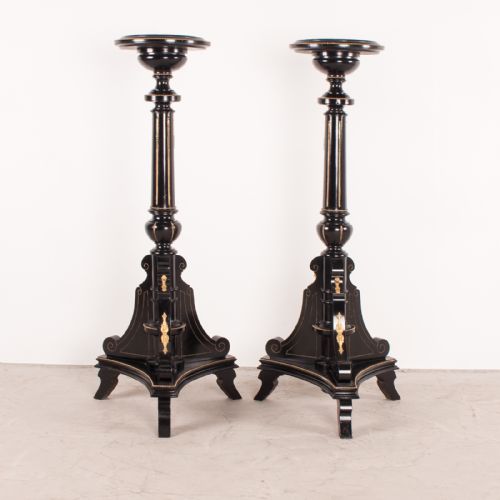


Vintage Torchere Stands
These vintage torchere stands elevate lamps and plants with slender vertical presence, offering a practical way to add height and architectural interest to a room.
Vintage Torchere Stands
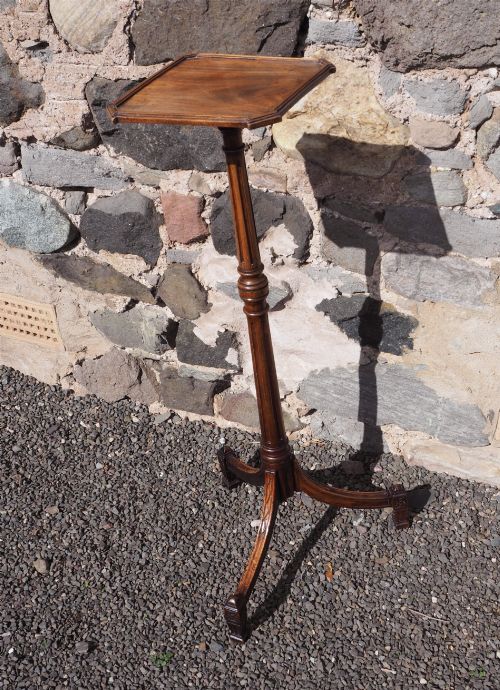
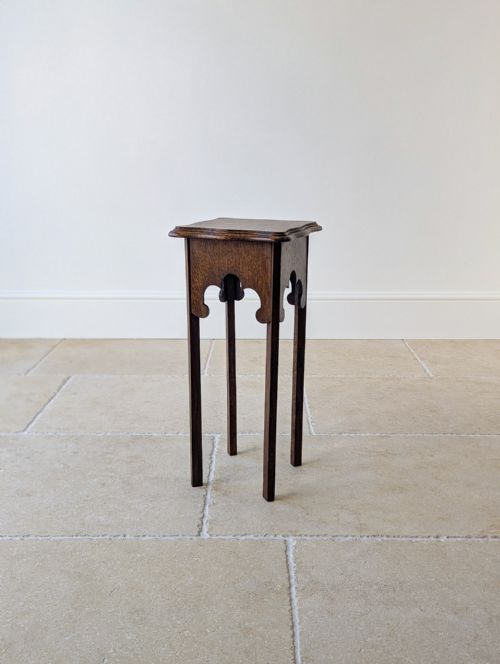
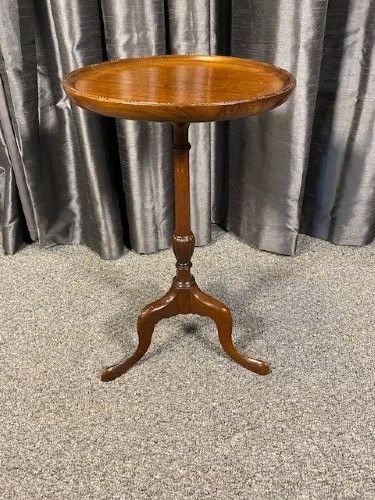
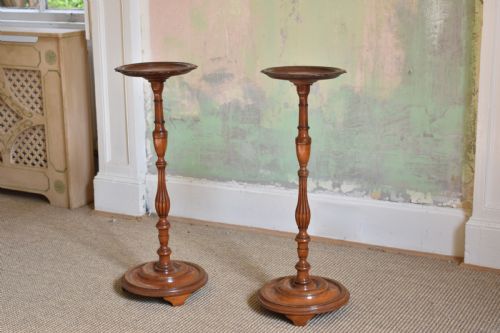
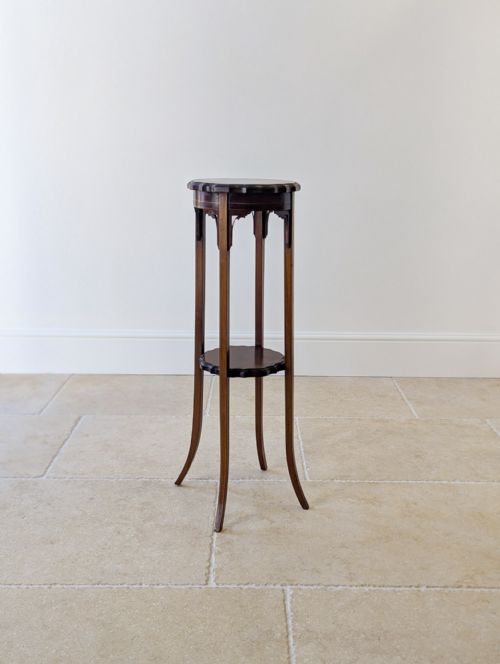
The selection ranges from simple turned columns to decorative plant stands, jardiniere supports, and sculptural figural pieces. Many serve a dual purpose as side tables, floor lamps, or display pedestals for busts and urns.
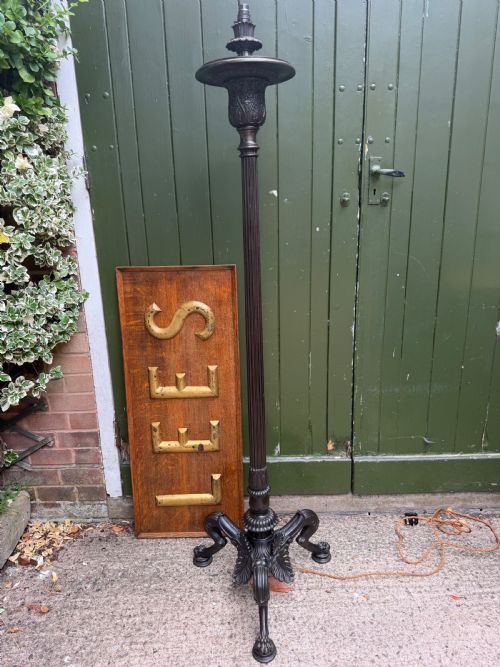
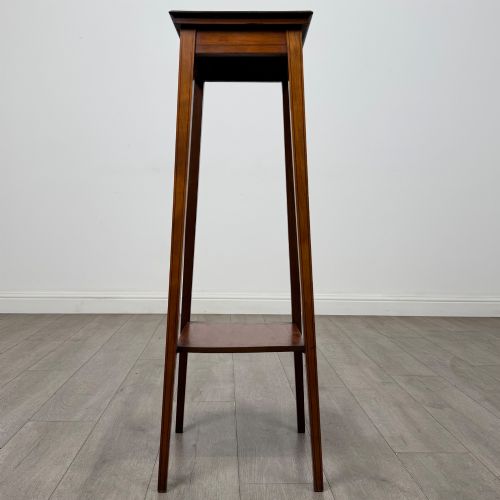
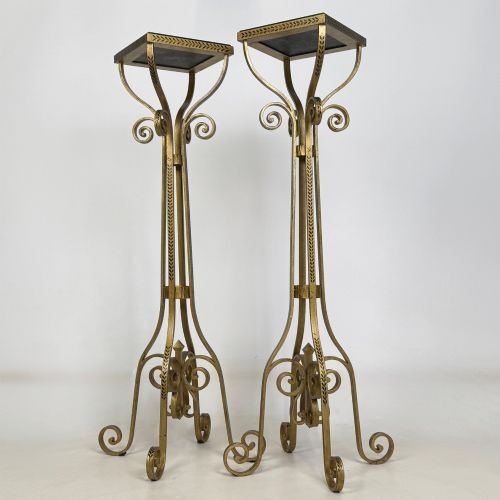
Origins span multiple eras, including 18th-century Dutch pieces, 19th-century standard lamps in cast-iron or bronze patina, and early 20th-century inlaid satinwood designs. This variety allows you to match specific period aesthetics in your interior.
Assessing Quality and Execution
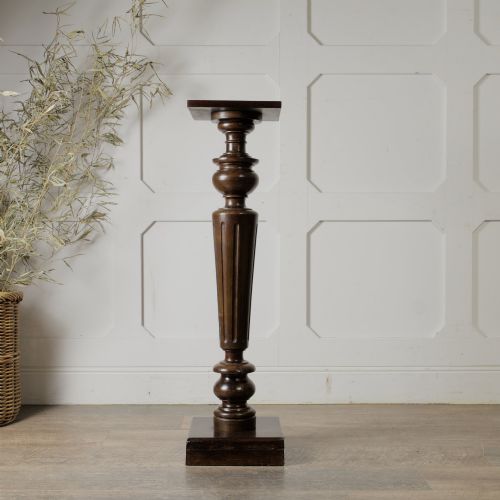
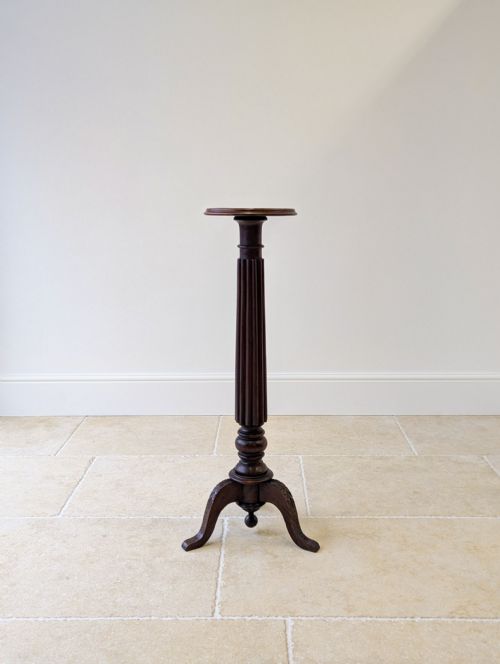
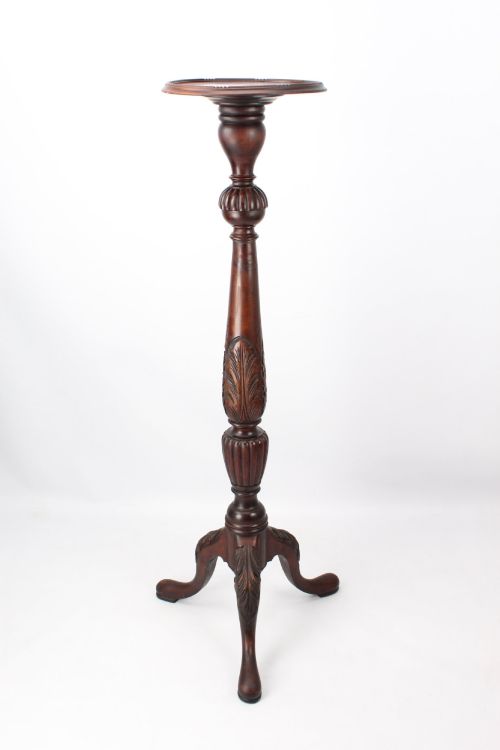
The distinction between ordinary and superior stands lies in the crispness of the carved ornamentation and the integrity of the timber. Finely turned fluted columns and detailed floral inlay demonstrate superior craftsmanship compared to plain, mass-produced alternatives.
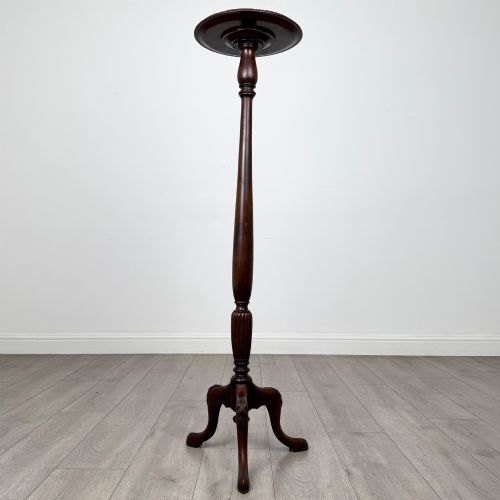
Proportion and stability dictate functional excellence in such tall, narrow furniture. High-quality examples balance slender vertical heights with weighted or substantial bases that prevent tipping.
Materials span traditional hardwoods like mahogany and walnut alongside metal variants in brass, bronze-patinated cast-iron, and iron.
Shoolbred·WMF
The Vintage Torchere Stands Glossary
- Torchere
- A tall stand designed to support a candle, lamp, or decorative object. The form originates from lighting supports but evolved into general display furniture.
- Jardiniere
- A decorative pot or stand for holding plants and flowers. These often feature waterproof inserts or marble tops to handle moisture.
- Plinth
- A heavy slab or block acting as a base for a column, statue, or standard lamp. It provides necessary stability to tall, slender structures.
- Vernis Martin
- A type of simulated Japanese lacquer developed in France during the eighteenth century. It creates a smooth, glossy decorative surface on fine furniture.
- Polychrome
- Decoration employing several colours on a single piece, particularly seen on carved wooden figures and Venetian stands.
Vintage Torchere Stands: Frequently Asked Questions
What is a torchere stand?
A torchere stand is a tall, narrow piece of furniture originally built to hold a candle or oil lamp. Over time, the form adapted to support electric lamps, floral arrangements, and decorative sculptures.
Today, they function primarily as accent pieces that draw the eye upward and make efficient use of vertical space in corners or beside seating.
How were torchere stands used historically?
In earlier centuries, these stands provided portable illumination by elevating light sources to disperse better across a room. They were positioned near seating areas or along hallways where fixed wall lighting was absent.
As domestic lighting improved, their purpose shifted toward display, holding prized porcelain, house plants, and artistic figures.
Where should I place a torchere stand at home?
These stands excel in empty corners, narrow hallways, or flanking doorways where bulkier furniture will not fit. Their height introduces vertical contrast among lower seating and tables.
Ensure they sit on level flooring, particularly when supporting heavy marble tops, ceramic planters, or electrical lamps.
How do I distinguish between an 18th-century and a Victorian torchere?
Eighteenth-century examples often display restrained Georgian proportions, precise hand-carving, and dense walnut or early mahogany timbers. Victorian pieces frequently exhibit heavier carving, bolder columns, and darker ebonised or mahogany finishes.
Examining the construction methods, tool marks, and wood ageing helps clarify the period of manufacture.