



Vintage Timber Stool
These vintage timber stool examples offer honest utility and robust construction, bringing tactile warmth and straightforward character to any room.
Vintage Timber Stool
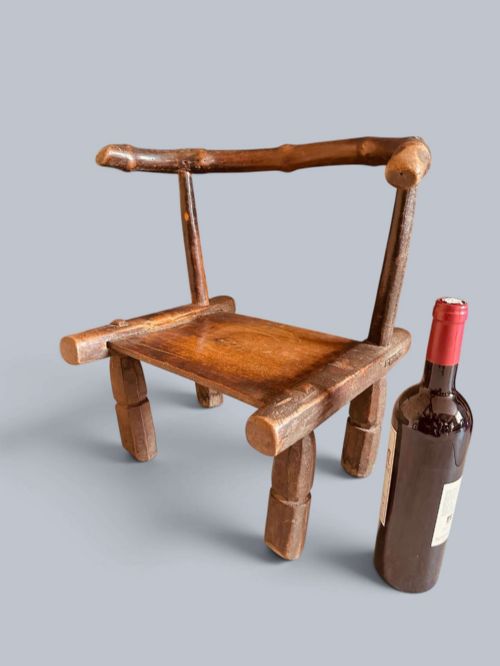
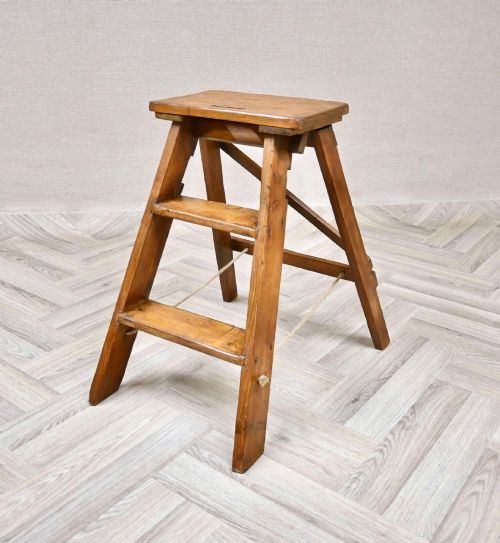
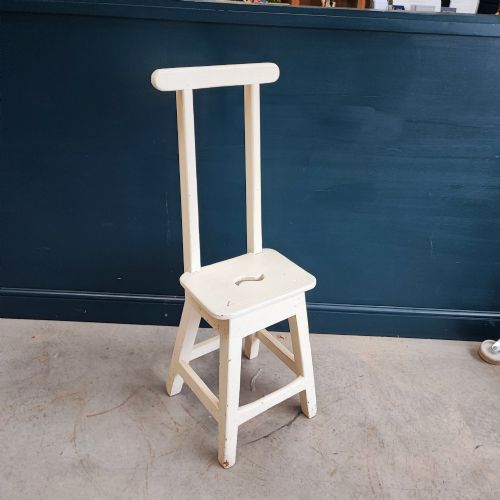
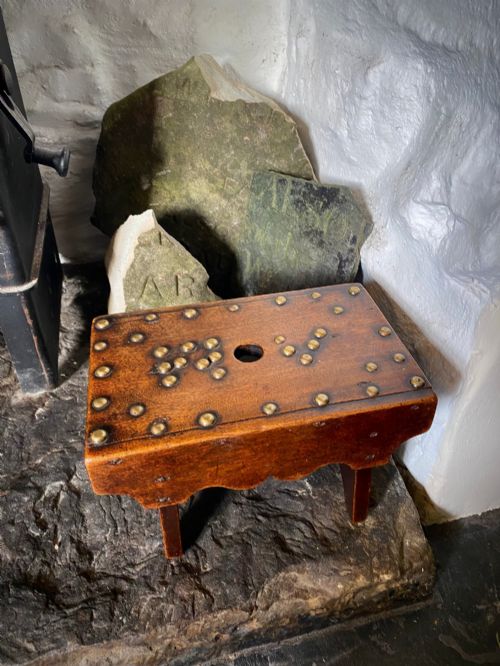
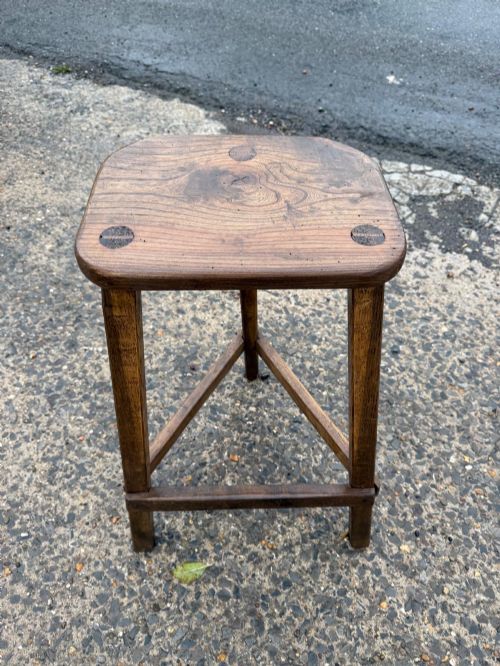
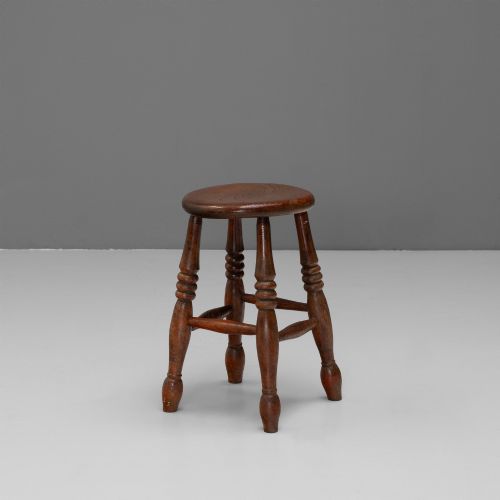
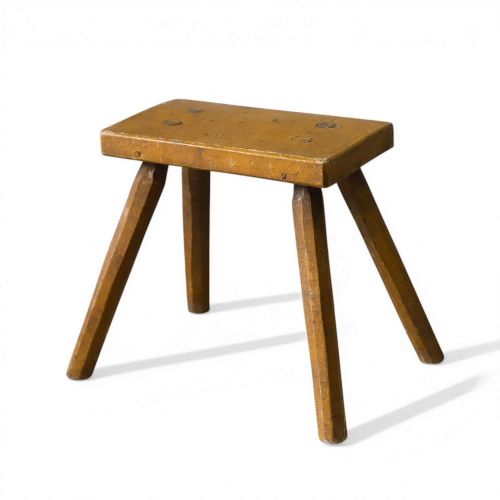
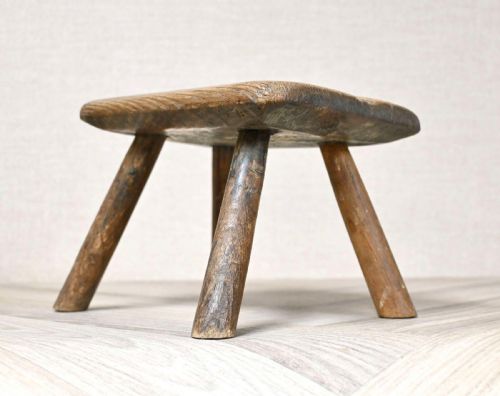
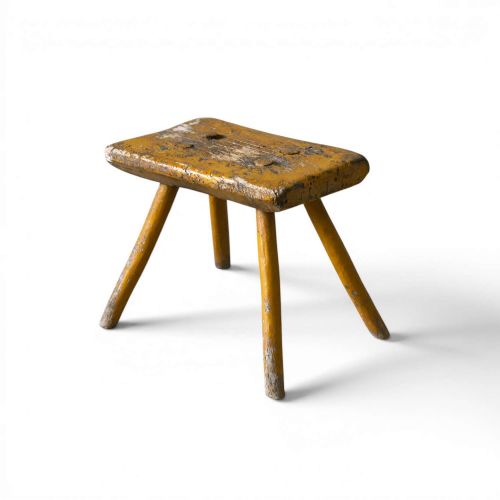
A vintage timber stool serves as a compact and functional seat or small surface, originating from utilitarian contexts such as farmhouses, workshops, and taverns. When searching for a vintage timber stool, buyers encounter diverse forms ranging from simple three-legged milking seats to sturdy tavern stools and low hearth rests.
The selections span multiple periods, predominantly drawing from the nineteenth and early twentieth centuries alongside pieces from the eighteenth century. Regional variations appear frequently, encompassing English country designs, French scratch-built pine items, and painted Eastern European milking examples.
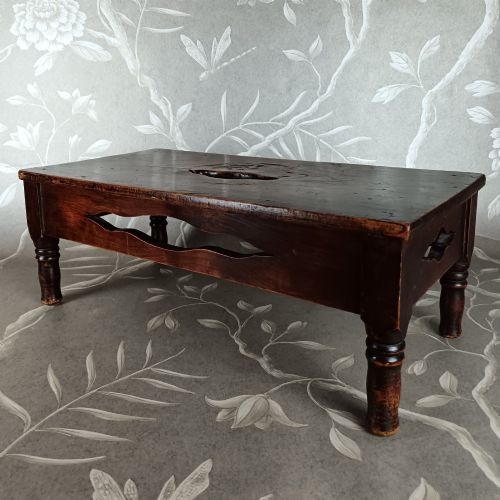
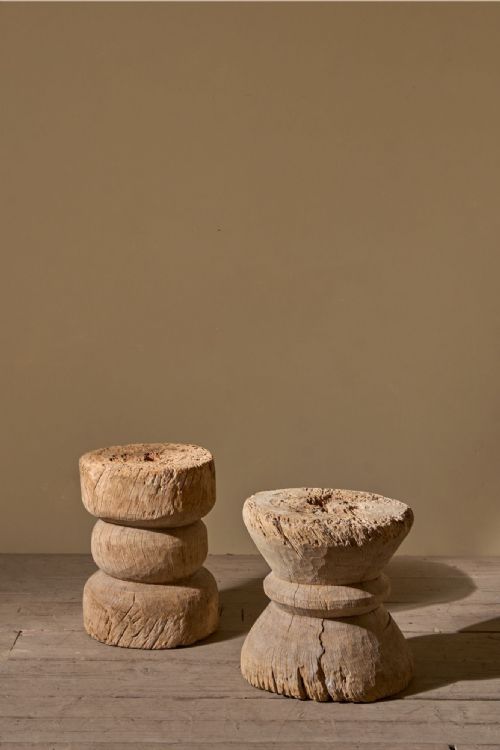
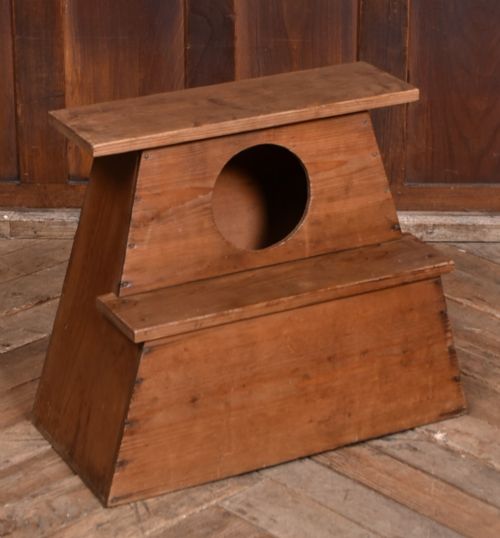
Beyond standard seating, the category extends to related objects including footstools, side tables, chopping blocks, benches, and specialised artisan seating. This variety reflects the practical demands of past trades and domestic spaces, prioritizing function above ornament.
How They Were Made
Construction relies heavily on solid woods such as oak, elm, pine, beech, ash, mahogany, and walnut, often selected for local availability and structural strength. Timber components are joined using traditional methods like mortise and tenon joints or through-wedged legs inserted directly into shaped seats.
Surfaces exhibit varying finishes, from raw scrubbed timber and polished hardwood to remnants of original ochre, yellow, or green paint. Specialised items incorporate woven rattan, leather upholstery, or turned stretchers to reinforce the load-bearing framework.
Vintage Timber Stool Retail Price Guide 2026
Typical asking prices for vintage timber stool among the pieces listed under this phrase on Sellingantiques today, from the lower quarter to the upper quarter. They describe what is for sale here now, not the wider market.
Several items retain vibrant traces of original ochre, yellow, and green paint applied by European milkmaids long ago.
What Varies in Quality
Quality rests upon the integrity of the timber and the directness of the construction, where honest wear from daily labour enhances character without compromising stability. Pieces displaying original surface treatments, such as early layers of paint or rich natural patina from age, hold greater visual and historical cohesion.
Proportion and structural balance separate simpler utilitarian items from more refined workshop output, such as neatly turned stretchers or carefully sculpted seats. The harmony between the original function and the surviving material state dictates the distinction across the range.
The Vintage Timber Stool Glossary
- Milking stool
- A small, typically three-legged seat designed for stability on uneven agricultural floors during dairy work.
- Cross stretcher
- A system of intersecting wooden bars connecting the legs beneath a seat to provide lateral stability.
- Game block
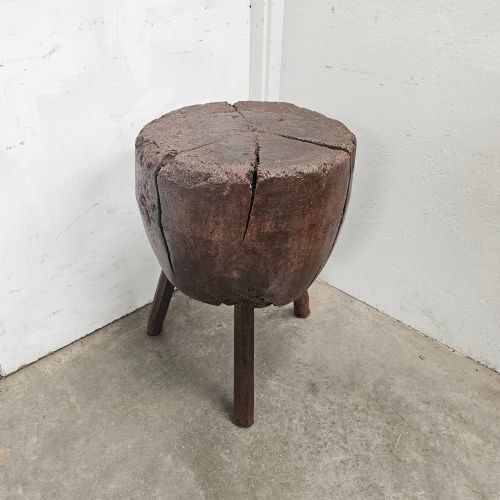
- A heavy section of tree trunk or solid timber utilised as a robust chopping or preparation surface in food preparation.
- Windsor
- A style of seating construction featuring spindles and legs inserted directly into a thick, saddle-moulded solid wood seat.
- Scratch built
- An item fabricated independently using available local materials rather than standard workshop production methods.
Vintage Timber Stool: Frequently Asked Questions
What were milking stools used for?
Milking stools provided a portable, low seat for farm workers during agricultural tasks such as milking cows by hand. Their three-legged design ensured they remained stable on uneven barn floors.
Over time, these practical items transitioned into domestic spaces as small seats, plant stands, or display surfaces due to their compact footprints and simple forms.
How do I care for antique wood stools?
Preserving vintage wooden seating involves keeping them away from direct heat sources and extreme humidity fluctuations to prevent timber splitting. Regular gentle dusting and occasional application of appropriate natural wax maintain the surface condition.
Avoiding harsh chemical cleaners protects the original patina and any surviving historical finishes, such as early paint layers or aged polish.
What is a game block?
A game block is a dense, heavy section of hardwood, such as beech or oak tree trunk, utilised historically for preparing game and heavy butchery tasks. Their substantial mass and solid timber construction made them durable work surfaces.
Today, these pieces function as rustic side tables or decorative display blocks within interior spaces, showcasing natural grain patterns and utilitarian wear.
Are these stools comfortable to sit on?
Many vintage timber stools feature seats sculpted into ergonomic saddle shapes to provide surprising comfort despite the lack of upholstery. Their primary design focus was practical utility rather than long-term lounging.
For extended sitting, low footstools or upholstered variants offer softer support, while rigid wooden seats excel as occasional perches or side surfaces.