



Vintage Timber Dining Chairs
Vintage timber dining chairs offer honest construction and enduring materials, bringing authentic period character directly to the table.
Vintage Timber Dining Chairs
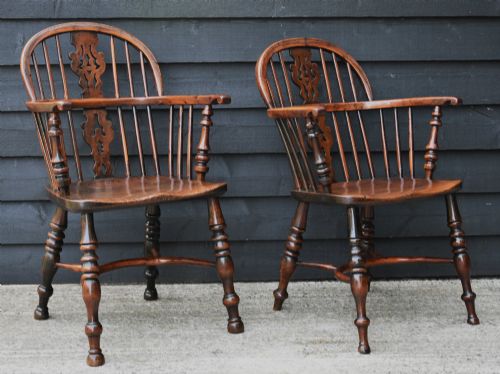
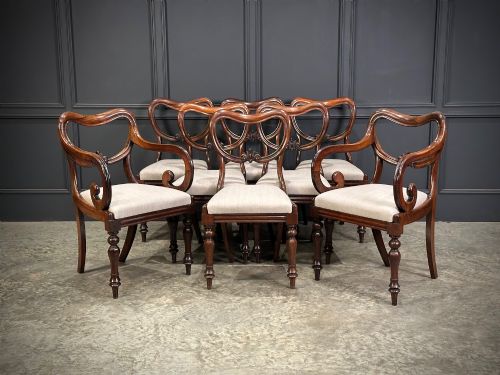
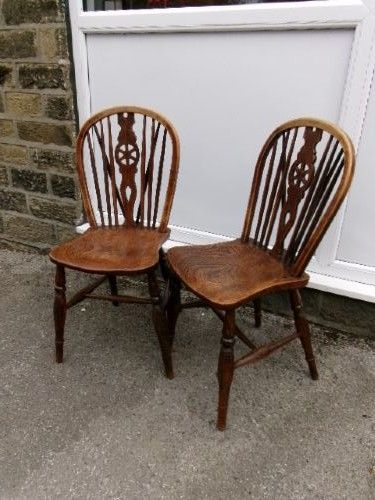
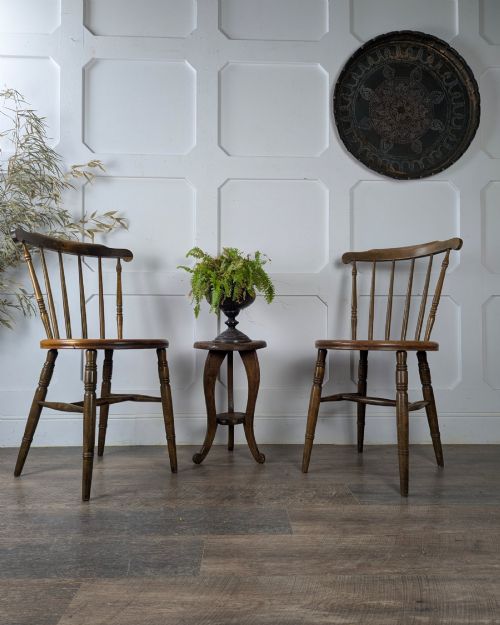
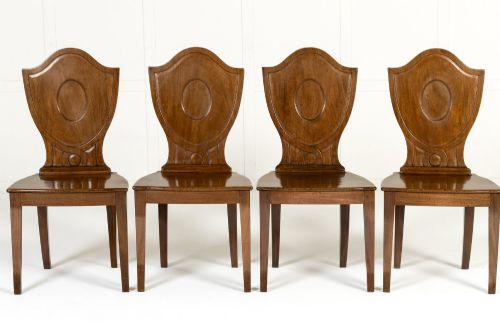
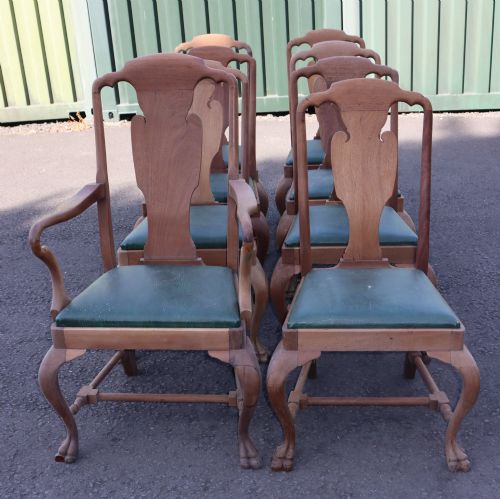
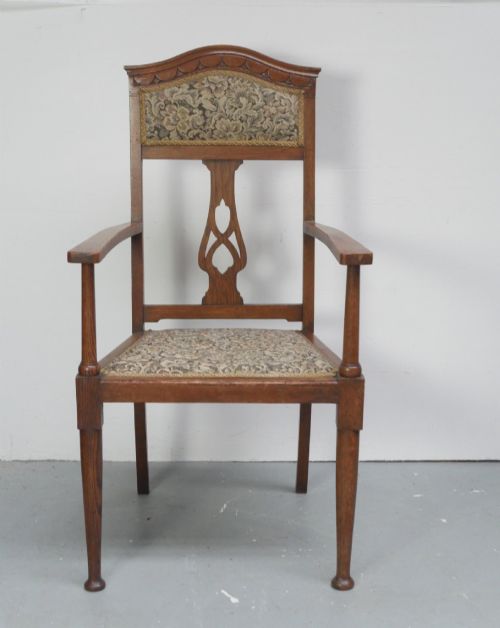
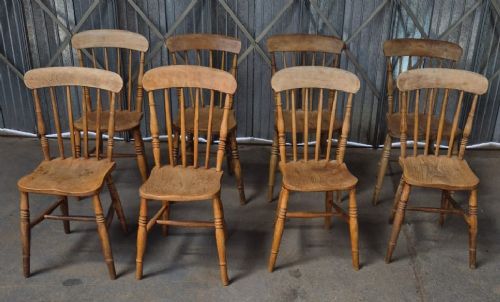
Vintage timber dining chairs encompass seating built from solid woods across the nineteenth and early twentieth centuries, spanning formal dining sets to utilitarian kitchen seating. Buyers searching for vintage timber dining chairs will encounter everything from sturdy elm Windsor designs and beech stick backs to polished mahogany Regency and Victorian styles.
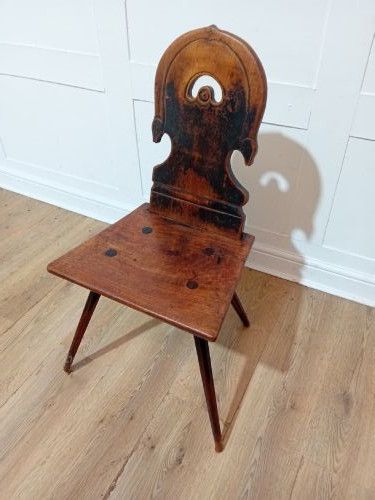
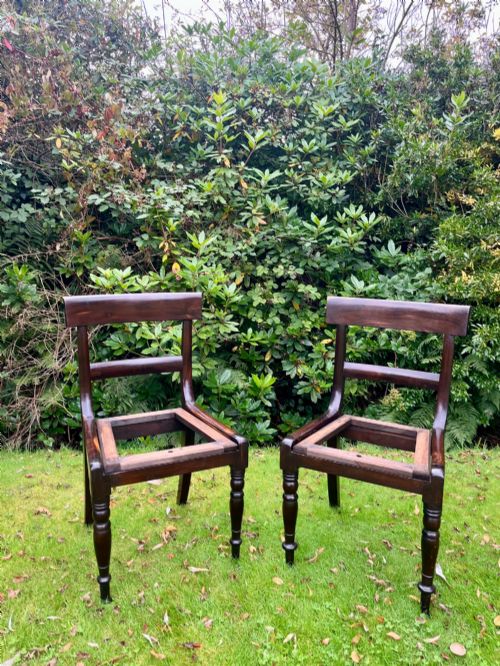
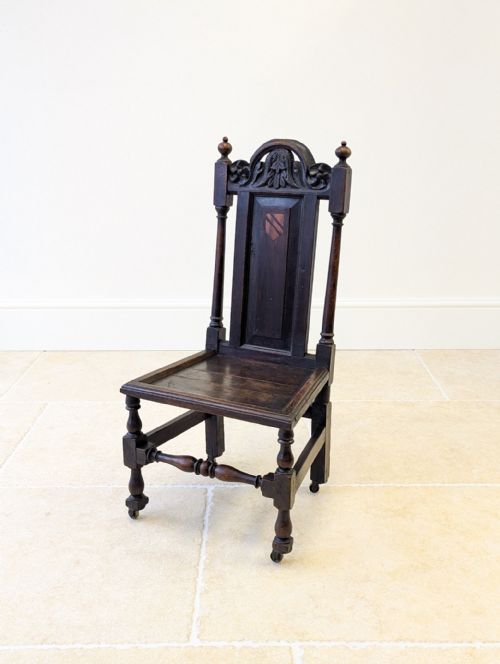
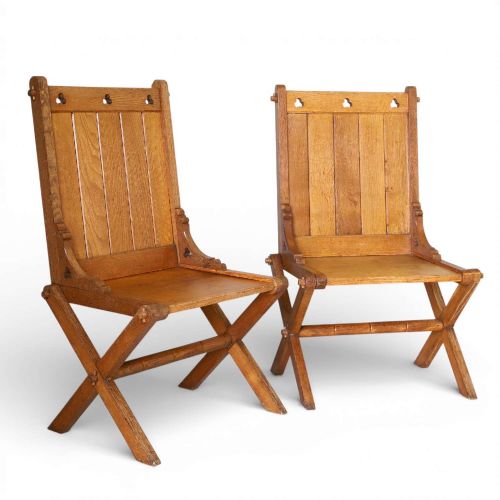
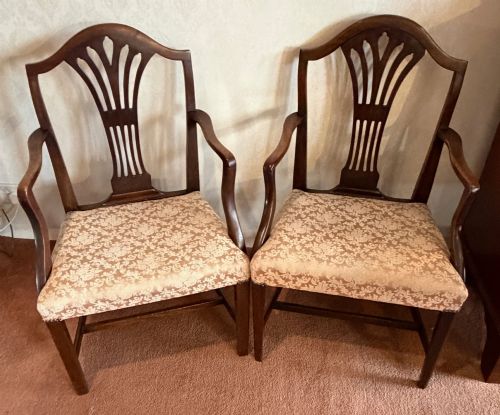
The selection ranges from single occasional carvers and matched pairs to large sets of eight or ten chairs intended for formal dining rooms. Regional vernacular styles sit alongside revived historical aesthetics like Jacobean, Gothic, and Hepplewhite influences, reflecting diverse domestic and institutional origins.
How they were made
Cabinet makers and vernacular joiners relied primarily on solid hardwoods such as mahogany, oak, elm, beech, and walnut, often combining timber species within a single frame for structural strength. Windsor and stick back forms utilised turned spindles and steam-bent wood, while formal dining seats employed traditional mortise and tenon joinery.
Upholstered variations integrated materials like horsehair stuffing, fabric, and velvet, secured to webbed frames. Surface treatments ranged from polished mahogany and golden oak to painted finishes and simple waxed pine or ash.
Vintage Timber Dining Chairs Retail Price Guide 2026
Typical asking prices for vintage timber dining chairs among the pieces listed under this phrase on Sellingantiques today, from the lower quarter to the upper quarter. They describe what is for sale here now, not the wider market.
Listings feature timber dining chairs spanning the nineteenth century through the 1930s, utilising elm, mahogany, oak, and beech.
What varies in quality
Quality in these chairs rests upon the selection of timber and the integrity of the joinery rather than mere age alone. Dense grain in hardwoods and tight, uncompromised joints distinguish superior cabinet making from simpler domestic carpentry.
Subtleties in carving, such as crisp trefoil details or hand-turned spindles, separate standard utility seating from high-end regional or workshop production. Consistency across a matched set further elevates the standing of a group.
Worksop Allsop·Marsh, Jones and Cribb·Hille
The Vintage Timber Dining Chairs Glossary
- Windsor
- A traditional wooden chair featuring a solid saddle-shaped seat into which the legs and back spindles are wedged directly. These forms often incorporate bentwood bows and comb backs.
- Stick back
- A vernacular seating style constructed with slender turned wooden rods fitted into a solid wooden seat and supporting a simple top rail. They are frequently found in farmhouse and kitchen contexts.
- Carver
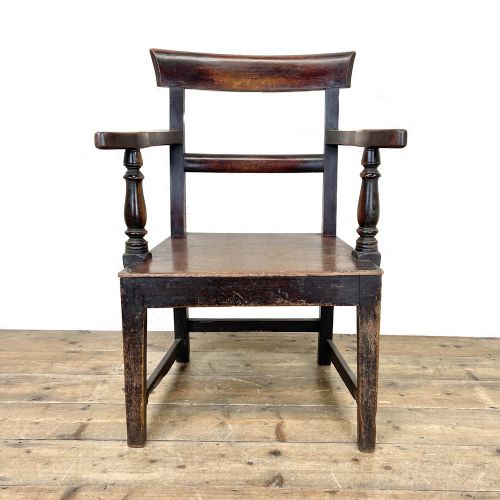
- An armchair designed to match a set of dining side chairs, usually placed at the head of the table. They typically feature substantial armrests integrated into the back frame.
- Balloon back
- A rounded, closed-loop backrest resembling the shape of a balloon, characteristic of mid-nineteenth-century dining chairs. This form provided ergonomic support while showcasing polished timber veneers.
- Spindleback
- A chair back composed of multiple thin, turned wooden uprights arranged vertically between the seat and top rail. This lightweight construction was popular in vernacular Lancashire and Windsor seating.
Vintage Timber Dining Chairs: Frequently Asked Questions
How do I care for vintage timber dining chairs?
Feed the wood periodically with a quality beeswax to prevent the timber from drying out, avoiding silicone-based polishes that build up over time.
Keep chairs away from direct heat sources and sudden temperature fluctuations to prevent timber shrinkage and loosened joints.
Can I mix these chairs with a modern table?
Mixing vintage wooden seating with a contemporary table creates a striking contrast that highlights the natural grain and warmth of older materials.
Matching timber tones or unifying disparate chairs with similar seat heights helps anchor the arrangement within a modern interior.
How can I tell a Victorian chair from a later revival?
Examine the construction methods beneath the seat and around the joints, as nineteenth-century pieces often display hand-cut joinery and period-specific tool marks.
Revival pieces frequently incorporate historical motifs from the Jacobean or Gothic eras while utilising twentieth-century manufacturing techniques and standardised fixings.
What is the difference between a side chair and a carver?
Side chairs are compact, armless seats intended to fit neatly along the sides of a dining table without obstructing movement.
Carvers feature integrated armrests and generous proportions, traditionally reserved for the head and foot of the dining table.