


Vintage Timber Desk
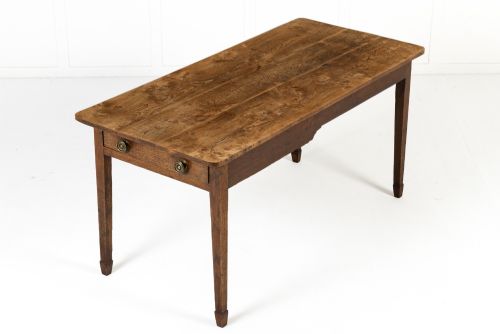
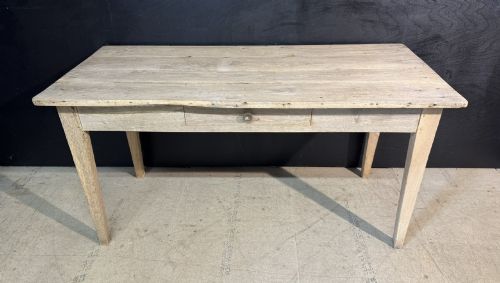
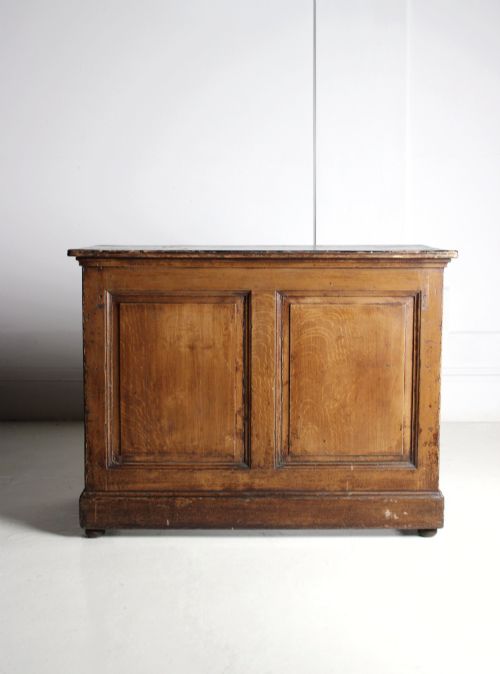
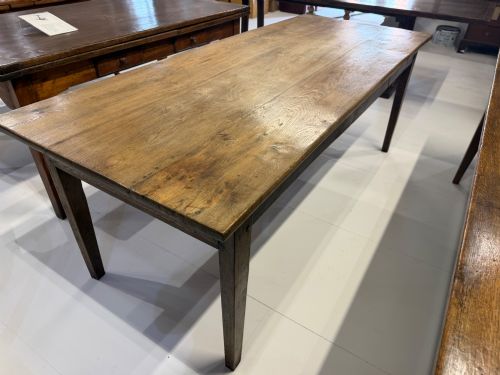
A vintage timber desk brings character to a study, offering sturdy construction and practical workspace formed from oak, mahogany, or walnut.
Vintage Timber Desk
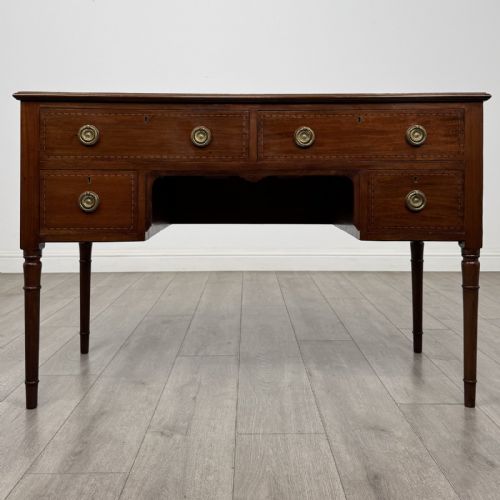
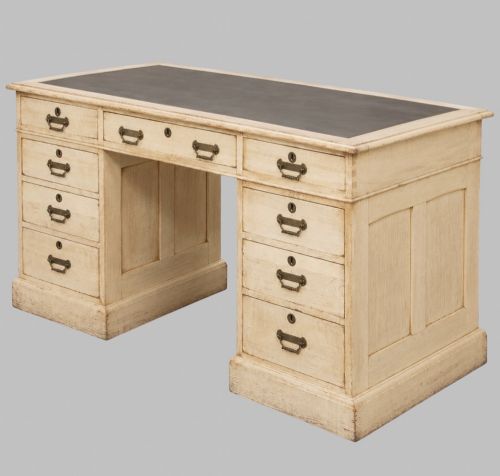
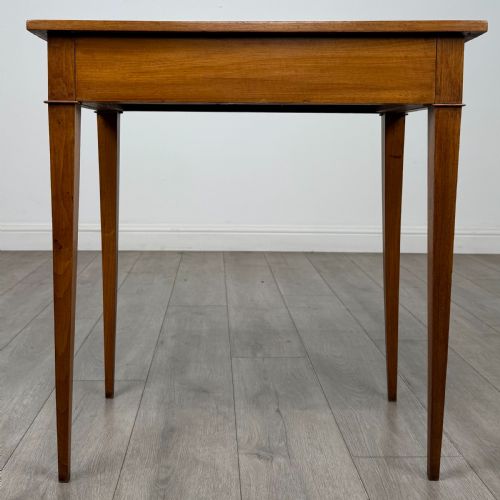
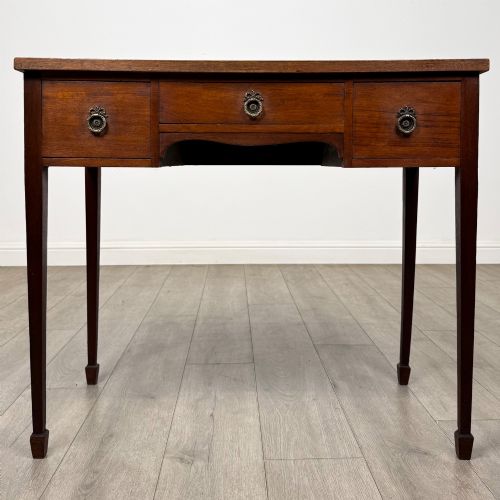
When searching for a vintage timber desk, buyers encounter various working surfaces spanning periods from the Georgian era through the Edwardian years and into the 1930s. The selection includes pedestals, writing tables, and estate pieces designed for daily correspondence and business.
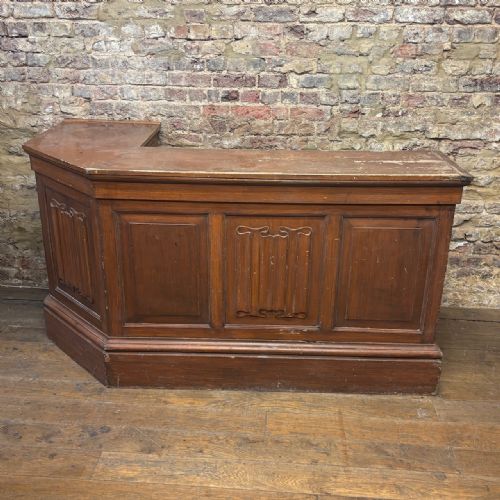
Oak and mahogany versions predominate, often featuring fitted drawers and leather or wood writing surfaces. These pieces range from substantial commercial counters to compact writing tables suited for domestic studies.
What varies in quality
The standard of timber selection and joinery marks the difference between standard utilitarian furniture and finer workshop output. Grain matching on drawer fronts and secondary wood quality reveal the maker's intent.
Proportion and the integrity of original hardware contribute significantly to the standing of each piece. Retaining original leather inserts and working locks elevates a desk's documentary value.
Vintage Timber Desk Retail Price Guide 2026
Typical asking prices for vintage timber desk among the pieces listed under this phrase on Sellingantiques today, from the lower quarter to the upper quarter. They describe what is for sale here now, not the wider market.
Some desks hide secret compartments within their drawers, designed for stashing private letters or small valuables.
Trollope & Sons·Heal and Son·Arthur Basil Reynolds
The Vintage Timber Desk Glossary
- Pedestal desk
- A freestanding writing table supported by two pedestals of drawers flanking a central kneehole. This form provides substantial storage beneath the main writing surface.
- Kneehole
- The central recessed space beneath a desk or table where the user sits. It often contains a single shallow drawer above the opening.
- Writing surface
- The primary top area designated for writing, frequently lined with leather or hide. These inserts are often bordered with gold tooling.
- Hardwood
- Timber derived from broad-leaved trees such as oak, mahogany, walnut, and elm. These dense woods form the primary structure of durable antique desks.
Vintage Timber Desk: Frequently Asked Questions
How do I date a timber desk?
Examine the construction methods, drawer dovetails, and secondary woods used in the interior framing. Hardware styles and overall proportions also point to specific periods like the Georgian era or the 1930s.
Comparing the primary timber, such as mahogany or oak, with known regional designs helps narrow down the decade of manufacture.
What is a pedestal desk?
A pedestal desk consists of a rectangular top resting on two banks of drawers. This configuration provides a stable working surface and generous storage capacity.
Such desks usually stand away from walls as freestanding pieces in a room.
Are writing surfaces original?
Many older desks retain replacement leather or cloth writing panels due to natural wear from daily use. Finding an untouched original surface is uncommon.
Replacement inserts are typically chosen to match the period style and colour of the surrounding timber.
How do I care for timber?
Keep wooden desks away from direct sunlight and heat sources to prevent the timber from warping or splitting. Regular dusting and occasional application of appropriate wax maintain the finish.
Avoid excessive moisture on both the wood and any inset leather writing panels.