








Vintage Timber Bookshelves
Vintage timber bookshelves bring solid construction and rich grain into a room, offering practical display space for a growing library.
Vintage Timber Bookshelves
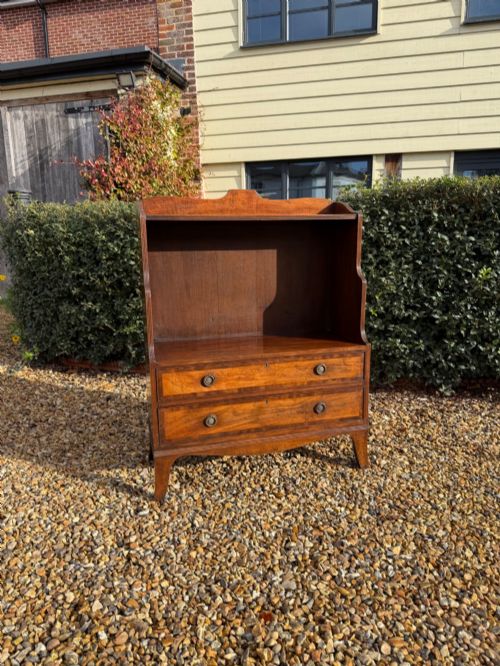
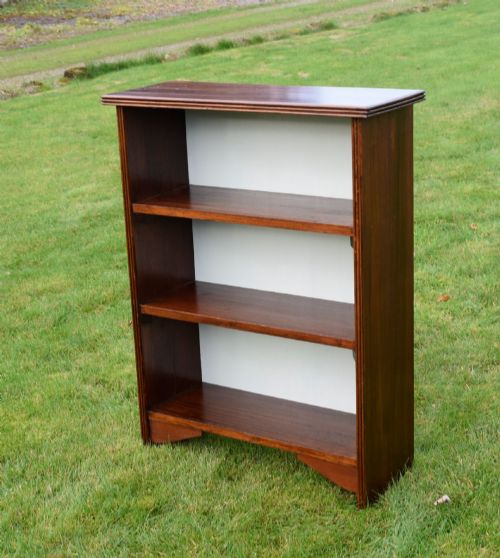
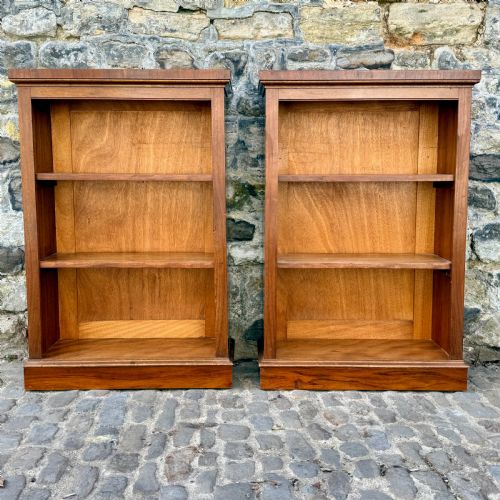
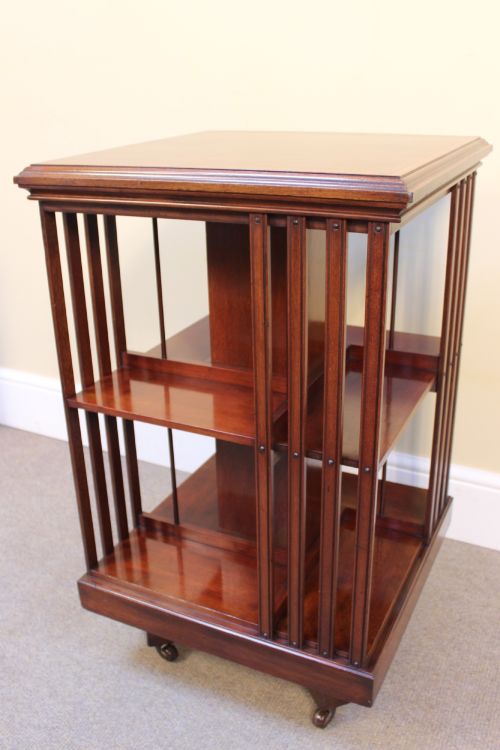
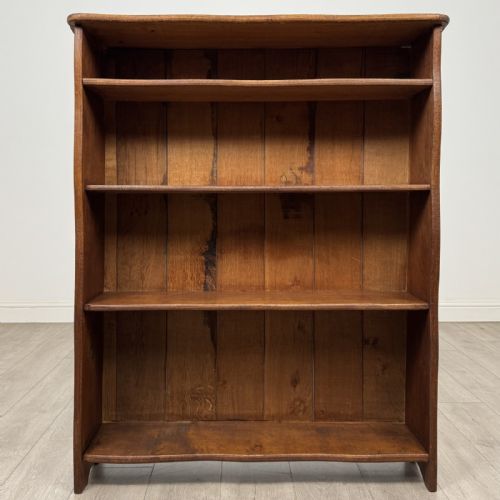
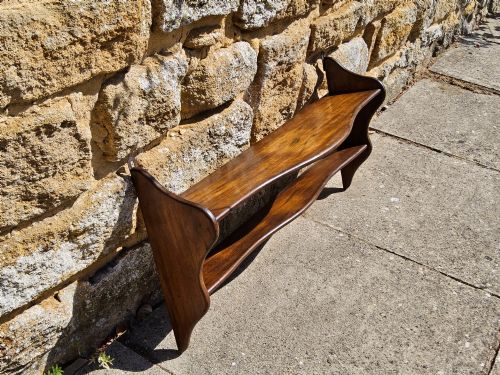
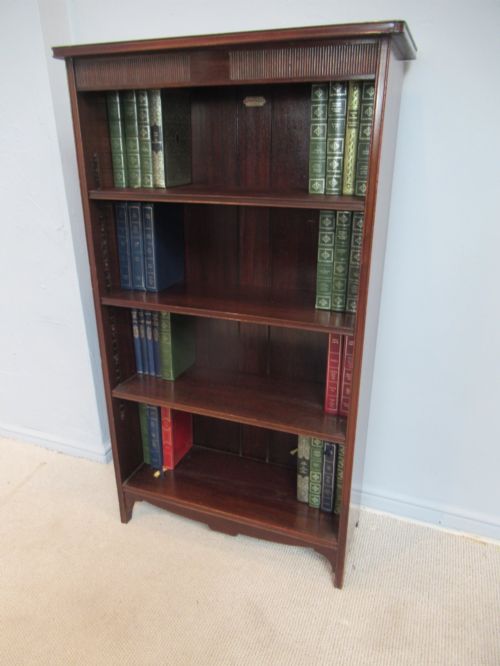
Vintage timber bookshelves encompass open bookcases, wall hanging shelves, and tiered whatnots designed to hold books and display objects. These pieces span centuries from the eighteenth century through the Edwardian period and the early twentieth century.
Makers and craftsmen utilised specific regional timbers such as Indian hardwood, Burmese padauk, and elm to build these functional storage items. Their styles draw upon traditional periods including Regency, Victorian, and Arts and Crafts.
How they were made
Carpenters constructed these bookshelves using solid hardwoods such as oak, mahogany, walnut, elm, and rosewood, often applying veneer over secondary woods. Selected pieces incorporate decorative elements like satinwood inlay, brass details, and iron fixings.
Construction techniques include traditional joinery adapted to the specific form, whether standing open bookcases or wall-hanging shelves. Carving appears on specific regional pieces, such as Burmese padauk wood buffers and Chinese hardwood display cabinets.
Vintage Timber Bookshelves Retail Price Guide 2026
Typical asking prices for vintage timber bookshelves among the pieces listed under this phrase on Sellingantiques today, from the lower quarter to the upper quarter. They describe what is for sale here now, not the wider market.
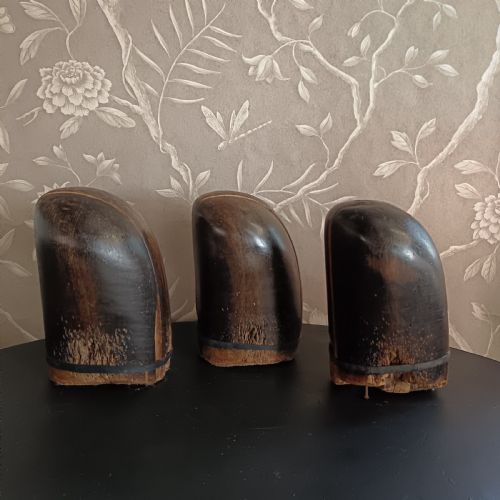
Milliners hat blocks built for military bearskin caps share shelf space with formal Regency wall units.
What varies in quality
The selection of timber dictates the visual depth of the piece, with dense grain patterns and matched veneers sitting at the higher end of the range. Simpler utilitarian oak bookcases contrast with intricately inlaid mahogany or carved padauk furniture.
Proportion and execution of detail separate standard utility items from finer examples, such as shaped sides on open bookcases or precise satinwood inlay. The integrity of the structure and the retention of original brass or iron hardware influence the overall calibre of the item.
Waring And Gillows
The Vintage Timber Bookshelves Glossary
- Open bookcase
- A piece of furniture designed for storing books with open front access rather than glazed doors. They often feature adjustable or fixed shelves within a timber frame.
- Whatnot
- A multi-tiered open piece of furniture used for displaying small objects and books. These often stand on slender vertical supports.
- Waterfall display shelf
- A set of shelves arranged in a descending stepped formation where each tier is deeper than the one above it. This design originates from nineteenth-century display furniture.
- Satinwood inlay
- A decorative technique where contrasting light satinwood is inserted into the primary timber surface to form patterns. It appears frequently on Edwardian mahogany pieces.
- Padauk wood
- A heavy tropical hardwood known for its dense reddish-brown grain. It was utilised in nineteenth-century colonial and Burmese furniture.
Vintage Timber Bookshelves: Frequently Asked Questions
What is an open bookcase?
An open bookcase is a timber storage unit without doors, providing direct access to the books stored inside. These pieces allow for easy organisation and display of reading collections.
They appear in various timber types, including oak, mahogany, and walnut, ranging from small proportions to taller freestanding configurations.
How do I care for timber bookshelves?
Timber bookshelves require stable room conditions away from direct sunlight and strong heat sources to prevent wood splitting. Regular dusting with a dry cloth keeps the surface clean without damaging the polish.
Applying appropriate wax occasionally helps nourish older hardwood finishes like oak and mahogany.
Are wall hanging shelves sturdy?
Wall hanging shelves rely on secure wall fixings and solid timber construction to bear weight safely. Period examples use robust hardwoods like oak and rosewood for their mounting structures.
Checking the fixing points ensures the shelf safely supports the weight of books or displayed objects.
How do I identify Edwardian bookshelves?
Edwardian bookshelves often feature lighter mahogany timbers combined with delicate satinwood inlay work. Their design leans towards refined proportions reflecting early twentieth-century tastes.
Examining the construction methods and decorative motifs helps distinguish them from earlier Victorian pieces.