



Vintage Timber Board
A vintage timber board brings rugged utility and folk character into a room through weathered signs, games boards, and panels.
Vintage Timber Board
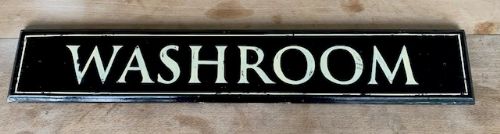
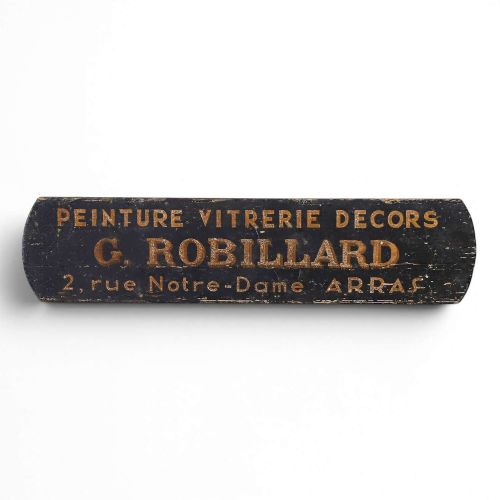
A vintage timber board covers a broad utilitarian spectrum, ranging from functional shop displays and trade signs to games boards and architectural elements. You will frequently encounter painted wooden signs, fairground panels, and games boards dating from the nineteenth and early twentieth centuries.
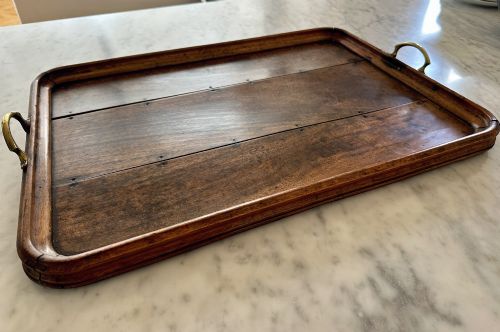
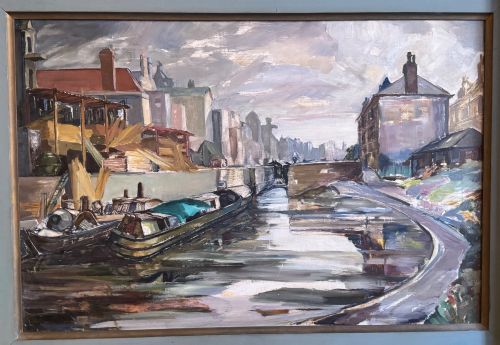
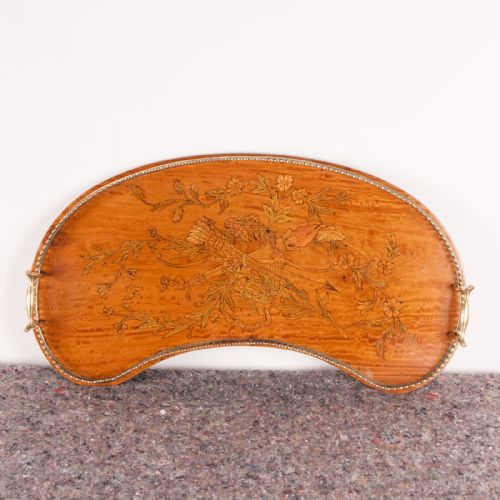
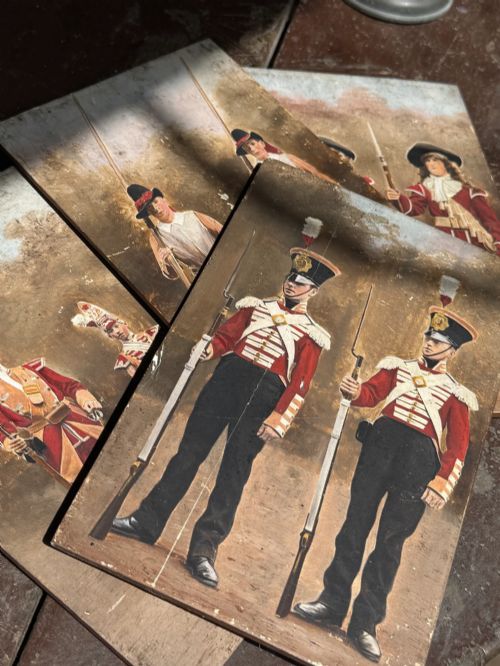
The selection on this page demonstrates the diversity of timber objects, spanning Georgian platters, Victorian cribbage and chess sets, and mid-century oil paintings on board. Each piece carries a specific past function, whether advertising a trade, recording poor relief, or providing a surface for leisure.
Origins stretch across English workshops, French provincial settings, and fairgrounds, utilising native woods such as sycamore, pine, walnut, and rosewood. These items suit contemporary interiors seeking genuine historical texture and functional domestic presence.
Materials and construction methods
Construction relies heavily on traditional timber selection, employing durable woods like sycamore, pine, walnut, fruitwood, and rosewood for tables, boards, and trays. Artisans shaped these materials using hand tools, cabinetry joints, and solid panel construction suited to daily use.
Surface treatments define many pieces, utilising hand-applied oil paint, gold leaf, and protective glazes over wood. Trade signs and fairground panels display layered pigments and hand lettering, while platters and trenchers show the direct marks of use, heat, and age.
Vintage Timber Board Retail Price Guide 2026
Typical asking prices for vintage timber board among the pieces listed under this phrase on Sellingantiques today, from the lower quarter to the upper quarter. They describe what is for sale here now, not the wider market.
An 18th-century sycamore platter preserves the exact burn mark left by an errant household iron.
Evaluating quality and authenticity
Quality rests in the integrity of the original surface, where untouched hand-painted lettering, authentic wear, and undisturbed patination distinguish genuine utility pieces from later reproductions. The clarity of folk art details and the survival of original mounts or frames elevate the standing of a panel.
Structural honesty dictates the value of tables and trays, requiring sound timber joints and minimal restorative intervention. Pieces retaining distinct maker marks, such as those from the British Chess Company, or specific historical contexts command closer attention from collectors.
The Vintage Timber Board Glossary
- Treen
- Small handmade wooden household objects. These items include lace folders, small containers, and domestic utensils fashioned from dense hardwoods.
- Refectory table
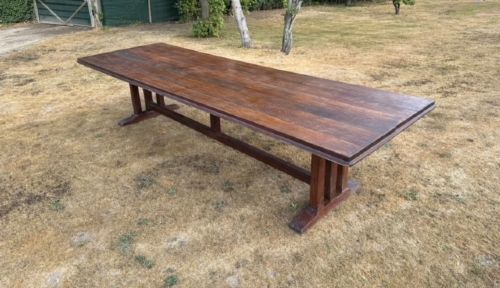
- A long dining table traditionally used in communal halls. Examples in the listings feature solid walnut construction adapted for domestic dining rooms.
- Gingerbread mould
- A carved wooden board used to stamp patterns onto dough before baking. These deep-relief carvings often depict figures or animals.
- Dummy board
- A painted wooden figure cut out to simulate a person or animal standing in a room. These decorative items served as novelties in historic interiors.
- Platter
- A large flat serving dish for food. Early examples are carved from single pieces of sycamore and bear the marks of domestic service.
Vintage Timber Board: Frequently Asked Questions
How do I clean a painted wooden sign?
Dust the surface gently with a soft, dry cloth to remove loose particles without disturbing delicate old paint layers.
Avoid liquid cleaners, waxes, or harsh solvents that can strip original pigments or soften historic wood finishes.
Are fairground boards sturdy enough for walls?
Most fairground and trade panels are built on thick wooden backings that provide substantial structural stability.
Ensure you use appropriate heavy-duty fixings suited to the weight of the timber when hanging them.
Can I use antique chess boards for play?
Rosewood and sycamore chess boards from the nineteenth century remain entirely functional for regular games.
Handle them with care to protect the historic polish and prevent new scratches on the aged wood surface.
What period do most painted signs date from?
The majority of painted wooden signs and trade boards on this page originate from the early twentieth century and the Victorian era.
Hand-lettered shop displays and advertising panels from these decades reflect traditional commercial street life.