





Vintage Timber Bin
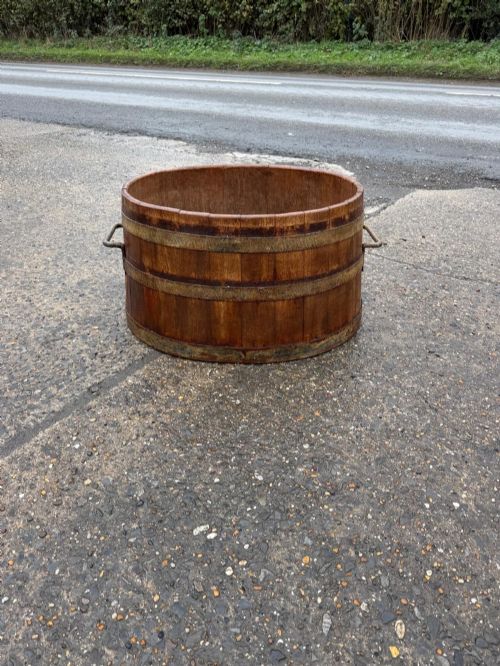
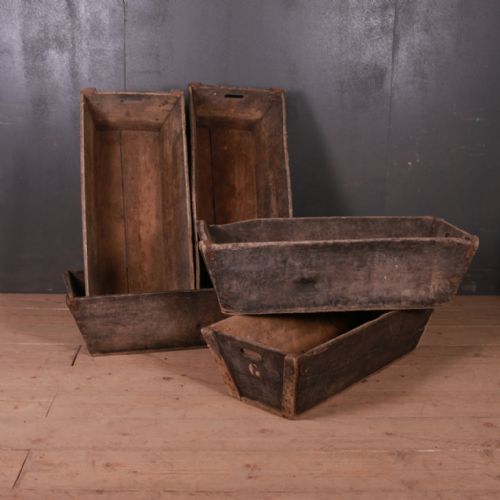
These vintage timber bin examples are heavy utilitarian storage boxes and troughs built for domestic use, prized for their weathered surfaces and honest craftsmanship.
Vintage Timber Bin
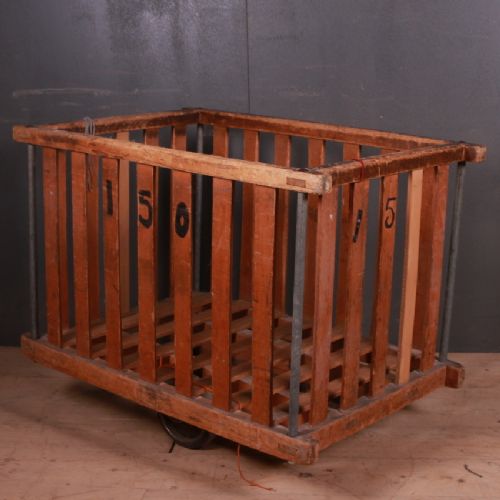
When you search for a vintage timber bin, you are looking at practical containers historically used for kneading bread, holding fuel, or storing household goods. These pieces range from substantial 18th-century coffers and dough troughs to 19th-century Swedish pine boxes and industrial log trolleys.
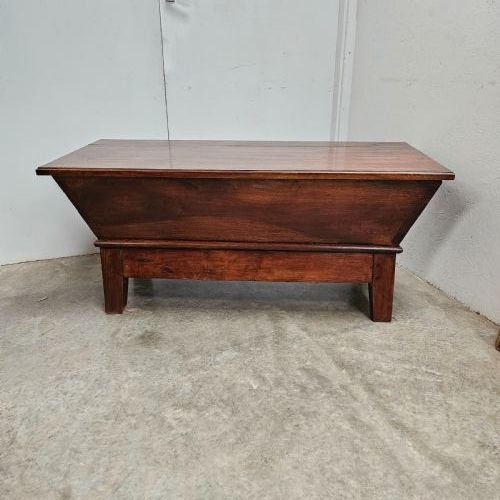
The most common examples on this page are dough bins and log boxes constructed from solid timbers like pine, elm, and walnut. They appear in styles such as Scandinavian Country, Rustic Farmhouse, and Industrial, reflecting their origins in working farmhouses and utility rooms.
Many of these containers double as chests or consoles, offering deep interior storage beneath heavy lids. Their utilitarian forms make them robust additions to contemporary interiors as coffee tables or fireside storage.
How they were made
Makers built these pieces using solid woods such as pine, elm, oak, and walnut, joined with pegged or dovetailed corners to withstand heavy daily use. The construction focuses entirely on durability, utilising thick timber planks that could hold flour, dough, or heavy loads of wood.
Many items incorporate iron, steel, and metal hardware, including strap hinges, handles, and occasionally wheels on trolley-style log bins. Some surfaces retain traces of historic paint or natural wax finishes that highlight the grain of the wood.
Vintage Timber Bin Retail Price Guide 2026
Typical asking prices for vintage timber bin among the pieces listed under this phrase on Sellingantiques today, from the lower quarter to the upper quarter. They describe what is for sale here now, not the wider market.
Listings feature items spanning the 18th and 19th centuries up to 1920, predominantly constructed from pine, elm, and oak.
What varies in quality
Quality in these utilitarian pieces rests in the integrity of the original timber and the restraint of any subsequent repairs. Pieces retaining their original heavy iron hardware and uncompromised structural joints stand apart from heavily altered examples.
The character of the wood surface dictates much of the appeal, with deep patination and honest wear distinguishing better items. Finer examples show thoughtful joinery, such as dovetailing on dough bins, rather than purely functional modern fastenings.
The Vintage Timber Bin Glossary
- Dough bin
- A deep wooden trough, often with a lid, traditionally used for rising bread dough before baking. These pieces usually feature splayed legs to keep the container off cold kitchen floors.
- Coffer
- A heavy wooden chest with a hinged lid, used historically for storing valuables or household provisions. They are typically constructed from solid oak or pine with robust corner joints.
- Pine
- A softwood commonly used in Scandinavian and country furniture for its accessibility and workability. It takes on a rich honeyed tone and patina through decades of cleaning and handling.
- Log box
- A low-profile wooden container designed specifically for holding firewood near a hearth. They often incorporate metal fittings or wheels for ease of movement across floorboards.
Vintage Timber Bin: Frequently Asked Questions
What is a vintage timber bin used for today?
These versatile pieces serve primarily as fireside storage for logs, kindling, or hearth accessories in living spaces. Homeowners also utilise them as coffee tables, blanket chests, or deep entryway storage.
Their robust construction allows them to handle heavy everyday items while introducing rustic texture to a room. Placing one at the foot of a bed or beneath a window provides concealed storage for bulky textiles.
How do I clean a wooden dough bin?
Dust the timber regularly with a soft, dry cloth to prevent dirt accumulation in the grain and joints. Avoid harsh chemical cleaners or excess water, which can strip historic wax and dry out the old wood.
Apply a microcrystalline wax occasionally to nourish the timber and protect the surface from moisture. Keeping the piece away from direct heat sources prevents the old planks from splitting.
How can I tell the age of a timber bin?
Examine the construction methods, tool marks, and hardware visible on the interior and exterior of the box. Hand-cut dovetails, hand-forged iron hinges, and pegged joints usually indicate 18th or 19th-century craftsmanship.
Look closely at the wear patterns and the depth of the timber's patina around frequently touched areas like lids and handles. Machine-sawn boards and modern screws point towards later 20th-century production or repairs.
Are these bins heavy to move around?
Solid timber bins built from dense woods like oak, elm, or walnut are naturally heavy and substantial. Moving them requires care, especially larger coffers and dough bins designed to stay in one place.
Some industrial variations feature metal wheels or trolley bases intended to ease mobility across floors. For static pieces, placing felt pads underneath helps protect wooden flooring when repositioning.