




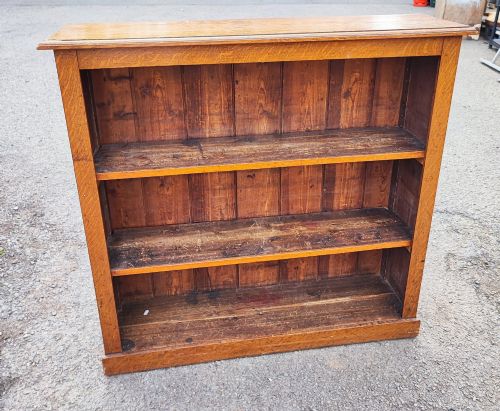
Vintage Tier Shelf
These multi-level display structures bring functional vertical storage and traditional character to domestic interiors.
Vintage Tier Shelf
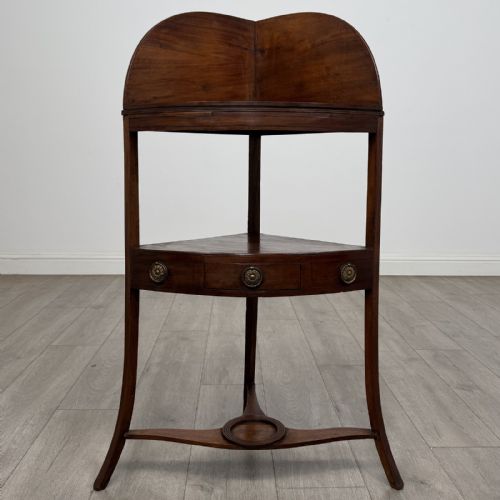
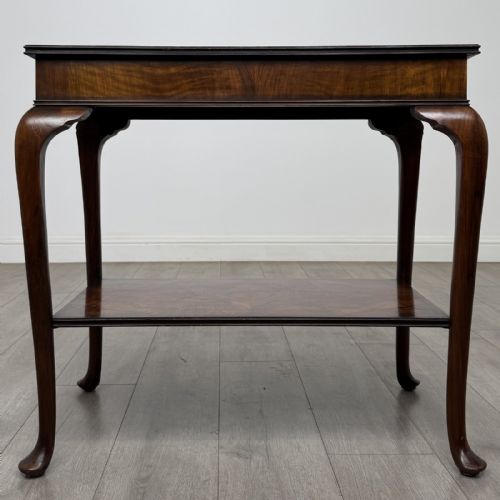
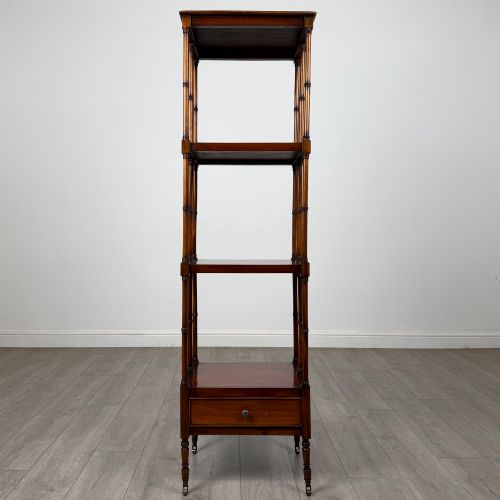
When you search for a vintage tier shelf, you encounter multi-level storage furniture designed to display books, ceramics, and ornaments across stacked levels. The pieces available span open bookcases, étagères, whatnots, wall hanging shelves, and small display units.
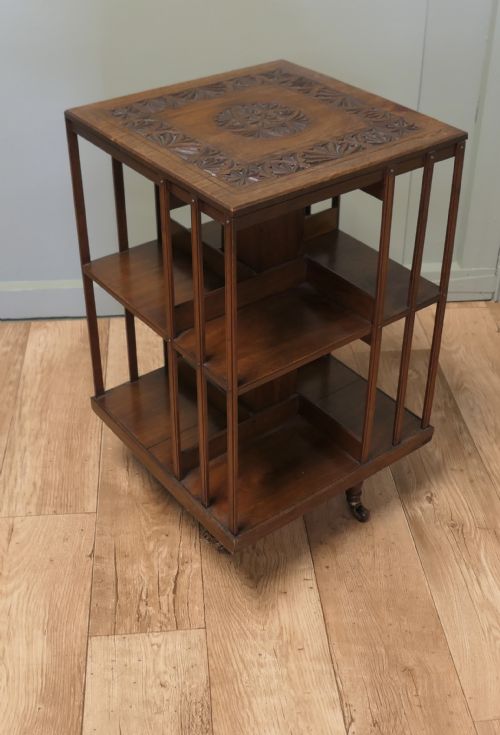
The selections you are most likely to meet on this page originate from the nineteenth and early twentieth centuries, encompassing Victorian, Edwardian, and Regency periods alongside Arts and Crafts and Mid-Century Modern iterations. Formats range from rotating floor stands and corner units to wall-mounted timber boards and tiered trolleys.
Makers and workshops constructed these tiered vessels to maximise floor space or wall capacity while presenting curated collections at eye level. Their multi-tiered configuration adapts readily to modern rooms requiring vertical organisation without a heavy footprint.
Materials and construction
Cabinet makers relied heavily on solid and veneered hardwoods, predominantly mahogany, oak, and walnut, complemented by secondary timbers like ebonised wood and rosewood. These woods were often polished to highlight natural grain patterns or inlaid with decorative marquetry.
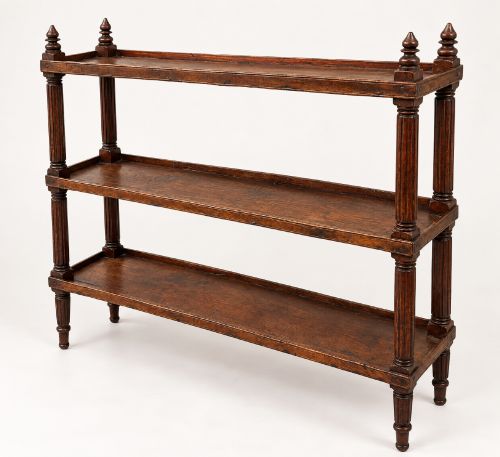
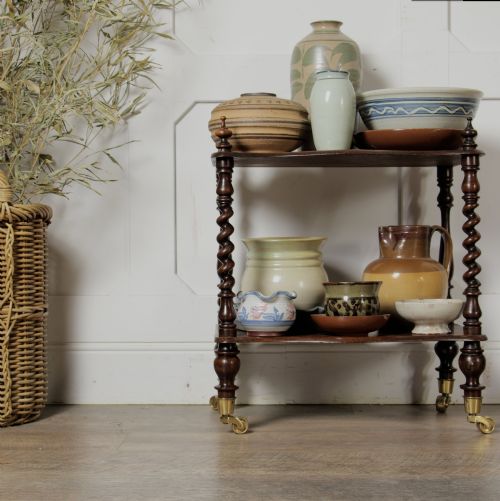
Structural support was achieved through slender pillars, turned uprights, barley twist columns, and pierced fretwork panels. Wall-mounted and hanging versions utilised brass brackets or suspension fixtures to anchor the stacked shelves securely.
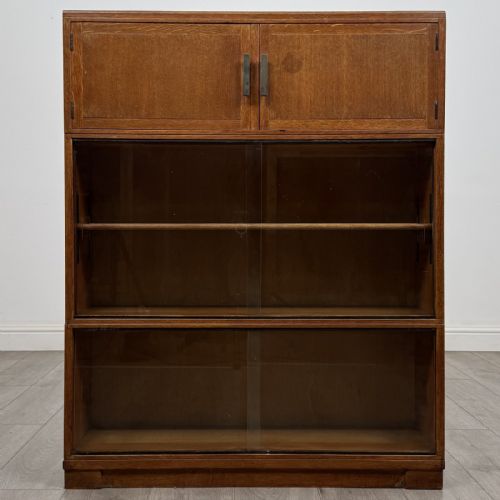
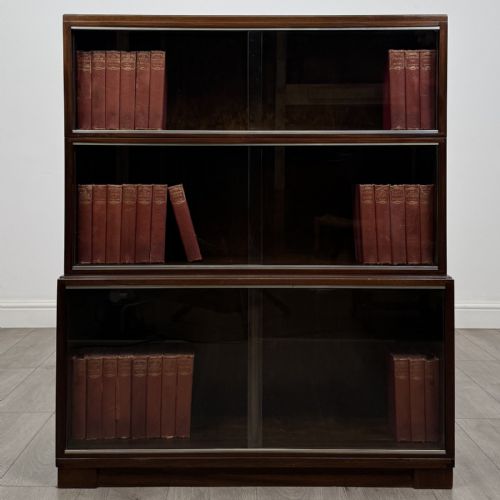
Specialised examples incorporated sliding glass doors, raised galleries, or revolving mechanisms that allowed smooth rotation of stacked book compartments. Joints were joined with traditional woodworking techniques suited to each period's prevailing style.
Vintage Tier Shelf Retail Price Guide 2026
Typical asking prices for vintage tier shelf among the pieces listed under this phrase on Sellingantiques today, from the lower quarter to the upper quarter. They describe what is for sale here now, not the wider market.
The listings demonstrate a strong presence of nineteenth-century mahogany and oak furniture, with Edwardian and Victorian pieces appearing frequently across multiple forms.
Judging quality in tiered shelving
The distinction between ordinary and superior pieces rests on the choice of timber and the crispness of decorative detailing. Finer items exhibit carefully selected burr walnut or figured mahogany grains paired with subtle string inlay or meticulous fretwork carvings.
Structural integrity also separates the upper tier of items from the lower range, particularly in revolving or multi-tiered stackable units that require precise engineering. Well-balanced proportions, sturdy upright supports, and original brass hardware indicate superior workshop production.
The Vintage Tier Shelf Glossary
- Whatnot
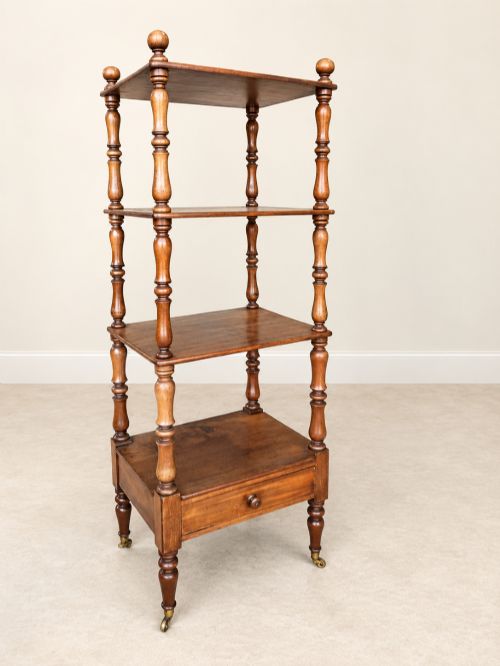
- A piece of furniture with multiple open shelves for displaying ornaments or books. Originating in the eighteenth century, these stands gained popularity throughout the Victorian period.
- Étagère
- A set of open shelves for displaying small objects or ornaments. These French-derived display pieces frequently feature delicate turned legs or mirrored back panels.
- Barley twist
- A carved spiral column resembling twisted barley sugar. This decorative turning technique appears frequently on nineteenth-century supports and table legs.
- Waterfall bookcase
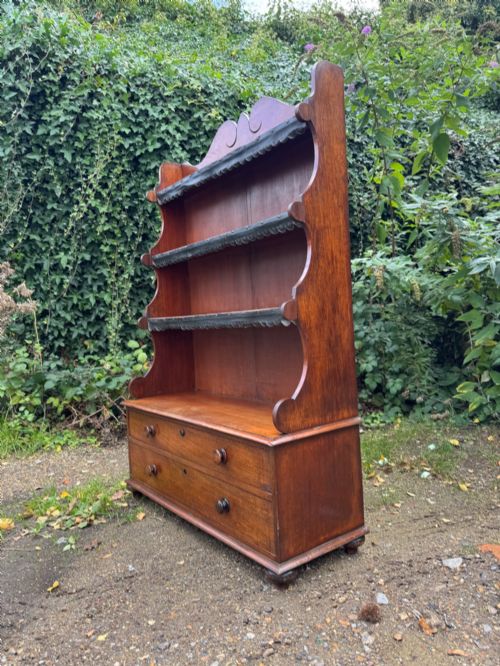
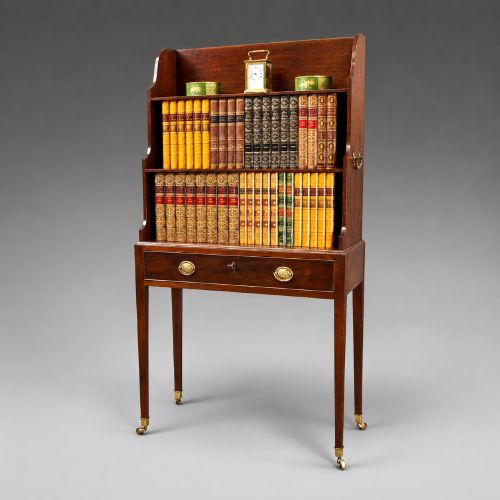
- A set of open shelves where each successive shelf is deeper than the one above, creating a stepped profile. The silhouette resembles descending water.
- Fretwork
- Ornamental perforated wood or metal carving created by cutting patterns through the material. It adds lightness and decorative flair to shelf brackets and gallery rails.
Vintage Tier Shelf: Frequently Asked Questions
How were tier shelves used originally?
Historically, these multi-level pieces served as display furniture for prized ceramics, silver, and small ornamental objects in principal rooms. They also functioned as accessible book storage beside seating areas or within libraries.
Over time, homeowners adapted the tiers to hold household items, writing materials, or collected curiosities, making them versatile additions to drawing rooms and studies.
Where should I place a tier shelf?
Freestanding whatnots and revolving bookcases suit corners or empty wall spaces where they can be viewed from multiple angles. Wall-hanging shelves work effectively above sideboards or desks to utilise vertical wall surface.
Because many examples feature finished backs and polished timber surfaces, they sit comfortably within living spaces rather than remaining strictly confined to hallways.
How do I identify a Victorian whatnot?
Victorian examples often display dark hardwoods such as mahogany or walnut, frequently accented with turned barley twist columns or pierced fretwork galleries. They commonly feature three or four graduated tiers supported by slender upright posts.
Construction details like hand-cut joinery and heavy timber thickness help distinguish nineteenth-century production from later revivals.
Are revolving bookcases practical today?
Revolving floor models provide exceptional utility for storing paperbacks, reference volumes, or record collections within a compact footprint. Their internal mechanism allows effortless access to books from every side.
They integrate smoothly beside armchairs or sofas, offering functional surface area on the top tier alongside immediate book storage below.