




Vintage Terracotta Dish
These vintage terracotta dish pieces bring tactile warmth to an interior, offering functional utility grounded in honest earthenware.
Vintage Terracotta Dish
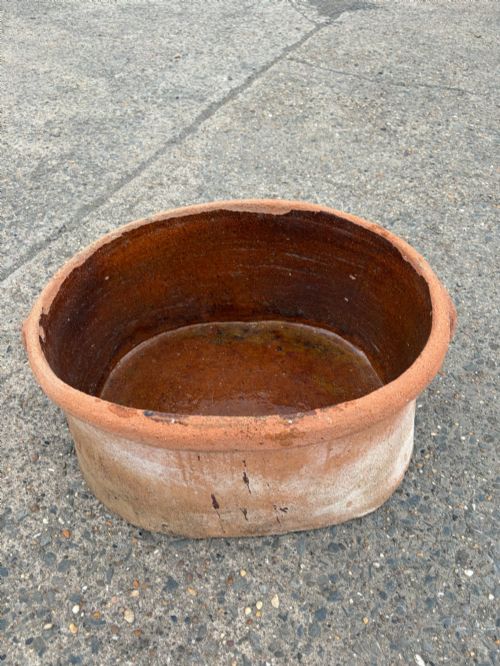
When searching for a vintage terracotta dish, a buyer enters a category rooted primarily in nineteenth century utilitarian kitchenalia and regional redware forms. The pieces span practical vessels such as seventeenth and nineteenth century storage or salter vessels originating from makers like North Devon, carrying the distinct earthy hue of fired clay.
While the literal search points directly to terracotta, the surviving material record on this page also embraces adjacent nineteenth century stoneware cooking dishes and Verwood wash bowls alongside lighter earthenware traditions. Collectors frequently encounter robust utilitarian items that transition easily from regional farmhouse kitchens to display shelves.
The aesthetic leans heavily toward honest, unpretentious craftsmanship rather than refined parlour ornament. A buyer is most likely to meet hardy nineteenth century vessels that show the direct marks of their practical domestic origins.
How they were made
The creation of these items relies on basic earthen clay bodies fired at lower temperatures than porcelain, resulting in the characteristic porous redware matrix. Potters shaped these utilitarian vessels on the wheel or pressed them into moulds to produce durable kitchenalia meant for daily service.
Surfaces on these redware and stoneware pieces often receive simple lead glazes or remain untreated to serve their functional purpose in the pantry or dairy. The manufacturing technique prioritises structural utility, leaving the natural tactile qualities of fired earth exposed.
Vintage Terracotta Dish Retail Price Guide 2026
Typical asking prices for vintage terracotta dish among the pieces listed under this phrase on Sellingantiques today, from the lower quarter to the upper quarter. They describe what is for sale here now, not the wider market.
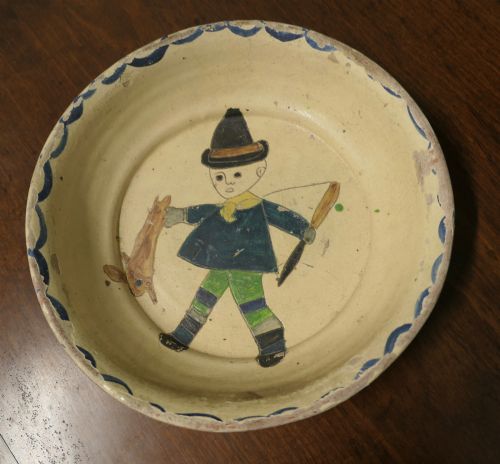
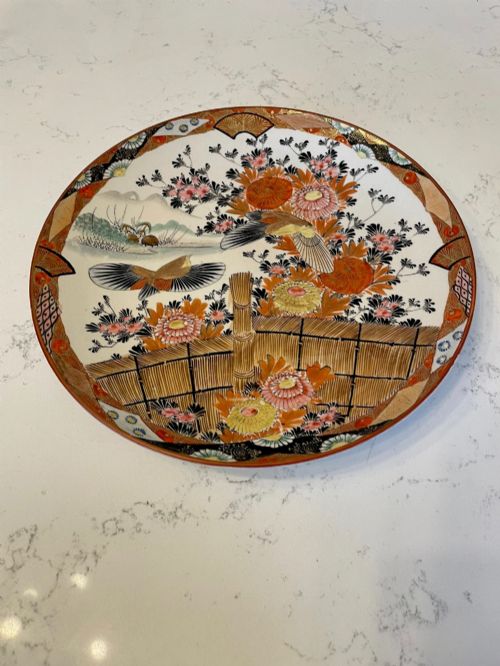
The listings span nineteenth century earthenware and stoneware forms, including regional terracotta salters and wash bowls alongside decorative bowls and plates.
What varies in quality
Quality in these utilitarian items rests upon the integrity of the thrown form and the crispness of any applied regional markings or stamps. A heavier, well-balanced potting weight separates robust kitchen containers from ordinary domestic items.
The distinction between standard utility ware and better examples lies in the survival of original surface finishes and the intentionality of the regional potting tradition. Pieces that retain their honest working character without excessive structural compromise stand at the upper end of the range.
North Devon·Verwood·Wedgwood·Mason
The Vintage Terracotta Dish Glossary
- Terracotta
- A porous, unglazed or glazed red earthenware fired at relatively low temperatures. It provides the heavy, reddish-brown baseline for traditional kitchenalia and garden pottery.
- Stoneware
- A dense, vitrified ceramic fired at higher temperatures than earthenware until the clay body becomes impermeable to liquids. This material forms heavy-duty cooking vessels designed for utilitarian endurance.
- Kitchenalia
- Domestic utensils and utilitarian wares used historically in food preparation and storage. These items are valued today for their honest display appeal and historical connection to the pantry.
- Earthenware
- Pottery made from clay that remains porous after firing unless glazed. It constitutes the primary material family for traditional redware dishes and wash bowls.
- Salter
- A traditional regional vessel utilised for storing salt or curing provisions in the farmhouse kitchen. These pieces form a distinct subset of nineteenth century terracotta and stoneware utility ware.
Vintage Terracotta Dish: Frequently Asked Questions
What is a terracotta dish used for?
These vessels historically served practical roles in the farmhouse kitchen for food preparation, curing, or general storage. Their robust construction made them essential daily tools for domestic work.
Today, collectors utilise them as decorative focal points or rustic display pieces in modern interiors. They bring a tangible sense of historical domestic craft to a room.
How do I clean an old dish?
Wash these pieces gently using warm water and a mild detergent, avoiding harsh scrubbing tools that might damage porous earthenware surfaces. Ensure the material dries completely after washing.
Because historic terracotta and redware can be porous, avoid submerging unprotected vintage pieces in water for extended periods. Pat them dry with a soft cloth immediately.
How old is my terracotta dish?
Dating relies on examining the potting technique, weight, and any regional characteristics visible in the clay body. Nineteenth century examples typically display heavier, hand-thrown walls and simple utilitarian forms.
Compare the surface wear and glaze characteristics with documented regional wares from centres like North Devon or Verwood. Subtle tool marks and local clay impurities often indicate nineteenth century manufacture.
Can I cook in these dishes?
Most antique utility pieces are best reserved for display or dry storage rather than modern culinary use. Thermal shock can easily crack historic earthenware that has aged over centuries.
欣赏 the tactile qualities and honest craftsmanship of the piece on a shelf instead of placing it in an oven. This preserves the structural integrity of the antique redware.