






Vintage Terracotta Bowl
A vintage terracotta bowl brings honest earth and tactile warmth to an interior, offering both rustic utility and centuries of patination.
Vintage Terracotta Bowl
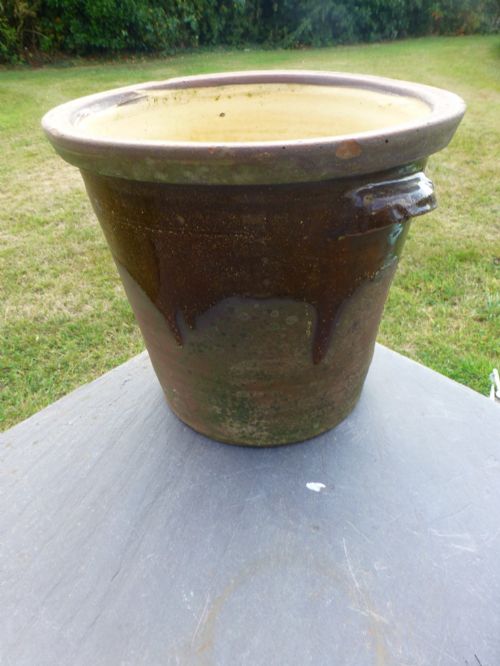
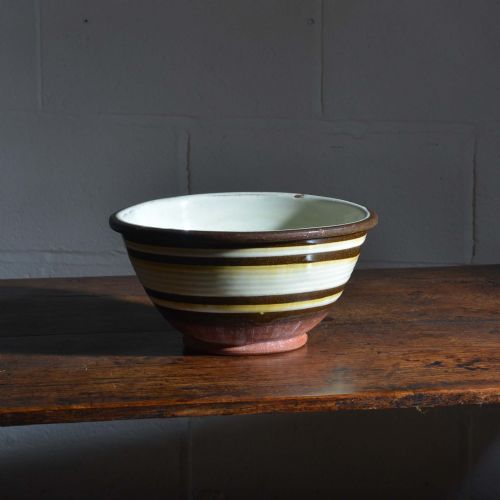
A vintage terracotta bowl encompasses utilitarian vessels made from fired clay, appearing across domestic and garden contexts in the nineteenth and twentieth centuries. These pieces range from heavy dairy vessels and salting crocks to large garden pancheons and glazed planters.
Buyers seeking a vintage terracotta bowl will most frequently encounter nineteenth-century English and European examples, including utilitarian dairy sets and robust garden pottery. These items carry the marks of heavy practical service, showing surface wear and regional hand-thrown characteristics.
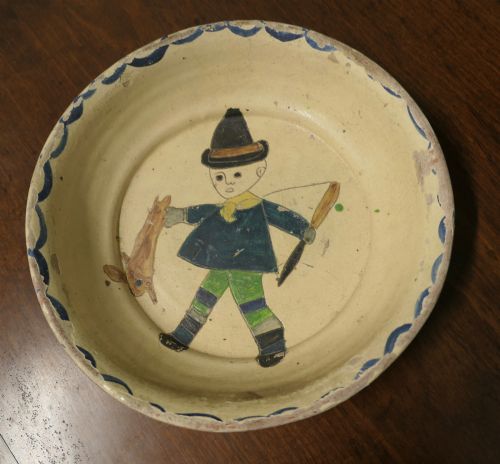
The selection also includes slip-glazed variations from the nineteenth century alongside later twentieth-century decorative iterations. Such pieces bridge the gap between agrarian utility and interior display, suiting modern spaces that value historical texture.
How they were made
Potters shaped these vessels from local clays using traditional throwing and moulding techniques, often leaving exterior walls porous while applying interior glazes for water retention. This balance of exposed earthenware and partial glaze reflects the practical demands of dairy work and horticulture.
Surface treatments in the evidence rely on simple lead glazes, slip trailing, and occasional salt glazing to seal the porous earthenware body. These methods produced utilitarian finishes designed to withstand daily agricultural labour rather than refined salon display.
Vintage Terracotta Bowl Retail Price Guide 2026
Typical asking prices for vintage terracotta bowl among the pieces listed under this phrase on Sellingantiques today, from the lower quarter to the upper quarter. They describe what is for sale here now, not the wider market.
Materials span glazed terracotta, ironstone, and slip-glazed earthenware recorded across Victorian and Art Deco periods.
What varies in quality
The distinction between ordinary and superior pieces rests upon the crispness of the thrown form and the depth of natural patination accumulated through decades of use. Stronger examples display balanced proportions and substantial wall thickness without clumsy distortion.
Quality also shows in the integration of regional slip decoration and the stability of the fired clay body. Well-preserved surfaces that retain their original warmth without extensive modern repair represent the upper tier of surviving utility wares.
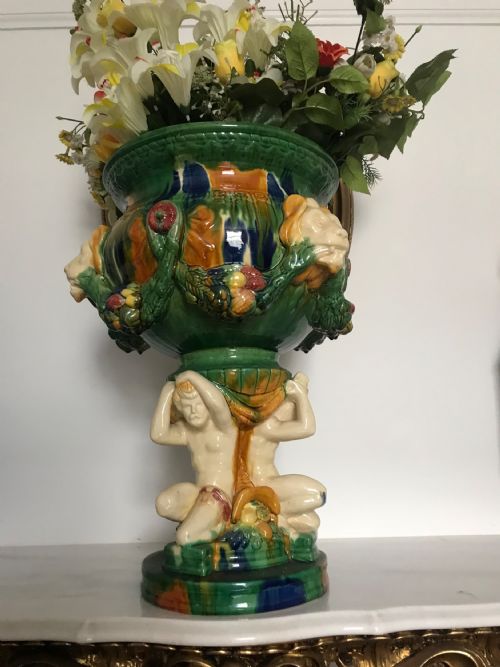
Royal Dux·Mason’s Ironstone
The Vintage Terracotta Bowl Glossary
- Terracotta
- A porous, unglazed or slip-glazed fired earthenware body varying in tone from orange-red to deep buff. It forms the structural foundation for utilitarian garden and dairy vessels.
- Slip Glaze
- A liquid clay mixture applied to the surface of a pot before firing to provide colour and a smoother seal. It creates decorative contrast against the porous terracotta body.
- Pancheon
- A wide, shallow earthenware vessel traditionally used in domestic dairies for setting milk to rise and skim for cream. These robust bowls also served general household washing tasks.
- Salting Crock
- A heavy utilitarian container utilised for preserving food provisions through dry salting or pickling. Their thick terracotta walls ensured stable internal temperatures.
- Earthenware
- Pottery fired at relatively low temperatures that remains porous unless glazed. It constitutes the primary material family for traditional country pottery and garden wares.
Vintage Terracotta Bowl: Frequently Asked Questions
What is a vintage terracotta bowl?
A vintage terracotta bowl is a fired clay vessel originating primarily from nineteenth and early twentieth-century domestic or agricultural contexts. These items include dairy bowls, garden pancheons, and glazed crocks.
Created for heavy utilitarian service, these bowls now function as decorative interior objects or garden planters. Their character comes from honest wear and regional potting traits.
How were these bowls used originally?
In period settings, these earthenware vessels served vital roles in country houses and farm dairies. They held milk for cream separation, stored salted provisions, or functioned as wash basins.
Larger versions served in gardens as watering pans or planting receptacles. Their porous nature made them suitable for managing moisture in agricultural tasks.
Are terracotta bowls frost resistant?
Many nineteenth-century utilitarian bowls possess a dense, well-fired body, but historic earthenware can remain vulnerable to freezing water. Porous clay absorbs moisture that expands when temperatures drop below zero.
Safeguarding older or unglazed garden bowls during severe winter weather prevents cracking and surface spalling. Placing them under cover preserves the historic clay body.
How do I style a terracotta bowl?
These bowls integrate naturally into neutral interiors, serving as standalone focal points on tables or floor stands. Their earthy tones complement natural wood and stone surfaces.
Filled with dried botanicals, fruit, or left empty to display their textured surfaces, they anchor a room with historical weight. Their varied scale suits both large hallways and intimate living spaces.