




Vintage Tea Jars
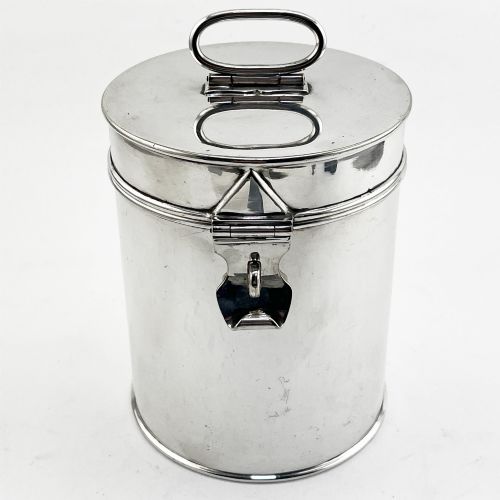
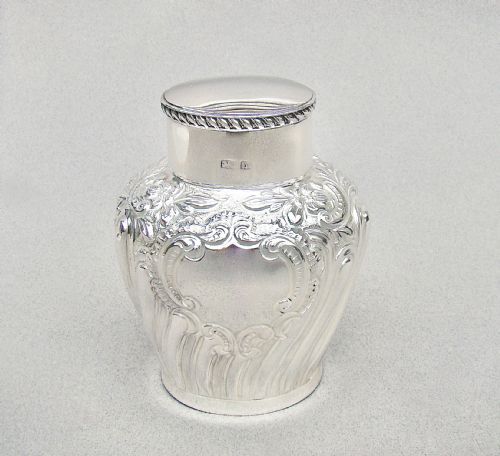
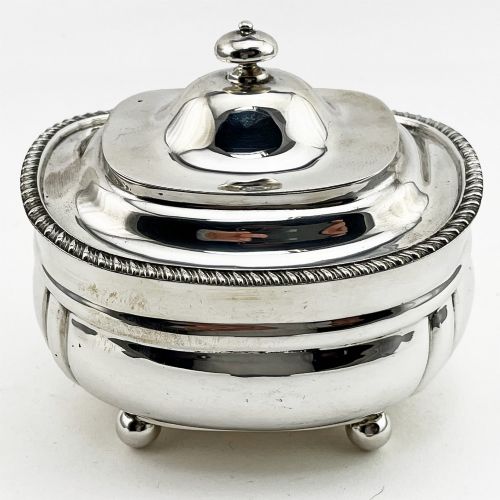
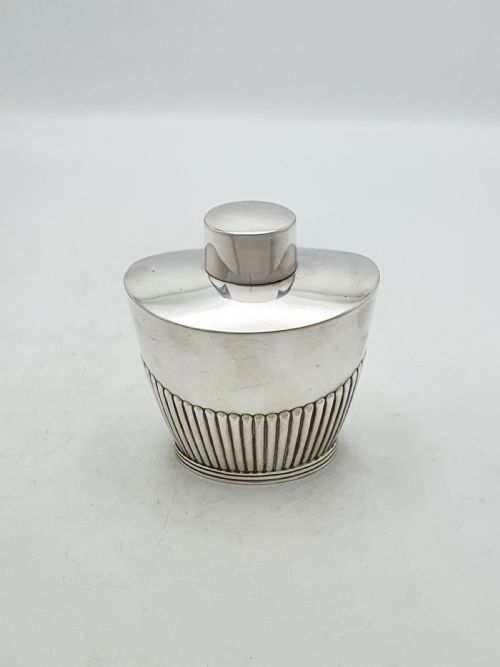
These vintage tea jars encompass everything from sterling silver caddies to earthenware canisters designed to keep leaves dry and fragrant on the parlour table.
Vintage Tea Jars
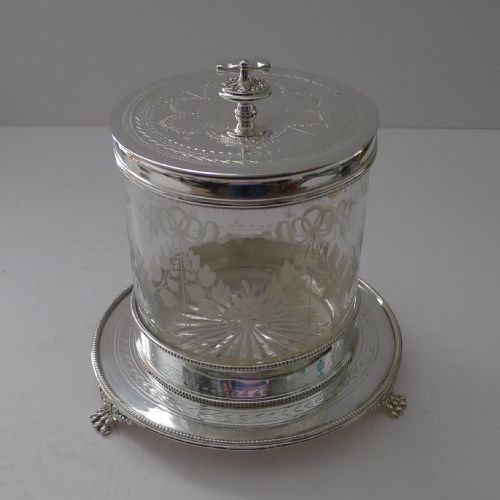
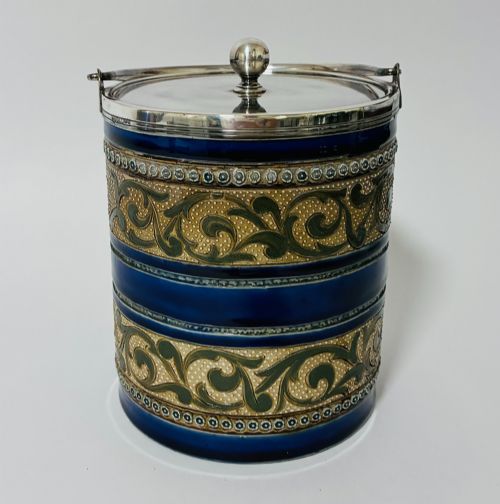
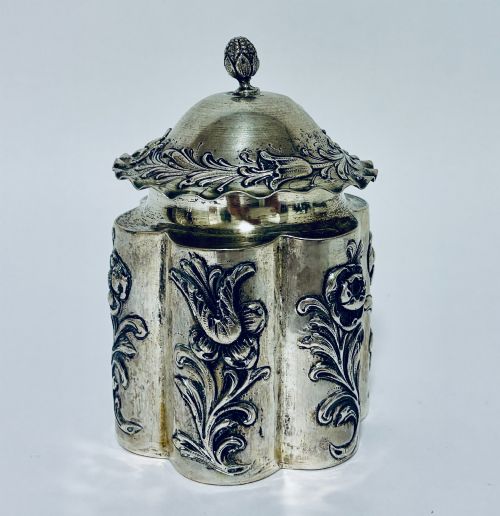
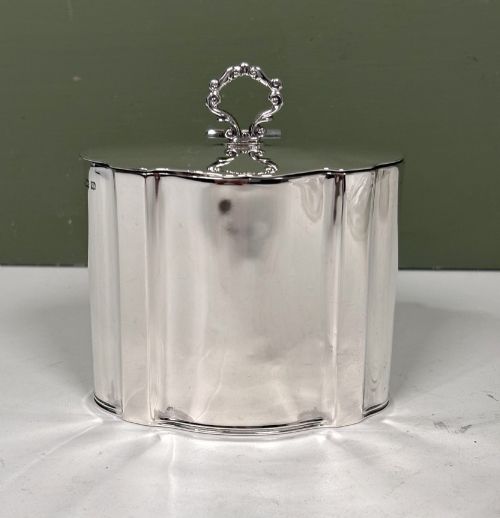
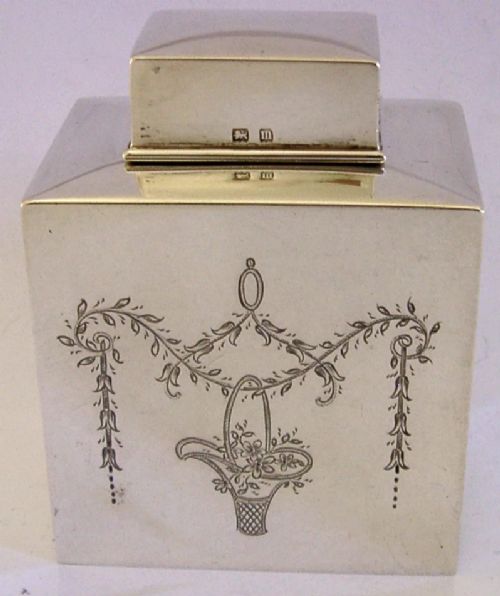
When you search for vintage tea jars, you encounter a varied selection of containers spanning the Georgian, Victorian and Edwardian eras, alongside pieces from the early twentieth century. These vessels take several forms, including traditional tea caddies, canisters, biscuit barrels and decorative spice pots.
The assortment relies heavily on British manufacturing traditions, though continental and Asian origins appear among the ceramics and metals. Makers utilised these jars for storing loose leaves, biscuits or provisions within formal dining rooms and drawing rooms.
Most examples originate from the late nineteenth and early twentieth centuries, reflecting the domestic habits of Edwardian and Victorian households. You will find that silver plate and sterling silver versions dominate alongside ceramic and glass alternatives.
How they were made
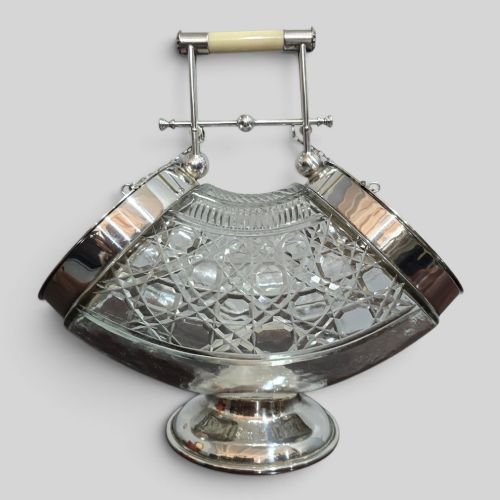
Metals form a major component of these pieces, with silversmiths hammering, chasing and plating sterling silver and silver plate over copper or brass bases. Cut glass and crystal appear frequently, often ground with hobnail patterns and fitted with hinged silver mounts.
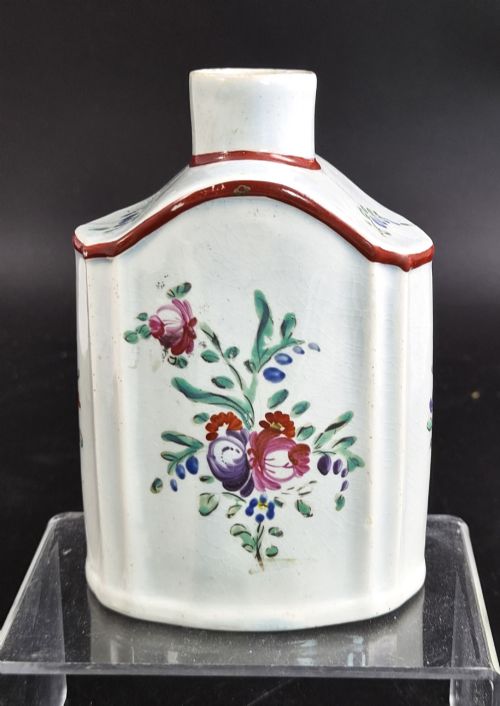
Ceramic examples combine earthenware and porcelain bodies shaped on the wheel or moulded before receiving handpainted floral enamels, transfer prints or rich blue and white glazes. Joiners also incorporated native timbers such as oak, employing coopered construction methods with brass banding.
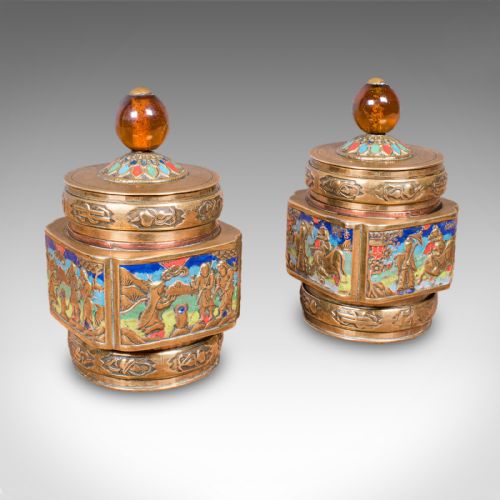
Gilding and gold leaf add decorative accents to porcelain surfaces and cast metal frames, while champlevé enamelling introduces coloured glass pastes into recessed metal channels.
Vintage Tea Jars Retail Price Guide 2026
Typical asking prices for vintage tea jars among the pieces listed under this phrase on Sellingantiques today, from the lower quarter to the upper quarter. They describe what is for sale here now, not the wider market.
Listings feature items dated from the eighteenth century through to the Edwardian period, constructed in sterling silver, brass, porcelain and oak.
What varies in quality
The distinction between ordinary and superior pieces rests on the weight of the metal, the crispness of the chasing and the clarity of the hallmarks stamped into the silver. Substantial gauge silver and deep, hand-chiseled detailing separate workshop triumphs from routine commercial output.
Ceramic quality shows in the fineness of the porcelain body, the precision of handpainted enamels and the preservation of original gilding without rubbing. Glass components display superior quality through heavy lead crystal blanks, deep wheel-cutting and unblemished surfaces.
The integrity of mechanical parts, such as tightly sealing lids, working locks with original keys and sturdy hinge pins, marks the difference between practical utility and exceptional craftsmanship.
Mappin & Webb·Doulton Lambeth·Carlton Ware·Thomas Hayes·William Hutton·John Grinsell & Sons·Zimmermann
The Vintage Tea Jars Glossary
- Tea caddy
- A small container designed specifically to store loose tea leaves securely. They often feature internal lids or lockable wooden and metal bodies.
- Biscuit barrel
- A ceramic or glass jar with a metal mount and hinged lid, used for serving dry biscuits in Victorian and Edwardian drawing rooms.
- Hallmark
- A series of official stamps struck into precious metals to guarantee purity, origin and the year of assay. These marks help date silver caddies precisely.
- Champlevé
- An enamelling technique where troughs are gouged into a metal surface and filled with vitreous enamel before firing. It creates vibrant decorative patterns on brass and bronze boxes.
- Sucrier
- A small open bowl or covered vessel designed to hold granulated or lump sugar during tea service. They match the materials and styles of contemporary tea canisters.
Vintage Tea Jars: Frequently Asked Questions
What is the difference between a tea caddy and a biscuit barrel?
Tea caddies are generally smaller vessels intended to store dry tea leaves safely, often including an internal secondary lid to preserve aroma.
Biscuit barrels are larger cylindrical containers made of ceramic or glass with metal mountings, designed to hold baked goods for parlour guests.
How do I date an antique silver tea jar?
You can date silver jars by examining the hallmarks stamped into the metal, which indicate the assay office, standard of silver and year of manufacture.
Stylistic cues such as Rococo Revival curves or Edwardian neoclassical motifs also help narrow down the decade of production.
Were these jars used daily or kept in storage?
Wealthy households kept tea leaves locked away because tea was an expensive commodity, meaning fine silver caddies spent time in the dining room under lock and key.
Biscuit barrels and ceramic canisters saw frequent use on tea tables during formal afternoon gatherings and family visits.
How should I clean silver plated tea jars?
Silver plated surfaces require gentle cleaning with a soft cloth and a specialised silver polish that avoids abrasive scrubbing.
Harsh chemical dips can strip thin vintage plating, so regular light dusting and careful maintenance preserve the original finish best.