



Vintage Tea Cup
A vintage tea cup brings tactile warmth to morning routines, offering an accessible route into centuries of ceramic design.
Vintage Tea Cup
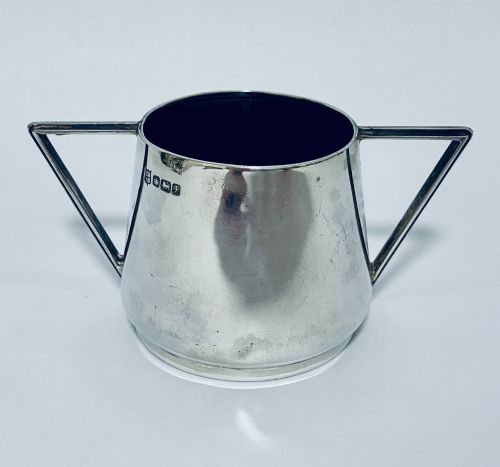
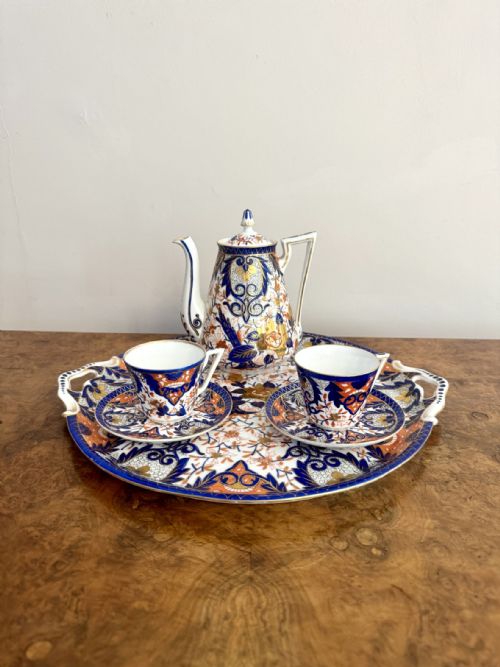
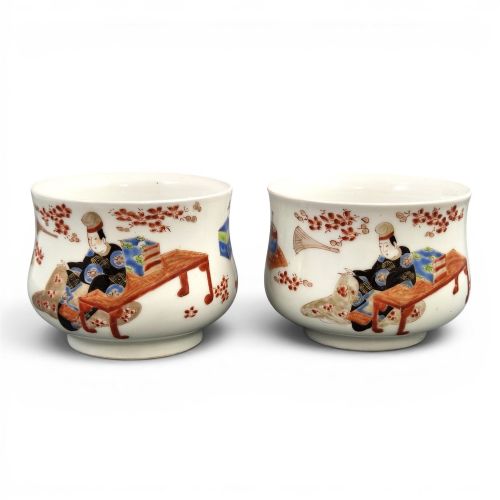
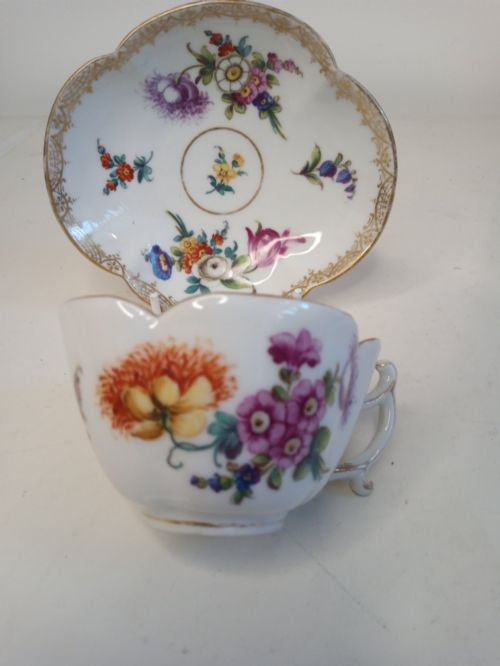
A vintage tea cup encompasses individual vessels, matched trios, and larger service sets spanning from the Georgian era through the Art Deco period. Buyers seeking a vintage tea cup will encounter forms ranging from delicate bone china vessels with saucers to robust earthenware bowls and silver-mounted coffee cans. These pieces arrive from English potteries, European factories, and Asian export workshops, reflecting diverse aesthetic movements.
The selection includes wares decorated with hand-painted motifs, transfer printing, and intricate enamel work. Sets frequently incorporate matching sugar bowls, tea services, and specialised strainers alongside the core cups and saucers. Collectors select these items for daily use, display cabinets, or afternoon tea gatherings.
Materials and methods in production
Potters and ceramists utilised porcelain, bone china, and earthenware as the foundational bodies for these drinking vessels. Skilled decorators applied hand-painted details, enamel, and transfer-printed patterns directly onto the ceramic surface before firing. Many examples incorporate gold leaf, gilding, and gold gilt accents along the rims and handles.
Metal components involve sterling silver mounts, often hallmarked to indicate origin and date. Glass cups feature specialised enamel decoration applied by studio artists.
Vintage Tea Cup Retail Price Guide 2026
Typical asking prices for vintage tea cup among the pieces listed under this phrase on Sellingantiques today, from the lower quarter to the upper quarter. They describe what is for sale here now, not the wider market.
Assessing quality in historical ceramics
Quality rests upon the fineness of the ceramic body and the precision of the hand-painted or transferred decoration. Superior examples display crisp, clear enamel work, balanced gilding, and well-proportioned handles that sit comfortably in the hand.
The reputation of the maker and the preservation of delicate surface details strongly influence the distinction between standard utilitarian wares and exceptional cabinet pieces.
Coalport·Royal Worcester·Gardner Porcelain Moscow·KPM Berlin·Hutschenreuter
The Vintage Tea Cup Glossary
- Bone china
- A type of porcelain incorporating bone ash, known for its high strength, chip resistance, and translucent quality.
- Tea trio
- A matched set consisting of a tea cup, a saucer, and a corresponding side or tea plate.
- Imari
- A style of Japanese porcelain featuring a distinct palette of underglaze blue, iron red, and gold.
- Gilding
- The application of gold leaf or powdered gold paint to ceramic surfaces for decorative enhancement.
- Enamel
- Opaque or translucent glass-like material fused to ceramics, glass, or metal through firing for colour decoration.
Vintage Tea Cup: Frequently Asked Questions
How do I date a vintage tea cup?
Dating relies on maker marks, pattern registrations, and stylistic indicators such as Art Deco geometric lines or Victorian floral motifs.
Examining the foot ring and paste composition also provides clues to the manufacturing period.
Can I use these cups for daily tea drinking?
Many sturdy bone china and porcelain pieces withstand careful daily use, provided they are washed by hand.
Pieces with extensive gold leaf or fragile enamel decoration are best reserved for special occasions.
What is the difference between a tea cup and a coffee can?
Coffee cans are typically taller, straighter, and narrower than traditional wide-rimmed tea cups.
They originated to accommodate stronger brews consumed after meals.
How should I store and display my collection?
Store cups securely in cabinets lined with felt or on dedicated cup stands to prevent rim chipping.
Avoid placing delicate painted wares in direct, prolonged sunlight to protect the pigments.