






Vintage Taxidermy Stag
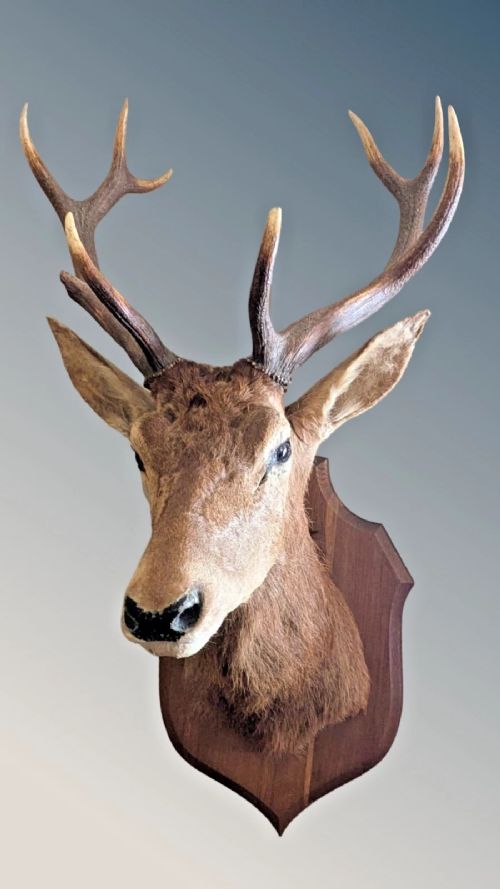
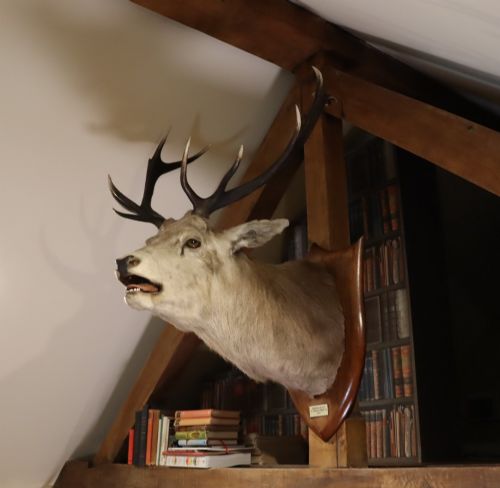
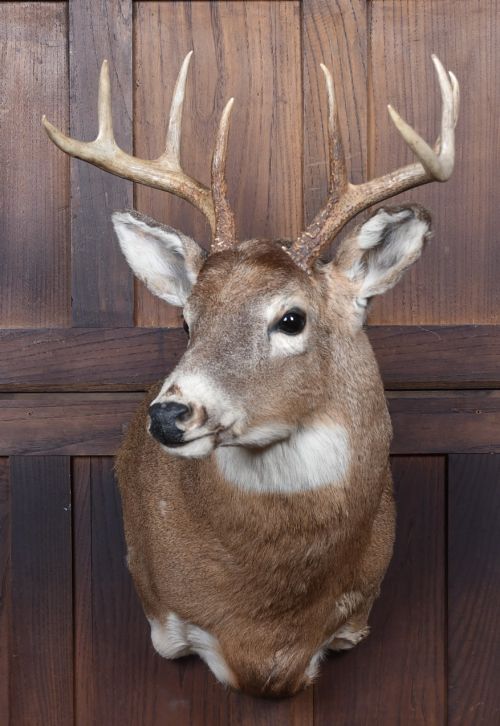
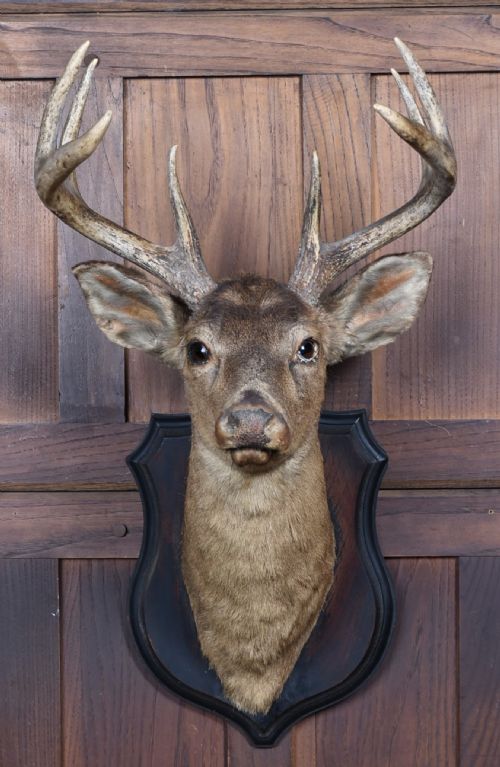
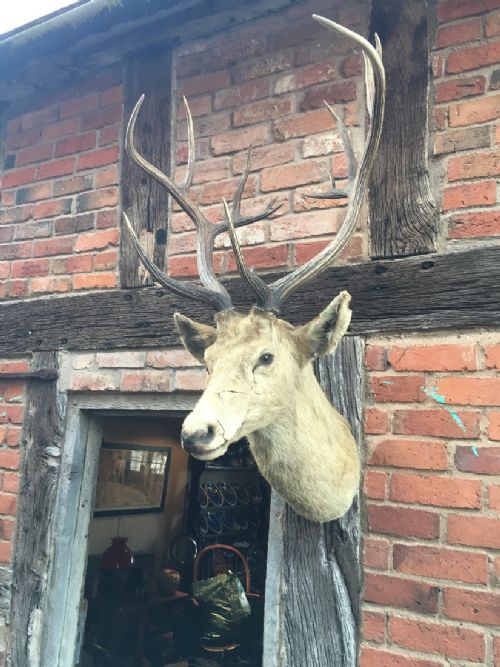
These vintage taxidermy stag mounts bring natural scale and historic character to a room.
Vintage Taxidermy Stag
When you search for vintage taxidermy stag, you encounter mounted heads, skull fragments, and antler trophies spanning the nineteenth and twentieth centuries. These pieces reflect historic sporting traditions and interior decoration styles from eras including the Victorian period, Edwardian period, and the 1920s and 1930s.
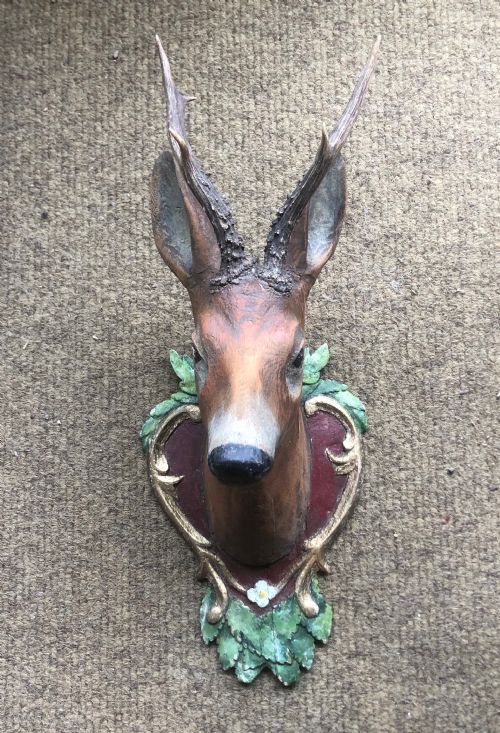
The most common formats on this page are wall-mounted heads and antler sets affixed to carved wooden shields. You will find Red Deer, roebuck, and white-tailed deer specimens presented in distinct regional aesthetics such as Black Forest and Highland traditional designs.
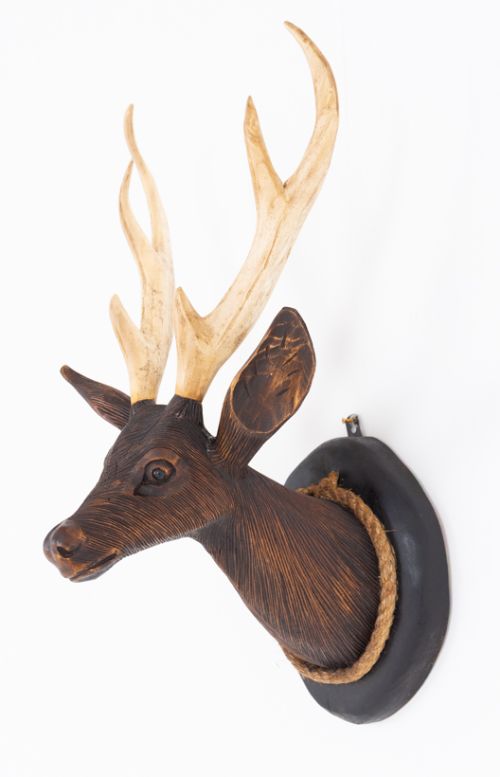
Beyond standard wall mounts, the selection includes functional items and folk art expressions incorporating natural antlers and carved wood. Each piece demonstrates the enduring appeal of natural history specimens in domestic spaces.
Materials and construction
Taxidermists and carvers utilised natural hide, bone, and antler mounted upon wooden backing boards and shields. Oak and carved wood serve as the primary foundational supports for many of the larger heads and antler sets.
Artisans employed glass for inset eyes in mounted heads, while carving techniques defined the detailed Black Forest style shields and foliate motifs. Natural hide and skull bone were preserved and mounted to replicate the living animal's presence.
Vintage Taxidermy Stag Retail Price Guide 2026
Typical asking prices for vintage taxidermy stag among the pieces listed under this phrase on Sellingantiques today, from the lower quarter to the upper quarter. They describe what is for sale here now, not the wider market.
One Swedish folk art deer brings painted charm to the collection, proving that even historic antlers appreciate a touch of colour.
Assessing quality and craftsmanship
Quality rests upon the preservation of the hide and antlers, alongside the depth and execution of the carved wooden shield. Finer specimens display meticulous taxidermy work that retains realistic facial structure and natural hair density.
The intricacy of the carved wood elements, such as oak shields with deep relief carving, separates standard factory mounts from superior decorative examples. The symmetry and point count of the antlers also influence the visual impact of the piece.
The Vintage Taxidermy Stag Glossary
- Black Forest
- A nineteenth-century decorative style originating from the wooded mountain region in Germany, characterised by deeply carved naturalistic motifs of animals and foliage. Pieces often feature realistic wildlife representations integrated into functional or decorative objects.
- Taxidermy mount
- The art of preserving and displaying an animal's skin and antlers upon a supportive form to create a lifelike representation. These mounts were popular in nineteenth and twentieth-century lodges and homes.
- Shield
- A wooden backing board, frequently carved with oak leaves or geometric borders, designed to display a mounted animal head or antlers securely on a wall. It provides both structural support and aesthetic framing.
- Red deer
- A large species of deer native to Britain and Europe, frequently featured in historic sporting trophies and Highland traditional taxidermy. Their prominent antlers form the basis of many large nineteenth-century wall displays.
- Point
- An individual branch or tine on a deer's antler, counted to describe the size and maturity of the trophy. Collectors often reference point counts when identifying specific red deer or white-tailed deer sets.
Vintage Taxidermy Stag: Frequently Asked Questions
What is Black Forest taxidermy?
Black Forest pieces originate from a distinct nineteenth-century carving tradition in Central Europe, known for highly detailed woodwork depicting animals and forest elements.
These items combine natural antlers or skulls with elaborate hand-carved wooden mounts featuring leaves, branches, and naturalistic textures.
How do I clean vintage taxidermy?
Maintenance involves gentle dusting with a soft, dry brush or a feather duster to remove surface particles without damaging the historic hide or hair.
Avoid using water, chemical sprays, or liquid cleaners on natural hide, bone, or carved wood surfaces.
How do I date a taxidermy stag?
Dating relies on examining the construction methods of the wooden backing shield, the mounting hardware, and the specific taxidermy techniques used.
Victorian and Edwardian pieces often feature older hand-sawn timber boards and traditional fixings that differ from later twentieth-century examples.
Are these ethical pieces?
The pieces available are vintage and antique items sourced from historic collections, sporting estates, and past domestic interiors.
They represent historical craft and natural history traditions from the nineteenth and early twentieth centuries rather than contemporary trade.