






Vintage Tavern Furniture
Vintage tavern furniture brings authentic hospitality home, offering robust wooden benches and sturdy iron tables shaped by hard public house use.
Vintage Tavern Furniture
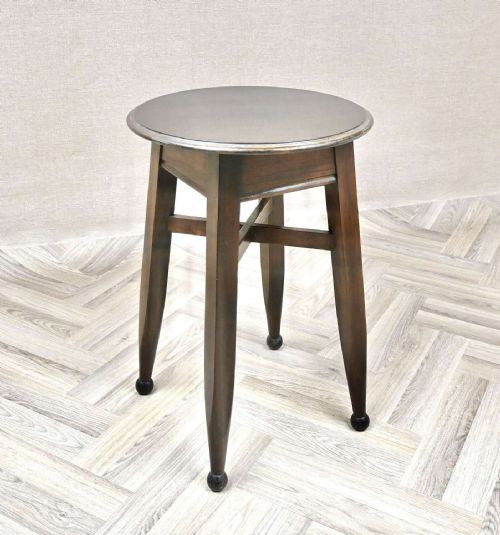
Vintage tavern furniture comprises sturdy tables, benches, stools, and sideboards built for commercial drinking and dining establishments. Buyers seeking vintage tavern furniture typically encounter robust pine and oak tables paired with heavy cast iron bases.
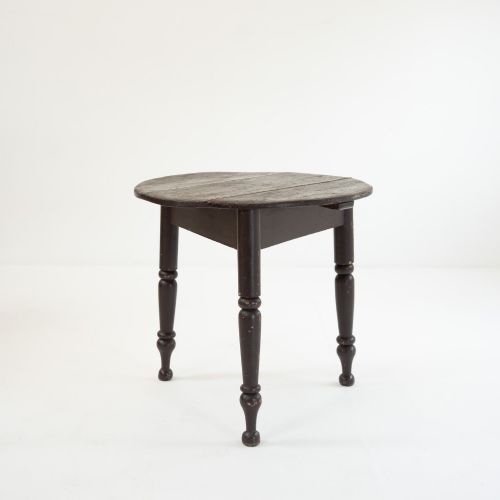
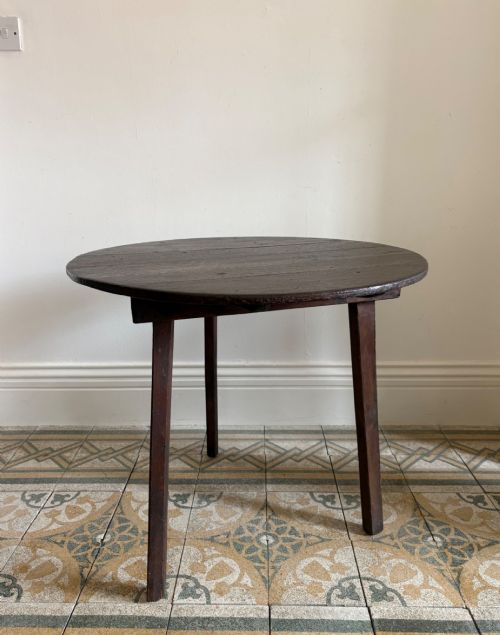
The material selection ranges from painted pine cricket tables to mahogany top pub tables and long oak refectory benches. Pieces span the nineteenth century up to the art deco period, reflecting varied regional traditions from English country to French provincial styles.
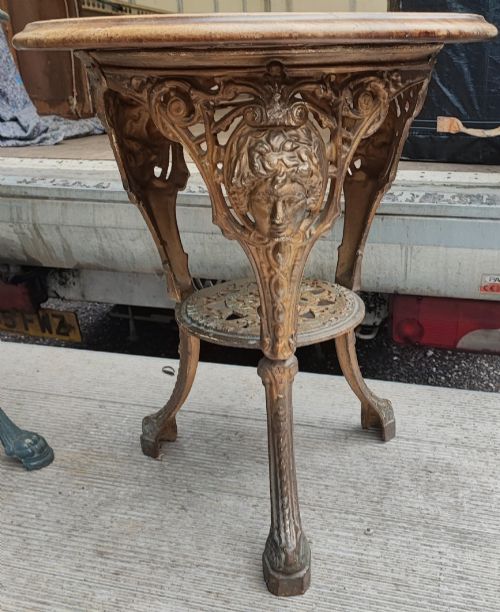
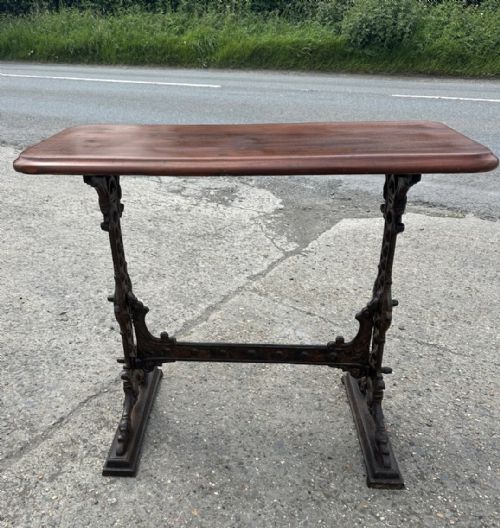
Common forms include compact side tables, round pub tables featuring Britannia bases, and long wooden benches designed for alehouses. These utilitarian items served heavy daily traffic in public houses, resulting in honest signs of past commercial service.
Materials and construction
Construction relies on durable domestic timbers like pine, oak, sycamore, elm, and mahogany, often combining plank tops with turned wooden bases or heavy cast iron supports. Cast iron componentry provides the necessary ballast for commercial pub tables, while wooden joints utilise straightforward pegging and framing.
Many surfaces retain early painted finishes or natural patination built up through decades of daily use in public houses. Timber tops display plain plank construction or solid mahogany slabs secured to stable underframes.
Vintage Tavern Furniture Retail Price Guide 2026
Typical asking prices for vintage tavern furniture among the pieces listed under this phrase on Sellingantiques today, from the lower quarter to the upper quarter. They describe what is for sale here now, not the wider market.
Listings feature nineteenth century pine, oak, and cast iron pieces spanning rustic farmhouse and Victorian country styles.
Assessing quality and character
Quality rests in the integrity of the original timber and the retention of honest surface patination, such as aged paint or worn wooden grain. Superior examples combine structural soundness with genuine commercial provenance.
The refinement of the base construction, whether a finely cast iron Britannia design or a well-turned wooden leg arrangement, distinguishes standard utility pieces from more considered workshop productions.
The Vintage Tavern Furniture Glossary
- Britannia base
- A heavy cast iron table support featuring the seated figure of Britannia, commonly found on nineteenth century pub tables. This design provided essential weight to prevent tipping in busy drinking establishments.
- Cricket table
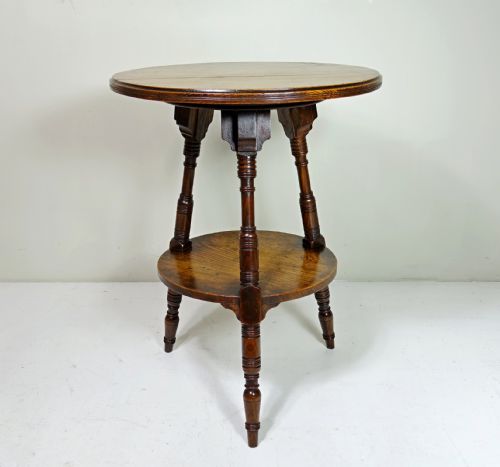
- A small, lightweight occasional table typically supported by three splayed legs and a triangular or round wooden top. The three-legged construction maintained stability on uneven stone or timber tavern floors.
- Refectory table
- A long, narrow dining table traditionally used in communal halls and later adopted for large tavern spaces. They feature substantial wooden planks supported by trestles or robust legs.
- Chiffonier
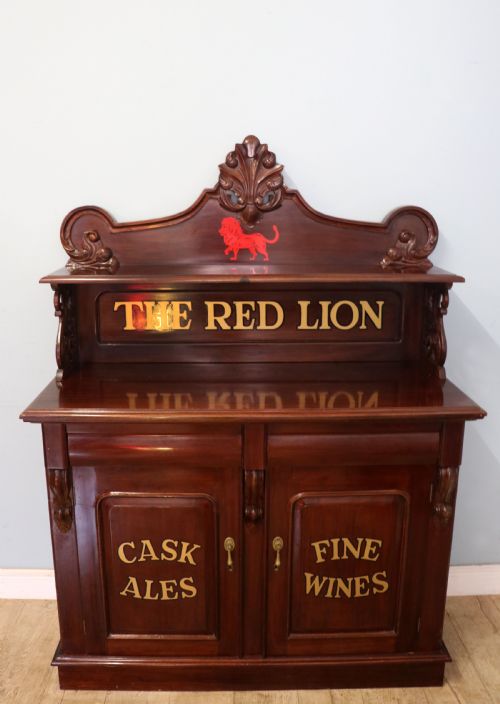
- A compact sideboard or low cupboard featuring shelving or drawers, sometimes adapted with signage for public houses. These pieces served to store glassware and serving equipment in hospitality settings.
- Vernacular style
- Furniture made by local craftsmen using regional materials and traditional building methods rather than high academic designs. This approach prioritises utilitarian function and local timber availability.
Vintage Tavern Furniture: Frequently Asked Questions
What defines a genuine pub table?
Genuine pub tables feature heavy cast iron or sturdy wooden underframes designed to withstand the rigours of commercial hospitality. They often show clear signs of past wear on the top surfaces from daily use.
Look for solid timber tops, such as mahogany or planked pine, securely fastened to stable bases that provided reliable service in nineteenth-century alehouses.
How do I care for rustic pine furniture?
Rustic pine requires gentle cleaning with a soft cloth and mild soap to preserve the aged surface patination. Avoid harsh chemical cleaners that strip away historical character.
Maintain stable indoor humidity levels to prevent the old timbers from splitting or warping over time, allowing the natural wax or paint finish to age gracefully.
Where were cricket tables used?
Cricket tables served versatile roles in domestic and public interiors as small occasional tables for drinks or reading materials. Their three-legged design kept them stable on uneven floors.
In tavern settings, these compact tables provided flexible surface space that staff could easily move around to accommodate patrons.
Can I use tavern benches outdoors?
Historic tavern benches were built for indoor commercial use and lack weather-resistant treatments suited for permanent outdoor exposure. Moisture and temperature fluctuations will damage the old timbers and historic finishes.
Keep these pieces inside dry living spaces or covered environments to protect the original pine, oak, and painted surfaces from deterioration.