




Vintage Tapestry Embroidery Frame
A vintage tapestry embroidery frame secures needlework and woven pictures behind glass or within stretchers, bringing centuries of hand-stitched character into a room.
Vintage Tapestry Embroidery Frame
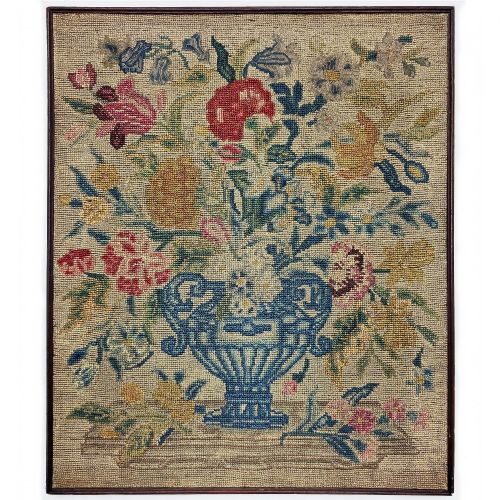
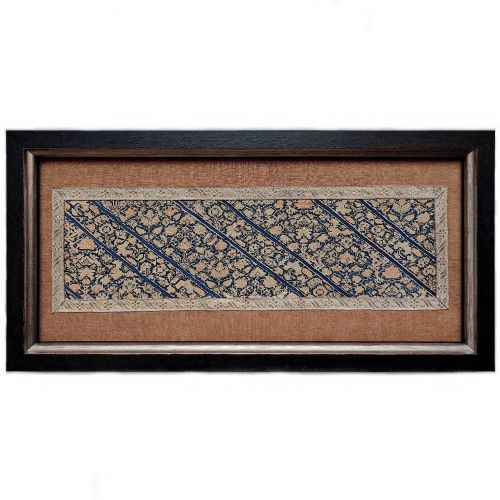
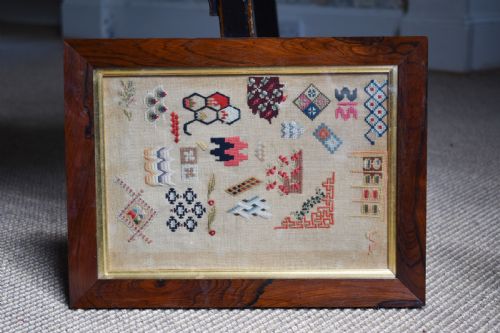
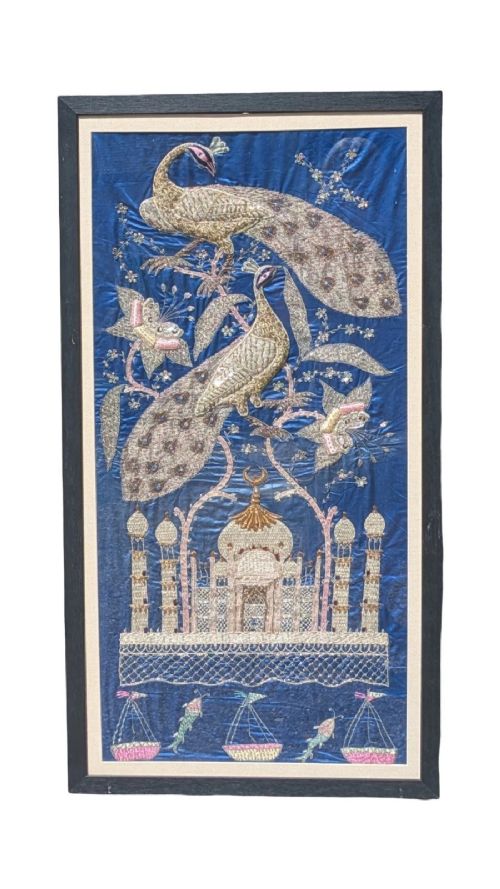
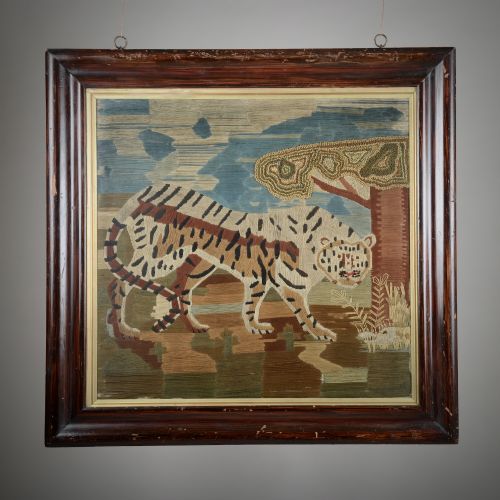
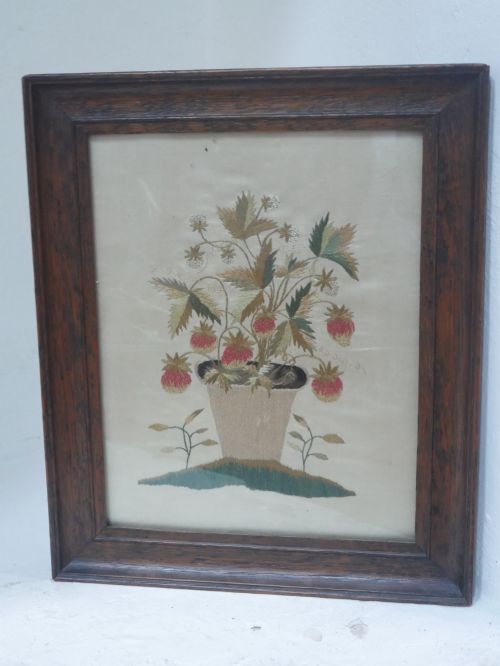
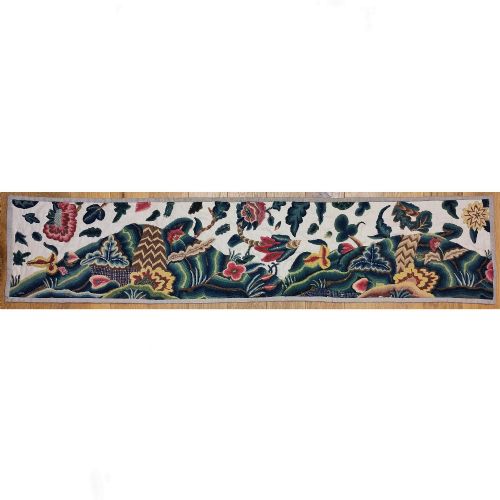
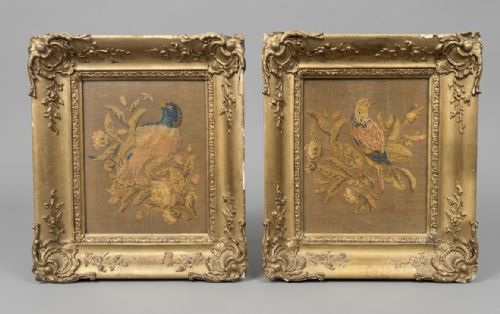
A vintage tapestry embroidery frame encompasses framed textile art, needlework samplers, and stretched wool or silk panels originating from periods such as the seventeenth, eighteenth, and nineteenth centuries. You encounter various formats on this page, ranging from adjustable wooden stretchers designed for needlepoint work to heavily framed pictorial panels depicting classical scenes, animals, or flora.
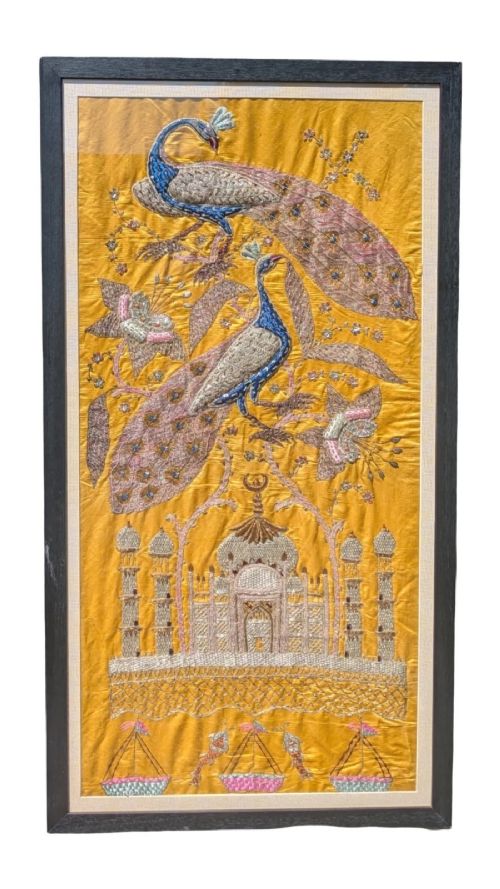
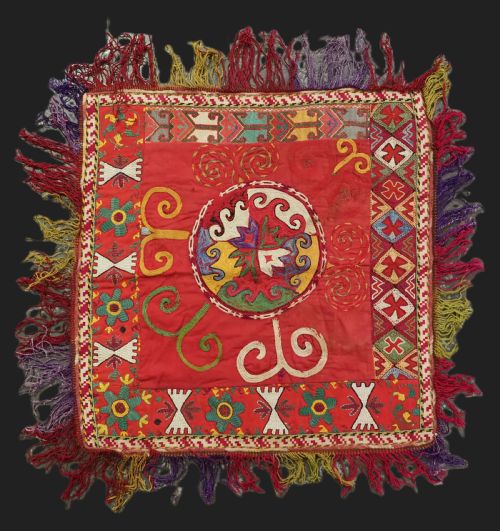
The selections span English crewelwork, Indian silk embroidery, and Central Asian tribal hangings alongside domestic samplers worked by young makers. Many pieces arrive ready to hang as wall art, preserving historical textile techniques within structured wooden or gilt frames.
Materials and construction methods
Maker execution relies on natural supports like linen, canvas, and silk stretched over wooden frames or housed in mahogany and gilt wood surrounds. Artisans worked wool, silk, glass beads, and metallic threads into intricate pictorial compositions.
Structural elements include adjustable floor or table stretchers designed to keep fabric taut during stitching, alongside permanent frames added later to protect delicate woolwork and needlework pictures.
Vintage Tapestry Embroidery Frame Retail Price Guide 2026
Typical asking prices for vintage tapestry embroidery frame among the pieces listed under this phrase on Sellingantiques today, from the lower quarter to the upper quarter. They describe what is for sale here now, not the wider market.
Current listings incorporate wool, silk, linen, glass, mahogany, and gilt wood across pieces dated from the seventeenth century through to the nineteen-thirties.
Distinctions in quality and execution
Quality separates through the tightness of the stitch, the complexity of the pictorial design, and the survival of the original ground fabric. Finer examples display meticulous shading in wool or silk, while simpler pieces rely on bold folk art repetition.
The relationship between the textile and its housing matters significantly, with period wooden frames and protective glass housings preserving the condition of fragile seventeenth and eighteenth-century panels against environmental wear.
The Vintage Tapestry Embroidery Frame Glossary
- Sampler
- A piece of needlework produced as a demonstration or test of skill, often featuring alphabets, numerals, and decorative motifs stitched by young makers.
- Crewelwork
- Embroidery executed with wool yarn on a linen or cotton twill ground, traditionally associated with Jacobean and later English styles.
- Gros-point
- A type of needlepoint stitch worked on coarse canvas, producing durable geometric or pictorial wool pictures.
- Stretcher
- A wooden frame used to keep canvas or linen taut during the embroidery process, sometimes retained as a display mount.
- Gilt wood
- Wood coated with a thin layer of gold leaf or gesso paint, frequently utilised for nineteenth-century picture frames.
Vintage Tapestry Embroidery Frame: Frequently Asked Questions
How do I hang a heavy framed needlework piece?
Ensure your wall fixings match the weight of the timber frame and glass, using sturdy picture wire secured to heavy-duty screw eyes.
Keep textile art away from direct sunlight and damp environments to protect the underlying wool or silk fibres.
Are these frames adjustable for modern needlework?
Some antique stretcher frames retain functional wooden screws and tension mechanisms designed for working textiles by hand.
Most items listed are sold as finished decorative objects rather than active tools for current stitching projects.
How do I identify a seventeenth-century textile panel?
Early pieces often feature distinct crewelwork motifs, coarse hand-spun linen grounds, and archaic subject matter such as grotesque masks or biblical scenes.
Examine the reverse of the panel for hand-forged pins or aged timber stretcher bars consistent with early building methods.
Can I clean the glass on a framed wool picture?
Wipe the exterior glass gently with a standard window cleaner applied to a cloth rather than directly onto the frame.
Avoid spraying liquid near the rebate where moisture could seep inside and damage the vulnerable embroidery fibres.