

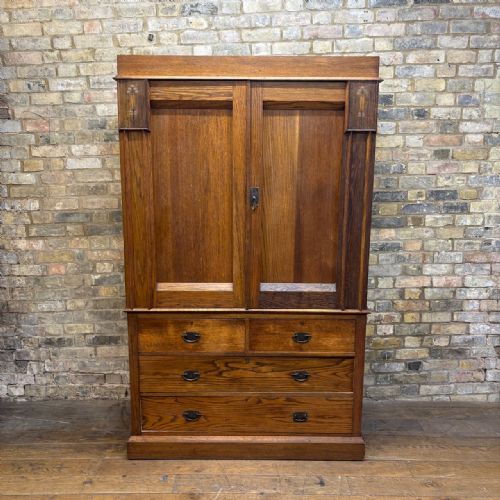
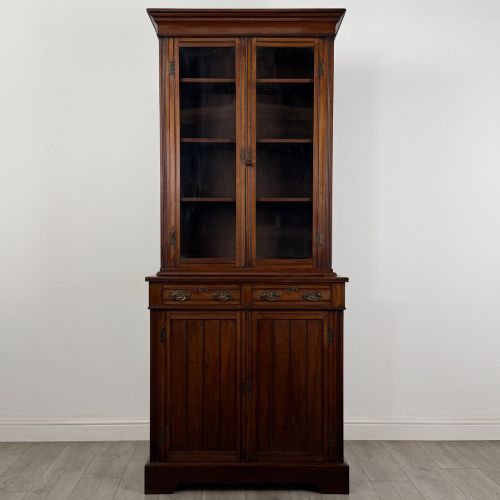
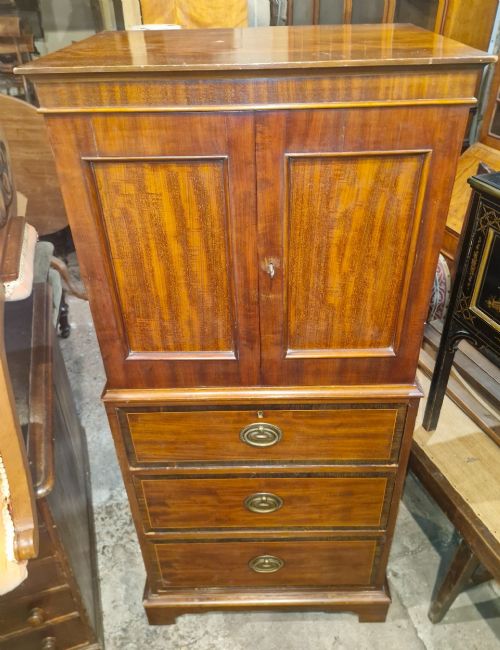
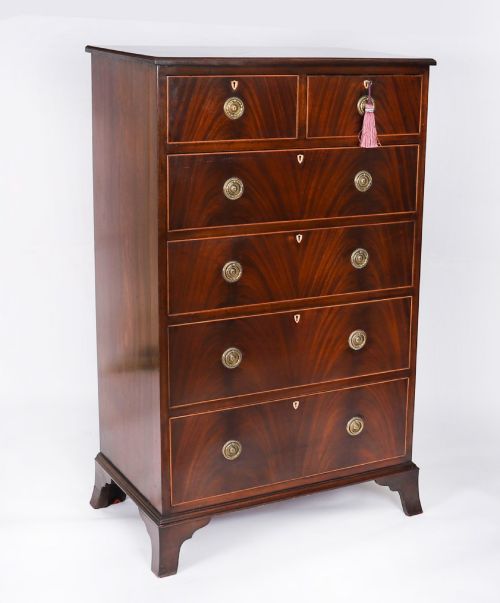
Vintage Tall Drawers
Vintage tall drawers deliver upright storage capacity, combining historical timber character with practical vertical footprints for modern rooms.
Vintage Tall Drawers
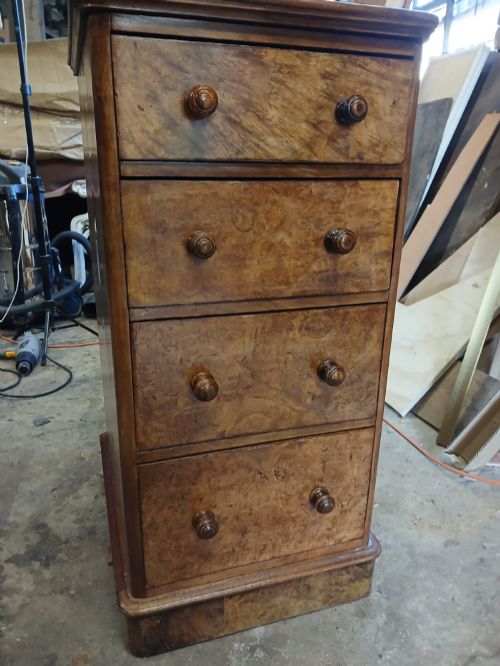
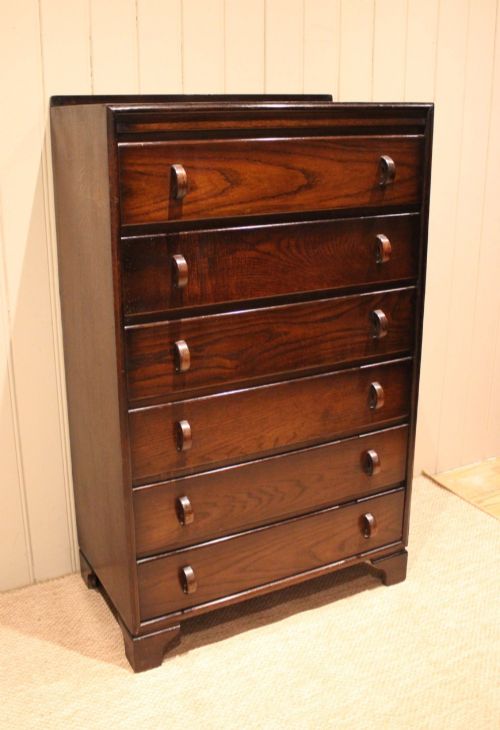
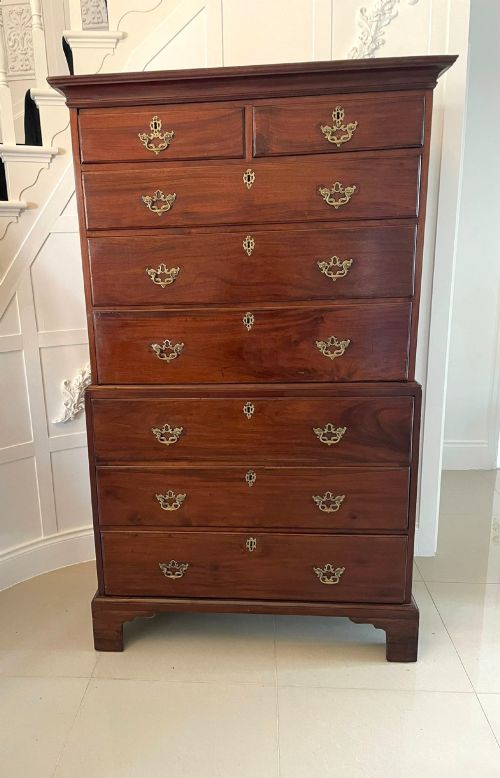
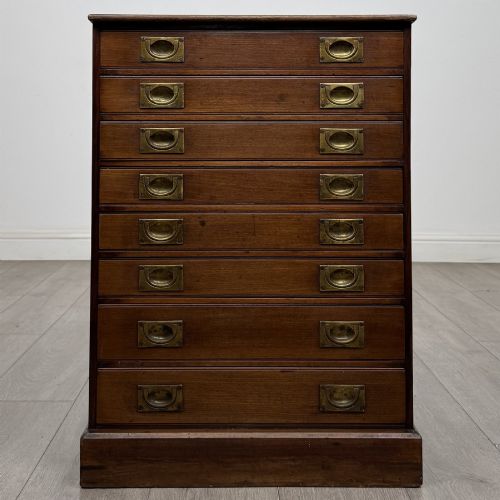
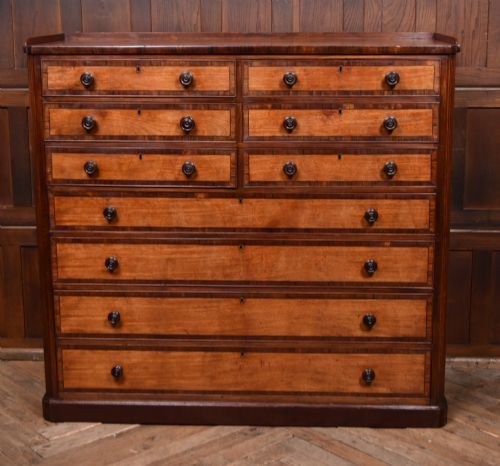
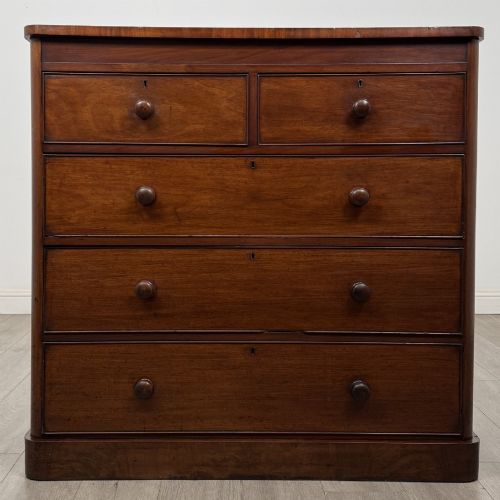
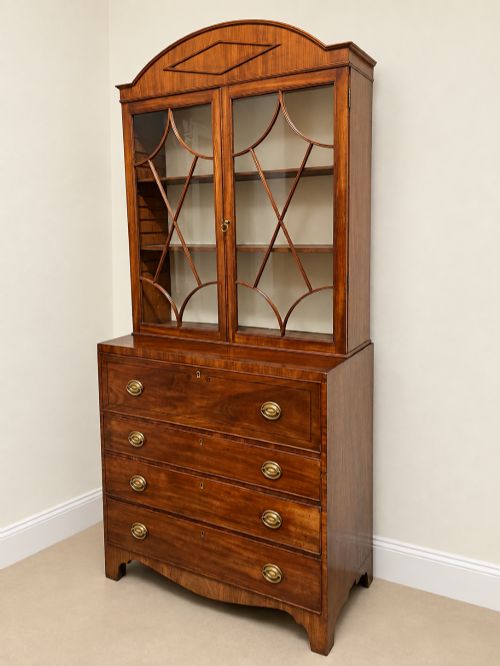
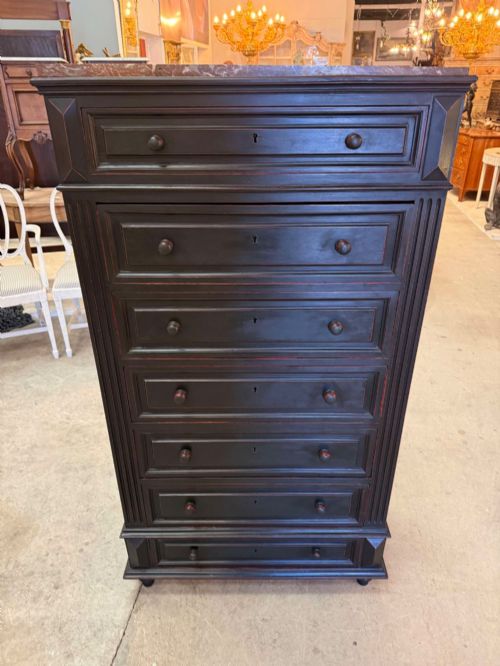
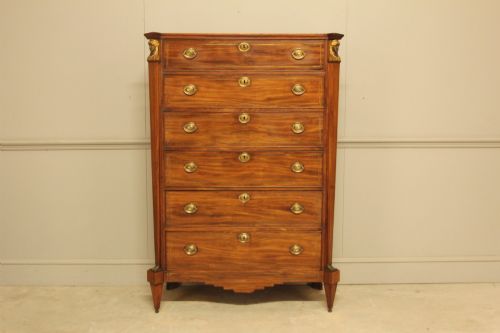
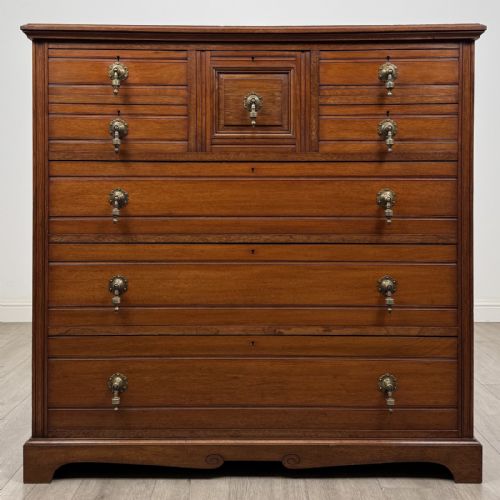
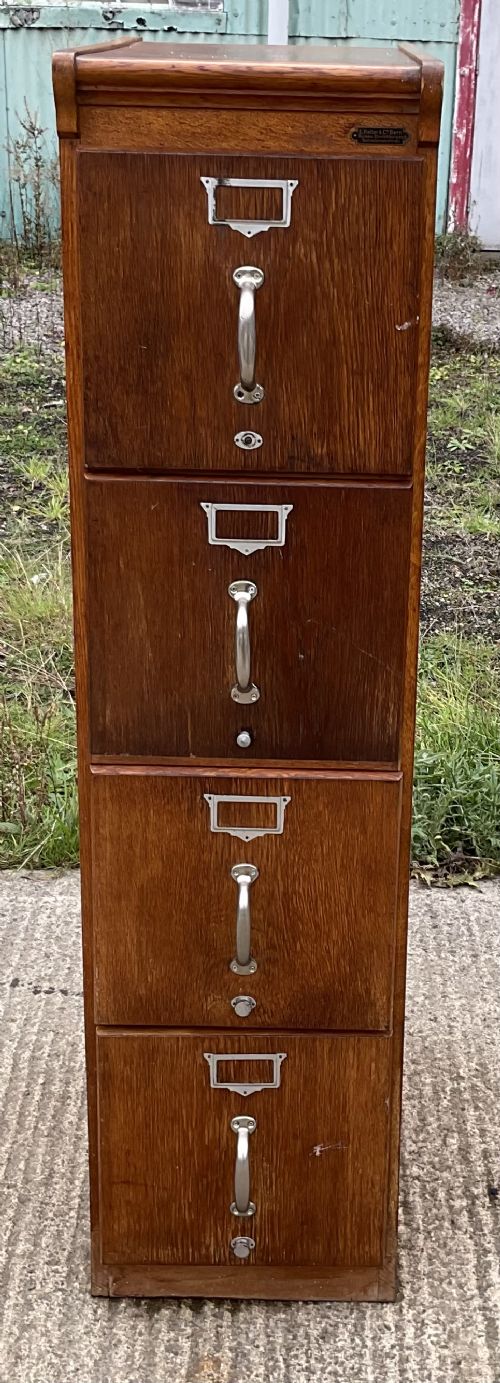
When searching for vintage tall drawers, buyers encounter vertical storage solutions designed to maximise floor space while offering deep capacity. These pieces span multiple historical eras, including Georgian, Victorian, and Edwardian periods.
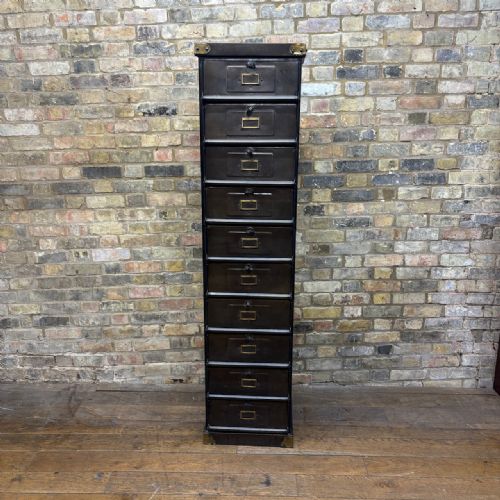
The most common formats on this page include tallboys, Wellington chests, and multi-drawer oak filing units. Mahogany and oak dominate the construction materials across these various forms.
Origin points range from British workshops to French provincial makers, incorporating regional design traits such as satinwood inlay or brass hardware.
Materials and construction methods
Cabinet makers utilised dense hardwoods such as mahogany, oak, and walnut to build the primary carcass and structural frames. Burr walnut and flame mahogany veneers frequently face the drawer fronts to provide decorative grain patterns.
Secondary timbers like pine appear inside drawer boxes and on internal framing components. Brass handles, escutcheons, and glass panelling complete the construction across the different styles.
Vintage Tall Drawers Retail Price Guide 2026
Typical asking prices for vintage tall drawers among the pieces listed under this phrase on Sellingantiques today, from the lower quarter to the upper quarter. They describe what is for sale here now, not the wider market.
Wellington chests were named after the Iron Duke because their locking side bars kept confidential military dispatches securely tucked away from prying eyes.
Quality variations in tall storage
Superior examples demonstrate precise timber selection, matching grain patterns symmetrically across multiple drawer fronts. Cabinet makers achieved this through careful slicing of burr walnut or flame mahogany veneers.
The integrity of internal construction separates standard pieces from finer ones. Smooth drawer runners, hand-cut dovetail joints, and substantial brass hardware indicate superior workshop standards.
The Vintage Tall Drawers Glossary
- Tallboy
- A tall chest of drawers, often constructed as a chest on chest or a single towering cabinet. This form provides substantial vertical storage.
- Wellington chest
- A tall, narrow chest featuring a hinged locking side stile that secures all drawers simultaneously. These typically contain six to eight shallow drawers.
- Semainier
- A French tall chest traditionally built with seven drawers, one for each day of the week. They often utilise mahogany or burr walnut veneers.
- Dovetail joint
- An interlocking woodworking joint utilised to connect drawer sides to drawer fronts and backs. Hand-cut variations indicate older craftsmanship.
- Escutcheon
- A protective plate surrounding a keyhole, frequently cast from brass. These hardware elements often match the drawer pulls on period furniture.
Vintage Tall Drawers: Frequently Asked Questions
Where should I place a tall chest?
These vertical units suit bedrooms, hallways, or studies where floor space is restricted. Their height allows them to utilise vertical wall space effectively without dominating the room.
Ensure you secure taller items to the wall using appropriate anti-tip brackets to maintain stability during daily use.
How do I clean mahogany surfaces?
Dust timber regularly with a soft, dry cloth to prevent particulate buildup on the polish. Avoid using silicone sprays or harsh chemical cleaners that can degrade antique finishes.
Apply a traditional beeswax polish occasionally to nourish the wood and maintain its natural lustre.
What is a Wellington chest?
A Wellington chest is a narrow, vertical drawer unit featuring a locking locking flap on one side. This hinged stile secures every drawer in place when locked.
Originating in the 19th century, this design allowed owners to secure valuables safely within a compact footprint.
How do I identify Georgian furniture?
Georgian pieces generally exhibit solid mahogany or oak construction with restrained classical proportions. Cabinet makers of this era focused on timber figure and understated bracket feet.
Look for hand-cut dovetails and traditional secondary woods inside the drawers to confirm the period.