




Vintage Tableware Gifts
Vintage tableware gifts comprise sterling silver napkin rings, mugs, and menu holders spanning Georgian to Mid-Century periods, offering tactile charm and utility for modern dining.
Vintage Tableware Gifts
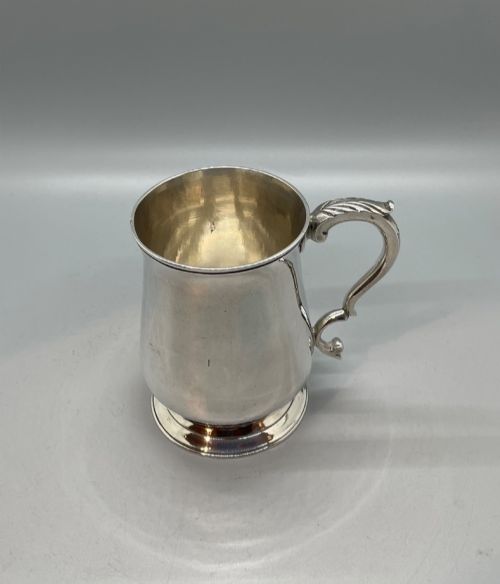
When buyers search for vintage tableware gifts, they encounter functional silver pieces designed for dining and entertaining. The selection focuses heavily on napkin rings, along with select mugs and menu holders.
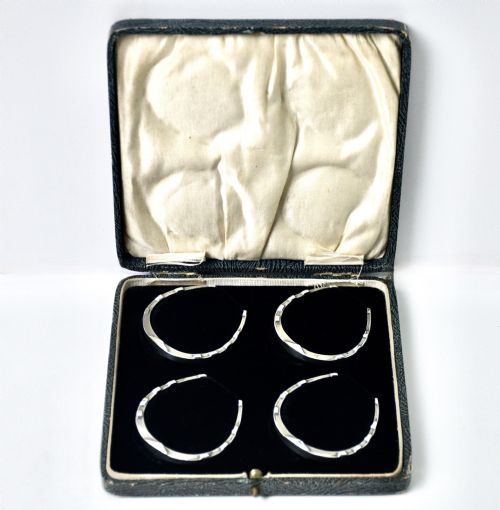
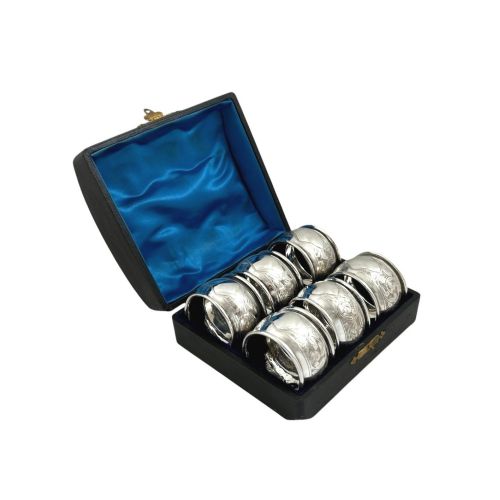
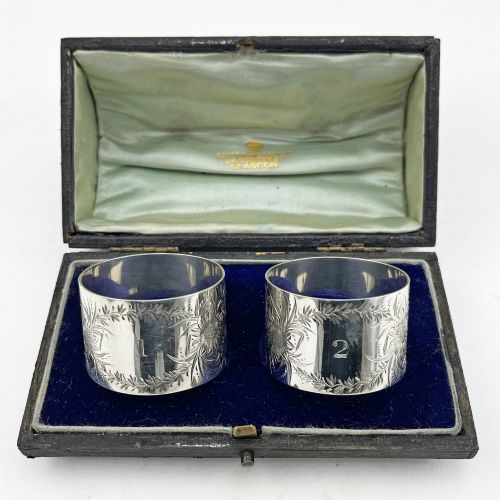
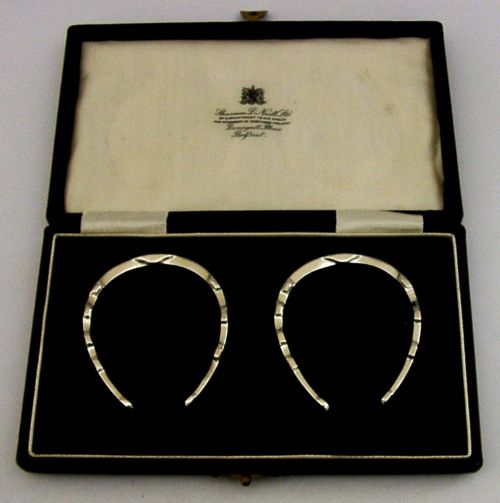
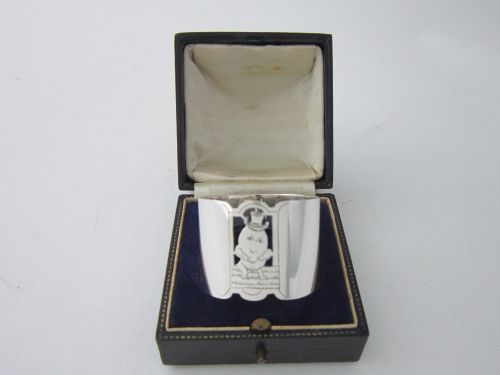
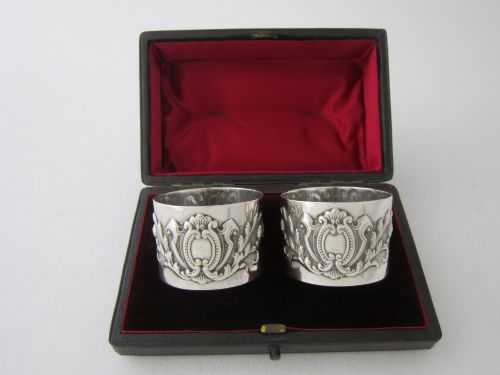
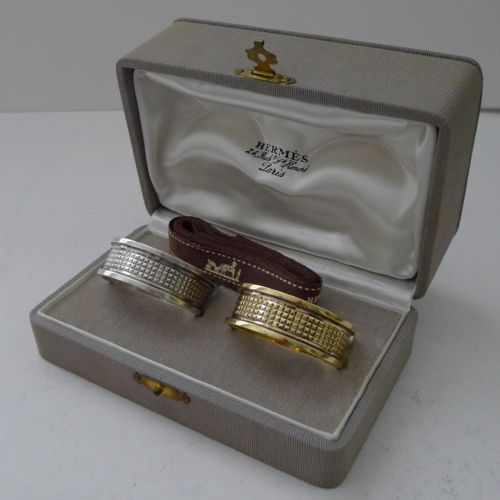
The most common forms on this page are boxed pairs and sets of sterling silver napkin rings. These often arrive in fitted cases lined with silk, velvet, satin, or leatherette.
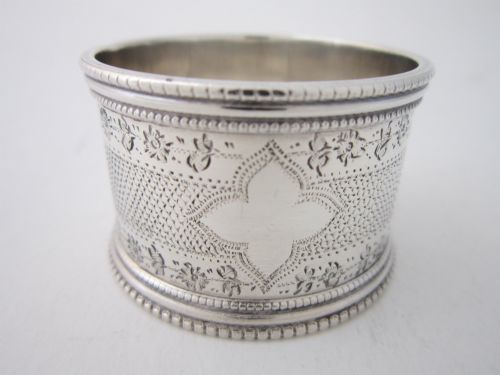
The objects span multiple eras, including Georgian, Victorian, Edwardian, George V, and Mid-Century British periods. Pieces range from plain banded silver to elaborate equestrian novelty designs.
Materials and construction
The construction relies primarily on solid sterling silver and silver gilt, shaped into cylindrical napkin rings or cast into dimensional forms. Equestrian novelty items utilise detailed casting techniques to mimic horse shoes and stirrups.
Presentation cases are constructed from leather or leatherette exteriors housing protective interiors of satin, silk, and velvet. These fitted boxes secure the silver components for gifting and storage.
Vintage Tableware Gifts Retail Price Guide 2026
Typical asking prices for vintage tableware gifts among the pieces listed under this phrase on Sellingantiques today, from the lower quarter to the upper quarter. They describe what is for sale here now, not the wider market.
Some napkin rings are cast precisely as horse stirrups, allowing diners to literally bridle their napkins.
Evaluating quality in silver tableware
Quality separates standard utilitarian items from exceptional presentation sets by the completeness of their original fitted cases and lining materials. Sets that retain their matching silk or velvet interiors command stronger interest.
The distinction also lies in the crispness of casting detail on novelty pieces, particularly equestrian motifs like horse shoes and stirrups. Substantial silver weight and clear hallmarks denoting specific makers add further distinction.
Hermes Paris·C.T. Burrows & Sons
The Vintage Tableware Gifts Glossary
- Sterling silver
- An alloy containing 925 parts of silver per 1000 parts of other metals, standard for British tableware. This standard ensures durability and longevity for items intended for regular use.
- Silver gilt
- Sterling silver that has been coated with a thin layer of gold on the surface. This technique provides a rich two-tone appearance inside or outside the object.
- Equestrian novelty
- An item shaped to represent riding equipment, such as stirrups or horse shoes. These thematic designs reflect the sporting interests popular in British social history.
- Cased set
- A collection of tableware housed in a custom-fitted protective box. These presentation boxes often feature hinged lids and soft fabric linings.
- Hallmark
- A series of stamped marks on precious metals indicating the standard of purity, the assay office, and the year of manufacture. These symbols authenticate the origin of British silver.
Vintage Tableware Gifts: Frequently Asked Questions
What items count as vintage tableware gifts?
Vintage tableware gifts consist primarily of sterling silver napkin rings, christening mugs, and place name holders. These items range from simple Victorian bands to novelty equestrian designs.
Many of these pieces are preserved in original fitted presentation cases lined with silk or velvet. They serve both decorative and practical functions on the dining table.
How were silver napkin rings used historically?
Silver napkin rings were used in homes to identify individual napkins between laundry cycles. Each family member or guest had a distinct ring for daily use.
Over time, matching sets became popular for formal dining and as wedding or christening presents. Cased pairs and sets reflect this tradition of gifting durable silver.
How do I care for silver tableware?
Silver tableware requires gentle cleaning with a specialised silver cloth or mild polish to remove tarnish. Regular use actually helps prevent tarnish from accumulating deeply.
Storing pieces in their original fitted cases away from direct sunlight protects both the silver and the delicate interior fabrics.
How can I tell the period of a piece?
The period of a silver item is typically identified through official hallmarks stamped into the metal. These marks indicate the assay office and date letter for the year of production.
Stylistic elements, such as Art Deco geometric lines or Victorian ornamentation, also provide clues to the era of manufacture.