







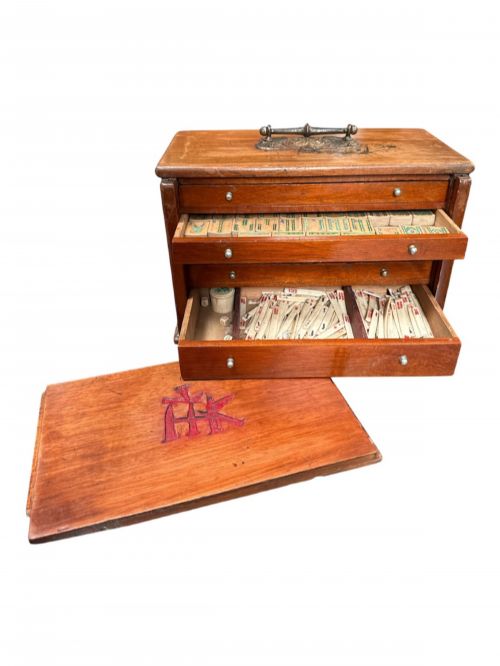

Vintage Tabletop Cabinet
A vintage tabletop cabinet brings compact storage and display to a desk or counter, drawing collectors with its blend of utility and fine craftsmanship.
Vintage Tabletop Cabinet
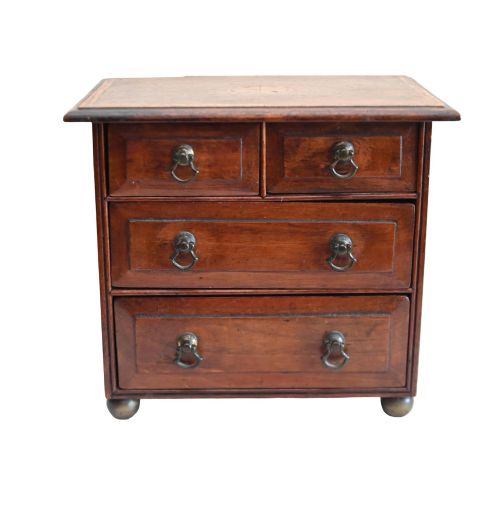
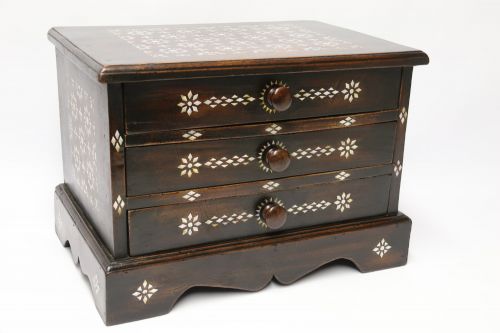
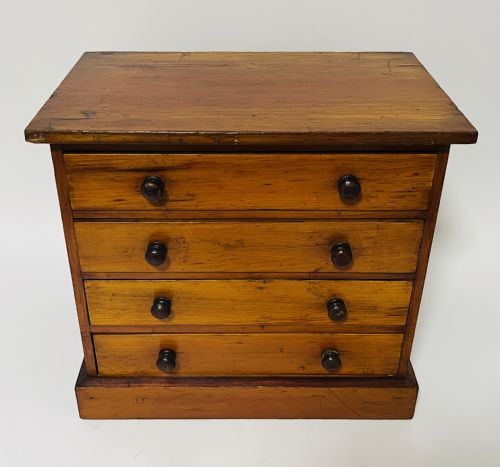
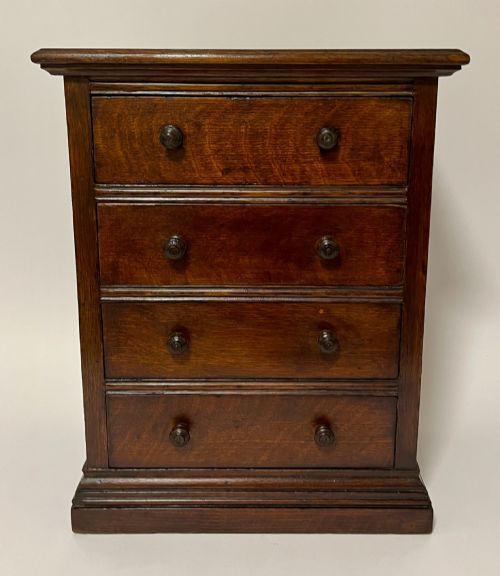
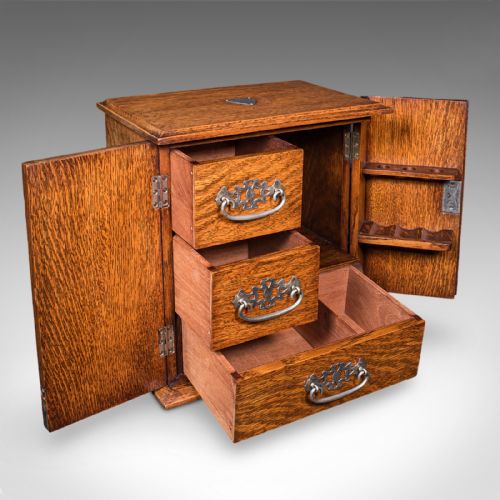
A vintage tabletop cabinet encompasses a diverse group of small-scale furniture designed for desktop use, counters, and tabletops. These pieces include miniature chests of drawers, display cases, countertop shop cabinets, spice drawers, and specialised storage for jewellery, cigars, and stationery.
The selection on this page spans several centuries, reaching from the 18th century through the Victorian and Edwardian eras into the 1920s and 1930s. Common structural formats include glazed display boxes, multi-drawer apothecary units, and miniature furniture designed as apprentice pieces or salesman samples.
Geographic origins and stylistic influences vary widely across the inventory, featuring English Georgian Revival designs, French Country pieces, Japanese black lacquered items, and Anglo-Indian hardwood chests. Buyers encounter both utilitarian shop fittings and domestic luxury items housed in compact frames.
Materials and Construction
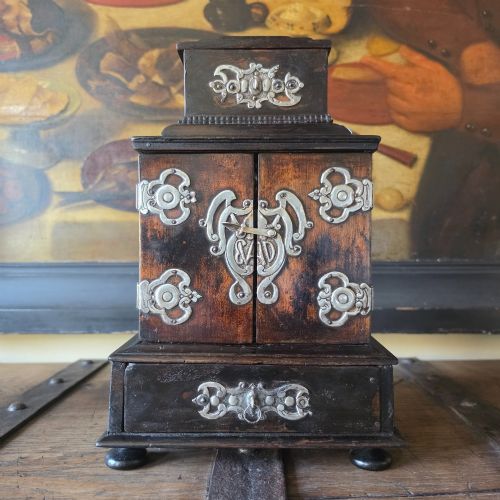
Cabinetmakers utilised durable hardwoods such as mahogany, oak, walnut, burr elm, and fruitwood alongside softer timbers like pine. Finer examples feature intricate inlays, ebonised finishes, or black lacquer, while utilitarian shop fittings rely on straightforward stained pine and oak.
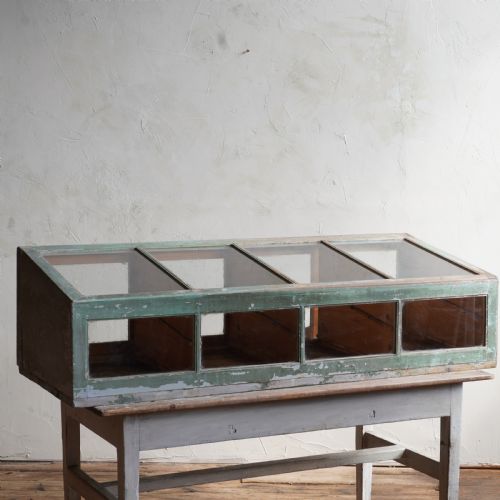
Glazing is standard in display formats, incorporating glass panels to showcase contents safely on countertops. Hardware elements such as brass handles, hinges, and working locks provide functional security and structural definition to these small enclosures.
Vintage Tabletop Cabinet Retail Price Guide 2026
Typical asking prices for vintage tabletop cabinet among the pieces listed under this phrase on Sellingantiques today, from the lower quarter to the upper quarter. They describe what is for sale here now, not the wider market.
The listings on this page span the 18th, 19th, and 20th centuries, incorporating Edwardian and Art Deco stylistic periods.
Evaluating Construction and Finish
The degree of original hardware preservation and the integrity of applied finishes dictate the standing of a piece. Original brasses, intact glass panels, and well-maintained lacquered surfaces elevate the overall standard of the cabinet.
Manoah Rhodes & Sons Ltd
The Vintage Tabletop Cabinet Glossary
- Apprentice chest
- A miniature chest of drawers created by a trainee woodworker to demonstrate mastery of joinery techniques. These pieces replicate full-scale furniture with scaled-down proportions.
- Countertop display cabinet
- A glazed enclosure utilised in retail spaces to present goods to customers while protecting them from handling. They often feature rear-access doors for the shopkeeper.
- Humidor cabinet
- A specialised storage container designed to maintain humidity levels for cigars. They frequently incorporate internal dividers and lining materials suited to tobacco preservation.
- Kodansu
- A traditional Japanese small cabinet featuring multiple drawers and compartments. These items often display intricate black lacquer work and decorative metal fittings.
- Specimen cabinet
- A piece built with numerous shallow drawers intended for housing natural history collections such as insects, fossils, or botanical samples.
Vintage Tabletop Cabinet: Frequently Asked Questions
What were tabletop cabinets originally used for?
These cabinets served varied practical purposes depending on their original context, ranging from domestic storage for stationery, jewellery, and spices to retail display on shop counters.
Commercial variants held goods like sweets, tobacco, or apothecary items, while domestic versions protected valuable personal possessions in private rooms.
How do I distinguish between an antique and a revival piece?
Examination of construction methods, timber ageing, and hardware fixings helps determine the actual age of a cabinet. Georgian Revival pieces often display machine-cut elements or secondary woods that differ from genuine 18th-century work.
Looking closely at drawer linings and joint construction reveals the manufacturing period more accurately than surface appearance alone.
Where should I place a tabletop cabinet in a modern home?
Their compact dimensions allow these cabinets to sit comfortably on desks, sideboards, or dressing tables without overwhelming a room. Glass-fronted display versions work well in living spaces for showing small collections.
Drawer units provide functional desktop storage for everyday items while adding period character to a workspace.
How should I clean and maintain wooden tabletop cabinets?
Routine maintenance involves gentle dusting with a dry microfibre cloth to protect the surface finish and any delicate timber grain. Avoid using modern aerosol polishes, which can build up residue on antique wood and lacquer.
Feeding dry wood with an appropriate wax conditioner periodically helps preserve the finish without harming historical patination.