

Vintage Table with Shelf
A vintage table with shelf offers practical surface space combined with a useful lower tier, appearing across various historical periods.
Vintage Table with Shelf
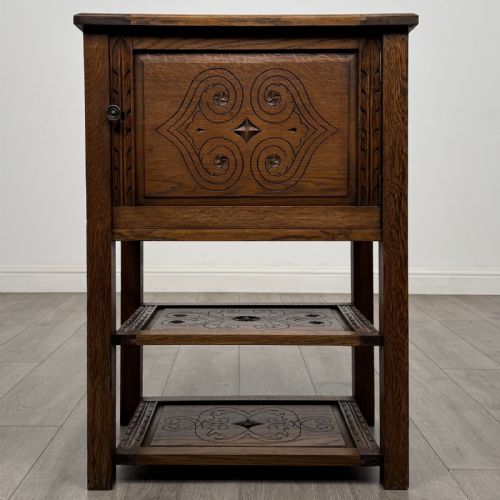
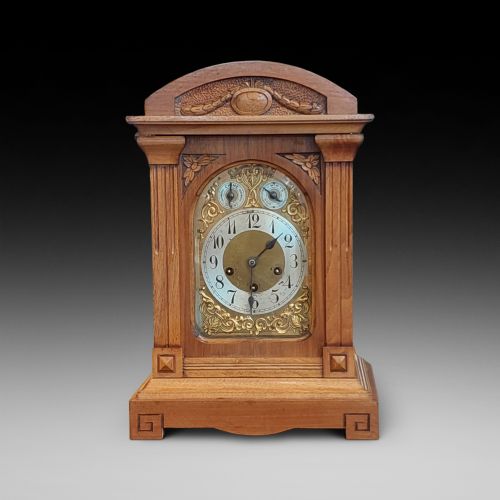
When you search for a vintage table with shelf, you encounter pieces designed with an additional lower tier, potshelf, or bookshelf base to support everyday utility alongside a primary surface. The selection spans compact lamp tables, side tables, occasional pieces, and writing desks originating from the nineteenth century through the 1930s.
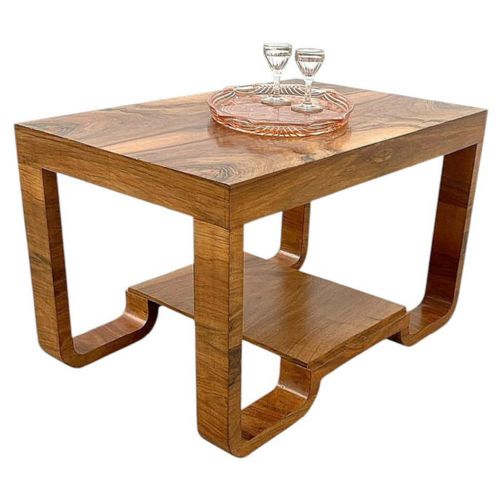
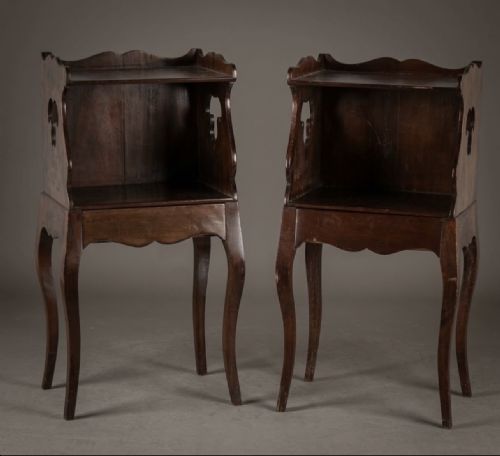
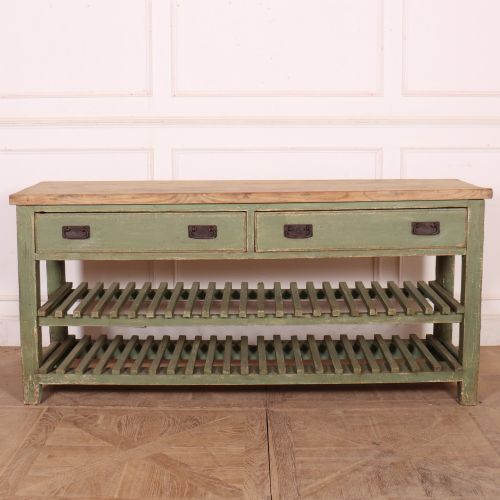
Edwardian mahogany examples and sturdy oak pieces from the 1900s dominate the offerings, often incorporating inlaid details, shaped tops, or cabriole legs. You also meet French rustic pine worktables, cherry bedside tables with candle shelves, and occasional tables reflecting Art Deco or Jacobean Revival styles.
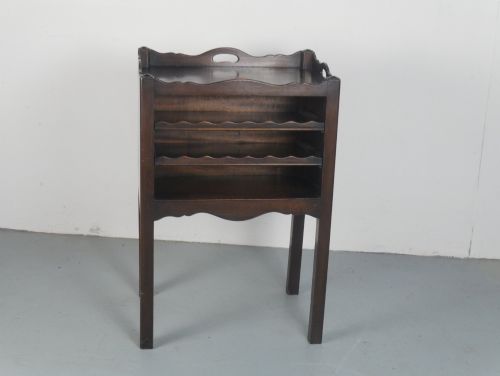
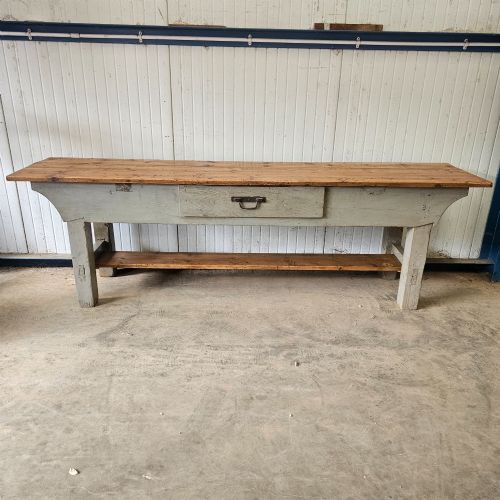
Forms vary from narrow corner stands with raised galleries to expansive serving tables and octagonal occasional tables with integrated storage. Each piece demonstrates how makers adapted domestic furniture to provide lower storage levels for books, pots, or household items.
Materials and construction methods
Makers utilised solid timbers and decorative veneers, relying heavily on mahogany, oak, walnut, and burr walnut, sometimes complemented by satinwood or pine. Surfaces frequently feature inlaid stringing, carved mouldings, or painted finishes, reflecting the prevailing styles of each decade.
Structural integrity depended on traditional joinery methods to support both the primary tabletop and the lower shelf or bookshelf base. Brass hardware, such as handles or dials, appears on related items like desks and cabinets, while marble elements surface on specific bedside cabinets.
Vintage Table with Shelf Retail Price Guide 2026
Typical asking prices for vintage table with shelf among the pieces listed under this phrase on Sellingantiques today, from the lower quarter to the upper quarter. They describe what is for sale here now, not the wider market.
Listings feature oak, mahogany, walnut, and pine tables spanning the 19th century through the 1930s.
Distinguishing quality across pieces
The choice of timber and veneer dictates much of the character, with figured walnut, burr walnut, and rich mahogany sitting apart from utilitarian pine or plain oak. Mastery of inlay work, carved details, and the fluidity of cabriole legs or shaped tops separate standard production from finer craftsmanship.
Proportion and structural balance determine how successfully a table integrates its lower shelf with the upper surface. Pieces that maintain crisp carving, tight joints, and well-preserved timber finishes represent the higher end of the historical range.
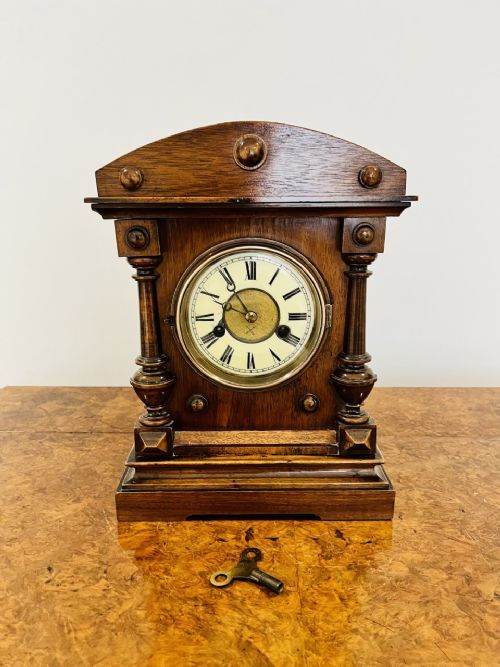
James Mein of Kelso·Lenzkirch·Junghans
The Vintage Table with Shelf Glossary
- Cabriole leg
- A furniture leg that curves outward and then tapers inward, finishing in a pad, scroll, or plain foot. This design appears frequently on eighteenth-century inspired and Edwardian tables.
- Gallery
- A raised decorative border running along the edge of a tabletop or shelf. It prevents items from sliding off the surface.
- Potshelf
- A low secondary shelf positioned near the floor on serving or work tables. Historically, it held heavy pots and kitchen utensils.
- Inlay
- A technique where pieces of contrasting wood, shell, or metal are inserted into depressions in the base wood to form decorative patterns. Edwardian mahogany tables often use this for linear borders.
Vintage Table with Shelf: Frequently Asked Questions
How do I date an Edwardian table?
Edwardian tables often display light mahogany timbers, delicate satinwood inlay, and shaped or cabriole legs. Makers frequently utilised Edwardian revival styles drawing on earlier Georgian aesthetics.
Examining the construction methods, handles, and secondary woods helps confirm the period. The inclusion of lower shelves or galleries is characteristic of domestic furniture from this era.
Where can I use an occasional table with a shelf?
An occasional table with a shelf suits living rooms, hallways, and bedrooms as a flexible surface for lamps or decorative objects. The lower shelf provides extra room for stacking books or small items without taking up additional floor space.
Their varied forms, from octagonal oak shapes to mahogany bedside cabinets, allow them to fit into both traditional and modern interior layouts.
What is the difference between an occasional table and a side table?
A side table typically serves a specific spot against a wall or beside seating, often incorporating drawers or fixed lower shelves for storage. Occasional tables are lighter, easily moved pieces designed to be used as needed around a room.
Both forms frequently include lower shelves or bookshelf bases to enhance their practical capacity. The distinction often rests on the intended permanence of their placement within a room.