


Vintage Table Decanter
These vintage table decanter selections bring refined dining and drink service from the Victorian, Edwardian and Georgian eras directly to the modern table.
Vintage Table Decanter
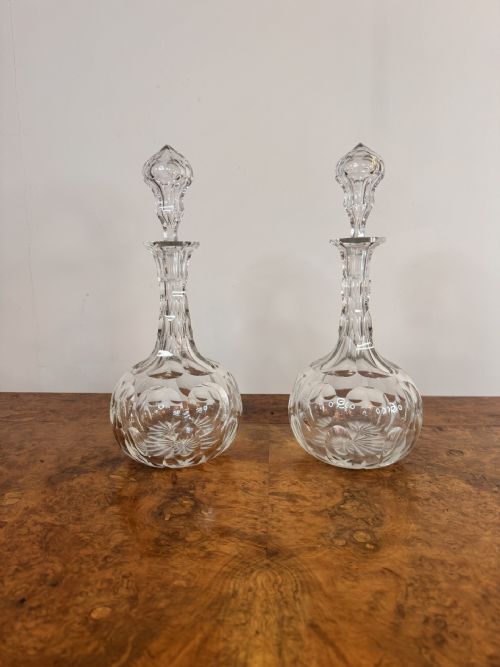
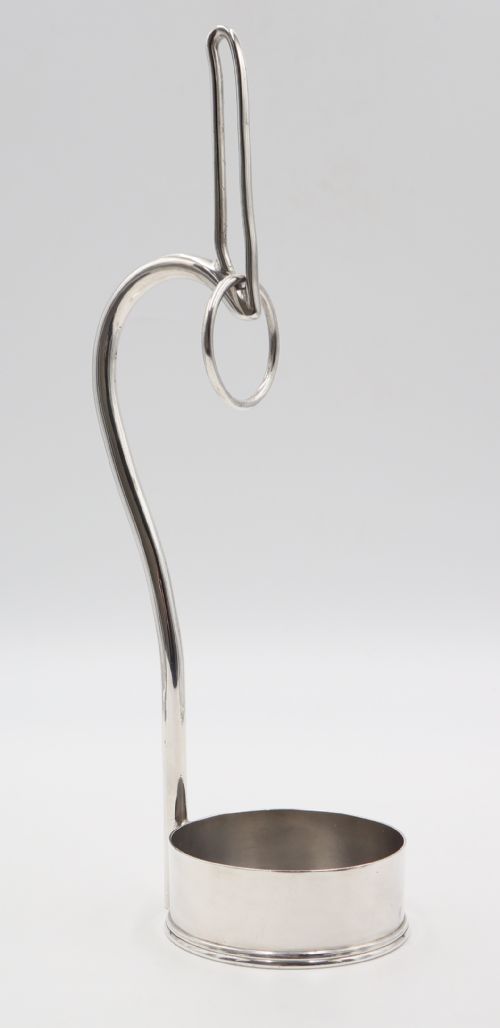
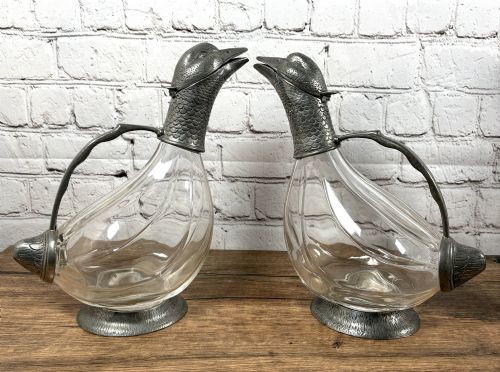
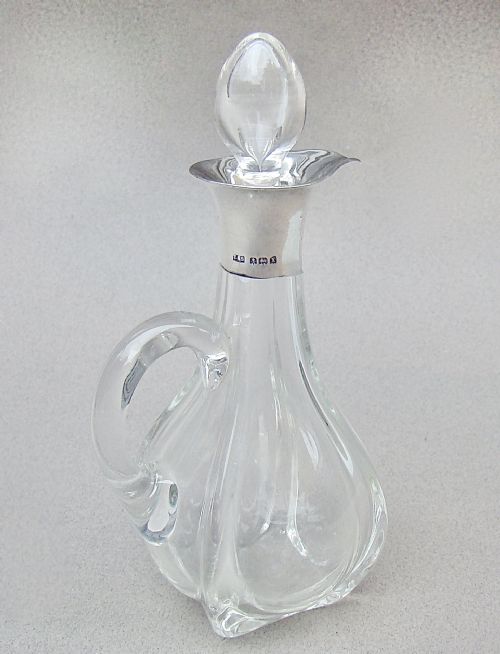
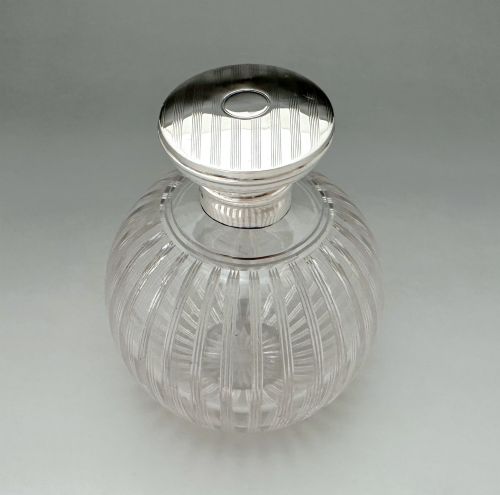
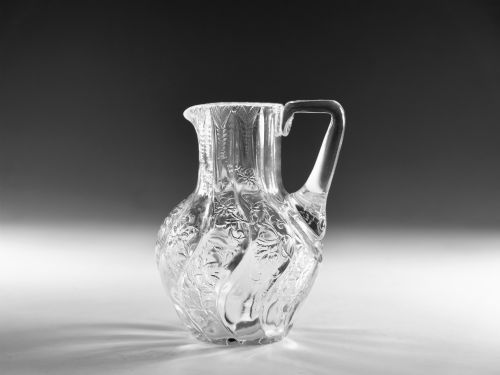
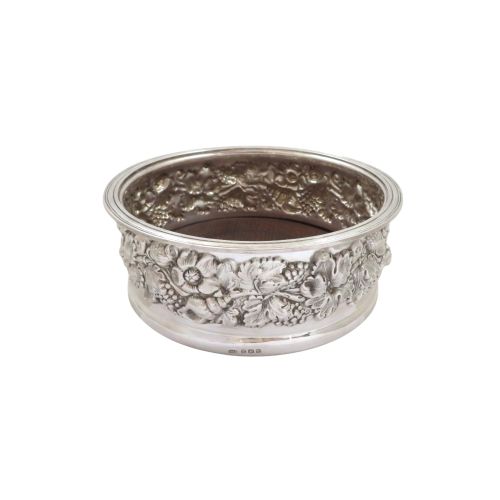
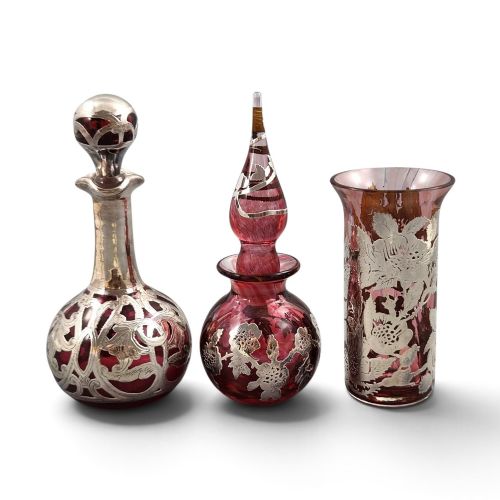
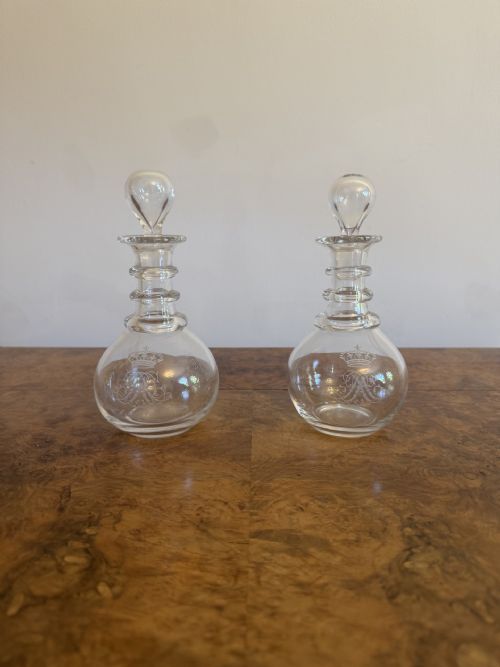
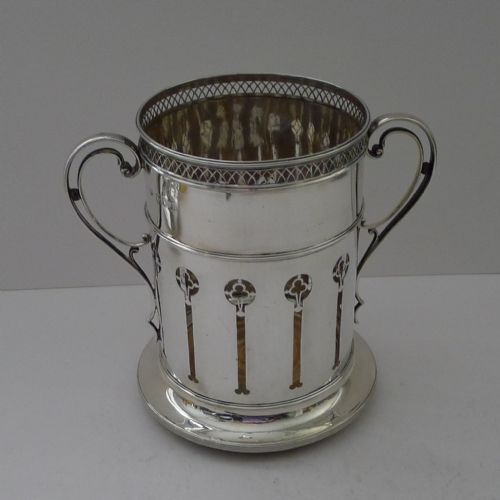
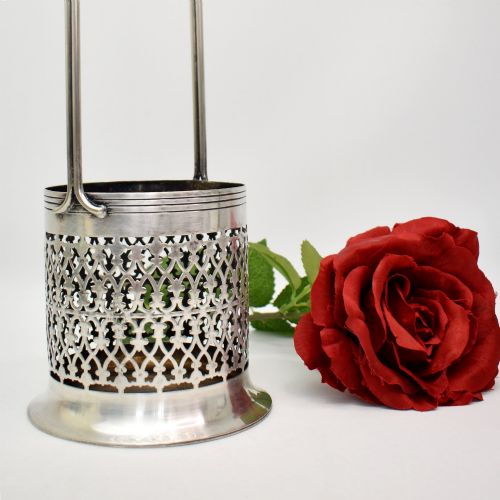
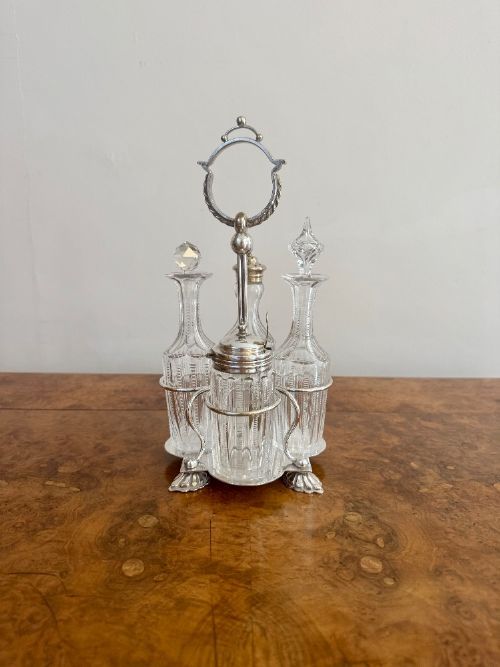
When you search for a vintage table decanter, you encounter functional serving vessels and bottle holders spanning the Victorian, Edwardian and Georgian periods alongside related dining table accessories. The items appearing here range from lead crystal spirit decanters and glass claret jugs to silver plated wine coasters and mounted perfume bottles.
Materials and construction methods
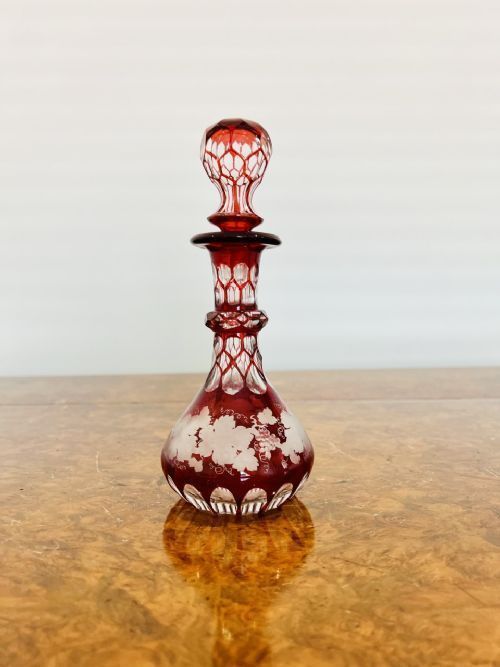
Makers utilised heavy lead crystal and cut glass alongside sterling silver and silver plate to construct durable servingware. Glass bodies were often blown and subsequently cut or engraved with geometric and floral patterns, while metal mounts were cast and soldered to collars and rims.
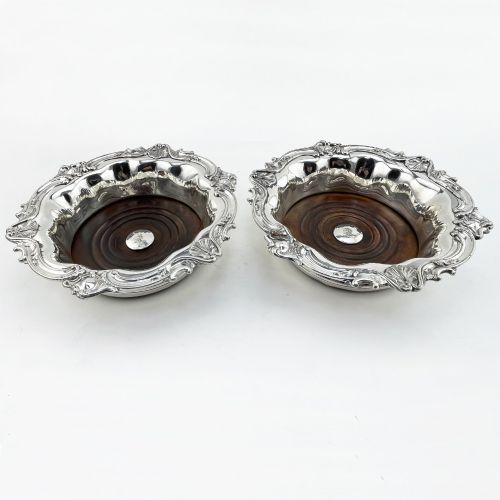
Wooden elements such as mahogany and burr birch were turned and polished to form stable bottle bases, frequently incorporating green baize on the underside to protect dining surfaces. Silver elements combined stamped components with hand-chased detailing, particularly visible in grape and vine motifs on wine coasters.
Vintage Table Decanter Retail Price Guide 2026
Typical asking prices for vintage table decanter among the pieces listed under this phrase on Sellingantiques today, from the lower quarter to the upper quarter. They describe what is for sale here now, not the wider market.
Certain antique wine coasters include hidden under-carriages with tiny wheels to roll bottles smoothly between guests along the polished mahogany.
Distinctions in quality and execution
The standard of manufacture depends heavily upon the crispness of the glass cutting and the weight of the metal components. Superior examples display deep, sharp facets on the lead crystal and substantial gauge silver or silver plate that resists bending under daily use.
Refinement in secondary details separates standard production from exceptional pieces. The fit between stoppers and bottle necks, the tightness of silver mounts, and the intricacy of chased ornamentation all indicate the skill level of the original workshop.
Stevens and Williams·Gorham·Brook and Son·Asprey·Barnsley and Co
The Vintage Table Decanter Glossary
- Cut Glass
- Glass shaped and patterned by holding it against rotating abrasive wheels. This technique creates deep prismatic facets that catch candle or electric light.
- Silver Plate
- A base metal, typically copper or brass, coated with a thin layer of silver through electrochemical processes or fusion. This method offered the appearance of solid silver at a lower cost.
- Treen
- Small handmade wooden objects designed for household use. Turned bowls, boxes and coaster bases fall into this category.
- Cruet Set
- A matched collection of glass bottles mounted in a metal frame for holding condiments, oil, vinegar or sauces at the dining table.
- Claret Jug
- A tall pouring vessel specifically designed for serving red wine. These typically feature glass bodies with hinged silver lids and handles.
Vintage Table Decanter: Frequently Asked Questions
How do I clean an old decanter?
Wash glass vessels by hand using warm water and mild detergent, avoiding sudden temperature changes that might crack aged material. For internal residue, use specialised cleaning beads rather than abrasive brushes.
Polish metal collars and silver plate gently with a dedicated cloth to preserve hallmarks and thin plating layers. Keep wooden bases dry and condition the timber occasionally with appropriate wax.
Can I use these decanters daily?
Most glass decanters and bottle holders remain fully functional for serving wine and spirits at modern dinner tables. Check that glass stoppers fit securely and that any antique seals remain intact before pouring.
Take care with silver plated items to prevent harsh chemical exposure or dishwashing, which damages historical finishes. Regular use helps maintain the timber and metal condition through natural handling.
How do I identify the period?
Examine metal components for hallmarks, maker stamps and registration marks that indicate exact years or decades of production. Styles such as heavy Victorian cut glass or fluid Art Nouveau curves provide strong visual clues to the era of manufacture.
Compare the weight, construction techniques and mounting styles with documented examples from similar workshops. Georgian pieces often display simpler, heavier forms, whereas Edwardian items frequently incorporate lighter, more ornate silver mounts.
What is a decanter coaster?
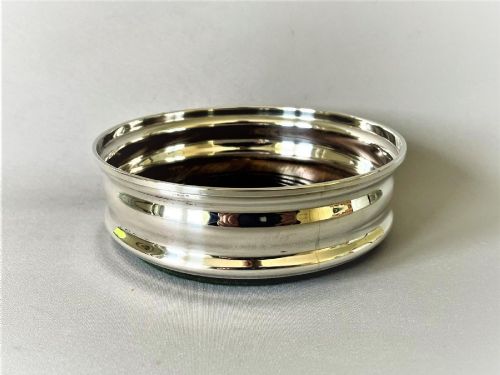
A decanter coaster is a small stand designed to hold a wine bottle or decanter and protect polished dining table surfaces from moisture rings and drips. These items usually feature a raised rim in silver plate, wood or ceramic.
The base of the coaster frequently contains green baize or felt lining to allow smooth movement across the table surface during dinner service. Many examples include central shields intended for personal crests or initials.