

Vintage Swivel Table
A vintage swivel table brings responsive movement and classic materials to a room, pivoting smoothly on axis or gimbal to serve as a functional mirror, lamp, or clock.
Vintage Swivel Table
When you search for a vintage swivel table, you encounter a specialised group of moveable furniture and accessories, most commonly represented here by dressing table swing mirrors, adjustable toilet mirrors, and pivoting desk clocks. These pieces date across the Georgian, Victorian, Edwardian, and Art Deco periods, drawing on centuries of cabinet-making and metalworking traditions.
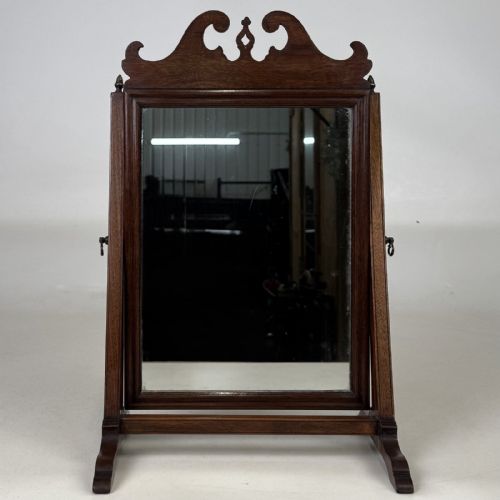
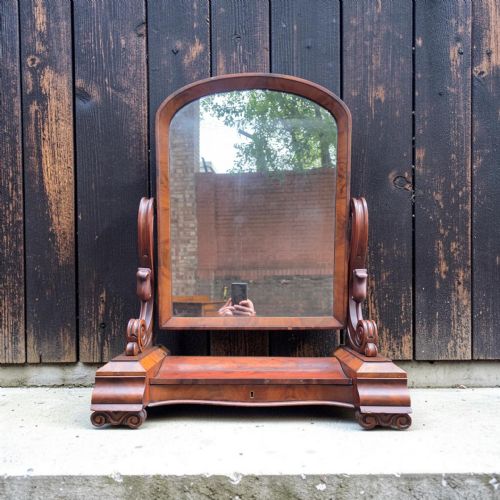
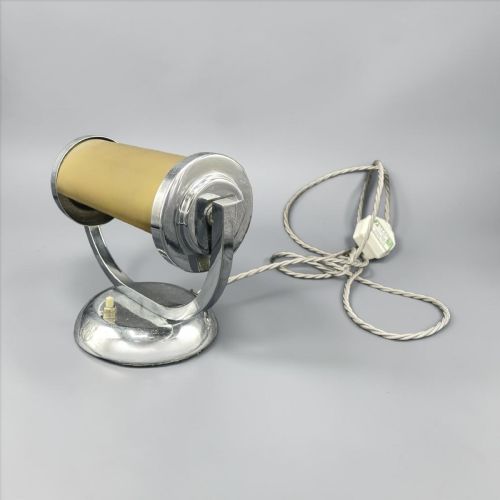
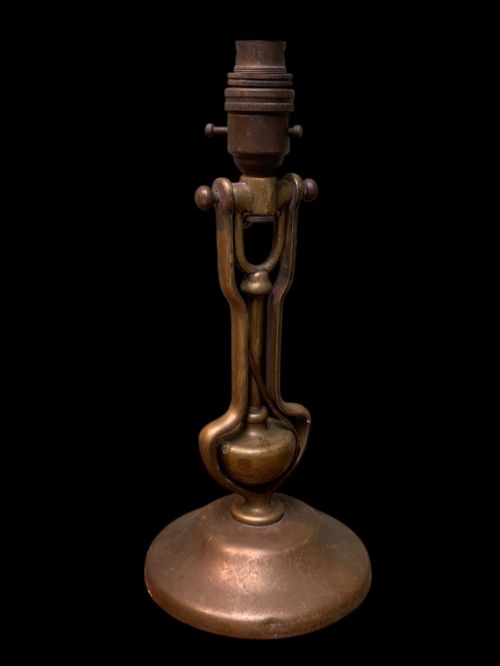
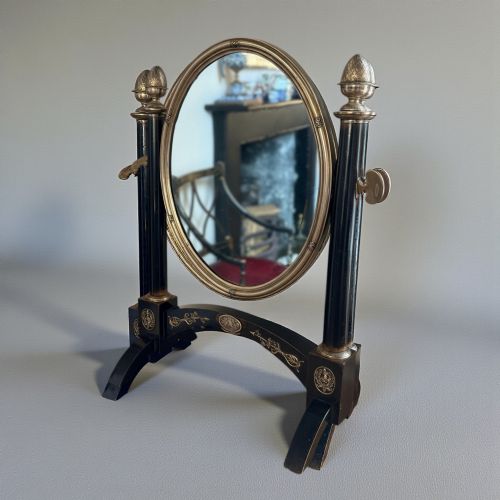
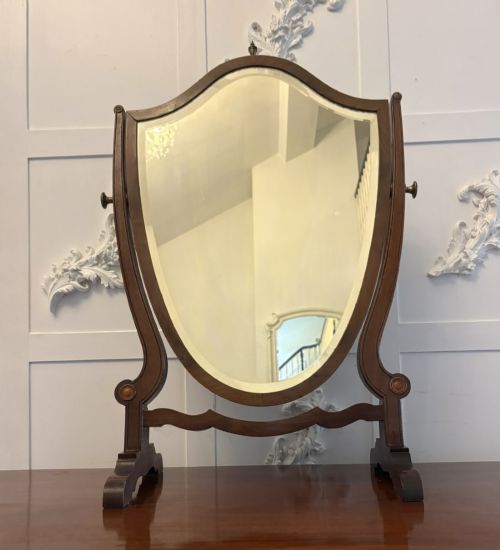
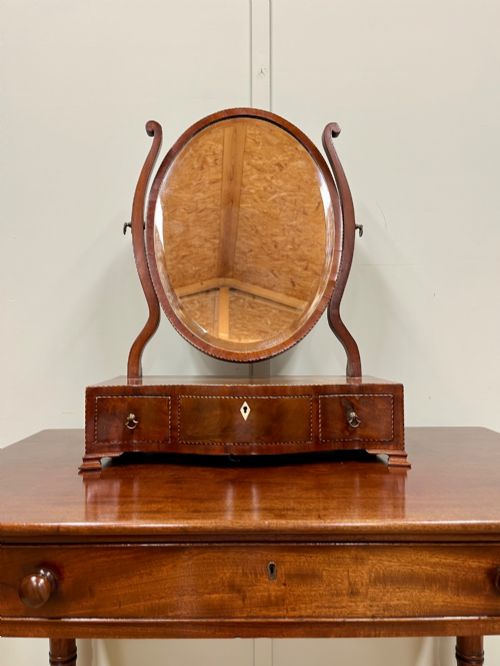
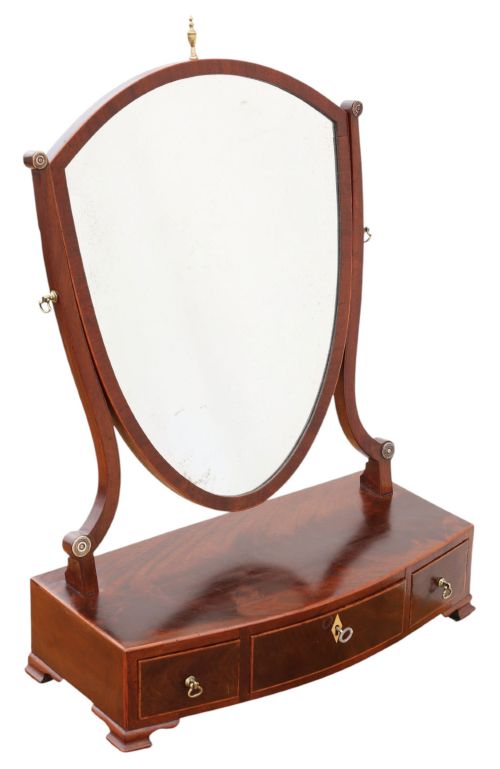
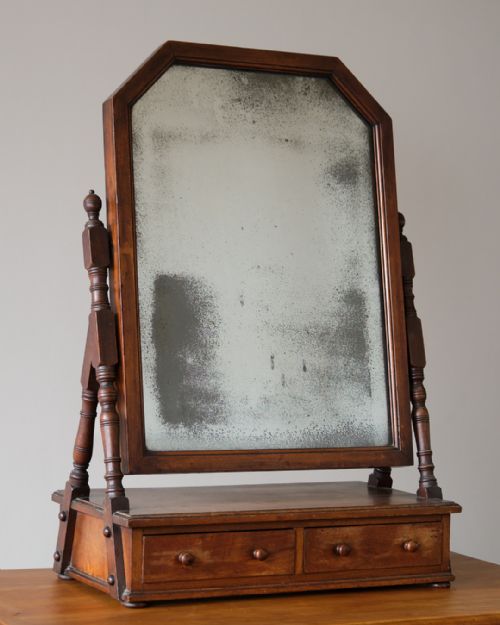
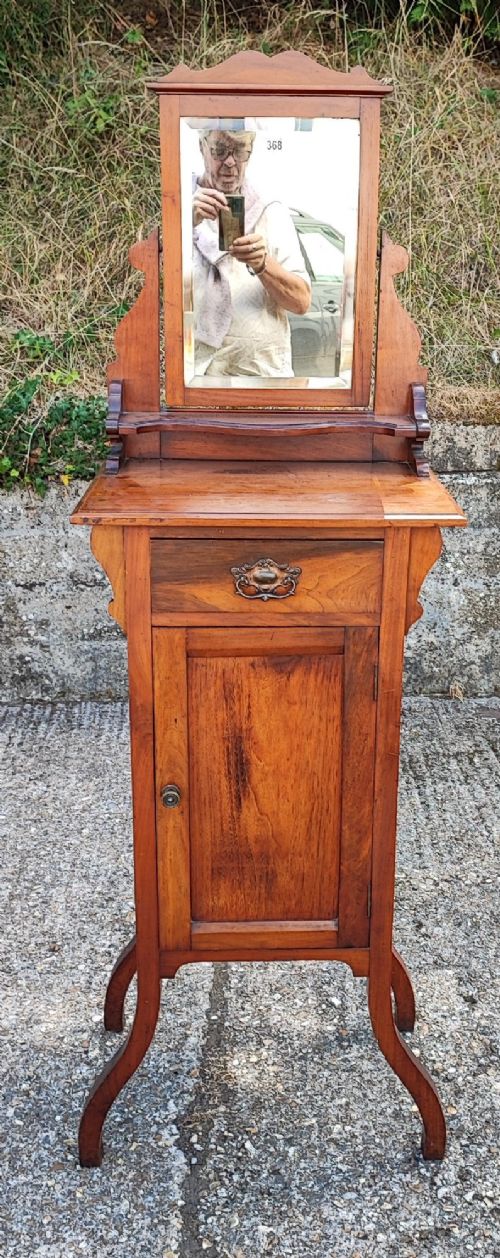
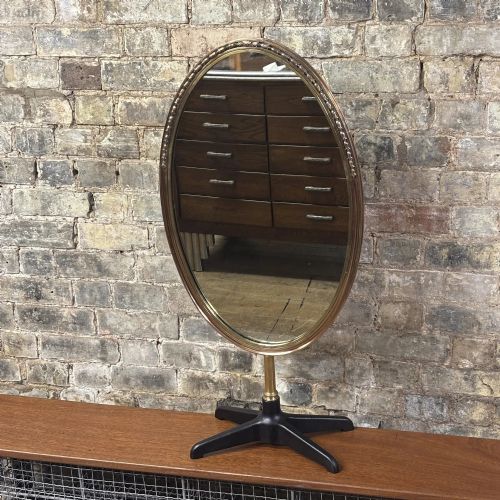
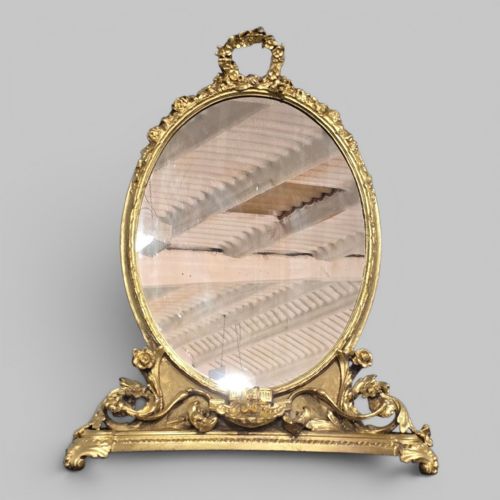
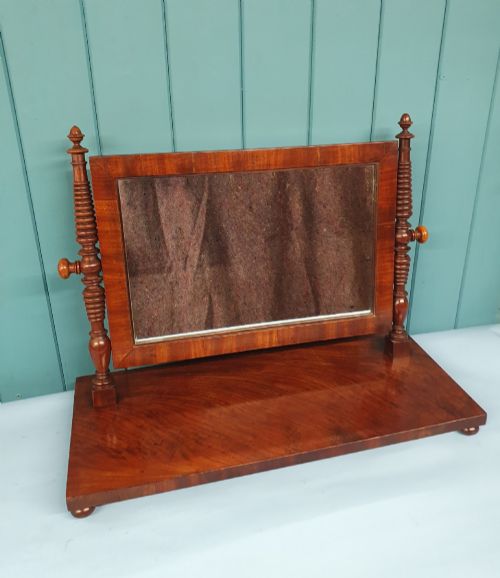
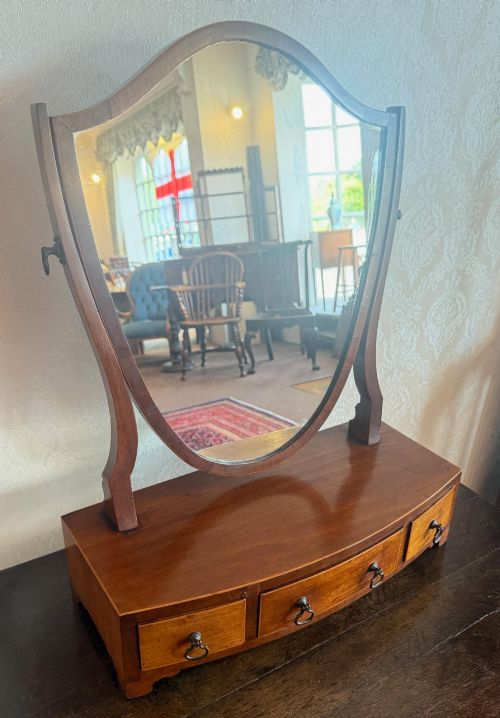
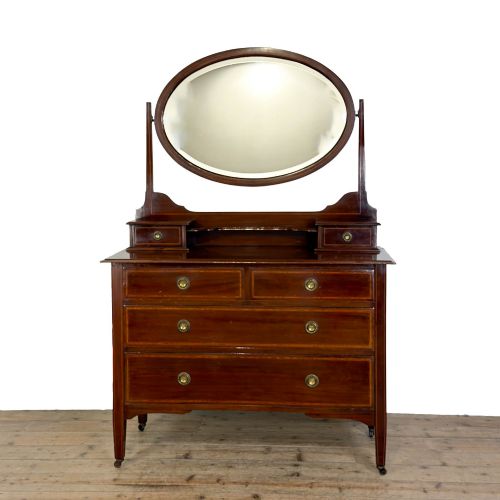
The dominant forms on this page are table top dressing mirrors and vanity mirrors framed in mahogany, walnut, or oak, often mounted with pivoting side screws or set upon small drawer bases.Alongside these wooden mirror stands appear brass ship gimbal lamps, pivoting chrome desk clocks, and revolving bookcases that turn on central axes.
Originating largely from British and French workshops, these items served practical daily rituals in bedrooms, dressing rooms, and ship cabins before finding new roles as decorative antiques. Their defining characteristic remains the pivot, hinge, or gimbal mechanism that allows the primary element to tilt or rotate.
Materials and construction methods
Makers utilised dense hardwoods such as mahogany, walnut, and oak for mirror frames, stands, and revolving bookstands, often selecting figured veneers or shield-shaped panels. Joinery techniques included dovetailed drawer boxes and mortise and tenon frames designed to support the weight of heavy mirror glass without sagging.
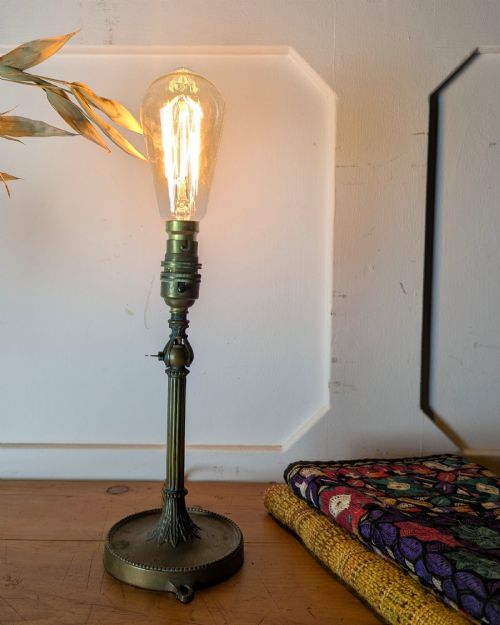
Metal components relied on cast brass, bronze, chrome, and iron, particularly for ship gimbals, Pullman lamps, and mechanical clock movements. Brass thumbscrews and pivots provided the adjustable tension required for mirrors to hold their tilted angles securely.
Glass production combined traditional silvered mirror plates with bevelled edges and specialist scientific optical glass. Ebonised wood and parcel-gilt highlights added contrast to standard timber frames, while bone inlays occasionally finished drawer pulls.
Vintage Swivel Table Retail Price Guide 2026
Typical asking prices for vintage swivel table among the pieces listed under this phrase on Sellingantiques today, from the lower quarter to the upper quarter. They describe what is for sale here now, not the wider market.
Thomas Rubergall built optical mirrors in London when scientific instruments shared a bench with household vanity glass.
Evaluating craftsmanship and integrity
Quality rests in the precision of the turning mechanism and the stability of the pivot points, where superior examples maintain firm resistance without binding or wearing down the surrounding timber. The thickness and clarity of the mirror glass, along with the depth of the mahogany or walnut grain, distinguish fine workshop production from standard utility items.
The sophistication of the brass hardware, from cast bronze brackets to bespoke gimbal rings, marks the difference between mass-produced fittings and hand-finished components. Structural balance matters greatly; a well-proportioned base prevents a tall mirror or revolving stand from tipping when adjusted.
Heal And Sons·Thomas Rubergall
The Vintage Swivel Table Glossary
- Gimbal
- A ringed pivoting device that allows a lamp or instrument to stay level regardless of motion. It appears frequently in maritime and railway lighting.
- Cheval mirror
- A large standing mirror supported in a frame that allows it to tilt entirely. Table top versions scale this mechanism down for furniture surfaces.
- Shield mirror
- A dressing glass cut into the shape of a heraldic shield, popular during the Georgian period. It is usually mounted on scrolling upright arms above a drawer base.
- Revolving bookcase
- A compact bookcase designed to turn on a central vertical axis for easy book selection. They appear in Edwardian and Victorian mahogany forms.
- Parcel-gilt
- Partially gilded with gold leaf to highlight specific carved details on a wooden frame. This technique accentuates mouldings and crests.
Vintage Swivel Table: Frequently Asked Questions
How do I adjust a loose swivel mirror?
Most pivoting mirrors rely on threaded brass screws or wing nuts set into the upright support arms. Tightening these hardware pieces increases friction against the frame to hold the glass steady at your chosen angle.
If tightening the exterior screws fails to stop the mirror from drooping, check for worn leather washers or missing wooden friction pads inside the pivot joint. Replacing these internal elements restores proper tension.
Were these mirrors always attached to dressing tables?
Many dressing mirrors were manufactured as independent table top pieces designed to sit on top of plain chests of drawers or writing desks. Owners could move them freely around a room depending on the available light.
Over time, some mirrors became separated from their original dressing tables, while others were built specifically as standalone items from the outset. Their versatile scale allows them to function on modern sideboards just as easily.
How do I date a mahogany swivel mirror?
Cabinet-making styles provide the primary clue, with Georgian mirrors featuring slender scroll arms and ogee feet, while Victorian versions tend to be heavier with round plinths. Drawer construction also matters, as hand-cut dovetails generally point to the nineteenth century or earlier.
Examine the mirror glass itself for slight distortions or bevelling characteristics. Older plates often display subtle imperfections that differ sharply from modern float glass.
What is the purpose of a ship gimbal table lamp?
Ship gimbal lamps were engineered for marine environments where constant motion would otherwise cause a standard lamp to swing dangerously or spill fuel. The concentric rings keep the light source upright regardless of the vessel's roll.
Today, these brass and iron pieces translate well to industrial interiors and desk spaces. Their mechanical design offers both visual interest and practical adjustability.