

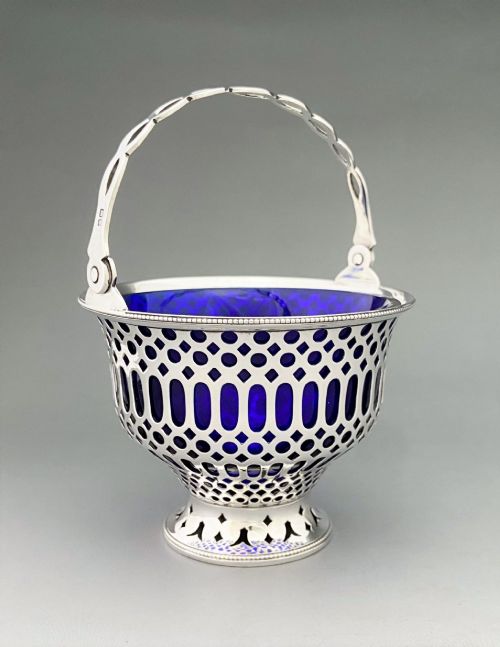


Vintage Sweetmeat Glass
These vintage sweetmeat glass pieces bring historical confectionery display to the table in clear, cut, and coloured vessels.
Vintage Sweetmeat Glass
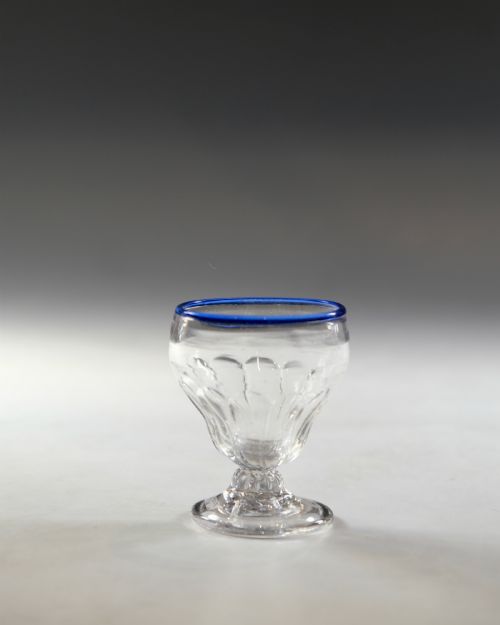
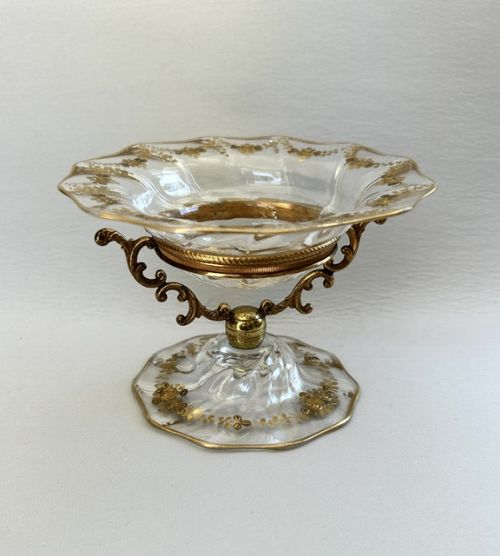
When you search for vintage sweetmeat glass, you encounter items designed for holding sweetmeats, sugar, and small confectionery across centuries of dining tradition. The examples seen here span periods from the eighteenth century through to the nineteen-thirties, taking forms such as tazzas, baskets, sugar bowls, and lidded jars.
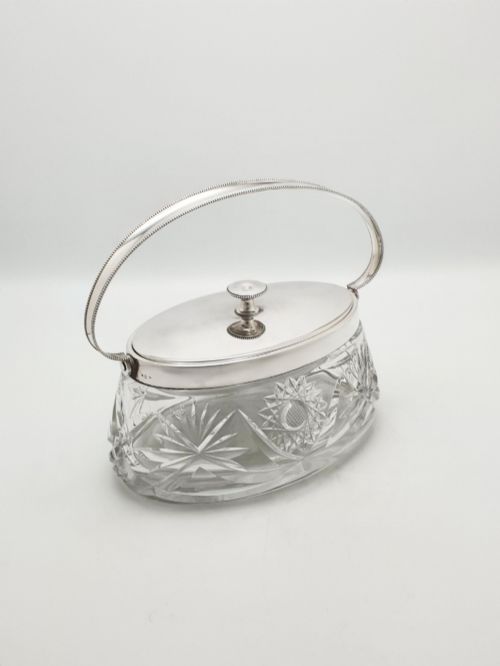
The most traditional forms on this page include eighteenth-century bonnet glasses and tazzas alongside Victorian and Edwardian cut glass dishes, often mounted in silver or ormolu. Later twentieth-century interpretations also appear, showing how the serving of sweets evolved into the modern era.
Origin and style vary widely, drawing on Georgian, Victorian, Edwardian, and continental European traditions like French Rococo Revival and Jugendstil. Buyers find everything from simple pressed glass jars to elaborate silver-encased cobalt bowls and gilded glassware.
How they were made
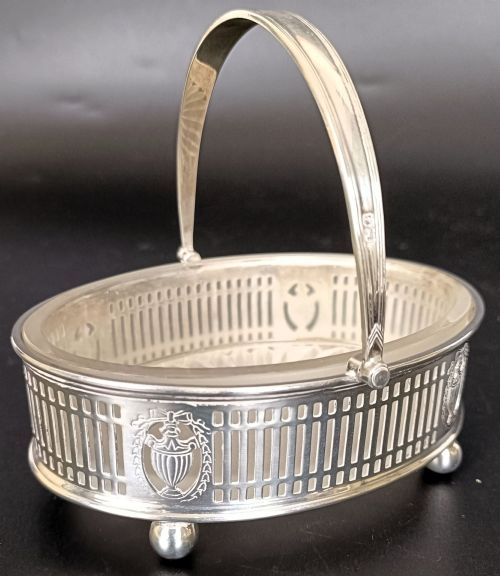
The primary material across the selection is glass, utilised in plain, lead, cobalt, cranberry, opaque, and cut forms to achieve different optical effects and colours. Many pieces incorporate metal elements such as sterling silver, silver plate, and ormolu for mounts, handles, and swing frames.
Manufacturing techniques combine traditional glassblowing and hand-cutting with metalwork processes like piercing, casting, and gilding. Pieces such as the white latticinio glass sugar bowl demonstrate specialised cane work and decorative glass layering.
Vintage Sweetmeat Glass Retail Price Guide 2026
Typical asking prices for vintage sweetmeat glass among the pieces listed under this phrase on Sellingantiques today, from the lower quarter to the upper quarter. They describe what is for sale here now, not the wider market.
Object types on this page include biscuit barrels, sugar bowls, tazzas, swing-handled baskets, and lidded jars across various revival styles.
What varies in quality
Quality in these pieces is dictated by the clarity and weight of the glass, particularly in lead crystal and cut glass vessels where deep, crisp facets catch the light. The precision of hand-cutting and the finesse of engraving separate standard utility glassware from finer decorative pieces.
The integration of metal mounts also influences overall standing, with heavy cast silver, detailed piercing, and fire-gilt ormolu marking out superior examples. Makers who combined high-grade glass with solid precious metals produced enduring objects that retain their structural integrity.
Baccarat·WMF·Lalique·Verlys
The Vintage Sweetmeat Glass Glossary
- Sweetmeat glass
- A specialised vessel designed for serving sweetmeats, comfits, or dry confections during formal dining. These pieces often take the form of small raised bowls, baskets, or tazzas.
- Tazza
- A shallow bowl or saucer raised on a stem and foot, used historically for serving small food items. In glassware, it provides height and visual prominence on a table setting.
- Latticinio
- A decorative glass technique involving opaque white or coloured glass threads embedded within clear glass in parallel or reticulated patterns. This method originated in Renaissance Italy and reappeared in later revival periods.
- Ormolu
- Finely chopped high-karat gold applied to a bronze base using a mercury amalgamation process, or simply gilded bronze. It provides ornamental mounts and stands for glass dishes.
- Bonnet glass
- A small, tall-stemmed glass vessel from the eighteenth century, so named because its shape resembles contemporary ladies' hats or bonnets.
Vintage Sweetmeat Glass: Frequently Asked Questions
What is a sweetmeat glass?
A sweetmeat glass is a historic serving vessel intended for dry confectionery, nuts, or sugared fruits during dessert courses. These pieces range from simple open bowls to elevated tazzas and lidded jars.
They were placed centrally on dining tables or passed among guests as part of the formal dessert service in Georgian and Victorian households.
How do I date a glass piece?
Dating relies on observing the combination of manufacturing technique, material colour, and decorative style recorded in the physical object. Pontil marks, glass tint, and the style of cutting or metal mounts provide key chronological indicators.
Comparing the object's form against documented examples from periods like the eighteenth century or the Edwardian era helps establish its age.
Can I use them for food?
Many vintage glass vessels remain entirely functional for serving dry foods, sweets, or small fruits at the table. Antique pieces require gentle hand washing in lukewarm water to protect the glass and any metal mounts.
Harsh detergents and dishwashers should be avoided, particularly on items featuring gilding, silver, or delicate lead crystal.
What is cut glass?
Cut glass is formed by pressing or blowing molten glass into a thicker blank, which is then ground and polished on rotating wheels to create geometric or floral patterns. This technique produces sharp facets that refract light intensely.
Heavy cut glass became particularly popular during the Victorian period for heavy jars, vases, and decorative bowls.