






Vintage Supper Table
These vintage supper table pieces combine utility with craftsmanship, offering sturdy surfaces for dining and gathering that anchor a room.
Vintage Supper Table
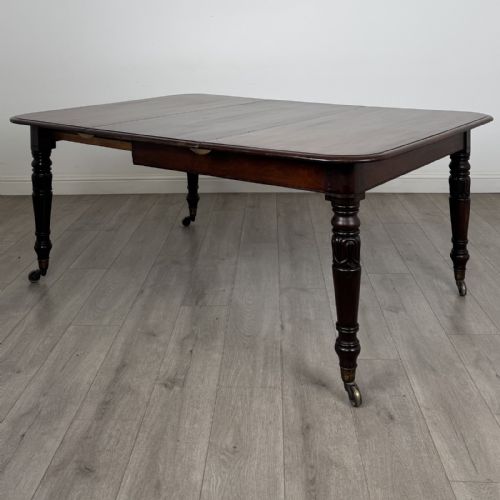
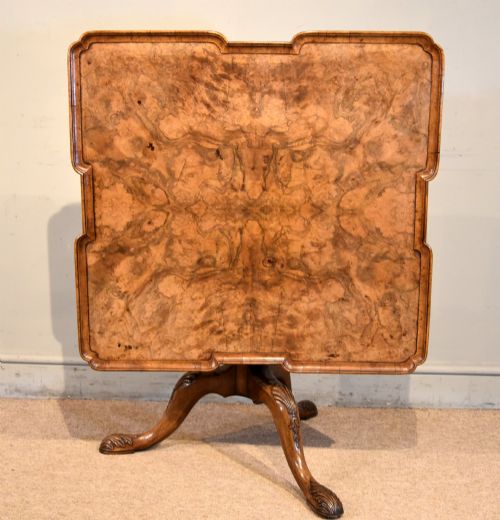
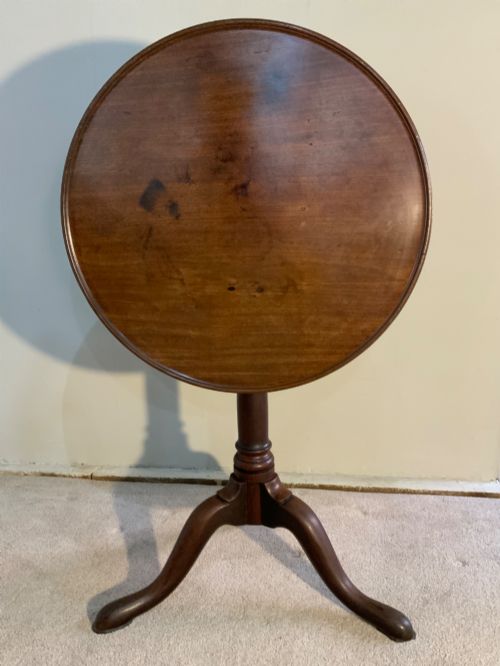
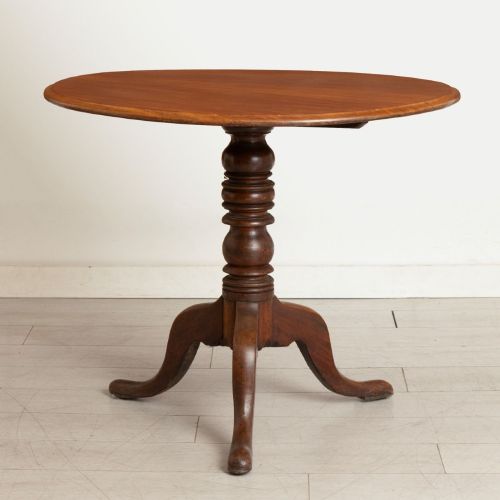
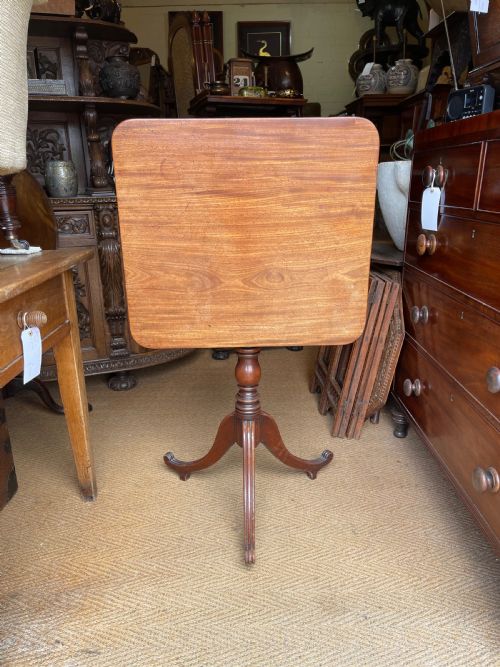
A vintage supper table brings history and practicality together, drawing on Georgian, 18th century, and 19th century traditions for everyday dining or occasional use. The selection spans robust oak gateleg designs from 1750 to elegant mahogany tilt top tables and extending dining tables.
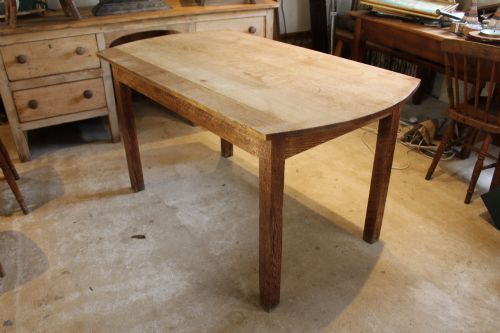
Buyers frequently encounter tripod tables and drop leaf formats designed to save space when not in use. These forms reflect centuries of domestic entertaining, ranging from compact occasional pieces to large oval oak tables.
Origins stretch across British periods alongside occasional 18th century Italian walnut examples. Each piece serves as a functional centrepiece rooted in traditional dining habits.
How they were made
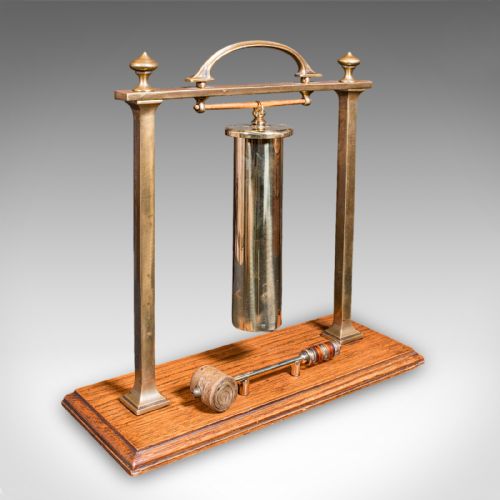
Cabinetmakers built these tables primarily using solid timbers like mahogany, oak, walnut, and cherry wood, chosen for durability and rich grain patterns. Brass hardware frequently appears on extending mechanisms and associated gongs or bells.
Construction techniques include tilt top mechanisms, drop leaves, and gateleg frames that allowed tables to fold or extend according to the needs of the household. Joinery relied on traditional methods to ensure stability across heavy daily use.
Vintage Supper Table Retail Price Guide 2026
Typical asking prices for vintage supper table among the pieces listed under this phrase on Sellingantiques today, from the lower quarter to the upper quarter. They describe what is for sale here now, not the wider market.
One enthusiastic Edwardian household evidently felt that a brass afternoon tea gong was an essential companion to their supper table routine.
What varies in quality
Quality rests in the choice of timber and the precision of the cabinetmaker's joinery, particularly in moving parts like tilt top mechanisms and extending leaves. Superior examples display carefully matched wood grains and solid construction that withstands generations of use.
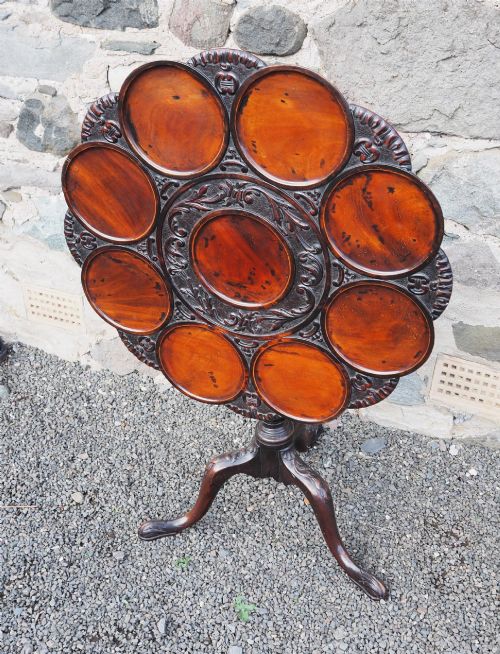
The sophistication of the carved details, from tripod column turns to gateleg supports, distinguishes standard utility furniture from finer stylistic expressions.
The Vintage Supper Table Glossary
- Tilt top table
- A table with a hinged top that pivots vertically to save space against a wall when not in use. This clever mechanism became popular in Georgian dining rooms.
- Gateleg table
- A table with hinged leaves supported by swinging legs that resemble a gate. This design provides sturdy support for large dining surfaces.
- Tripod table
- A small freestanding table supported by a central pillar resting on three legs. They are frequently utilised as occasional or tea tables.
- Drop leaf table
- A table featuring a fixed central section and hinged flaps on either side that drop down. It offers flexible surface area for changing room layouts.
Vintage Supper Table: Frequently Asked Questions
What is a vintage supper table?
A vintage supper table is a traditional dining or occasional surface dating from earlier centuries, built to accommodate meals and gatherings before modern open-plan living.
These pieces utilise timbers such as mahogany and oak, coming in formats like tilt tops, gatelegs, and extending dining tables.
How were supper tables used historically?
Historically, these tables served households for evening meals, tea, and social gatherings, often moving around the room or folding away when not required.
Drop leaf and tilt top designs allowed rooms to be cleared quickly after dining.
How do I identify Georgian tables?
Georgian tables typically feature proportioned mahogany construction, often incorporating tripod bases, subtle carving, and clean architectural lines.
Makers of this era focused on functional elegance and sturdy joinery.
Are these tables suitable for daily use?
These tables were originally constructed for rigorous daily dining and remain robust enough for modern homes when handled with care.
Solid wood construction ensures they endure decades of active service.