


Vintage Sultanabad Area Rug
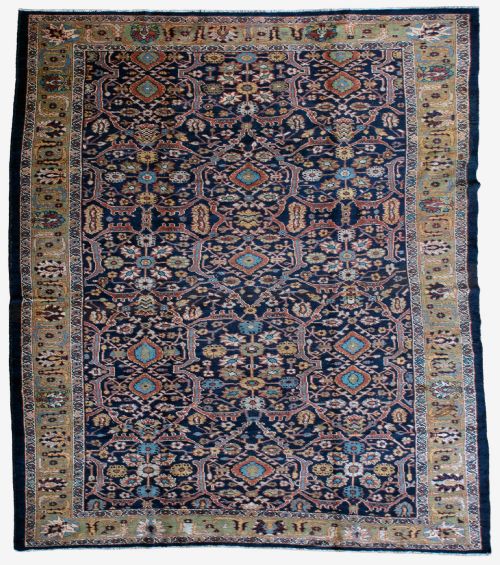
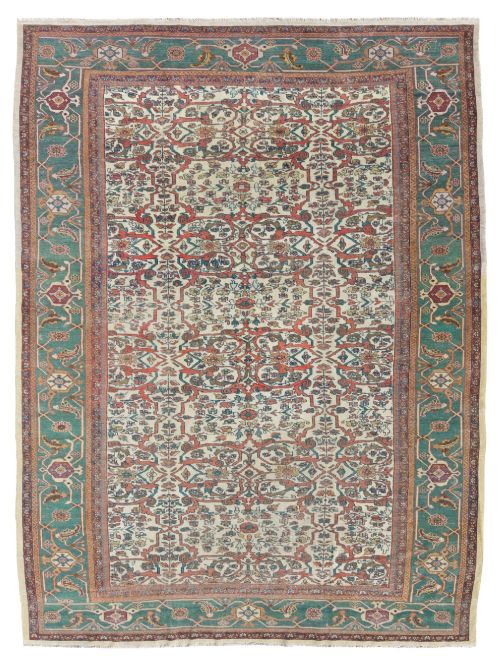
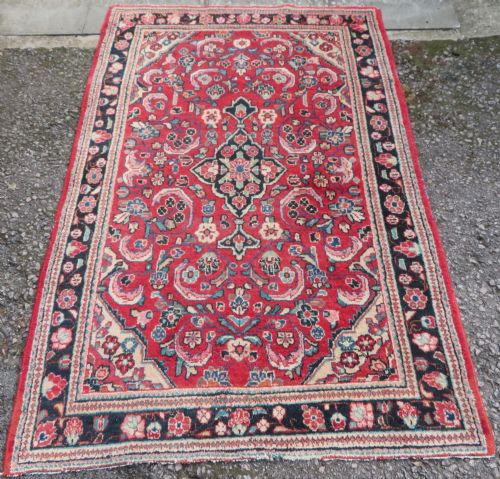
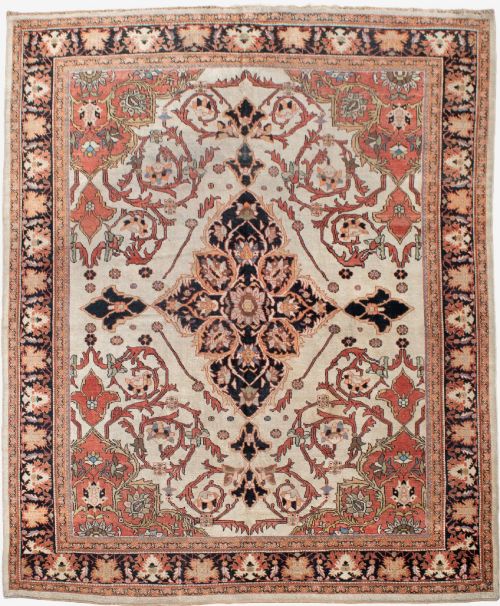
A vintage sultanabad area rug brings grand Persian tradition into a room through large-scale floral patterns and weathered wool.
Vintage Sultanabad Area Rug
A vintage sultanabad area rug represents the monumental carpet weaving traditions of Western Persia, specifically originating from the Sultanabad region and nearby Mahal villages. These floor coverings date predominantly across the late nineteenth and early twentieth centuries, spanning periods from eighteen seventy through to nineteen thirty.
Buyers examining these pieces encounter substantial formats, often encompassing large room-size carpets alongside specific village rug dimensions. The prevailing styles connect closely to traditional Persian designs, including distinguished Mahal and Ziegler visual traditions.
The aesthetic typically showcases expansive floral motifs and elaborate field patterns designed for gracious domestic interiors. Most examples appearing here reflect the enduring craftsmanship of West Persia during the nineteenth and twentieth centuries.
How they were made
Weavers constructed these carpets using natural wool for the pile, yielding a durable surface that softens gracefully over generations of use. Foundations commonly rely on sturdy cotton threads for the warp and weft, providing essential structural stability to large room-size formats.
The production involved hand-knotting techniques executed across workshops and village settings in West Persia. Artisans applied traditional vegetable and natural dyes to colour the wool, creating the nuanced, muted tones characteristic of antique Ziegler and Sultanabad weaving.
Manchester merchants once dictated Persian floral designs so Victorian drawing rooms could walk on art.
What varies in quality
The calibre of a rug rests upon the fineness of the knotting and the precision of the West Persian design execution. Denser knots allow for sharper delineation of floral motifs across large fields.
Proportion and balance within the traditional Persian composition distinguish finer examples from standard village production. The depth and harmony achieved through natural dye use further elevate the standing of superior pieces.
Ziegler and Co
The Vintage Sultanabad Area Rug Glossary
- Sultanabad
- A West Persian carpet-weaving centre known for producing large-scale decorative rugs with expansive floral designs. Pieces from this region often feature muted palettes suited to gracious interiors.
- Mahal
- A term describing carpets and rugs woven in the rural villages surrounding Sultanabad in West Persia. These village pieces frequently display charmingly idiosyncratic interpretations of traditional grand designs.
- Ziegler
- A reference to the Manchester firm Ziegler and Co that commissioned carpets in nineteenth-century Persia for Western export. These pieces typically combine traditional Persian motifs with softer, subdued colourways.
- Warp
- The vertical foundation threads stretched tightly on the loom before knotting begins. Cotton serves as the standard material for this structural grid in these West Persian rugs.
- Weft
- The horizontal threads passed through the warp alternating with rows of knots to secure the pile. This construction element determines the ultimate handle and flexibility of the carpet.
Vintage Sultanabad Area Rug: Frequently Asked Questions
What is a vintage sultanabad area rug?
A vintage sultanabad area rug is a hand-knotted Persian floor covering originating from the Sultanabad region of West Persia during the late nineteenth or early twentieth centuries. These pieces are celebrated for their grand floral motifs and decorative appeal in domestic spaces.
The listings here demonstrate production dates spanning from eighteen seventy to nineteen thirty, encompassing both town workshop pieces and rural village examples from the surrounding Mahal area.
How do sultanabad and mahal rugs differ?
Sultanabad rugs generally originate from organised workshop production in the city, featuring grander, more formal room-size proportions and sophisticated floral compositions. Mahal rugs typically stem from the surrounding West Persian villages, often displaying slightly more relaxed or idiosyncratic interpretations of traditional designs.
Both categories utilise wool pile on cotton foundations and share the distinct decorative aesthetic that defines West Persian weaving of the era.
What are ziegler carpets?
Ziegler carpets are nineteenth-century Persian rugs commissioned by the European firm Ziegler and Co specifically for Western markets. They are known for adapting traditional Persian Sultanabad designs into softer, more muted colour palettes that suited European drawing rooms.
Examples on this page date back to the late nineteenth century and represent a sophisticated commercial synthesis of Persian craftsmanship and European interior taste.
How should I live with a wool rug?
Living with a wool and cotton antique rug involves placing the piece in low-to-moderate traffic areas to preserve the hand-knotted pile. Regular gentle vacuuming without a beater bar helps maintain the wool fibres over time.
Allowing the natural patina of the vegetable dyes to interact with your room creates a warm, historic atmosphere that improves as the antique wool settles into daily life.