


Vintage Style Yellow Pendant
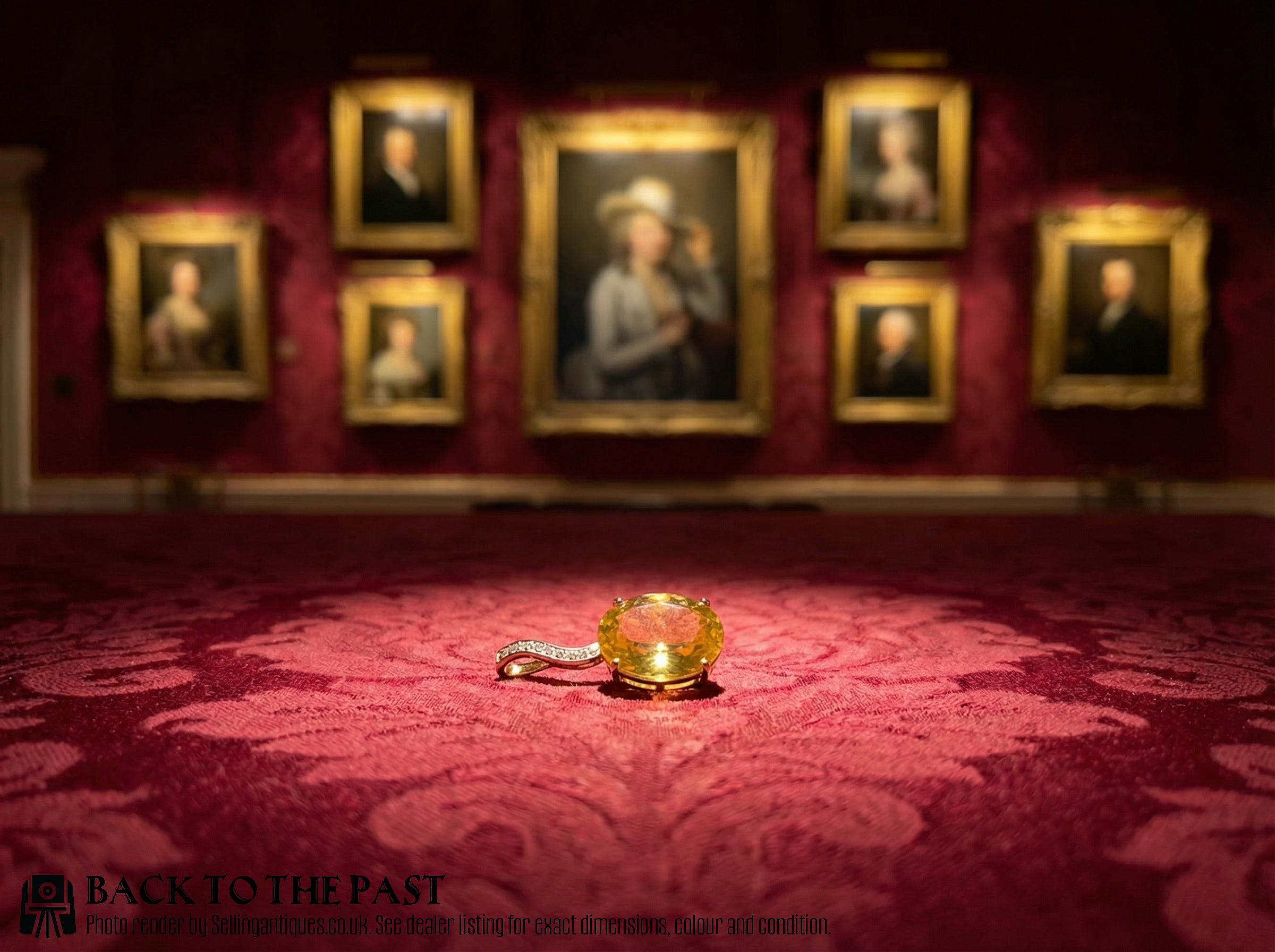
A vintage style yellow pendant brings together warm gold tones and coloured stones in pieces drawn from the Edwardian era through to the mid-twentieth century.
Vintage Style Yellow Pendant
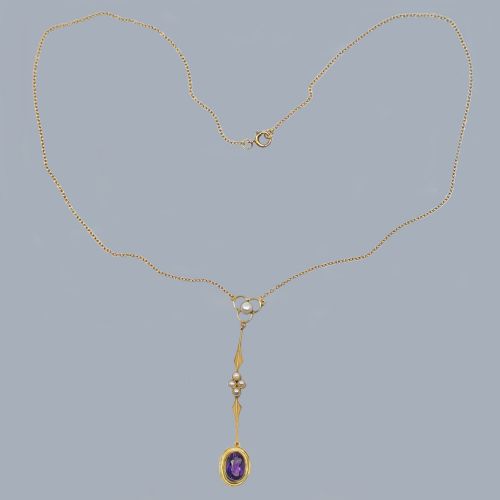
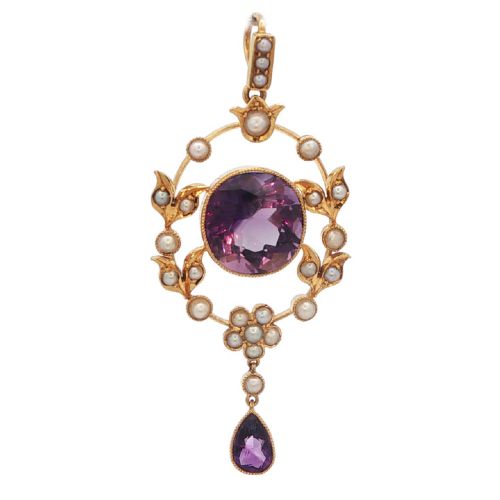
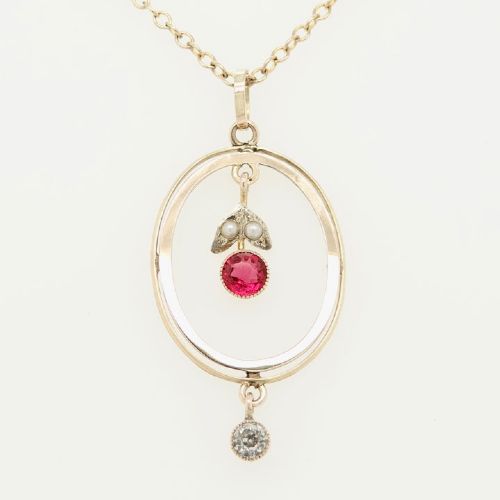
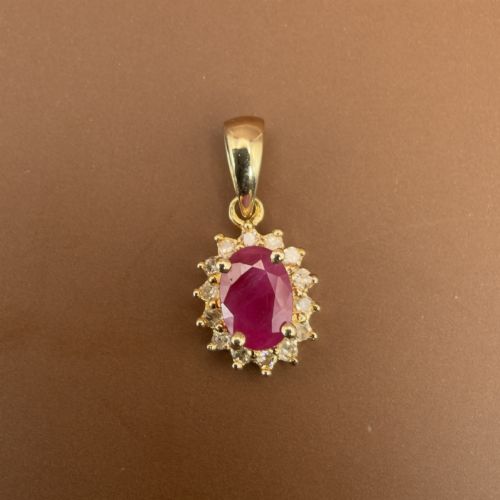
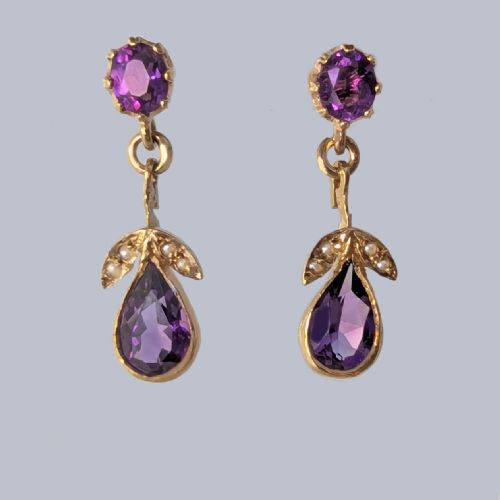
When you search for a vintage style yellow pendant, you encounter pieces spanning the Edwardian period, the art deco years, and mid-century design. The selections on this page feature yellow gold mounts paired with amethysts, seed pearls, peridots, and diamonds in drop, cluster, and lavalier formats.
The assortment leans heavily toward Edwardian garland styles and mid-century gemstone settings. These objects capture the warmth of yellow gold alongside traditional stones like garnet, ruby, and opal.
How they were made
Goldsmiths utilised nine carat and fifteen carat yellow gold, alongside higher carats, shaping the metal into delicate filigree, woven chains, and solid settings. Stones were precision-cut into ovals, pears, and cabochons, then secured with meticulous claw settings or bezel mounts.
Techniques from the early twentieth century combined hand-engraving with seed pearl stringing and enamel work. The integration of diamonds and coloured gems relied on traditional bench methods rather than modern mass production.
Listings incorporate gold carats ranging from nine to twenty-four, featuring periods from the Edwardian era through the nineteen-sixties.
What varies in quality
The calibre of a piece rests upon the crispness of the gold engraving and the structural integrity of the delicate wirework, such as lavalier drops and garland links. Superior examples retain secure stone settings and well-matched gemstone saturation.
Execution of detail separates standard items from finer works. Hand-woven chains and precisely aligned seed pearls demonstrate superior workshop competency compared to simpler cast components.
The Vintage Style Yellow Pendant Glossary
- Lavalier
- A pendant featuring a dangling stone or drop suspended from a central motif, popular during the early twentieth century. This design style often incorporates delicate seed pearls and amethysts.
- Seed pearl
- A very small, natural or cultured pearl used extensively in Edwardian and Victorian jewellery. These tiny pearls are typically threaded on silk or fine wire within garland motifs.
- Cabochon
- A gemstone shaped and polished with a smooth, rounded surface rather than faceted edges. This cut is frequently utilised for opals, moonstones, and sapphires.
- Garland style
- An architectural jewellery motif inspired by eighteenth-century swags and ribbons, prominent during the Edwardian era. It relies on symmetrical platinum or gold wirework framing coloured stones.
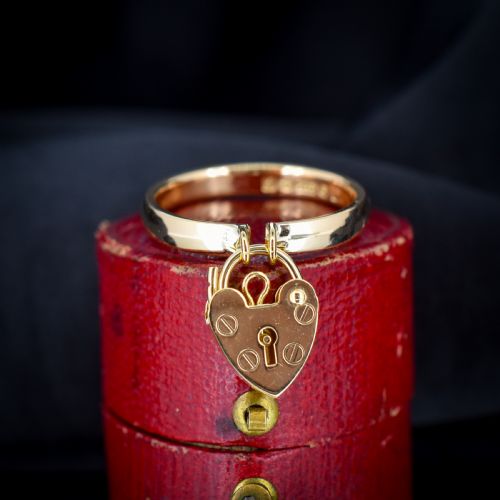
- Padlock charm
- A small, functional or decorative padlock form used on bracelets and pendants during the Victorian and vintage periods. Many examples feature detailed surface engraving.
Vintage Style Yellow Pendant: Frequently Asked Questions
How do I style a vintage pendant?
Pair the piece with simple necklines that allow the yellow gold and coloured gemstones to remain the focal point. Combining them with period-appropriate chains enhances the authentic aesthetic.
Consider layering shorter drops with longer vintage chains for a textured look. Ensure the metal tones complement one another when mixing eras.
What gold carats are common?
Most pieces utilise nine carat or fifteen carat yellow gold, reflecting British and European standards of the early to mid-twentieth century. Higher carats like eighteen and twenty-four carat gold also appear in specific continental items.
Lower carats provide durability for intricate wirework, while higher carats offer a richer, deeper yellow hue. Each variation determines the overall weight and warmth of the mount.
Are these pieces solid gold?
The items featured are constructed from solid yellow gold rather than plated base metals. Hallmarks and metal tests confirm the integrity of the gold standard used.
Solid construction ensures longevity and allows for traditional repair methods if necessary. This material quality maintains the lasting value of the jewellery.
How do I date a pendant?
Dating relies on stylistic markers such as Edwardian garland motifs, art deco geometric lines, or mid-century cluster settings. Hallmarks stamped into the gold provide specific assay office markers and date letters where present.
Comparing the stone-cutting technique alongside the mounting style helps narrow the decade of production. Documentation from the maker or period context further clarifies the timeline.