





Vintage Style Bookshelf
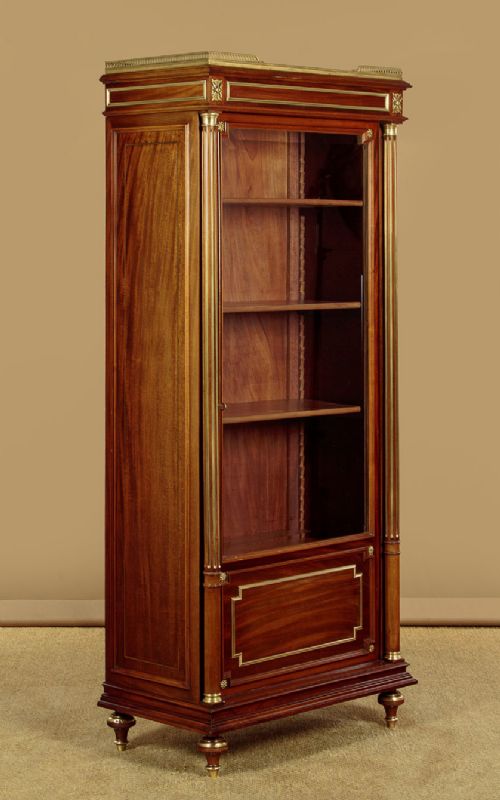
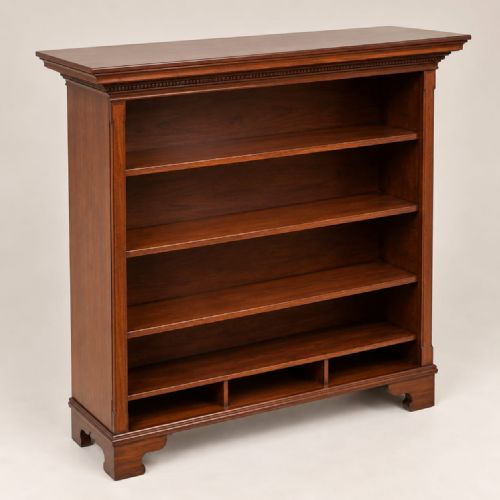
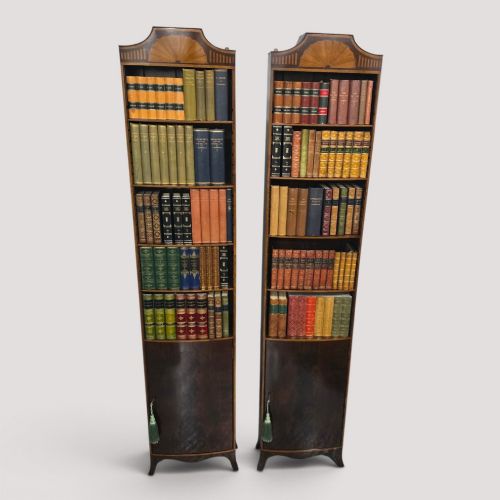
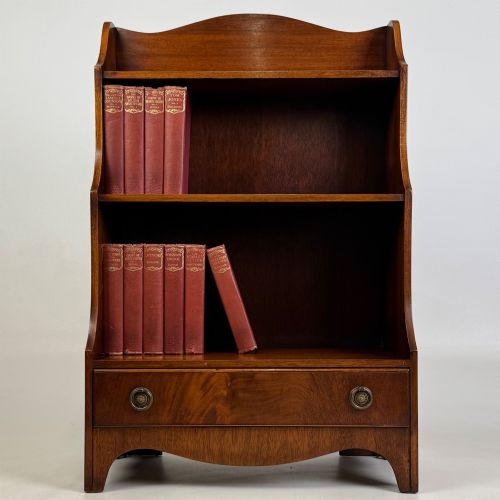
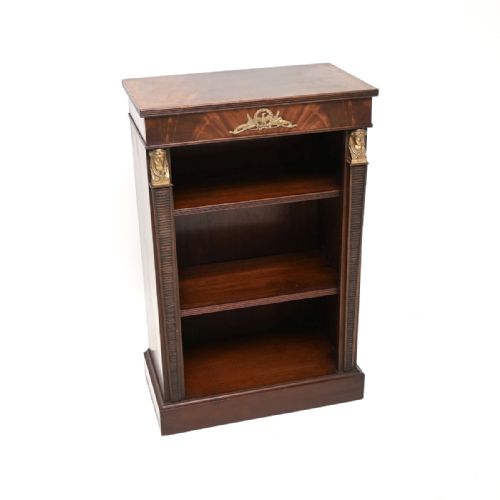
A vintage style bookshelf gathers books and display pieces together in solid oak, mahogany, and walnut.
Vintage Style Bookshelf
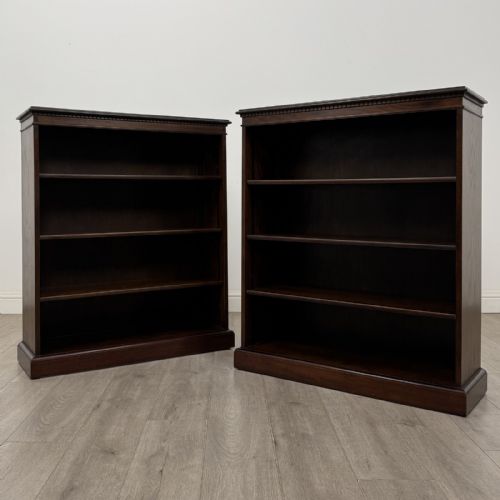
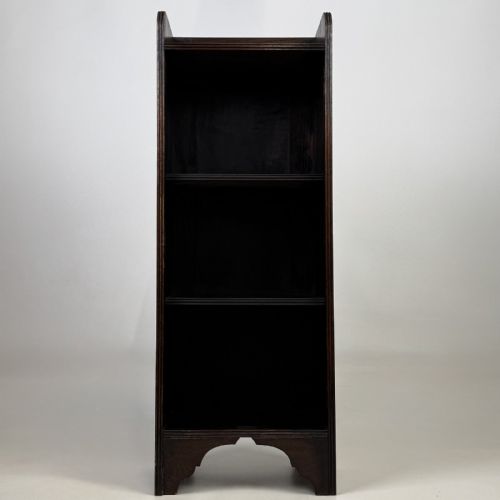
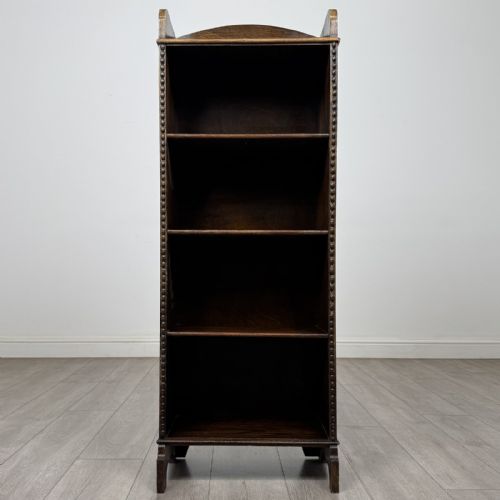
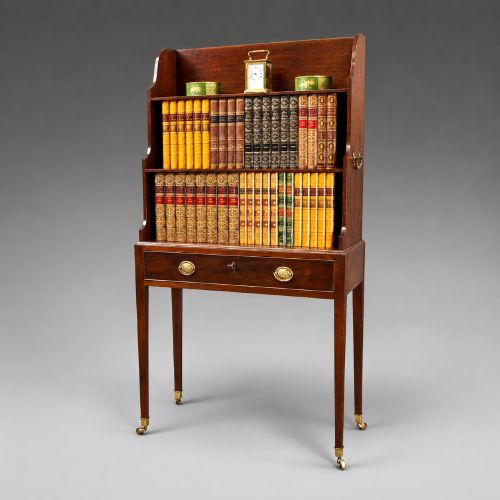
When you search for vintage style bookshelf, you encounter open bookcases, revolving bookcases, wall shelves, and tiered whatnots spanning from the nineteenth century through the interwar decades. The selection leans heavily toward open formats in oak and mahogany, constructed to hold working libraries and display collections in domestic rooms.
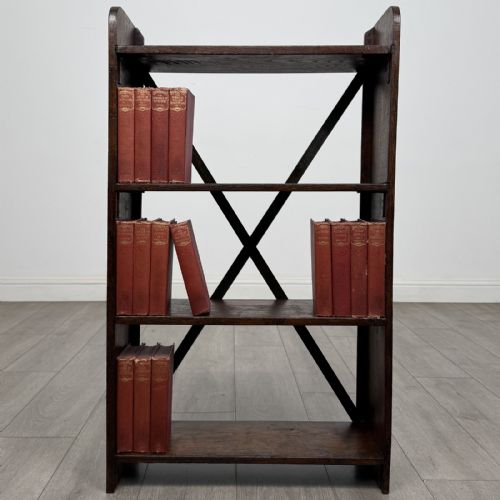
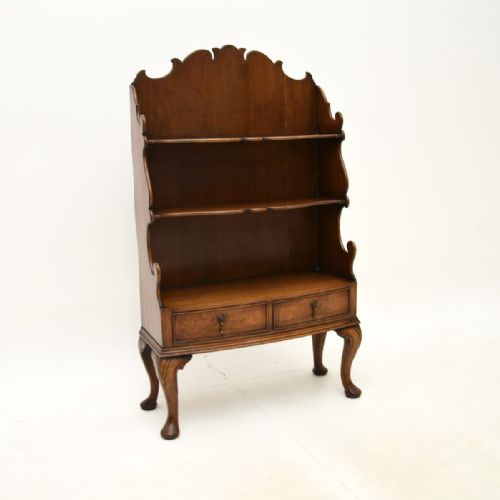
The pieces on this page range from compact Edwardian mahogany units and Arts and Crafts oak shelving to revival pieces adopting Georgian, Regency, and Empire forms. Makers such as Ercol, Waring and Gillows, and Wylie and Lochhead appear alongside unmarked vernacular cabinetwork.
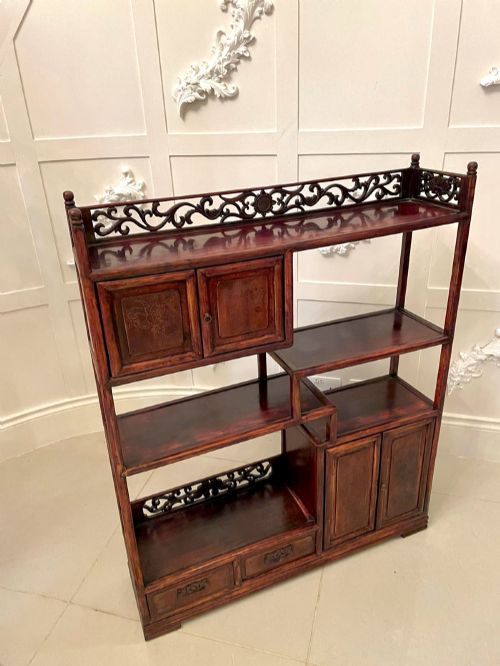
Forms vary from narrow wall-hanging shelves and revolving table models to tall multi-shelf open bookcases fitted with adjustable shelves or raised galleries. Buyers select these items to house reading matter while introducing period timber and proportion into a modern interior.
Materials and construction methods
Cabinetmakers built these shelves using solid hardwoods like oak, mahogany, walnut, and satinwood, frequently enhanced with boxwood stringing, brass mounts, and iron cross braces. Timber selection governed the weight and grain presence, whether working with the plain utility of early twentieth-century oak or the figured flame mahogany of Edwardian revolving units.
Joinery techniques relied on traditional housing joints, dovetails for drawer boxes where present, and straightforward mechanical or slotted uprights for adjustable shelving. Metal components such as brass brackets and iron structural crosses provided functional support and decorative contrast to the timber surfaces.
Vintage Style Bookshelf Retail Price Guide 2026
Typical asking prices for vintage style bookshelf among the pieces listed under this phrase on Sellingantiques today, from the lower quarter to the upper quarter. They describe what is for sale here now, not the wider market.
Several pieces feature iron cross braces on the back, turning structural reinforcement into an early industrial design statement.
Distinctions in construction and design
Quality separates along the lines of timber selection, joinery precision, and the presence of considered design details like shaped sides, inlaid banding, or carved galleries. Pieces displaying thoughtful proportions and branded workshop attribution stand apart from utilitarian storage.
The integration of secondary materials defines the upper tier, where solid brass mounts, carefully chosen burr walnut veneers, or integrated iron bracing elevate a simple storage shelf into a distinct piece of furniture.
Ercol·Waring and Gillows·Wylie Lochhead·E.A. Taylor
The Vintage Style Bookshelf Glossary
- Open bookcase
- A bookcase lacking doors, designed for immediate access to books and objects. These pieces rely on fixed or adjustable shelves supported by vertical sides.
- Revolving bookcase
- A compact bookcase mounted on a turntable base allowing rotation to access books from all sides. These units typically sit on low tables or floor stands.
- Whatnot
- A piece of furniture comprising multiple open tiers supported by vertical posts, used for displaying ornaments or books. Examples include corner units and tiered étagères.
- Gallery
- A raised ornamental border running along the top edge of a shelf or cabinet. Galleries prevent items from sliding off and often feature pierced or arched woodwork.
- Inlay
- A decorative technique where contrasting woods or metals like boxwood and brass are inserted into recesses within the primary timber surface to form patterns.
Vintage Style Bookshelf: Frequently Asked Questions
What is an open bookcase?
An open bookcase is a piece of furniture designed without doors, featuring horizontal shelves set between vertical panels to hold books.
These units allow direct access to volumes and function as display spaces for decorative objects within a room.
How do revolving bookcases work?
Revolving bookcases sit upon a concealed internal pivot mechanism that allows the entire structure to spin smoothly in either direction.
This design enables users to reach a larger collection of books from a single seated position without moving the furniture.
Where were whatnots used?
Whatnots served as tiered display furniture in nineteenth-century drawing rooms and parlours to hold decorative ornaments and small volumes.
Their multi-tiered open shelves allowed light to pass through while keeping small collections arranged neatly off the floor.
What timber was used most?
Oak and mahogany appear most frequently across these listings, supplemented by walnut, satinwood, and exotic hardwoods.
Cabinetmakers selected these timbers for their structural strength, grain pattern, and ability to take fine finishes and inlay work.