

Vintage Style Bookcase
A vintage style bookcase brings character and practical storage to a room, offering period charm through rich timbers and classic revival forms.
Vintage Style Bookcase
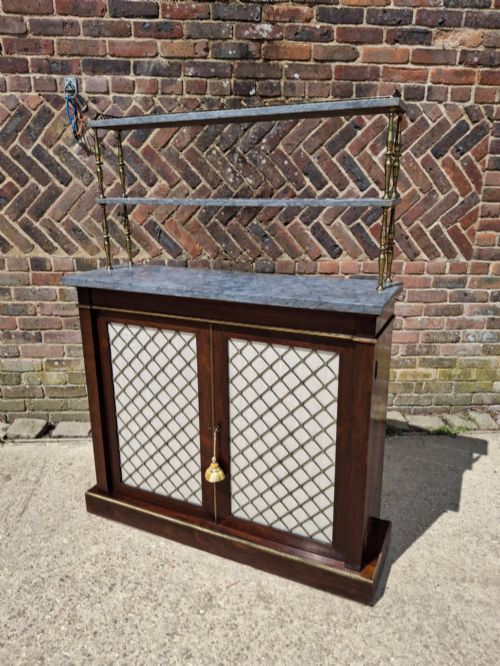
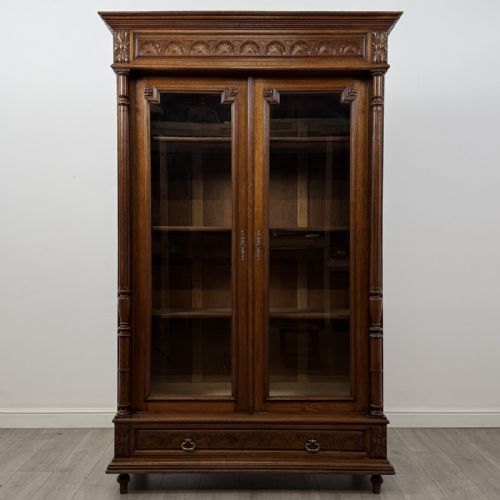
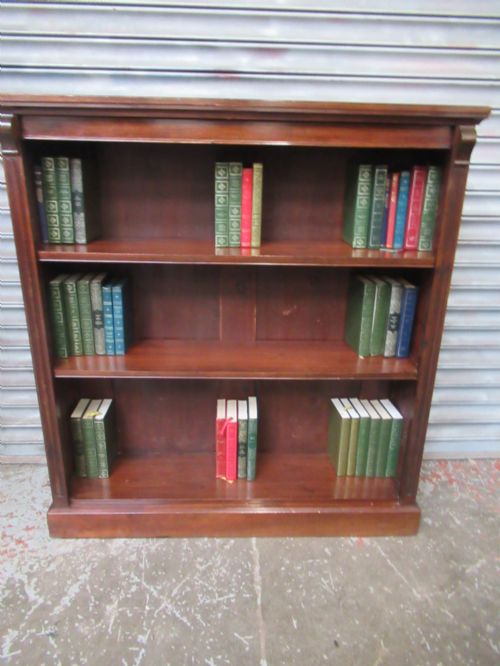
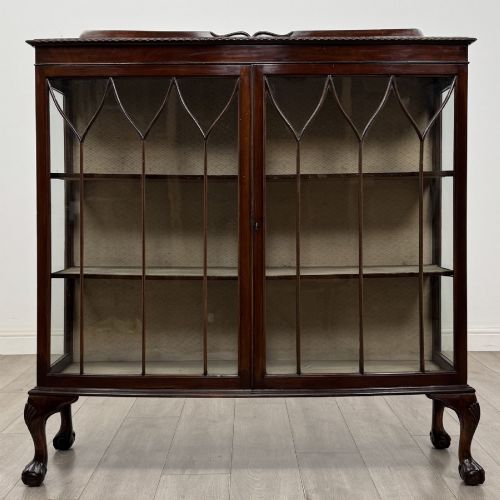
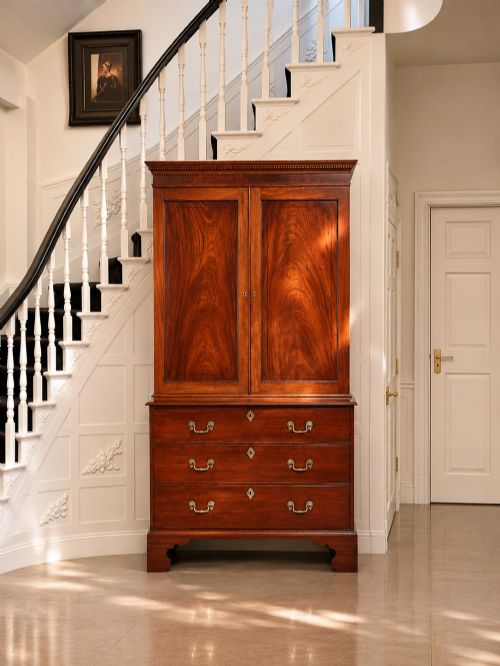
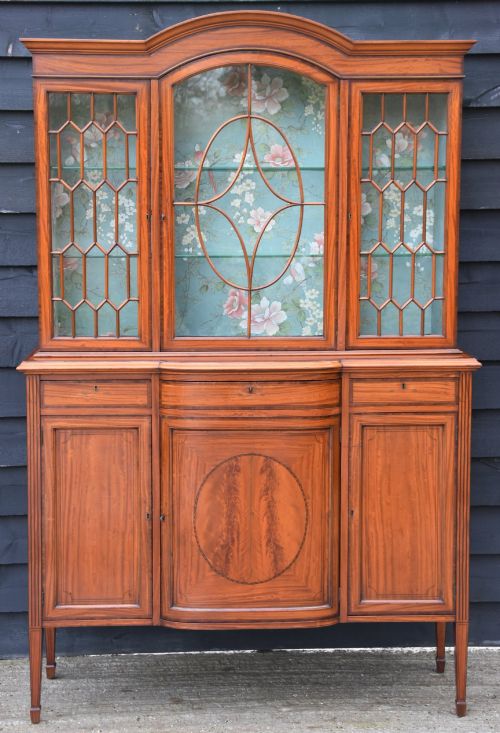
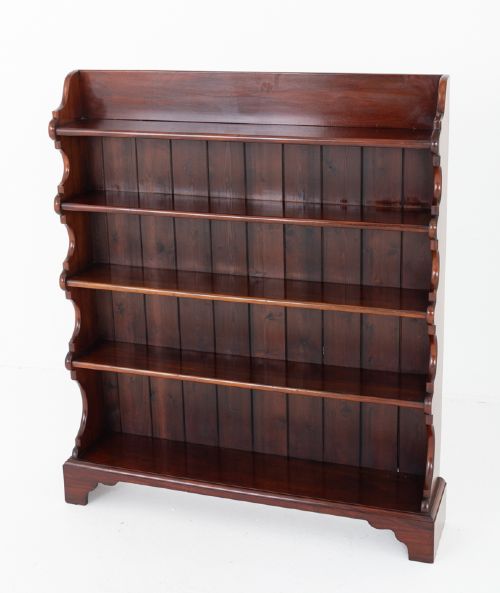
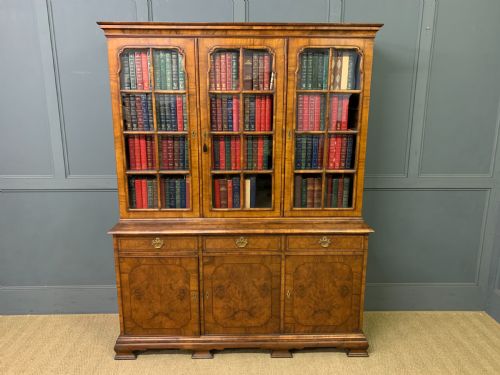
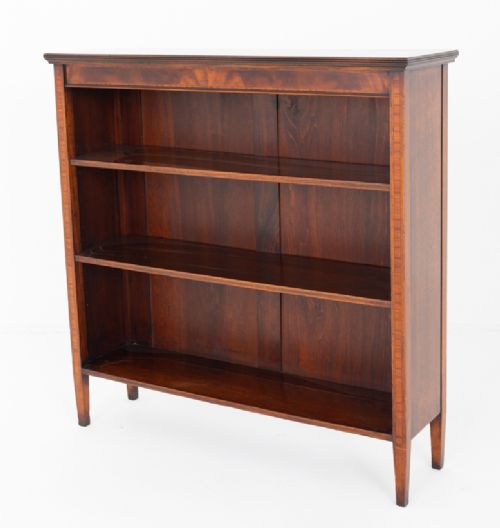
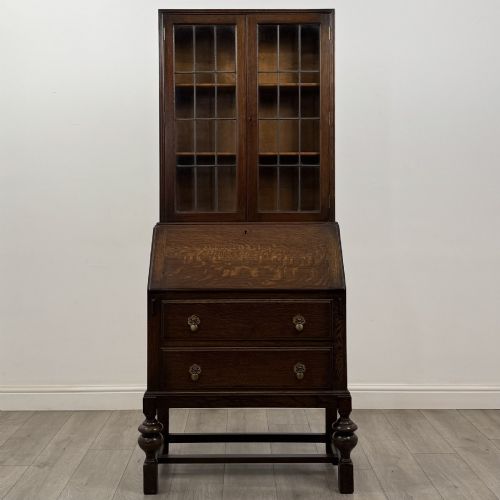
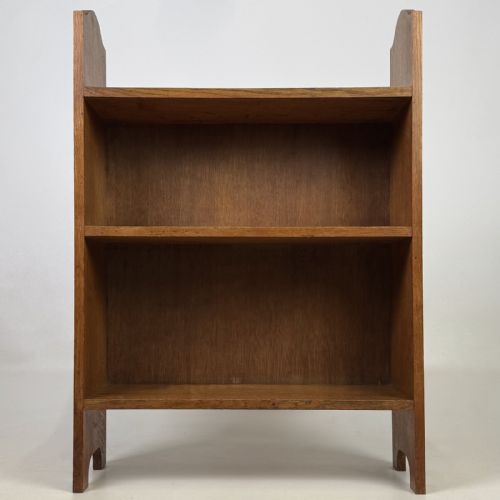
A vintage style bookcase encompasses sturdy open shelving, glazed display cabinets, and fitted bureau bookcases designed to house collections and organise libraries. These pieces draw on aesthetic traditions spanning from the Victorian and Edwardian eras back to Georgian and Jacobean revivals.
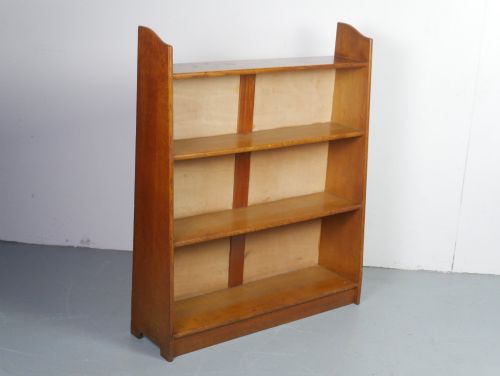
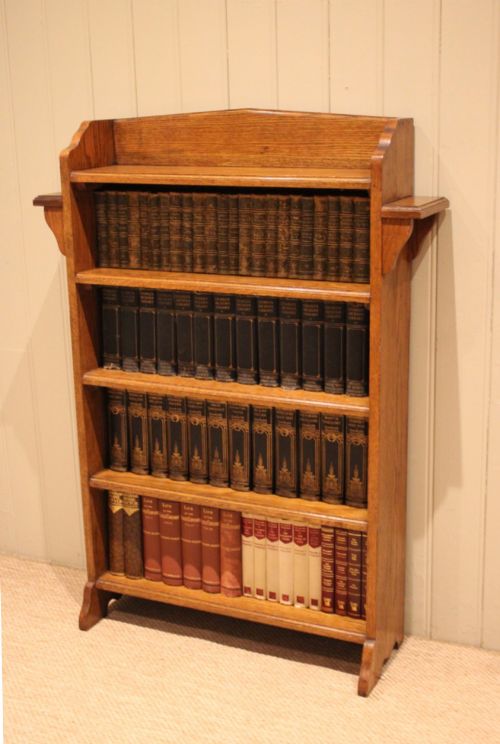
Buyers most frequently encounter early twentieth-century oak open bookcases and sectional stacking units alongside mahogany glazed cabinets. These forms suit modern interiors while retaining the proportion and craftsmanship of their original periods.
How they were made
Cabinet makers utilised dense hardwoods including mahogany, oak, and burr walnut, often selecting figured veneers to create visual depth on doors and panels. Brass hardware, leaded glass, and iron details complete the construction of these storage pieces.
Joinery techniques such as adjustable shelving systems, panelled doors, and sectional stacking modules reflect the functional demands placed on libraries and studies over the past two centuries.
Vintage Style Bookcase Retail Price Guide 2026
Typical asking prices for vintage style bookcase among the pieces listed under this phrase on Sellingantiques today, from the lower quarter to the upper quarter. They describe what is for sale here now, not the wider market.
Recorded revival styles include Jacobean, Sheraton, Chippendale, and Georgian designs applied to modular shelving, bureau cabinets, and wall racks.
What varies in quality
The standard of a vintage style bookcase rests on the selection of timber and the precision of revival details like carved galleries, barley twist legs, and inlaid motifs. Pieces retaining original glass panes, functional locks, and adjustable wooden shelving demonstrate superior craftsmanship.
Proportion and structural integrity distinguish finer examples, where joints remain tight and doors hang true without sagging. The refinement of mouldings and the clarity of grain patterns separate utilitarian items from work produced by established workshops.
Gunn·Minty of Oxford·Gunn Furniture·Lebus·Globe Wernicke
The Vintage Style Bookcase Glossary
- Bureau bookcase
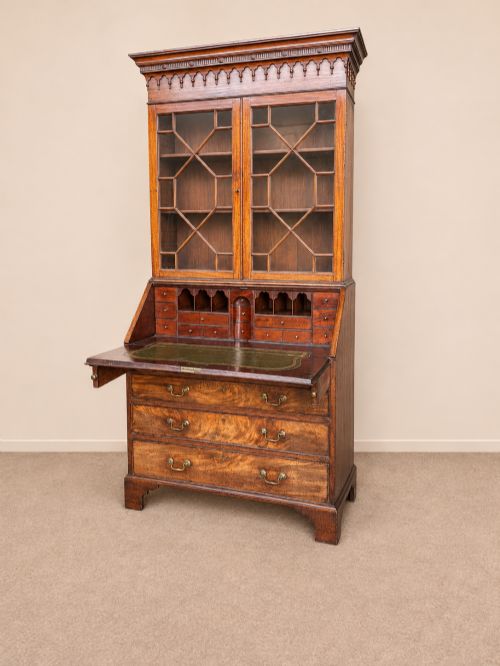
- A combination of a sloping desk front and upper shelving or cabinet doors. This form provides a compact writing surface alongside enclosed storage.
- Barristers bookcase
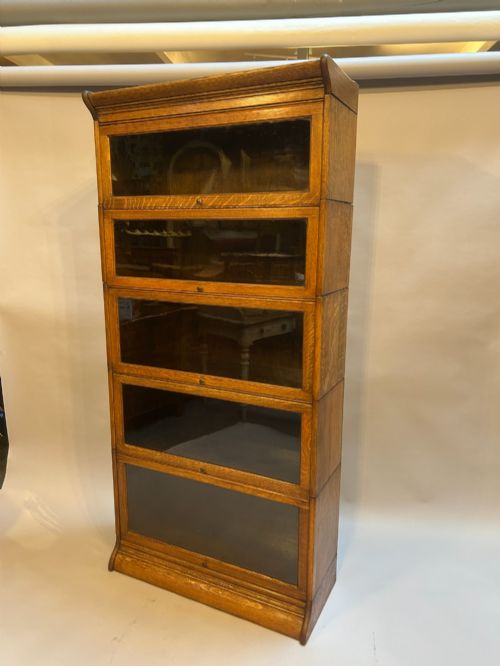
- A sectional stacking cabinet featuring glazed upward-opening doors. These units allow modular expansion while protecting volumes from dust.
- Astral glazed
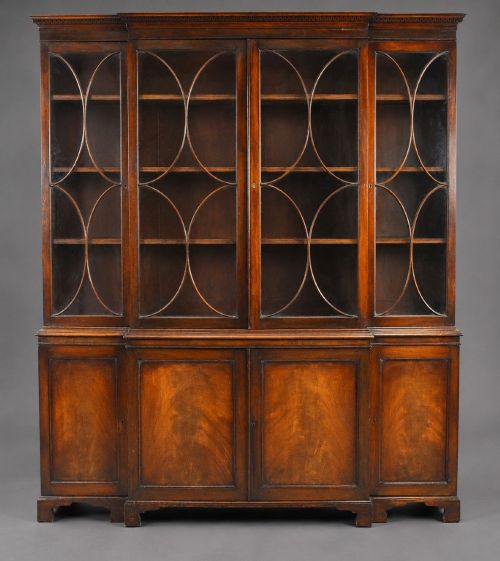
- Door glass divided into small panes by narrow wooden bars. This technique creates a light, grid-like pattern across cabinet fronts.
- Gallery
- A raised decorative border around the top shelf of a bookcase. It prevents items from sliding off the edge.
- Breakfront
- A cabinet design where the central section projects forward from the flanking wings. This architectural arrangement adds depth and shadow to large pieces.
Vintage Style Bookcase: Frequently Asked Questions
How do I choose the right size bookcase?
Measure your available wall space and consider the height of your ceilings alongside the depth of your volumes. Narrow open shelves suit tight alcoves, while breakfront cabinets require wider clearances to display properly.
Take into account whether you need adjustable shelving to accommodate oversized books or closed cabinet space to store items securely out of sight.
What is a stacking bookcase?
A stacking bookcase consists of modular wooden sections that sit one upon another, usually featuring glass doors that lift and slide inside the case. This design originated to protect growing libraries in offices and homes.
Sections can be separated and rearranged, making these modular units practical for moving between rooms or adapting to new layouts.
Are these bookcases suitable for modern homes?
These pieces integrate easily into contemporary interiors by providing functional storage that anchors a room with natural timber textures. Open oak shelves and compact corner cabinets fit well into sitting rooms and studies.
Pairing period cabinetry with modern seating creates a balanced room layout that mixes textures and historical periods without cluttering the floor plan.
How do I care for antique wood furniture?
Maintain timber surfaces by dusting regularly with a dry cloth and avoiding placement near direct heat sources or strong sunlight. These precautions prevent wood from drying out and timber veneers from lifting over time.
Apply traditional wax sparingly when the surface appears dry, buffing gently to preserve the natural lustre of mahogany, walnut, or oak without building up heavy residues.