
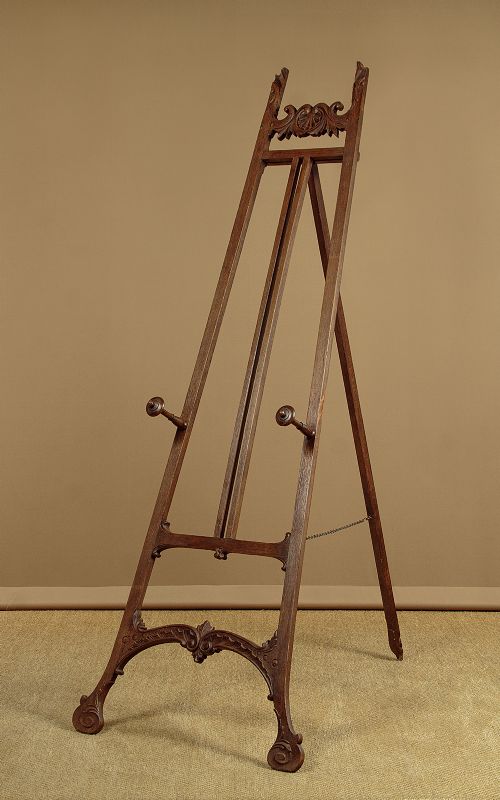


Vintage Studio Easel
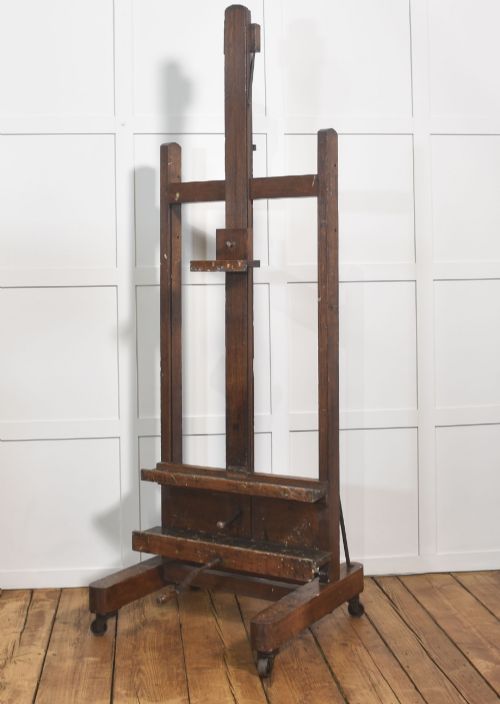
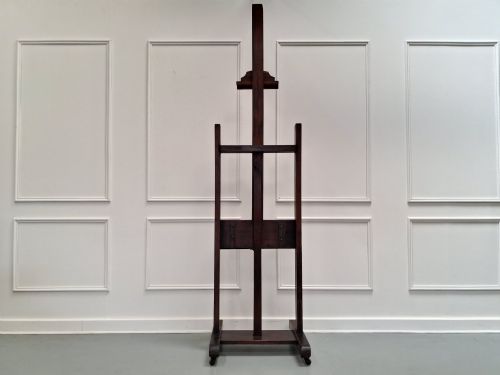
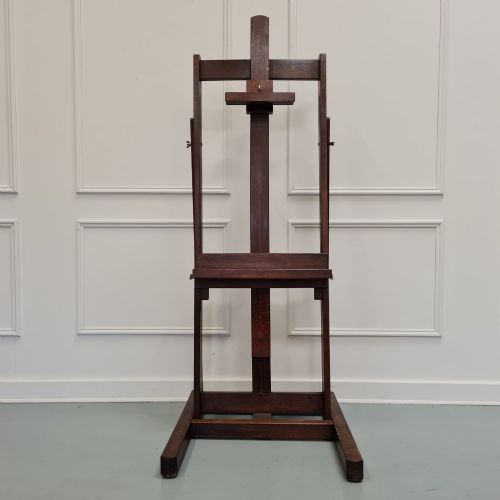
A vintage studio easel brings serious architectural presence to a room, holding canvases or large artwork with sturdy, time-tested mechanics.
Vintage Studio Easel
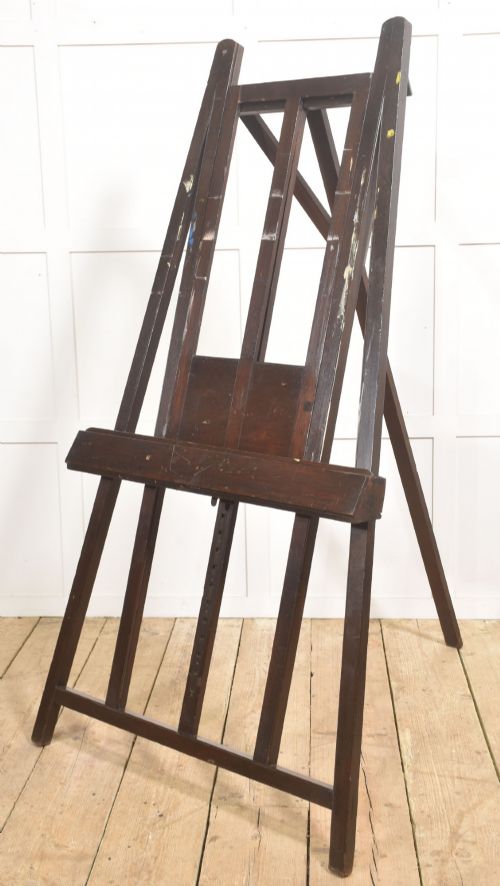
A vintage studio easel provides a functional centrepiece for displaying art or supporting work, encompassing forms from grand floor-standing models to compact tabletop versions. When searching for a vintage studio easel, buyers encounter substantial pieces designed to bear considerable weight.
The selection ranges from large nineteenth century floor-standing frames to French provincial oak examples and carved display stands. These objects combine practical utility with distinct period character, drawing from Victorian, Edwardian, and twentieth-century traditions.
How they were made
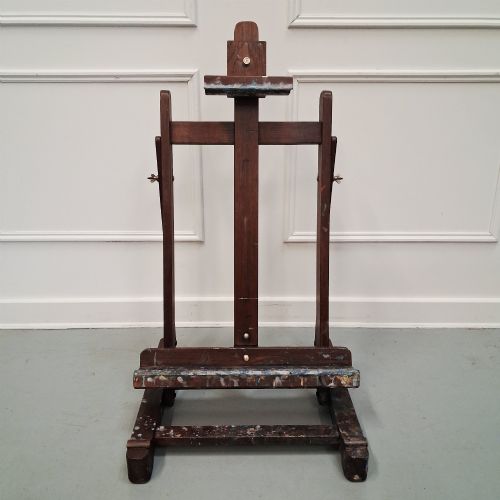
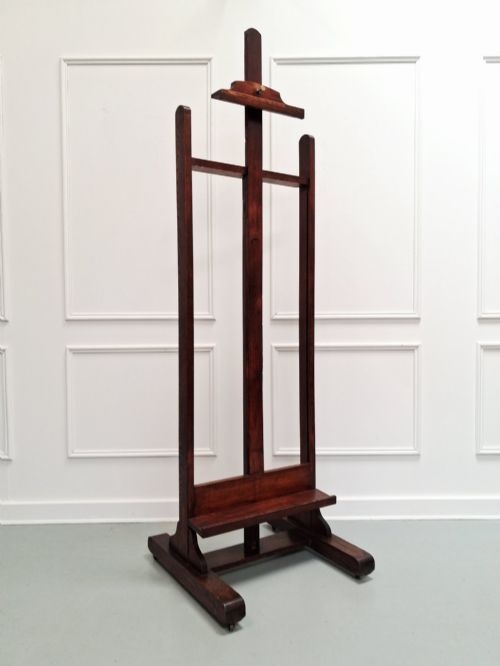
Construction relies heavily on durable hardwoods like oak and mahogany, selected for their strength and ability to endure heavy studio use. Metal and cast iron components often feature in the fully adjustable mechanisms that control height and angle.
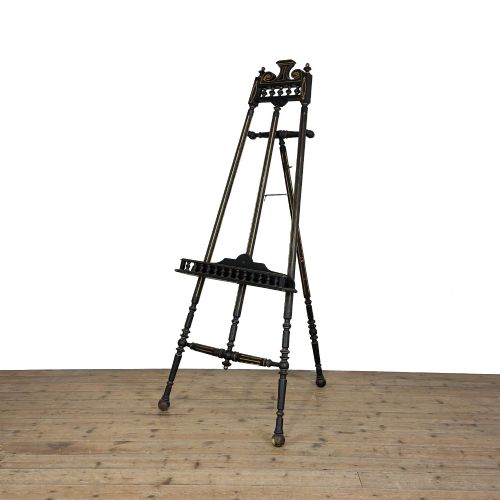
Finishes vary from ebonised wood and gold leaf accents to natural grain French oak and pitch pine. Joinery is robust, designed to withstand the daily adjustments required by working artists.
Look closely for the occasional whimsical touch, such as a large nineteenth century studio easel featuring a carved swan design.
What varies in quality
Quality rests primarily on the sophistication of the adjustment mechanisms and the integrity of the timber. Fully adjustable nineteenth-century examples with smooth-working brass and iron winding gear stand apart from simpler static display pieces.
The choice of material also dictates grade, with dense hardwoods like mahogany and figured oak representing superior craftsmanship compared to simpler utility pine. Original surface patination and retention of maker elements further elevate a piece.
Windsor and Newton
The Vintage Studio Easel Glossary
- Aesthetic Movement
- A late nineteenth-century style focusing on visual beauty rather than narrative or moral themes. Pieces from this movement often feature ebonised wood finishes.
- Double sided gallery easel
- A large exhibition stand designed to display artwork on both front and reverse simultaneously. These substantial pieces served commercial galleries and major studios.
- Ebonised wood
- Timber treated to resemble dark ebony wood, popular in Victorian cabinet making and studio furniture. It provides a stark, formal backdrop for gilt frames.
- Fully adjustable easel
- A stand equipped with mechanical winders or ratchets to alter the height and rake of the canvas. This allows an artist to work seated or standing at various angles.
Vintage Studio Easel: Frequently Asked Questions
Can I use a vintage easel for daily painting?
Many of these sturdy wooden frames remain fully functional for modern artists.
Check that the adjustment mechanisms operate smoothly before loading them with heavy canvases.
How do I date an antique easel?
Dating relies on timber selection, brass hardware design, and specific stylistic clues like ebonised finishes or carved motifs.
Nineteenth-century models often feature robust cast iron winder gears and heavier structural timbers.
What is the difference between a studio and display easel?
Studio models are heavier, fully adjustable workhorses built to hold large canvases securely during the painting process.
Display stands are often lighter or feature decorative carving intended primarily for showing finished artwork.
How do I maintain an oak easel?
Keep wooden surfaces nourished with appropriate wax to prevent drying in modern heated rooms.
Avoid exposing metal adjustment screws to excessive moisture to preserve smooth operation.