

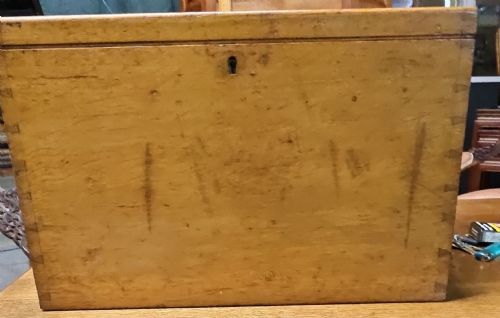
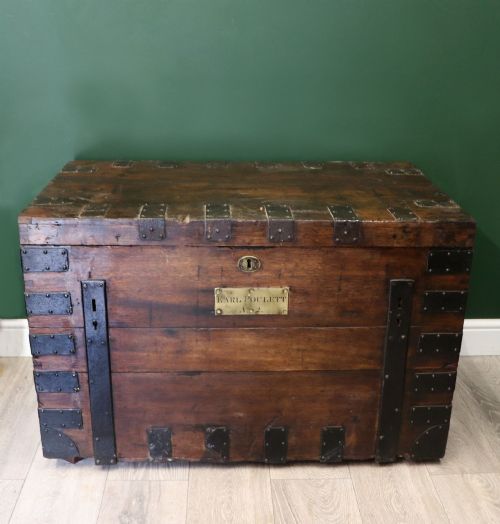
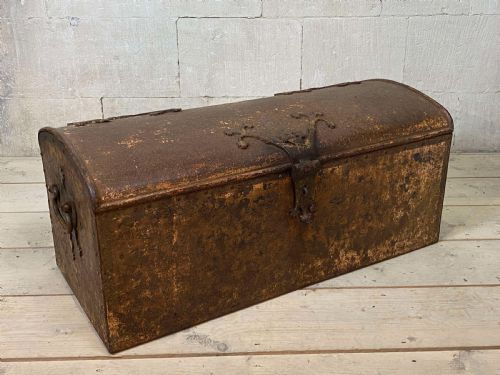
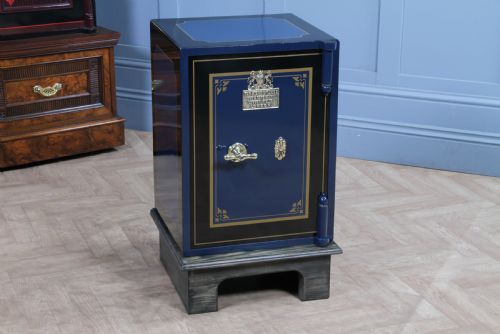


Vintage Strongbox
A vintage strongbox delivers robust historical security, combining heavy iron and banded oak to protect valuables with industrial weight.
Vintage Strongbox
A vintage strongbox encompasses heavy iron-banded chests, document boxes, and fireproof safes designed for secure domestic or commercial storage. These pieces bridge the gap between simple wooden caskets and complex mechanical security devices of the past.
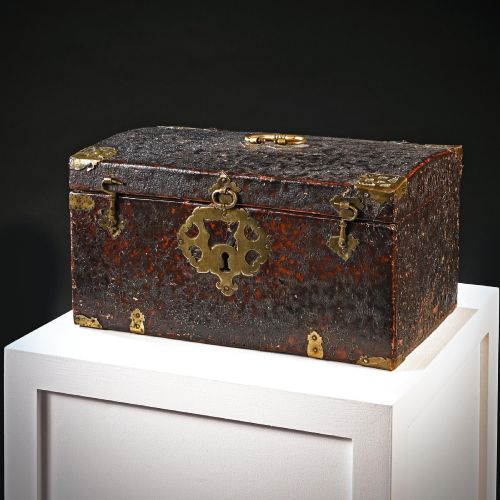
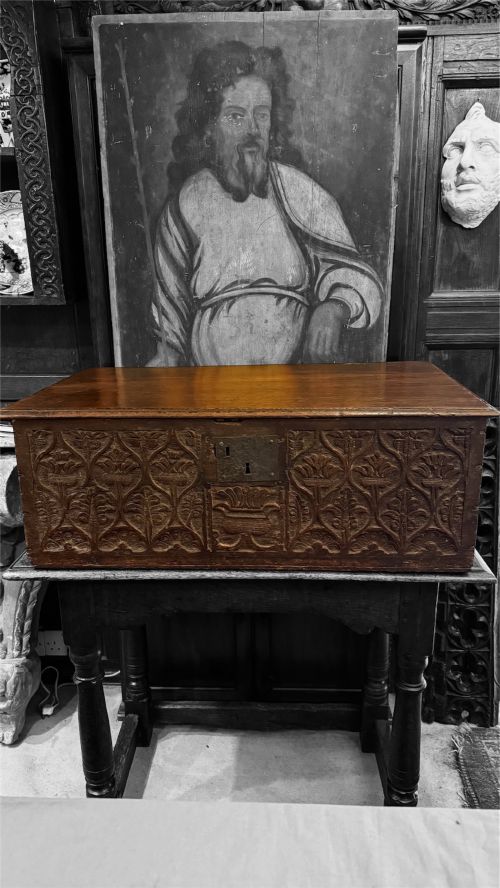
The most frequent examples encountered on this page date from the nineteenth century, ranging from country house silver chests to industrial manufacturer safes. Alongside these, earlier seventeenth-century oak and leather examples appear, showing a lineage of portable security.
Makers from various periods utilised timber, steel, and cast iron to build receptacles that endured centuries of use. Buyers encounter both rustic painted pine versions from Scandinavia and ornate manufacturer-stamped models from British industrial centres.
How they were made
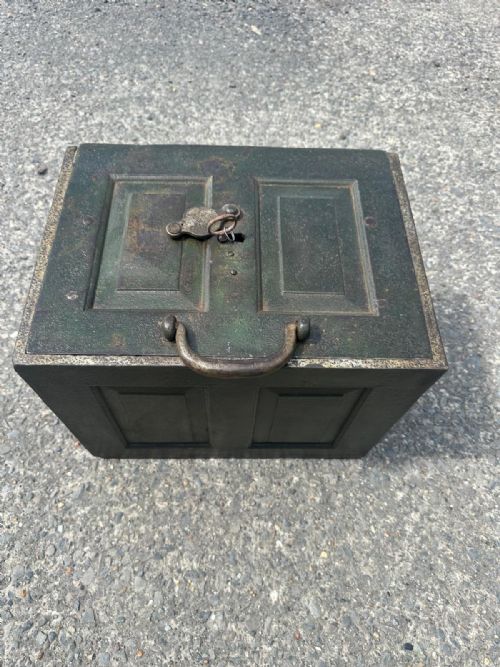
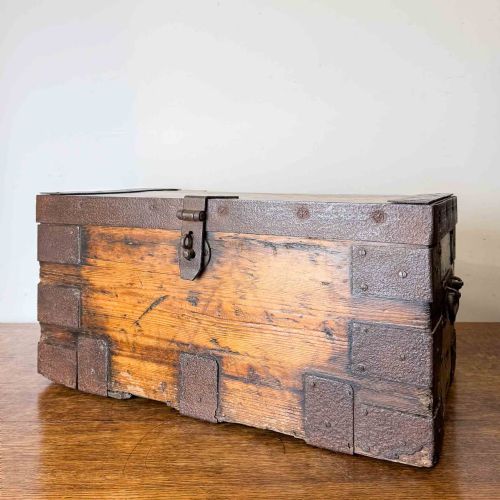
Makers constructed these sturdy receptacles using heavy timbers such as oak, elm, and pine, frequently reinforced with hand-wrought iron bands, straps, and corner braces. This dual construction provided resistance against both forced entry and fire.
Metalworking techniques involved cast iron and steel plates secured by complex internal locking mechanisms, often paired with brass hardware and hinges. Leather-covered variants relied on rigorous stitching over wooden carcasses for lightweight travel use.
Vintage Strongbox Retail Price Guide 2026
Typical asking prices for vintage strongbox among the pieces listed under this phrase on Sellingantiques today, from the lower quarter to the upper quarter. They describe what is for sale here now, not the wider market.
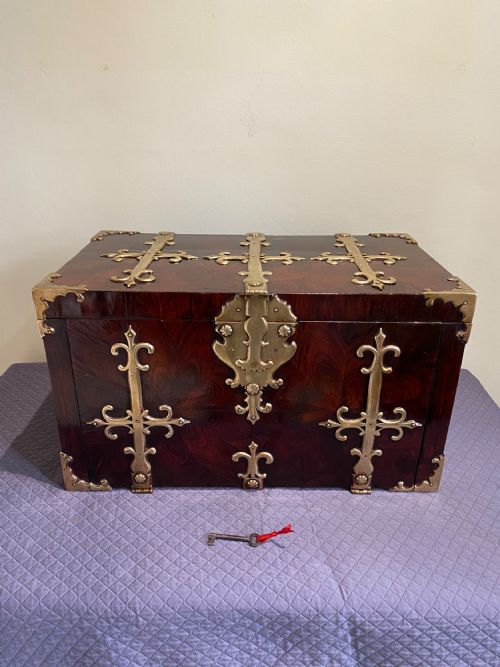
Materials recorded across the inventory include wrought iron, oak, pine, brass, elm, and kingwood.
What varies in quality
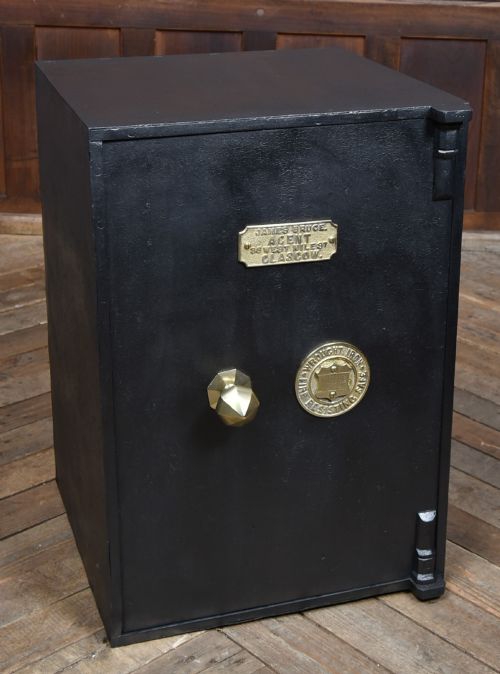
The distinction between ordinary utility boxes and top-tier examples rests upon the complexity of the locking mechanism and the integrity of the maker's signature. Safes bearing stamps from renowned manufacturers demonstrate superior engineering and heavier gauge iron construction.
Finish preservation dictates desirability, with original painted surfaces on Scandinavian pine or undisturbed patinated oak commanding greater interest. Secondary quality is marked by replacement hardware or clumsy iron repairs that obscure the original period aesthetic.
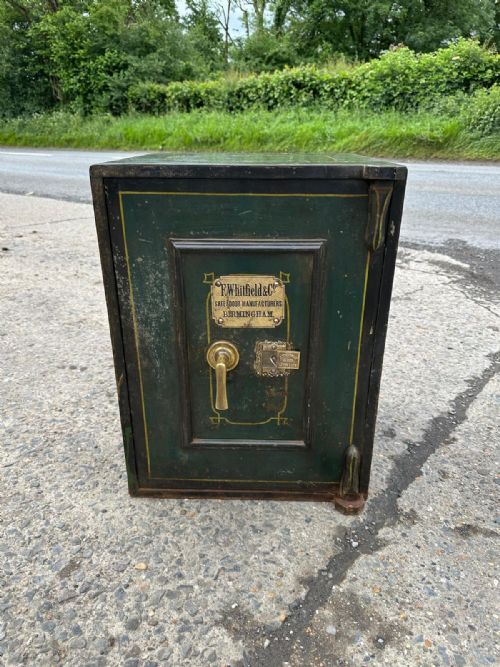
James Bruce·Tanns Defiance London·F. Whitfield and Co.·Milners of Liverpool·Waring and Sons·George Price
The Vintage Strongbox Glossary
- Strongbox
- A heavily reinforced chest or box designed for securing valuables, money, or important documents. These pieces often feature iron straps and complex locks.
- Coffer
- A large wooden chest, frequently bound in metal, used for storage and transport. Earlier examples display hand-Hewn joinery and simple board construction.
- Safe
- A heavy-duty iron or steel security cabinet designed to withstand fire and theft. Victorian iterations often incorporated ornate brass plates and intricate lever locks.
- Document box
- A smaller container proportioned specifically for holding legal papers, letters, or deeds. Many seventeenth-century versions utilised oak or leather-covered wood.
- Banded
- A method of reinforcing wooden chests with strips of iron or steel nailed across the grain. This technique added structural rigidity against pry bars.
Vintage Strongbox: Frequently Asked Questions
What were vintage strongboxes used for?
These receptacles served to secure family silver, legal deeds, currency, and trade documents against theft and fire in homes and offices.
Travellers and mail carriers also utilised portable locked chests to protect valuable parcels during transit across rough terrain.
How do I identify a seventeenth-century strongbox?
Seventeenth-century examples typically feature heavy oak construction, hand-forged iron strapwork, and primitive dovetail or board joinery. Their surfaces display deep patination rather than machine-sawn uniformity.
They often take the form of document bible boxes or leather-covered travel chests with basic internal compartments rather than heavy mechanical locks.
Where should I place a heavy iron safe at home?
Due to their substantial cast iron and steel weight, these pieces require solid ground-floor placement or reinforced structural support. Many collectors use low wooden stands to elevate them for easier access to the keys and locks.
Keep them away from damp environments to preserve the integrity of both the internal wooden linings and the exterior iron bands.