
Vintage Storage Unit
A vintage storage unit solves clutter with character, bringing period timber, brass and iron into daily use.
Vintage Storage Unit
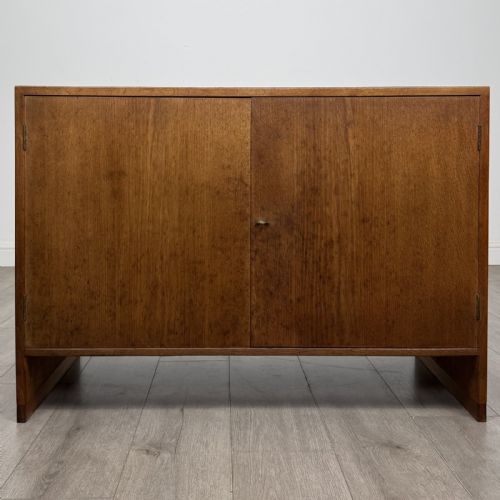
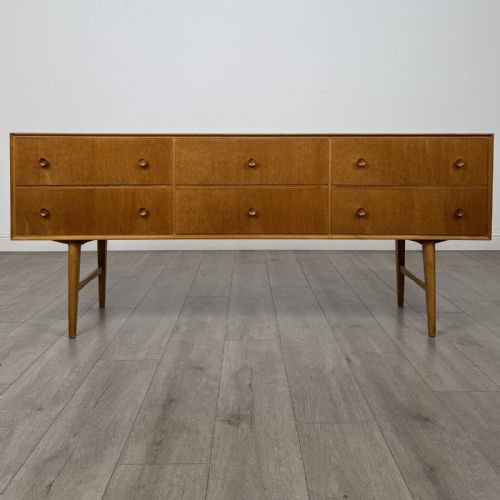
A vintage storage unit encompasses practical household furniture designed to hold items away from view, spanning chests of drawers, cupboards, bookcases and dressers. Buyers searching for this phrase encounter pieces dating from the nineteenth century through to the nineteen-thirties, reflecting diverse domestic and commercial origins.
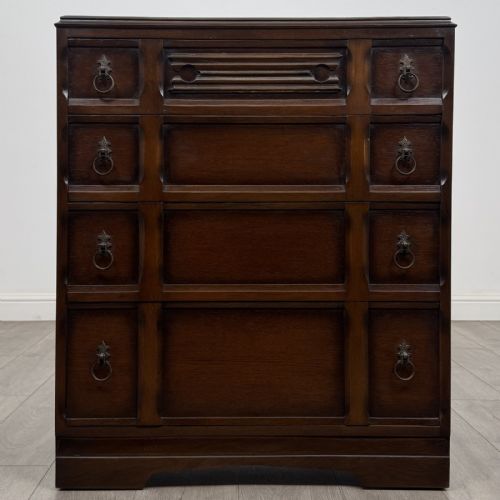
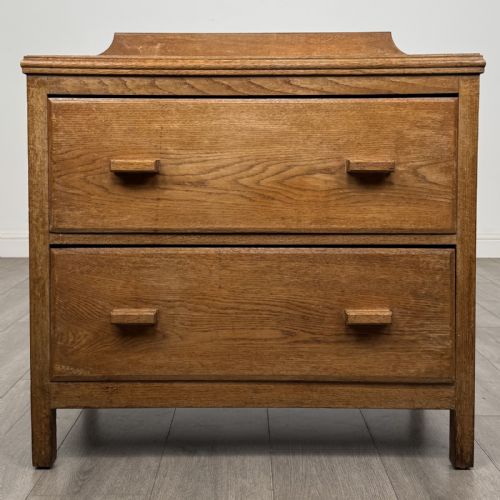
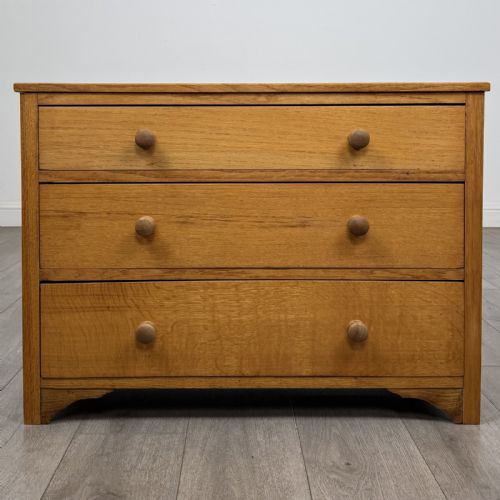
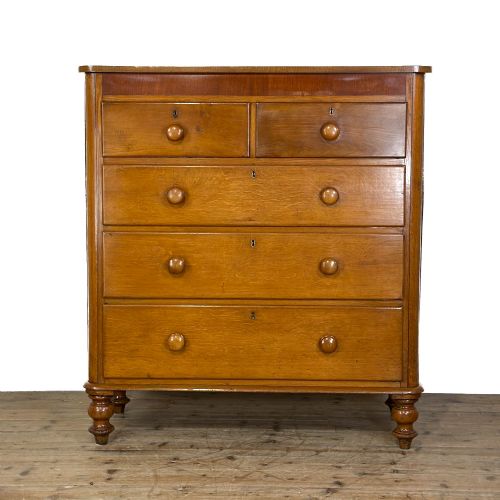
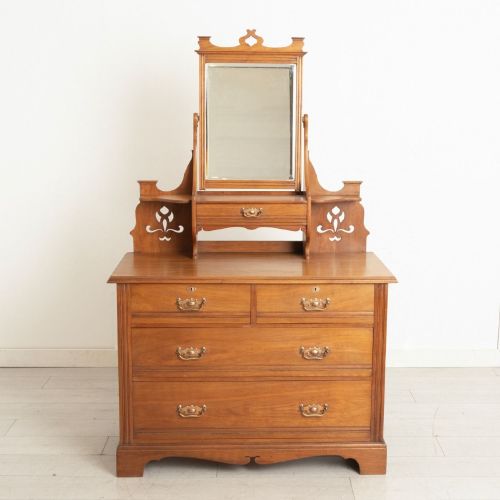
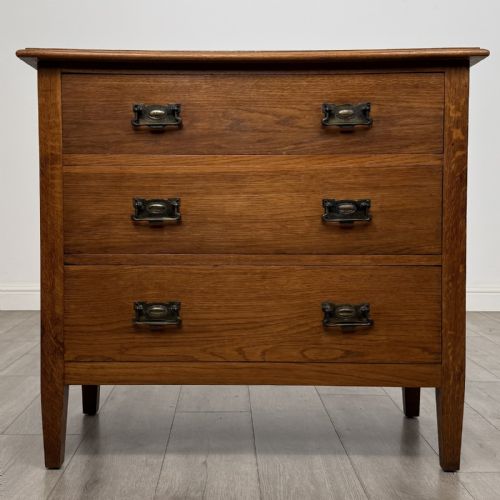
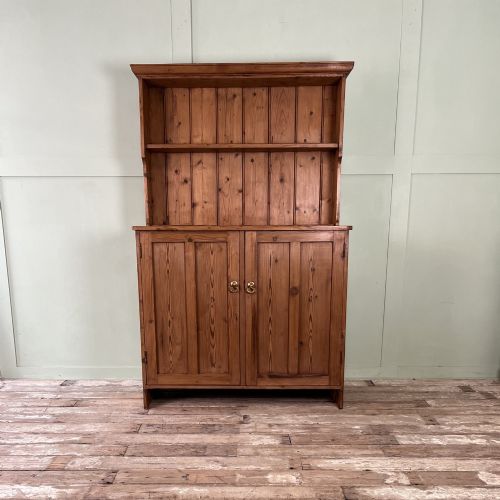
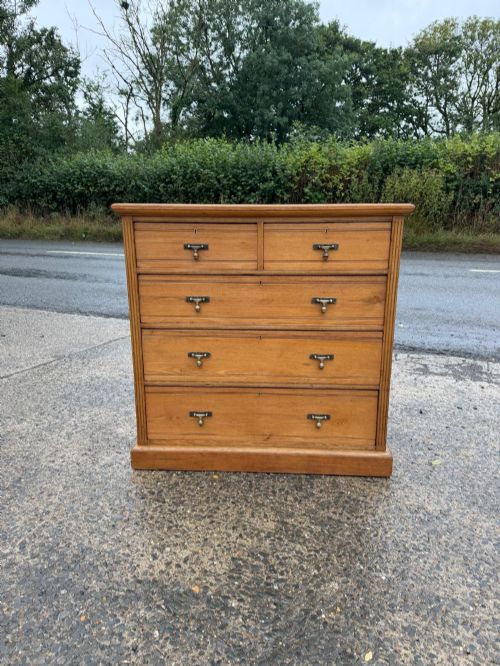
Oak chests of drawers with raised galleries and pine kitchen dressers appear frequently across the listings. These forms originate from Edwardian, Victorian and early twentieth-century workshops, serving utilitarian functions in bedrooms, kitchens and hallways.
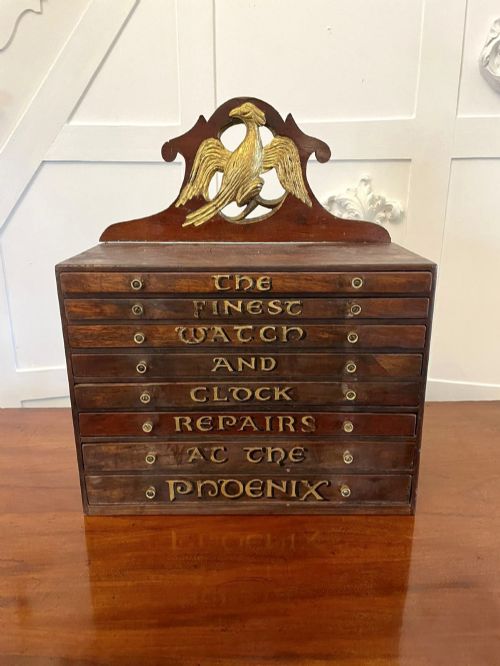
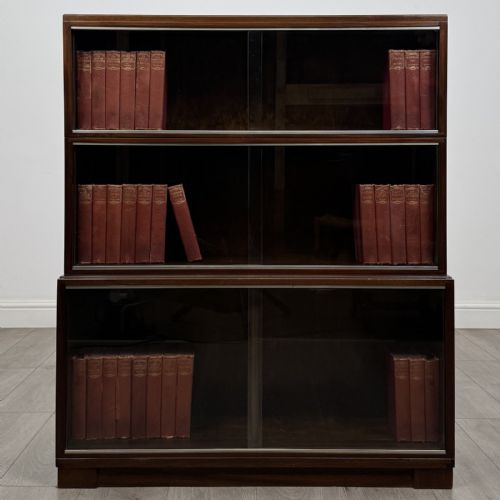
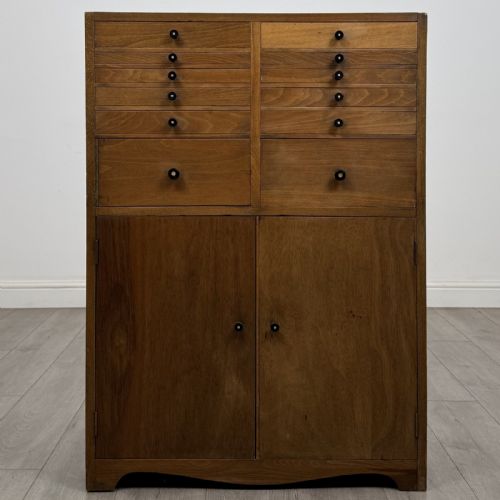
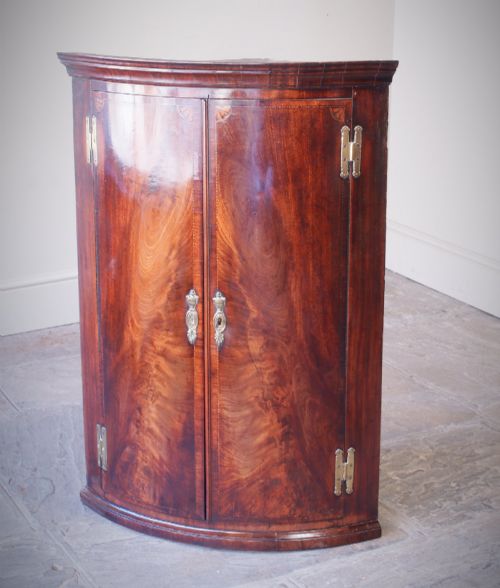
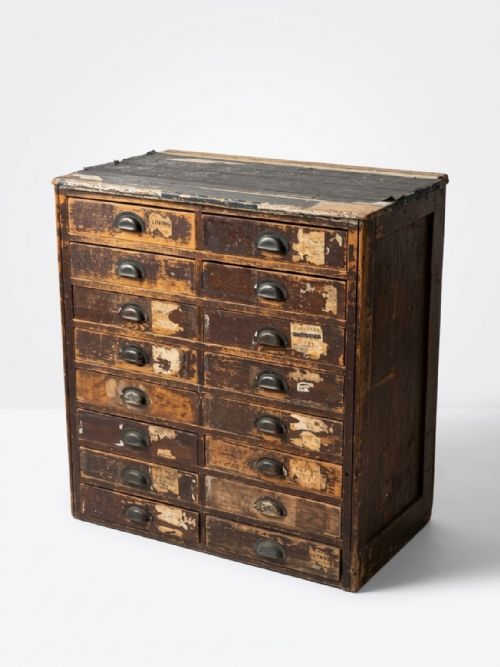
Specialised storage formats also emerge within the selection, including multi-drawer shop banks, glass-fronted display cabinets and corner cupboards. Such pieces demonstrate how earlier generations organised retail stock and household possessions.
Materials and construction
Cabinet makers relied heavily on domestic hardwoods and softwoods, predominantly utilising oak, walnut, mahogany and pine. These timbers provided the structural integrity required for heavy banks of drawers and tall bookcases.
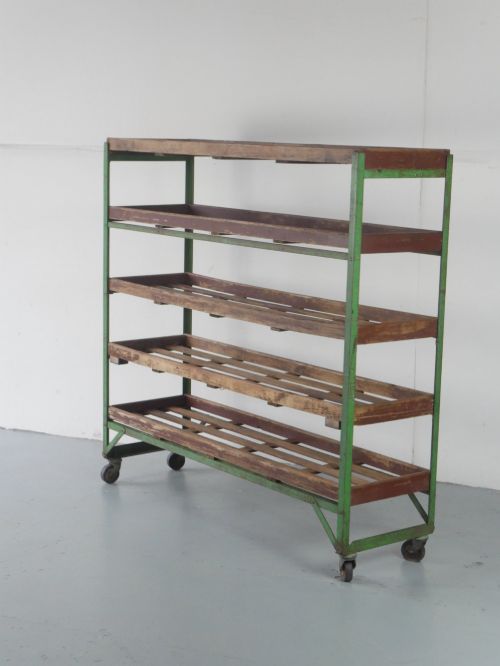
Hardware details such as brass acorn handles, original knob handles and leaded glass doors complete the construction. Iron and metal components also feature on industrial cabinets and shelving racks from the late nineteenth and early twentieth centuries.
Object forms range from multi-drawer shop banks and larder cupboards to corner cabinets and sheet music storage.
Craftsmanship and condition
Superior examples display precise joinery, intact original drawer linings and harmonious proportions across multi-drawer chests and sideboards. The quality of the timber selection, such as figured golden oak or rich mahogany grain, elevates the visual presence of a cabinet.
Original hardware, untouched surface patination and retained maker details distinguish finer pieces from altered or heavily restored items. Structural soundness in drawer runners and door hinges ensures practical utility remains aligned with historical integrity.
Shapland & Petter·Denby & Spinks·Luxmore's of Ilfracombe
The Vintage Storage Unit Glossary
- Raised gallery
- A low decorative upstand along the top rear edge of a chest of drawers or sideboard. This feature prevents items from sliding off the surface.
- Shop bank
- A large multi-drawer cabinet originally utilised in retail premises for stock organisation. These configurations often contain numerous small compartments.
- Corner cupboard
- A storage unit constructed with an angled footprint to fit neatly into room corners. Versions appear in both hanging wall formats and floor-standing units.
- Dresser
- A dual-purpose kitchen piece combining lower cupboards or drawers with upper shelving. Pine and oak predominate in these utilitarian domestic items.
- Tambour door
- A flexible door composed of narrow vertical strips of wood affixed to a canvas backing. This mechanism slides smoothly around a curved track.
Vintage Storage Unit: Frequently Asked Questions
How do I date a wooden storage cabinet?
Examine the timber species, handle styles, construction methods and drawer joint types to determine the manufacturing period. Secondary woods inside drawers often provide reliable clues regarding the exact era.
Compare the overall design proportions and decorative motifs against documented styles from the Victorian, Edwardian and early twentieth-century eras represented in the listings.
Are shop drawer banks suitable for home use?
Shop drawer banks offer exceptional storage capacity and visual impact for modern interiors. Their numerous small compartments suit the organisation of contemporary stationery, craft supplies or kitchen accessories.
Measure the available floor space carefully before purchase, as these commercial units often present deeper dimensions than standard domestic furniture.
What is the difference between a sideboard and a chest?
Sideboards combine cupboard space with lower drawers, traditionally utilised in dining rooms for serving and storage. Chests of drawers consist primarily of horizontal stacking drawers designed for clothing.
Many Edwardian and Victorian variants incorporate raised galleries or mirror backs, distinguishing dining room sideboards from bedroom storage chests.
How should I care for antique oak storage furniture?
Maintain antique oak and walnut surfaces by applying traditional beeswax periodically to nourish the timber. Avoid placing wooden cabinets in direct sunlight or near heat sources to prevent warping.
Dust regularly with a soft, dry cloth and lift pieces rather than dragging them across floors to protect structural joints and turned feet.