

Vintage Storage Buffet
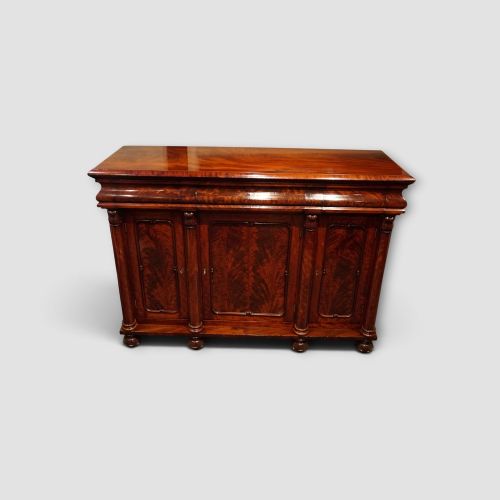
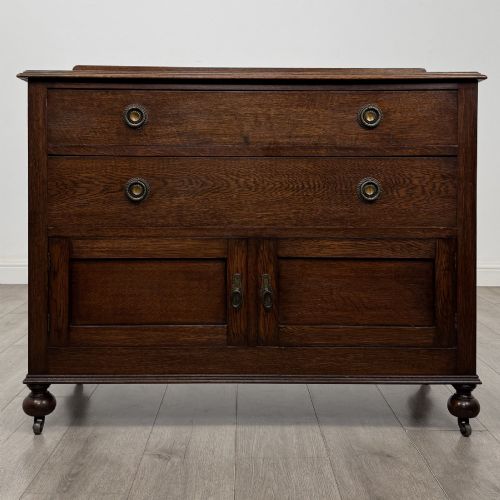
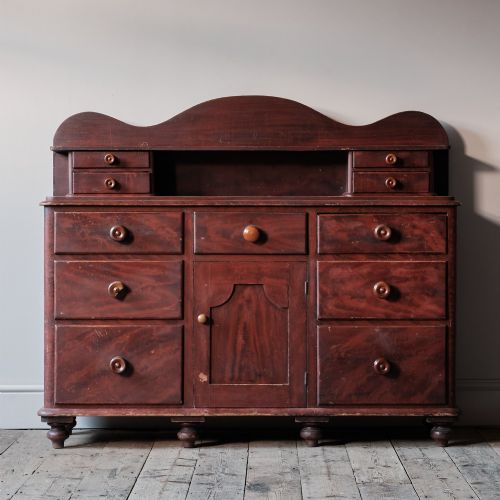
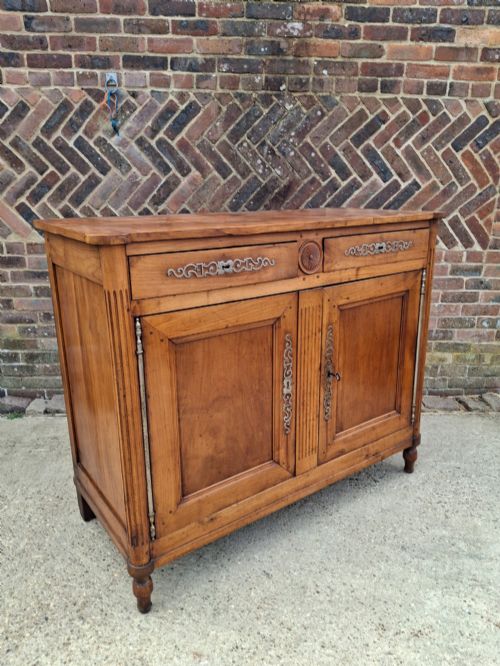
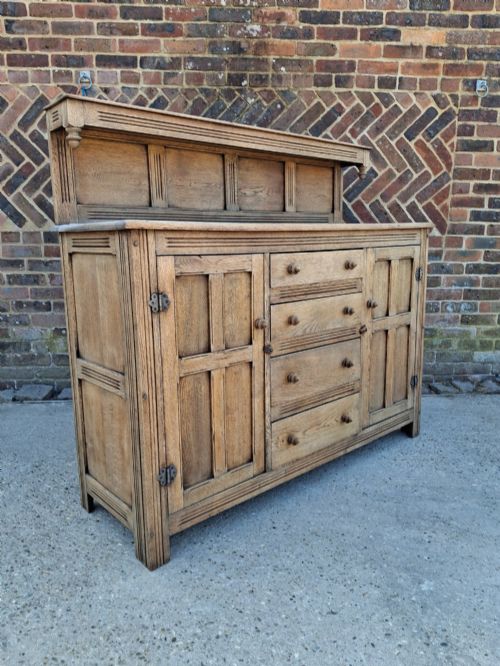
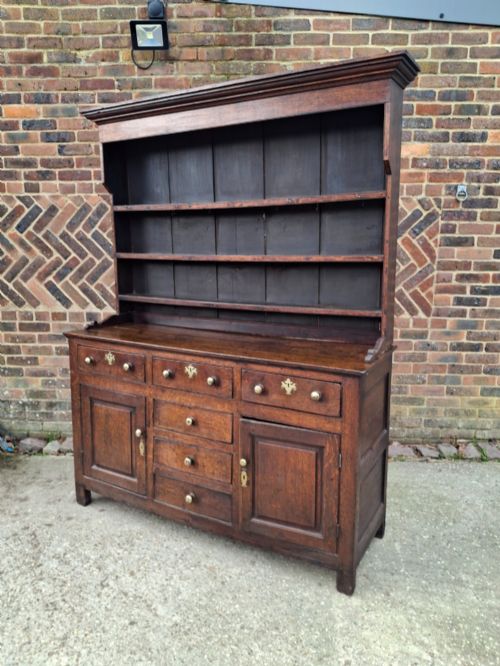
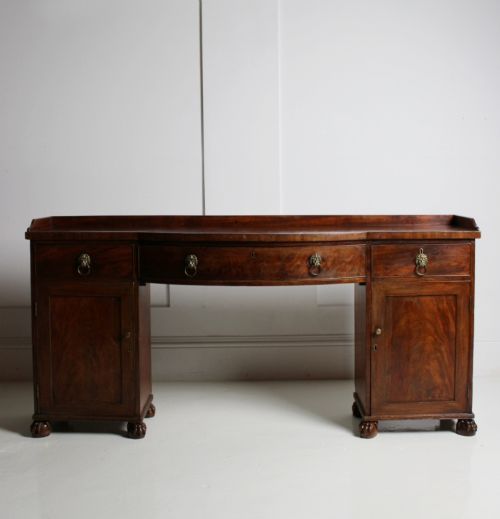
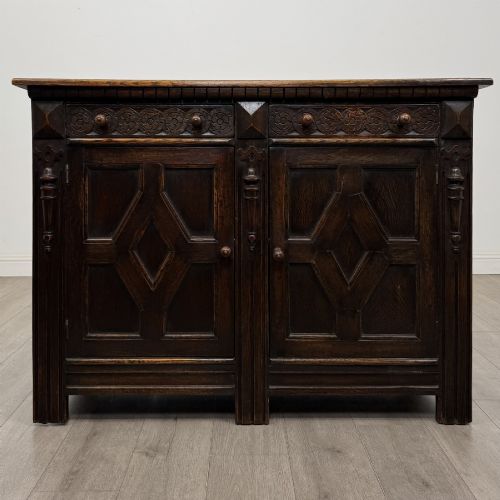
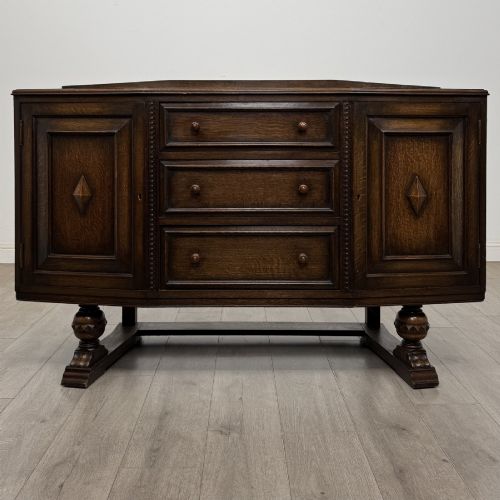
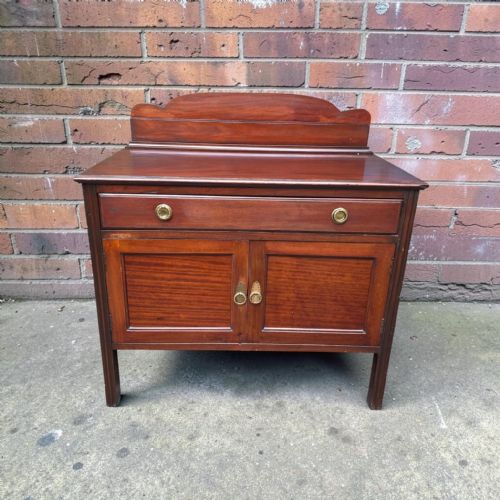
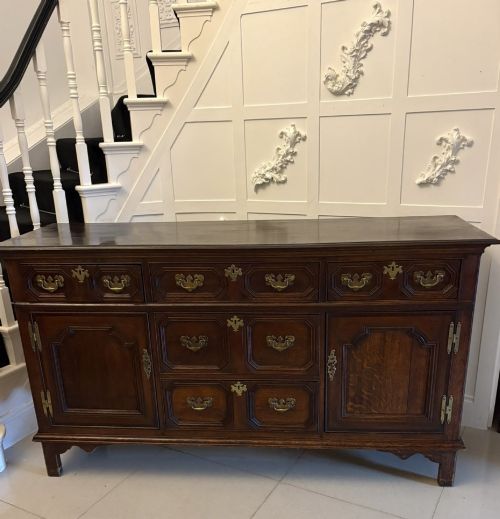
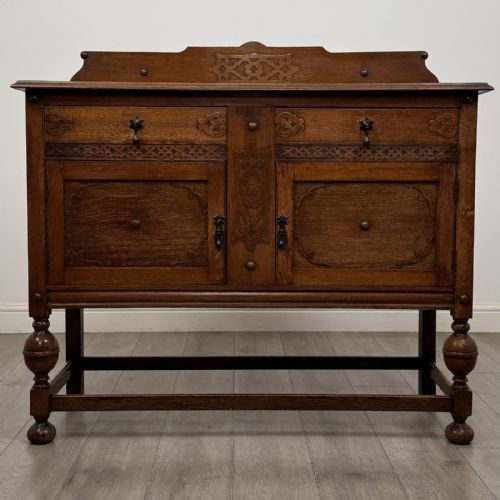
These vintage storage buffet examples offer substantial timber housing for dining rooms and kitchens, combining deep cupboards and drawers in oak, mahogany and pine.
Vintage Storage Buffet
When searching for a vintage storage buffet, you encounter large timber case pieces designed for domestic service, dining room storage and kitchen utility. The selection spans several centuries and regional traditions, bringing together formal serving furniture and working farmhouse storage under a single functional heading.
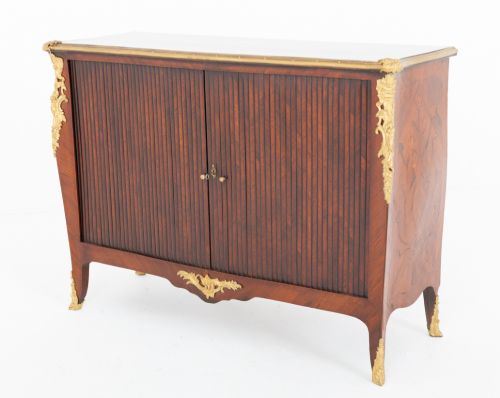
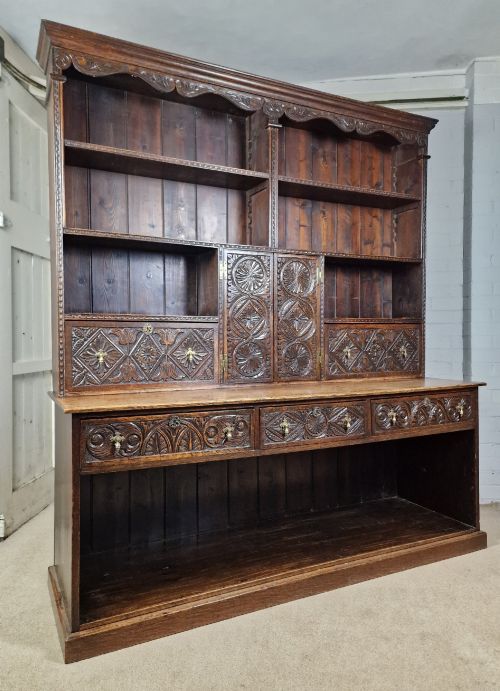
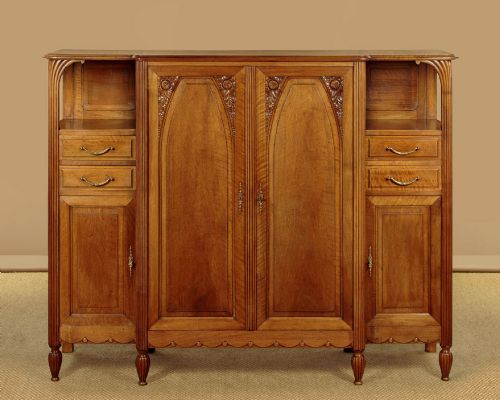
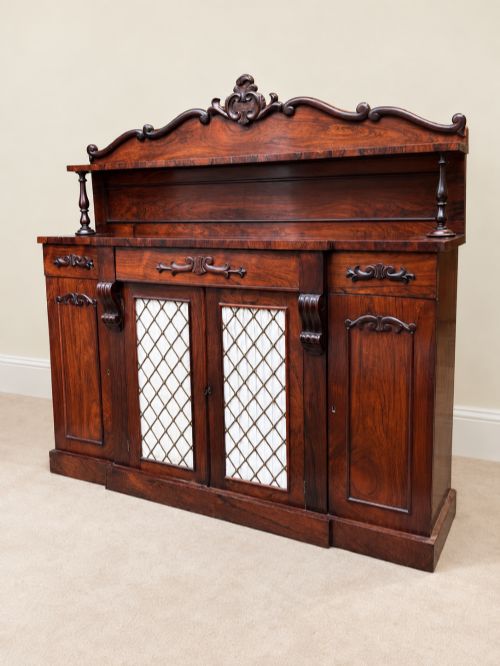
The versions you meet most frequently on this page are Edwardian, Victorian and 1920s oak or mahogany sideboards, alongside pine dresser bases and Continental painted buffets. These pieces range from compact side cabinets with mirror backs or tambour doors to long Georgian dresser bases and substantial breakfront servers fitted with multiple drawers and fielded panel doors.
Materials and construction
Makers built these pieces primarily using solid hardwoods and softwoods such as oak, mahogany, pine and burr walnut, often complemented by decorative veneers like satinwood. Structural integrity relied on traditional joinery, including dovetailed drawer construction and mortise and tenon frames.
Surface detailing incorporated carved panels, turned legs, brass face handles, glass panels and marble tops. Finishes varied from waxed pine and bleached French surfaces to polished mahogany and figured walnut.
Vintage Storage Buffet Retail Price Guide 2026
Typical asking prices for vintage storage buffet among the pieces listed under this phrase on Sellingantiques today, from the lower quarter to the upper quarter. They describe what is for sale here now, not the wider market.
Listings feature oak, mahogany, pine and burr walnut across periods from the eighteenth century to the mid twentieth century.
What separates the finest examples
Quality in these pieces rests upon timber selection and the ambition of the design, visible in figured burr walnut surfaces, serpentine or breakfront shapes and crisp hand-carved detailing. Finer examples display balanced proportions and careful attention to secondary timbers within drawer linings.
Execution of hardware and joinery also marks the distinction between standard utility items and masterworks by known designers or workshops. Heavy brass mounts, fitted interiors for cutlery, and smoothly operating drawers separate exceptional dining cabinets from ordinary storage pieces.
Charles Dudouyt·Harry and Lou Epstein·Gomme
The Vintage Storage Buffet Glossary
- Sideboard
- A large dining room piece equipped with cupboards and drawers for storing plate and linen. It stands against a wall and serves food during meals.
- Dresser base
- A low wooden storage unit featuring drawers above lower cupboards, originating from working kitchens. It lacks the upper plate racks associated with full dressers.
- Chiffonier
- A compact Victorian sideboard or side cabinet, often fitted with a small shelf or mirror on the upper back. It provides enclosed storage for smaller reception rooms.
- Breakfront
- A piece of furniture whose central section projects forward from the flanking outer wings. This architectural form creates depth and shadow on large sideboards.
- Fielded panel
- A wooden panel with bevelled edges that fit into a surrounding grooved frame. This construction allows the timber to expand and contract safely with humidity changes.
- Tambour
- A flexible sliding door formed of narrow vertical strips of wood glued to a fabric backing. It runs in tracks to conceal shelving without requiring clearance for swinging doors.
Vintage Storage Buffet: Frequently Asked Questions
What is a vintage storage buffet used for?
These pieces function as primary storage for dining rooms, kitchens and living spaces, holding tableware, linens and serving dishes behind closed doors. The top surface provides a practical stage for serving food or displaying decorative objects.
In modern homes, they adapt easily to living rooms as media units or hallway credenzas, offering deep enclosed volume that hides clutter while adding architectural weight to a room.
How do I identify an Edwardian sideboard?
Edwardian pieces date from the reign of King Edward VII between 1901 and 1910, drawing inspiration from earlier Georgian and Sheraton revival styles. They frequently feature lighter mahogany or oak construction, inlaid satinwood stringing and elegant tapering legs.
Many examples include mirror backs, carved fruit motifs and brass drop handles, reflecting the domestic habits of the early twentieth century before Art Deco geometric forms took hold.
Are pine dresser bases suitable for kitchens?
Pine dresser bases originate precisely from country kitchens and housekeepers' pantries, making them exceptionally well suited for modern culinary environments. Their thick wooden tops withstand daily preparation tasks, while deep drawers and lower cupboards swallow cookware.
Waxed or painted finishes on pine develop a rich patina over decades of use, blending seamlessly into rustic, farmhouse or eclectic interior schemes.
What distinguishes Art Deco sideboards?
Art Deco sideboards emerge from the 1920s and 1930s, defined by sleek geometric lines, striking wood veneers and symmetrical architectural forms. Designers utilised burr walnut and exotic grains to create dramatic visual movement across flat surfaces.
Hardware is often streamlined or absent entirely in favor of push-latches and stepped profiles, marking a sharp departure from heavy Victorian carving.