
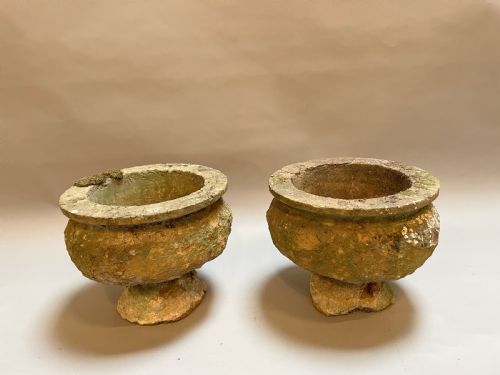



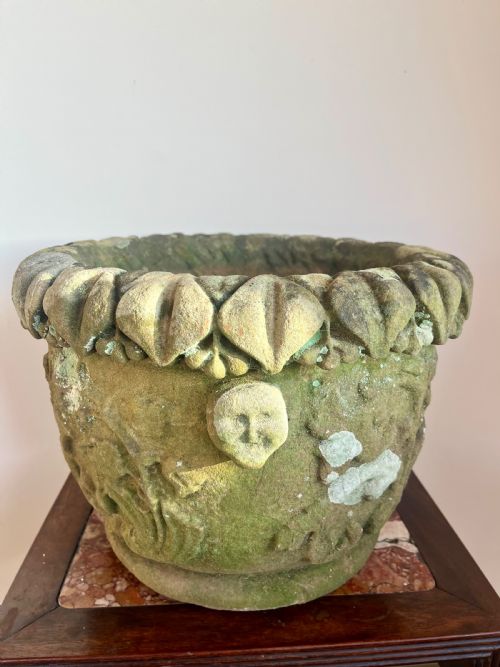

Vintage Stone Urns
Vintage stone urns bring architectural weight to a garden, appearing across periods from Georgian salts to early twentieth-century neoclassical campana designs.
Vintage Stone Urns
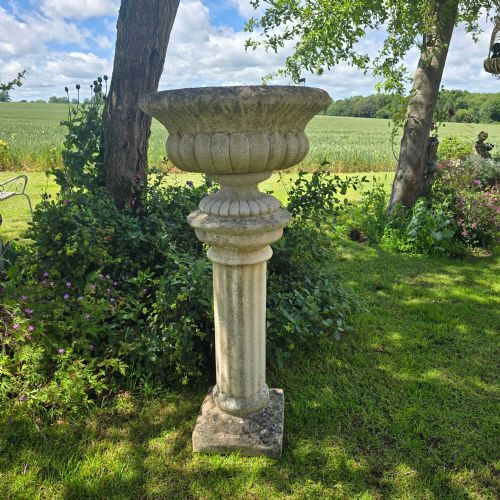
When someone searches for vintage stone urns, they find heavy garden vessels and architectural ornaments shaped in styles from classical revival to Victorian rustic. These pieces range from eighteenth-century carved garden centrepieces to early twentieth-century cast stone birdbaths and campana shapes.
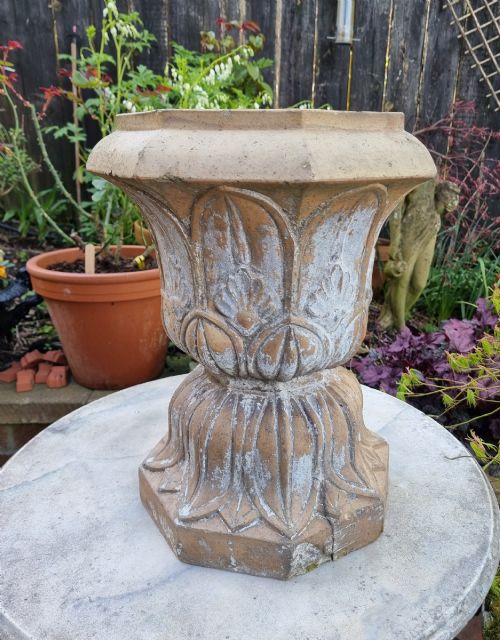
The most common examples on this page are sturdy garden urns and planters cast or carved from stone, reconstituted stone, and terracotta. Many originate from the nineteenth and early twentieth centuries, bearing the weather-worn patination gathered from decades outdoors.
How they were made
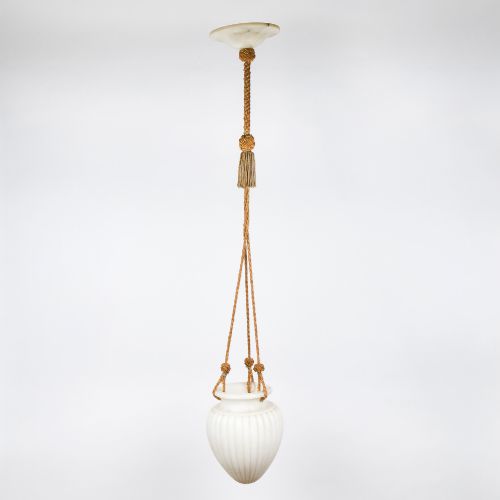
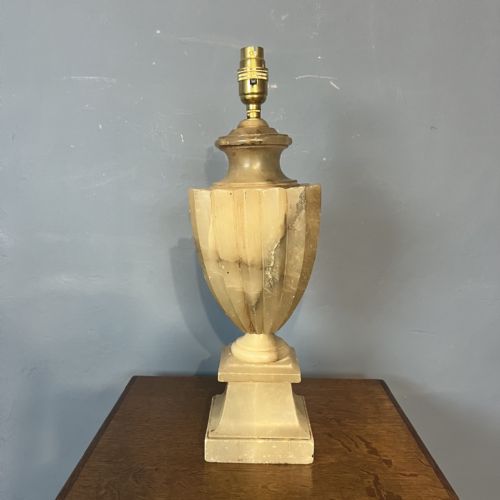
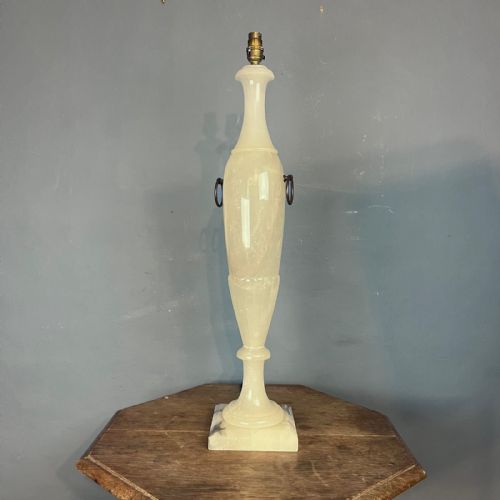
Makers shaped these pieces through hand-carving natural materials like marble, alabaster, limestone, and soft stone, or by casting mixtures into moulds. Cast stone and reconstituted stone vessels relied on aggregate binders that hardened into durable garden ornaments imitating ancient models.
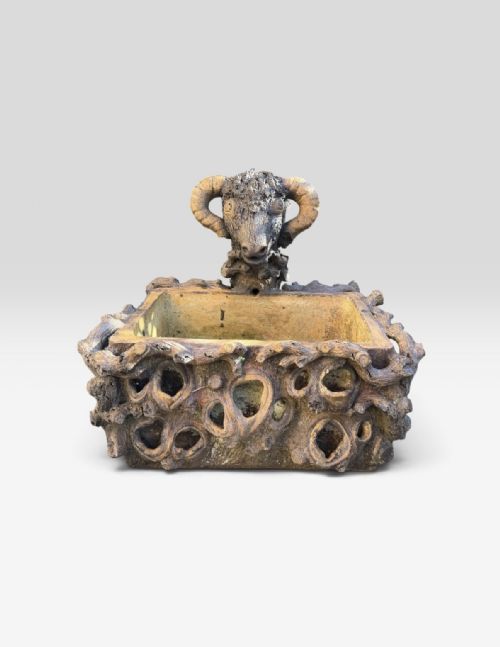
Terracotta and stoneware pieces underwent kiln firing, sometimes incorporating detailed additions like hand-carved handles or decorative heads. Weathering and patination developed naturally over decades of exposure to the elements.
One extraordinary planter incorporates reclaimed stone from The Houses of Parliament damaged in the Blitz during World War Two.
What varies in quality
Quality rests in the crispness of the original carving or the precision of the casting mould, where finer pieces display sharp classical drapery, clean fluting, and well-proportioned pedestals. Softer or more worn details often indicate heavy subsequent weathering or simpler production methods.
The choice of material alters the character of a piece, with finely figured marbles and carved alabaster sitting at a different level of refinement compared to utilitarian cast stone or salt-glazed troughs. Integrity of form and the presence of matching pairs determine how well an urn holds its architectural presence.
Andrew Handyside
The Vintage Stone Urns Glossary
- Campana
- A bell-shaped garden urn with a flaring rim and a footed base. This classic form appears frequently in nineteenth and early twentieth-century garden ornaments.
- Reconstituted stone
- A manufactured material made from crushed stone aggregate mixed with cement or binders. It allows makers to cast classical shapes efficiently.
- Grand Tour
- A nineteenth-century tradition of travellers collecting souvenir antiquities or smaller-scale marble and alabaster copies in Italy. These souvenirs often mirrored ancient Roman models.
- Patination
- The surface ageing, weathering, and lichen growth accumulated on stone and terracotta over decades. It shows the true exposure history of an outdoor ornament.
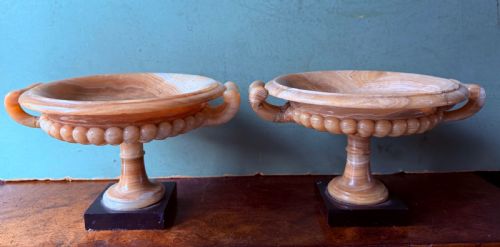
- Tazza
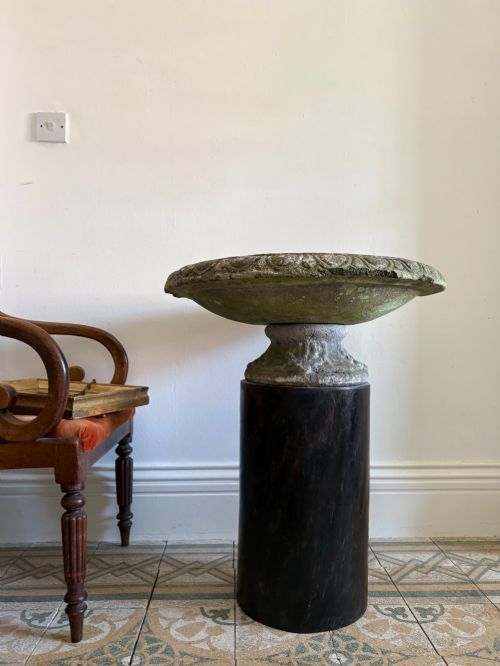
- A shallow cup or basin raised on a stem and foot, often carved from marble or alabaster. They were popular as decorative table pieces and Grand Tour souvenirs.
Vintage Stone Urns: Frequently Asked Questions
How do I tell cast stone from carved stone?
Carved stone shows tool marks and the natural grain of the material, whereas cast stone displays a uniform texture from the mould used during production.
Close inspection under natural light helps reveal whether a surface was shaped by hand chisels or poured into a form.
Can these urns stay outside all winter?
Most stone and cast stone pieces handle outdoor conditions well, though severe frost can sometimes affect porous terracotta or damp vessels.
Placing urns on pedestals or feet prevents them from sitting directly in freezing ground moisture during colder months.
What period do most campana urns belong to?
Campana garden urns on this page typically date from the nineteenth and early twentieth centuries, drawing on earlier neoclassical revival designs.
Victorian and Edwardian manufacturers produced heavy cast and terracotta versions of these classical shapes for domestic gardens.
How should I clean a weathered stone urn?
Light brushing with water removes loose dirt while preserving the dark patination and weathering built up over decades.
Harsh chemical cleaners strip away the aged surface character that collectors look for on vintage garden ornaments.