



Vintage Stone Pedestal
A vintage stone pedestal elevates garden ornament and interior display, bringing architectural weight and classical proportion to a room or terrace.
Vintage Stone Pedestal
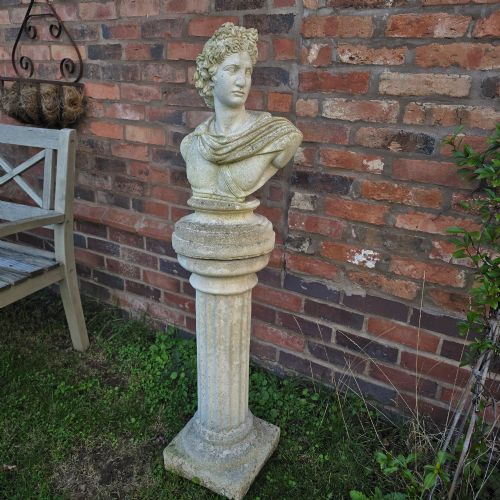
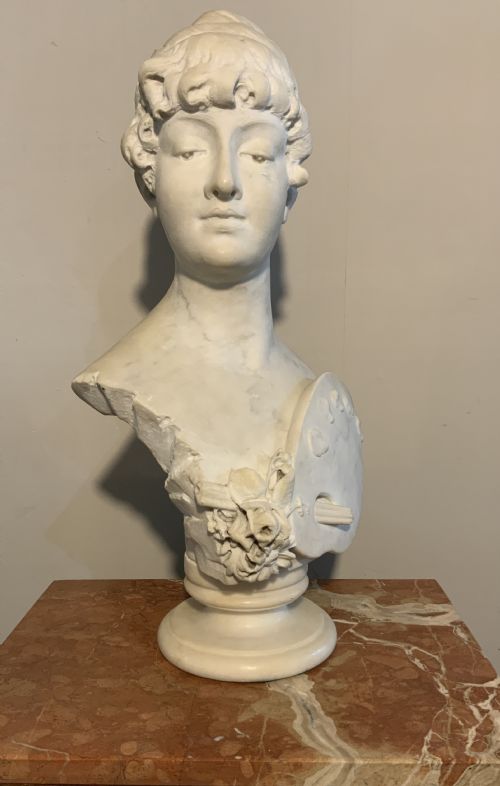
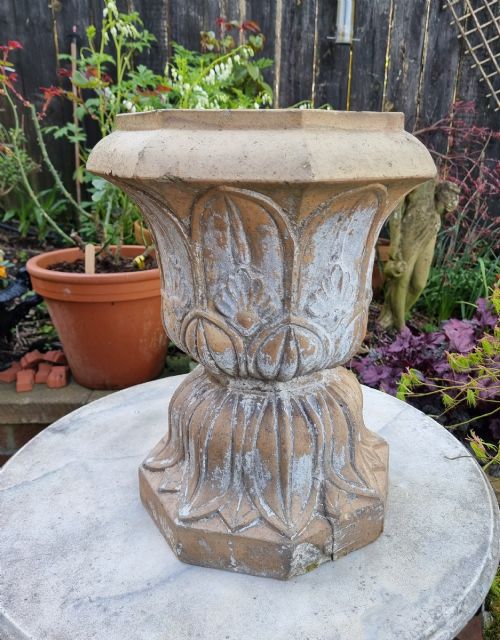
A vintage stone pedestal functions as a structural mount for busts, urns, statues, and lamps, lifting decorative objects into prominence. When buyers search for a vintage stone pedestal, they encounter supports and columns fashioned from various geological media alongside related plinths and garden mounts.
The selections span distinct periods from the eighteenth century through the mid twentieth century, encompassing Victorian, Edwardian, and Art Deco iterations. Neoclassical and classical revival forms dominate the aesthetic vocabulary, reflecting centuries of European design influence.
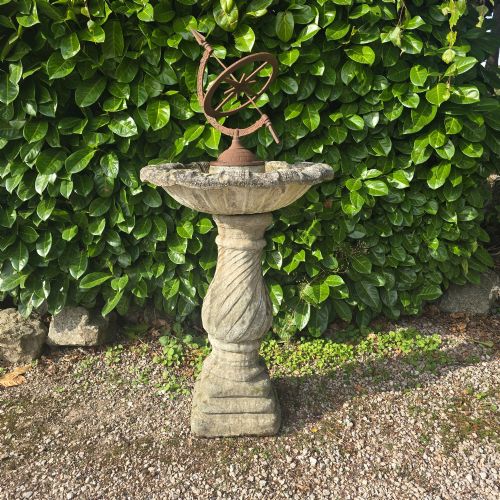
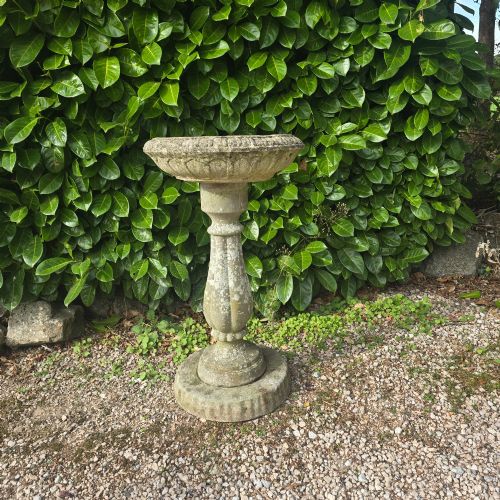
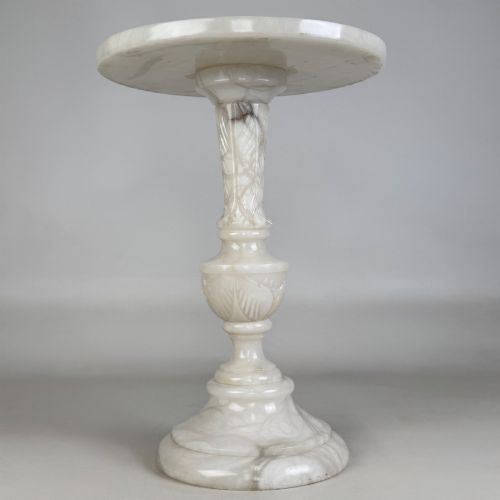
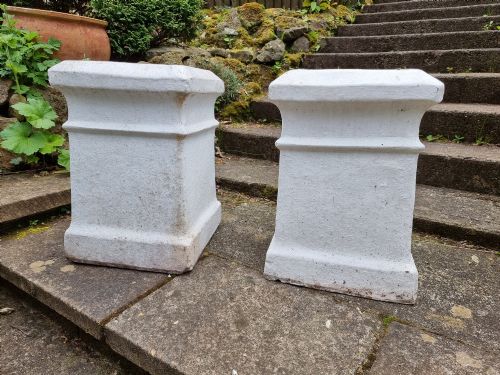
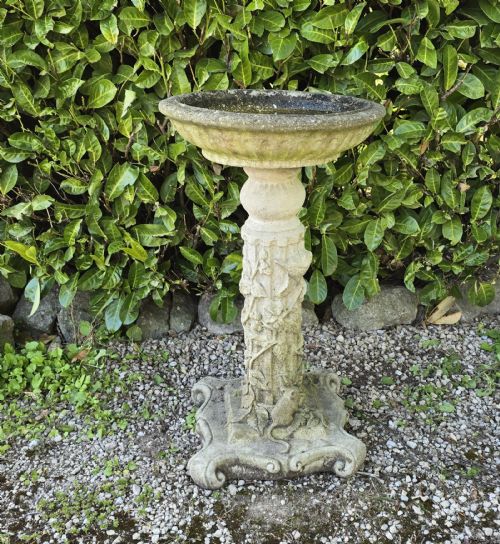
Makers and craftsmen utilised durable materials suited to both interior salon display and exterior garden weathering. Surviving examples range from robust staddle stones and cast stone birdbaths to finely carved marble columns and alabaster plant stands.
Materials and construction methods
Masons and manufacturers shaped these objects using natural quarried stone, sandstone, limestone, and various marbles including Carrara, serpentine, and Arabescato. Artisans also employed cast stone and reconstituted stone for garden items, pouring aggregate mixtures into moulds to achieve classical architectural profiles.
Finishing techniques involved hand-carving intricate details such as fluting, capitals, and moulded bases, while iron and brass components occasionally reinforced structural elements. Natural weathering over decades imparts distinct patination to outdoor stoneware, terracotta, and cast iron surfaces.
Vintage Stone Pedestal Retail Price Guide 2026
Typical asking prices for vintage stone pedestal among the pieces listed under this phrase on Sellingantiques today, from the lower quarter to the upper quarter. They describe what is for sale here now, not the wider market.
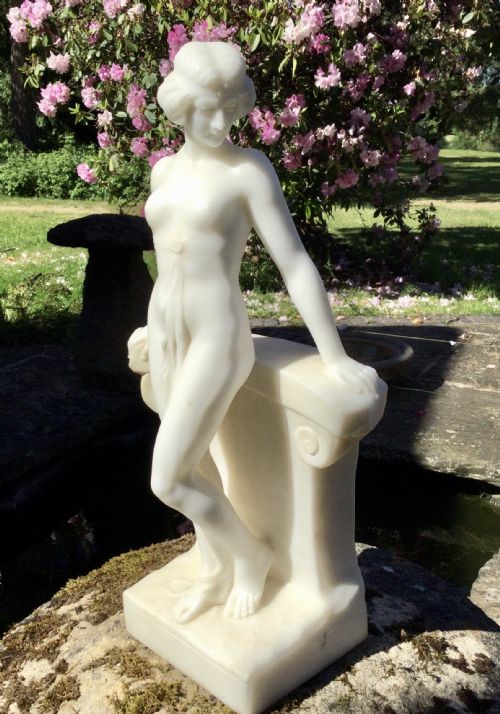
Several stone statues depict the Four Seasons, standing ready to supervise your garden through every weather change.
Assessing quality and craftsmanship
Quality rests in the crispness of the carving, the selection of the raw mineral material, and the harmony of proportion between the support and its load. Finer pedestals display deliberate architectural detailing, such as precise fluting and well-defined capitals, rather than soft or obscured moulding.
The integrity of the stone or marble determines longevity and aesthetic depth, with select pieces showing lively natural veining and skilful polishing. Age-related weathering adds character to garden pieces when the patination remains even and structural joints stay sound.
Andrew Handyside
The Vintage Stone Pedestal Glossary
- Pedestal
- An architectural support or base for a column, statue, vase, or obelisk. It typically comprises a base, a die or body, and a cornice.
- Campana
- A bell-shaped garden urn style popular in classical antiquity and revived during the Victorian era. These vessels often feature flared rims and mounted handles.
- Tazza
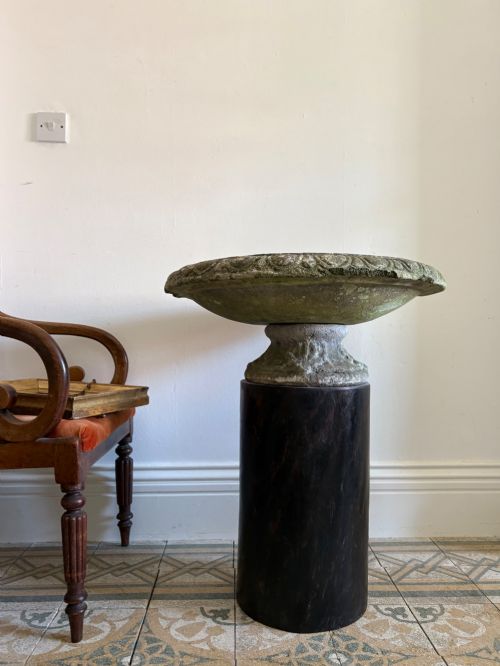
- A shallow saucer-like dish or cup mounted on a stem and foot, frequently carved from marble or alabaster during the Grand Tour period.
- Staddle stone
- A mushroom-shaped stone support historically used to elevate granaries and grain ricks off the ground to protect against damp and vermin.
- Alabaster
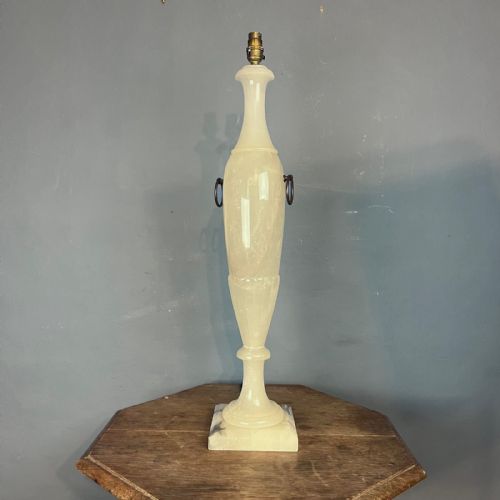
- A fine-grained, translucent form of gypsum or calcite used for carved lamps, plant stands, and decorative tazze.
Vintage Stone Pedestal: Frequently Asked Questions
Where should I place a stone pedestal?
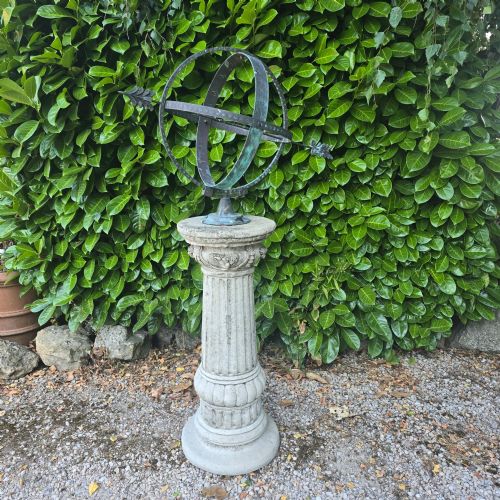
These supports suit both indoor drawing rooms and outdoor garden settings depending on their material composition. Marble and alabaster columns fit domestic interior spaces to display busts or lamps, whilst cast stone and sandstone versions endure exterior elements in gardens.
Positioning a pedestal as a focal point draws the eye toward mounted planters, sundials, or sculptures. Placing them on patios, lawns, or entrance halls creates a sense of architectural permanence.
How do I clean weathered garden stone?
Gentle washing with water and a soft brush removes dirt and organic debris without harming the historic surface patination. Avoid harsh chemical cleaners or pressure washers that can erode softer stones and historic cast mixtures.
Allowing natural lichen and moss to remain on outdoor pieces often enhances their weathered charm. Regular gentle rinsing keeps accumulated grime from settling into carved crevices.
What is a Grand Tour souvenir?
Grand Tour souvenirs were miniature marble and alabaster artefacts purchased by affluent travellers touring European cultural centres during the eighteenth and nineteenth centuries. These pieces replicated famous classical statues, columns, and architectural fragments.
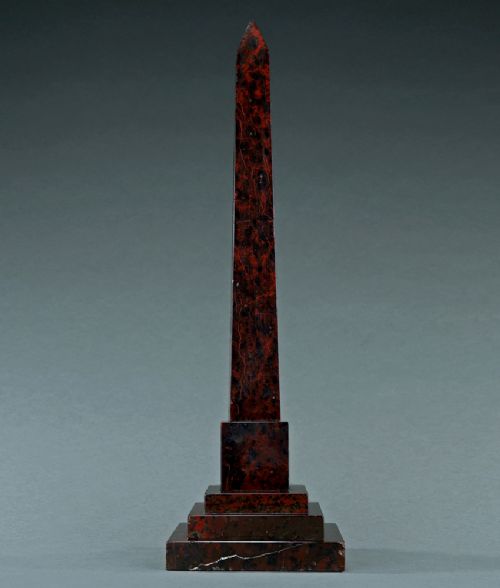
Items such as small tazzas and obelisks brought classical antiquity into nineteenth-century homes. They represent a distinct tradition of portable classical scholarship and decorative arts.
How can I date an old stone pedestal?
Dating relies on stylistic clues, tooling marks, and the specific geological materials favoured during particular decades. Victorian and Edwardian examples often display revival motifs, whereas mid twentieth-century pieces show simpler modernist or streamlined forms.
Examine the underside and joints for signs of manual stone-working versus modern mechanical cutting. Patination and wear patterns also offer physical evidence of age and exposure history.