





Vintage Stone Garden Feature
A vintage stone garden feature anchors an outdoor space with historic weight, bringing weathered character and structural permanence to grass and gravel.
Vintage Stone Garden Feature
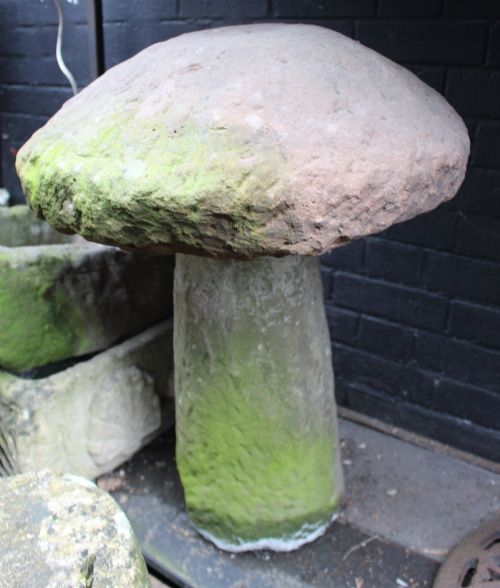
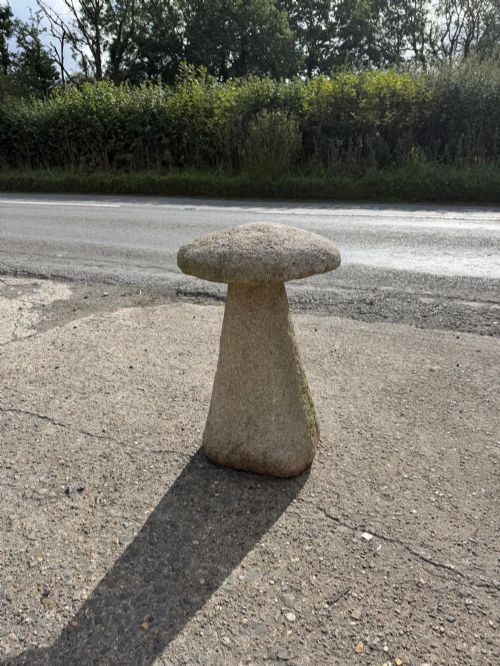
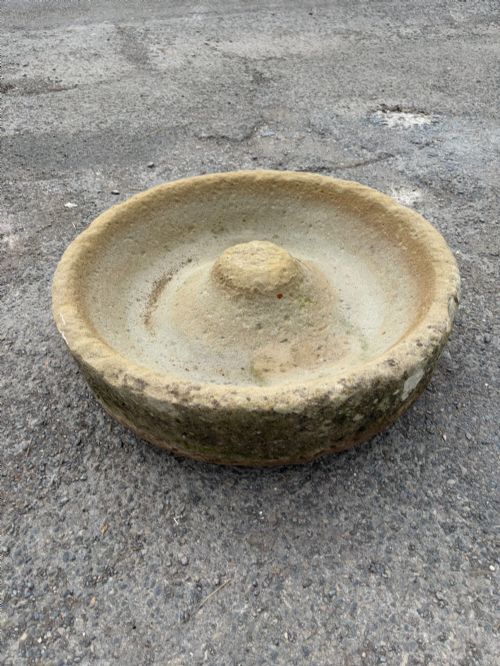
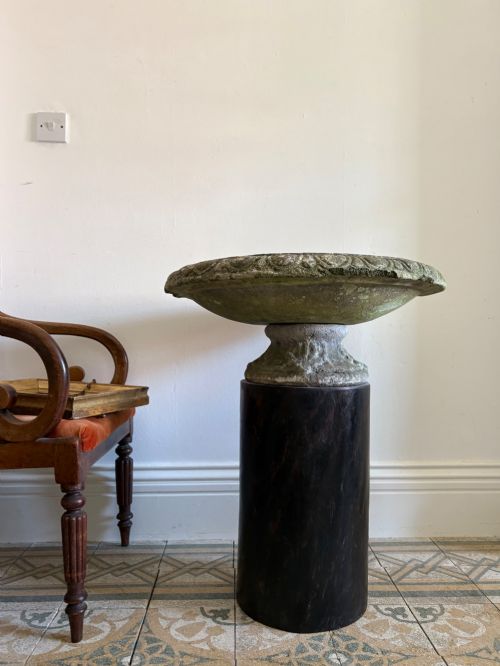
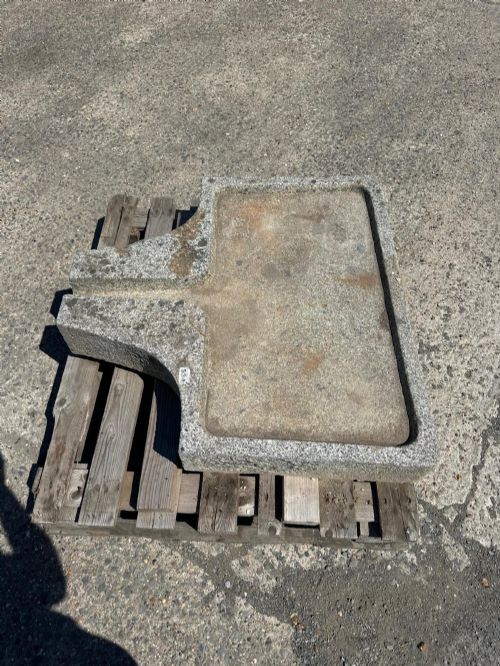
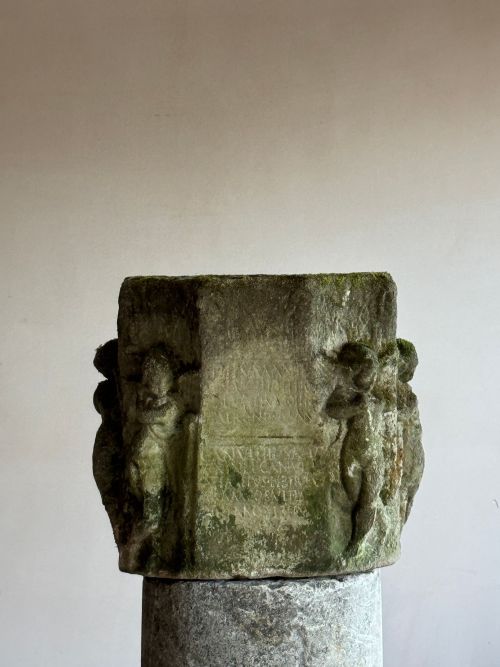
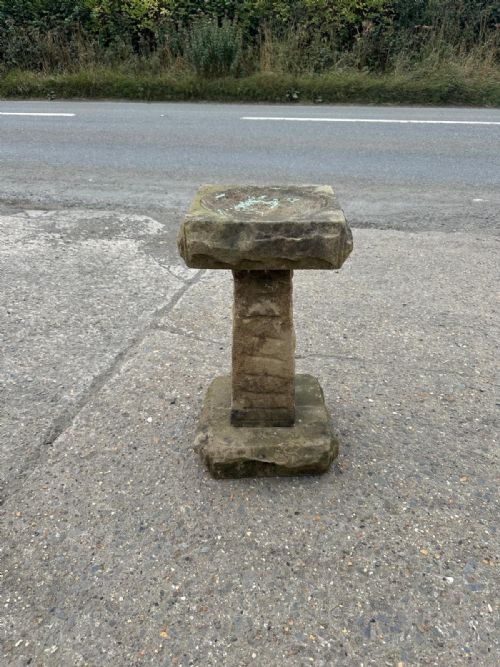
A vintage stone garden feature encompasses functional farm leftovers, architectural salvage, and classical ornaments designed to weather outdoors over decades. When searching for a vintage stone garden feature, buyers encounter utilitarian items like staddle stones and millstones alongside decorative birdbaths and statuary.
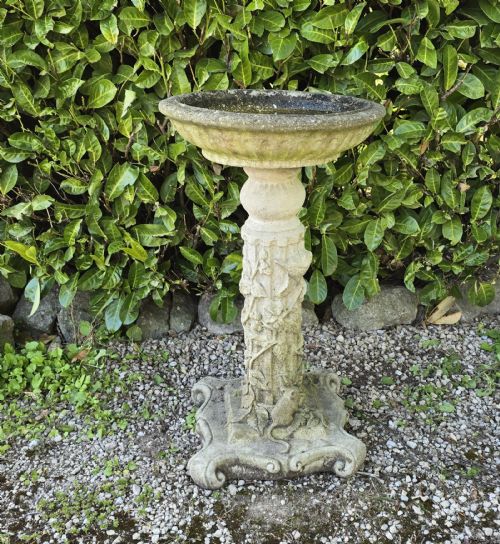
The selection spans periods from the eighteenth century through to the mid-twentieth century, showing diverse forms ranging from Cornish granite staddle stones to Edwardian neoclassical birdbaths. Utilitarian agricultural pieces share space with ornamental crowns and figurative garden statues.
Most pieces display natural weathering, including moss and lichen growth acquired through decades of exposure to the elements. These organic patinas distinguish genuine antique garden stone from modern reproductions.
How they were made
Masons shaped natural blocks of sandstone, limestone, granite, and Purbeck stone using traditional hand-cutting techniques. Heavy industrial mills and agricultural presses were carved directly from solid rock to serve demanding physical functions.
Twentieth-century pieces frequently utilise cast stone, composition stone, or reconstituted stone poured into moulds to replicate classical forms. Forged iron handles and tethers were occasionally integrated into utilitarian millstones for practical handling.
Vintage Stone Garden Feature Retail Price Guide 2026
Typical asking prices for vintage stone garden feature among the pieces listed under this phrase on Sellingantiques today, from the lower quarter to the upper quarter. They describe what is for sale here now, not the wider market.
Several pieces arrive with genuine livestock history built in, having spent centuries as tethering points before retiring to the lawn.
What varies in quality
Quality rests in the integrity of the material and the honesty of the weathering rather than pristine condition. Granite and hard sandstone retain crisp tool marks and structural stability better than softer limestone variants over centuries of frost and rain.
Proportion and scale dictate visual success in ornamental statuary and birdbaths. Hand-carved eighteenth-century examples display superior sculptural depth compared to mid-twentieth-century cast equivalents.
The Vintage Stone Garden Feature Glossary
- Staddle stone
- A mushroom-shaped support historically used to elevate granaries off the damp ground to deter pests. These architectural elements now serve as sculptural garden pedestals.
- Cast stone
- A refined building product manufactured from aggregate and cementitious binders to mimic natural cut stone. It became popular for garden ornaments and birdbaths during the Edwardian period.
- Lichens
- Slow-growing organisms forming crusty patches on stone surfaces exposed to clean air. Their presence indicates prolonged outdoor weathering and age.
Vintage Stone Garden Feature: Frequently Asked Questions
How do I clean moss off stone?
Gentle brushing with water preserves the desirable weathered patina built up over decades of outdoor exposure.
Aggressive chemical cleaning strips away the historic lichens that give vintage garden pieces their character.
Are staddle stones frost resistant?
Granite and hard sandstone staddle stones withstand freezing temperatures without sustaining damage due to their dense mineral composition.
Softer limestones require more careful placement during severe winter frosts to prevent surface spalling.
Can old millstones support weight?
Granite and millstone bases possess immense structural mass capable of supporting heavy loads in landscape designs.
Their original purpose demanded high durability under constant mechanical pressure.
How do I date a stone birdbath?
Stylistic clues such as Edwardian neoclassical mouldings or mid-century shell shapes help establish the period of manufacture.
Material composition also points to the era, shifting from hand-cut natural stone towards cast and reconstituted stone in the twentieth century.