




Vintage Stone Bowl
These vintage stone bowl pieces bring genuine weight and rustic character to an interior or garden scheme.
Vintage Stone Bowl
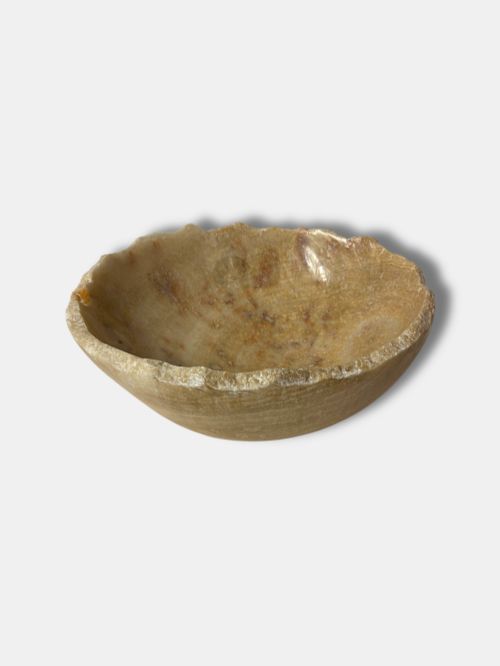
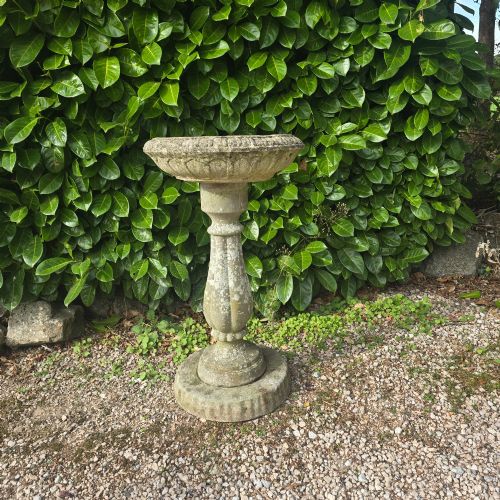
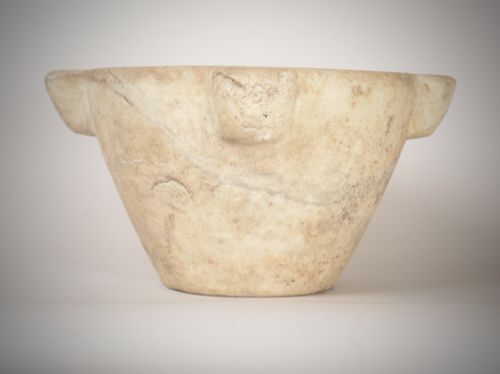
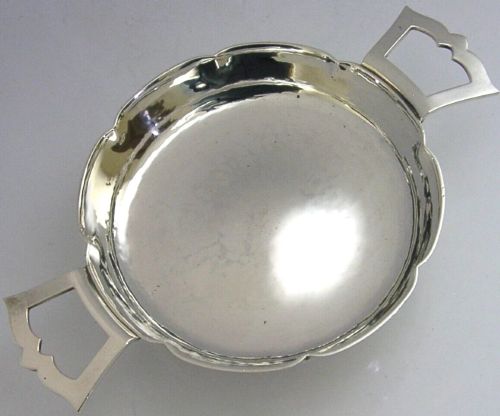
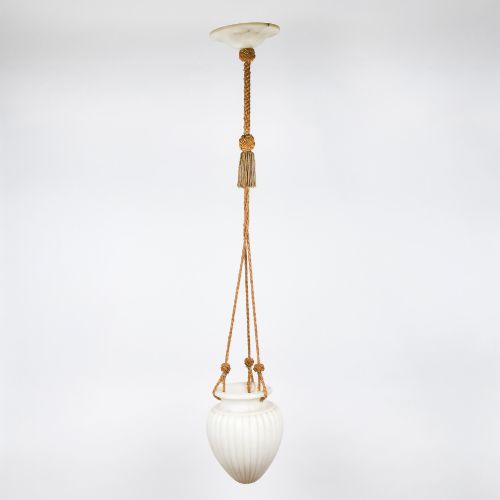
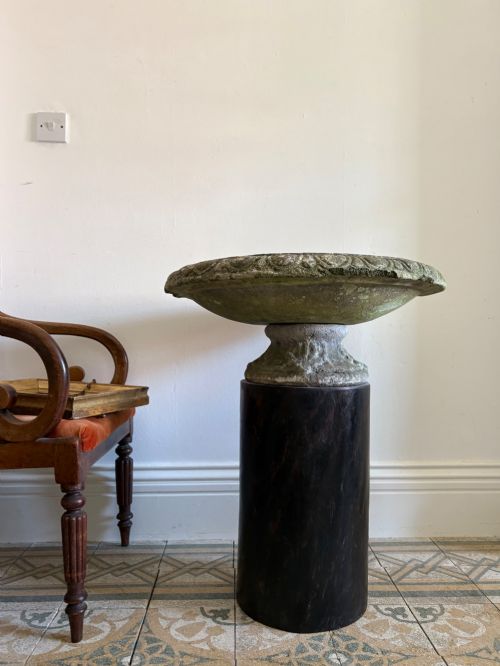
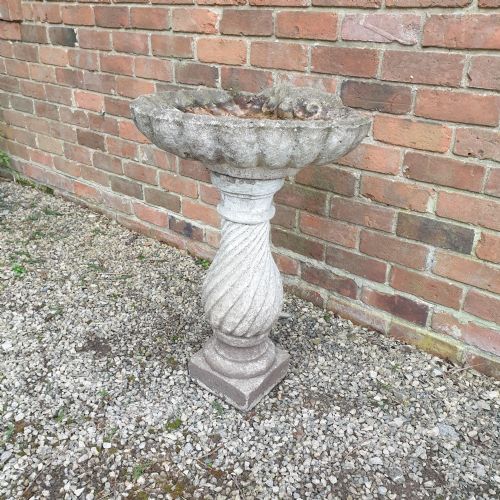
When you search for vintage stone bowl, you encounter a surprisingly varied selection of heavy utilitarian vessels, garden ornaments, and architectural lighting. The range spans archaic kitchen mortars, grand garden birdbaths, and translucent alabaster pendant lights from the early twentieth century.
The pieces you are most likely to meet on this page include weathered cast stone garden planters, eighteenth-century marble mortars, and art deco alabaster hanging dish lights. These items cross multiple eras, extending from seventeenth-century kitchenware to mid-twentieth-century garden shell-shaped bird baths.
How they were made
The manufacture of these objects relies heavily on direct carving and turning of natural geological materials. Artisans shaped dense blocks of marble, sandstone, and alabaster into functional mortars, tazzas, and architectural lighting bowls using chisels and lathes.
Cast stone and reconstituted stone pieces utilised moulds mixed with aggregate to replicate classical forms like neoclassical birdbath planters and garden troughs. Selected items incorporate secondary media such as fabric cord suspension for hanging alabaster lights and brass mounts on pietra dura comports.
Vintage Stone Bowl Retail Price Guide 2026
Typical asking prices for vintage stone bowl among the pieces listed under this phrase on Sellingantiques today, from the lower quarter to the upper quarter. They describe what is for sale here now, not the wider market.
One persistent eighteenth-century mortar retains stubborn traces of ancient culinary spices embedded deep within its porous white marble walls.
What varies in quality
The standard of a vintage stone bowl depends upon the integrity of the geological medium and the sharpness of the original carved detail. Eighteenth-century marble mortars and Grand Tour tazzas display superior mineral selection and hand-chiseled depth compared to later industrial reproductions.
Alabaster hanging lights vary according to the natural translucency of the stone and the uniformity of the veining across the dish. Weathering on garden birdbaths and pancheons alters the surface texture, where genuine organic lichen and centuries of exposure outrank uniform modern artificial ageing.
The Vintage Stone Bowl Glossary
- Alabaster
- A fine-grained mineral, often white or lightly veined, utilised for carved ceiling lights and comports. Its translucent quality allows light to diffuse softly through the basin.
- Mortar
- A heavy kitchen or apothecary bowl designed to hold ingredients while they are crushed with a pestle. Older examples display deep interior pitting from centuries of heavy culinary use.
- Tazza
- A shallow saucer-like ornamental cup or bowl raised on a stem and foot. Grand Tour examples are typically carved from decorative coloured marbles.
- Cast stone
- A refined building product manufactured from concrete masonry mixtures intended to emulate natural cut stone. It appears frequently in garden planters and birdbaths.
- Pietra dura
- An artistic technique of using cut and fitted polished coloured stones to create intricate designs. It is mounted onto decorative display dishes and comports.
Vintage Stone Bowl: Frequently Asked Questions
How do I clean an alabaster bowl light?
Dust alabaster hanging lights gently with a dry, soft cloth to prevent moisture from soaking into the porous stone. Avoid chemical cleaners and water, which can permanently alter the delicate surface texture and finish.
For stubborn marks, consult a specialist conservator rather than attempting heavy abrasion. Preserving the original dry finish maintains the character of the piece.
Can antique stone mortars still be used?
Many heavy marble and stone mortars remain structurally robust enough for kitchen tasks like grinding spices. Older pieces carry historic interior wear that reflects generations of practical domestic preparation.
Inspect the bowl for deep structural fractures before undertaking heavy impact work. Gentle culinary use generally poses no risk to solid eighteenth-century vessels.
How do I date a stone bird bath?
Dating relies on stylistic clues, such as neoclassical urn motifs, art deco geometric profiles, or the degree of natural weathering on the stone. Cast stone examples often date from the early twentieth century, while hand-carved sandstone forms can be considerably older.
Examine the tooling marks and surface erosion patterns to gauge age. Natural biological growth and deep weathering accumulate slowly over decades outdoors.
Where should I place a heavy marble bowl?
Heavy marble and stone vessels require sturdy supporting furniture capable of bearing substantial static weight safely. Placing them on central tables or sturdy sideboards ensures stability.
Keep natural stone away from areas prone to sudden thermal shocks or damp environments if utilised indoors. Felt pads beneath the base protect both the furniture surface and the vessel.