

Vintage Stick Chair
A vintage stick chair brings honest country craft into a modern interior, offering sturdy timber seats shaped by generations of domestic use.
Vintage Stick Chair
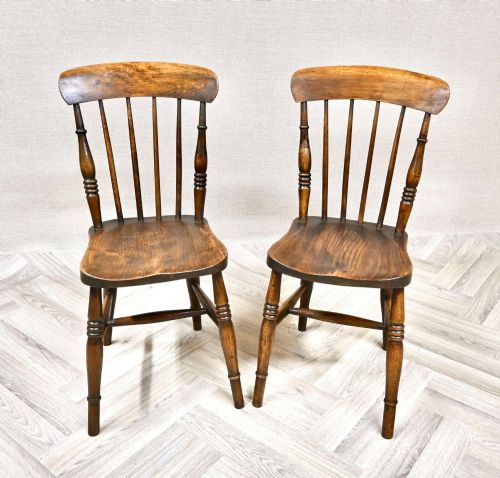
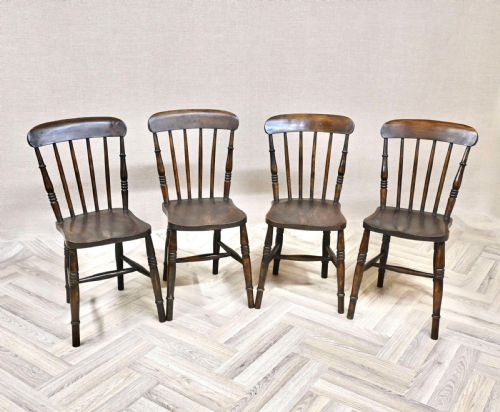
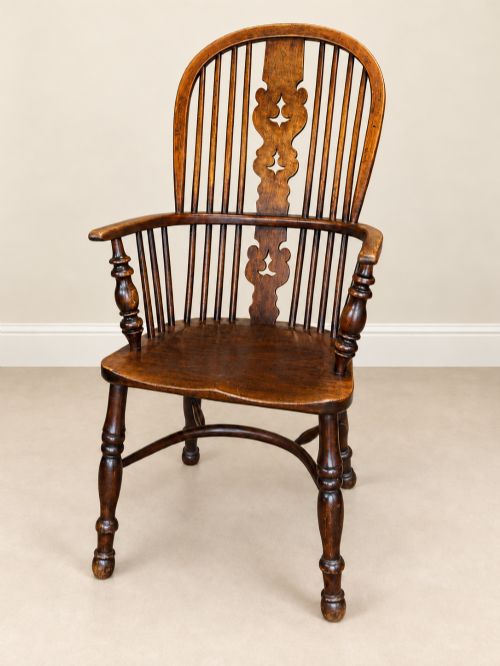
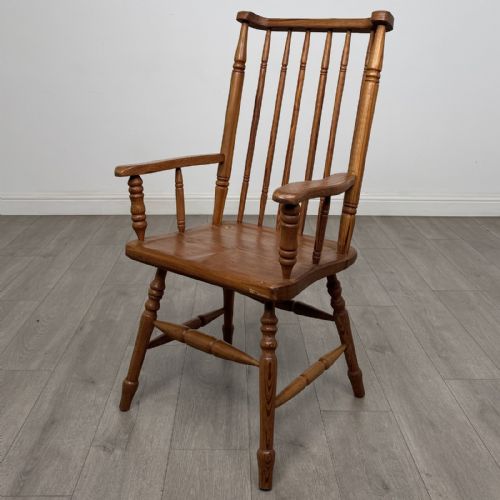
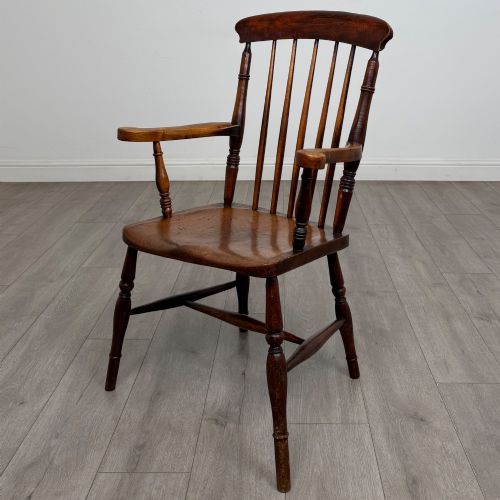
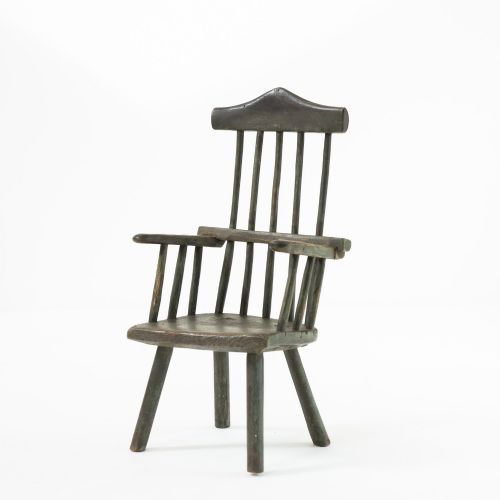
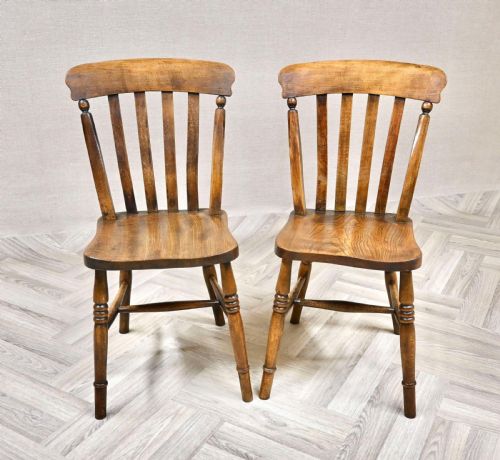
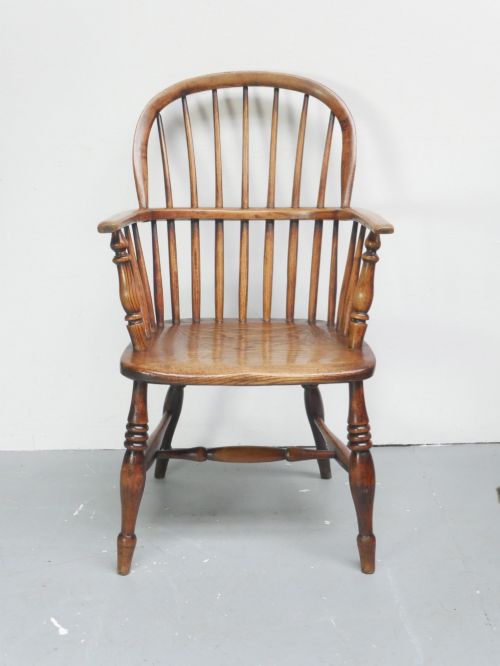
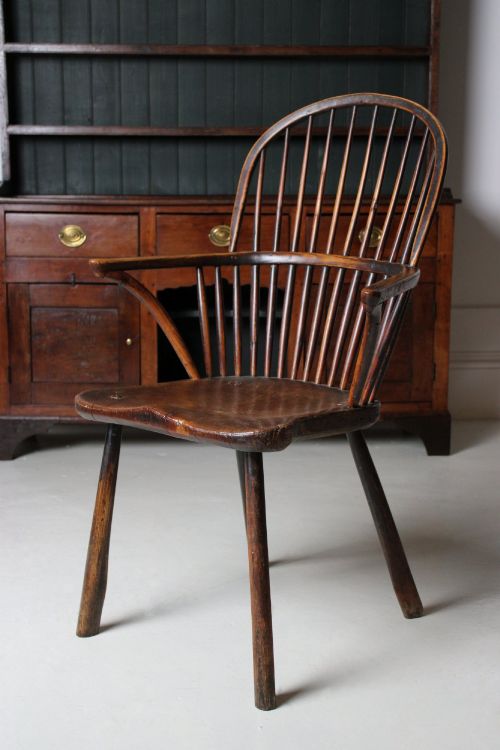
A vintage stick chair relies on a robust wooden seat drilled to receive slender spindles and turned legs, forming a dependable seat built for everyday utility. When you search for this phrase, you encounter regional forms such as Thames Valley styles, Scottish designs, and English country kitchen seating.
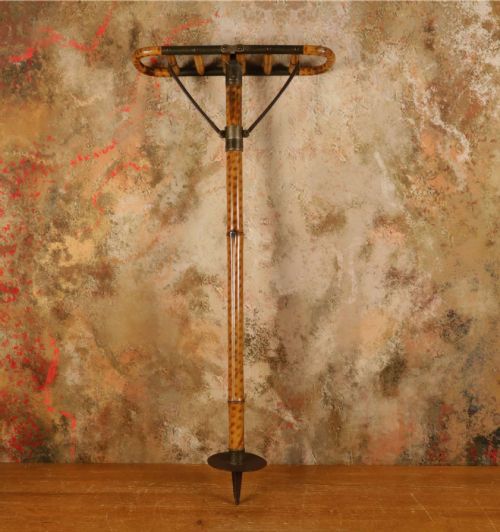
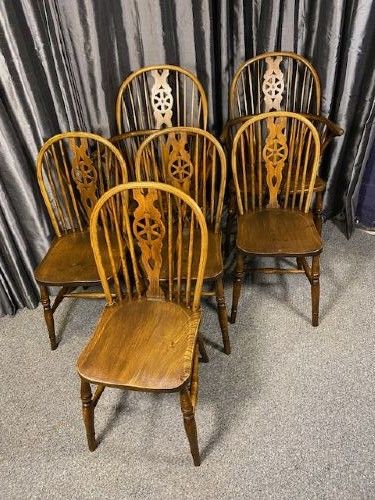
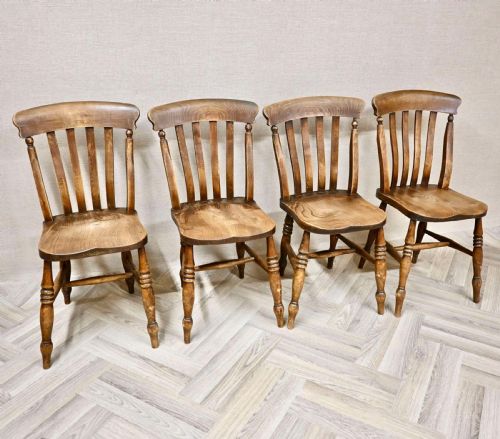
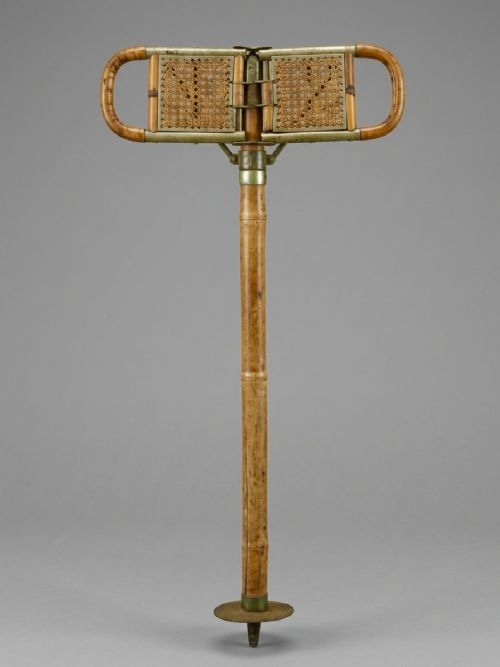
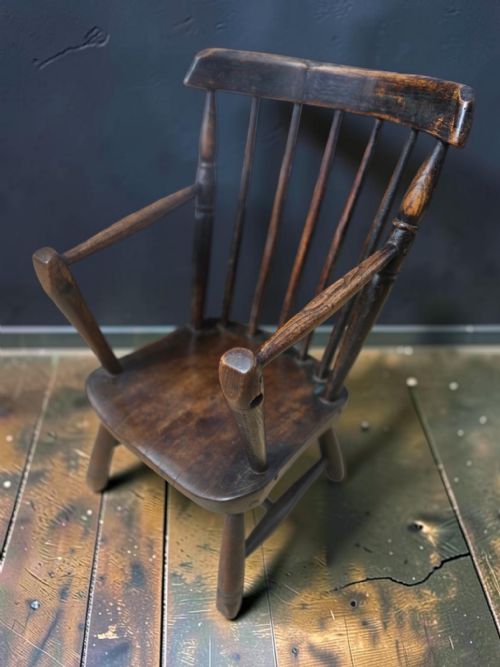
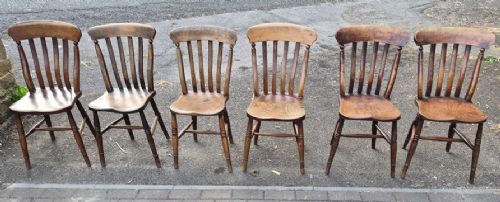
The selection ranges from single fireside armchairs and pairs of dining seats to matched sets of six or more kitchen chairs. Smaller children's high chairs and miniature armchairs also appear, alongside folding bamboo sporting seats intended for outdoor use.
Origins stretch across the Georgian, Victorian, and Edwardian eras, with many examples originating from the nineteenth century. These pieces reflect vernacular traditions where local turners and rural cabinet makers utilised readily available regional timbers.
Materials and construction methods
Makers combined contrasting native woods, frequently pairing elm for comfortable, dished seats with ash, beech, or oak for bent components and spindles. Yew appears in select high-status examples, offering rich grain patterns and natural warmth.
Construction typically involved wedged tenon joints where spindle tops pass right through the seat plank. Turned legs and stretchers provide rigid underframe support, while steam-bent hoops and comb backs form the supportive upper framework.
Vintage Stick Chair Retail Price Guide 2026
Typical asking prices for vintage stick chair among the pieces listed under this phrase on Sellingantiques today, from the lower quarter to the upper quarter. They describe what is for sale here now, not the wider market.
Listings feature regional variations including Thames Valley and Scottish forms constructed from native elm, ash, and beech.
Distinguishing quality across examples
Quality rests in the balance of proportions and the integrity of the original joints rather than ornamental surface detail. A well-balanced chair shows thoughtful placement of turned spindles and a comfortably sculpted seat plank that retains its original thickness.
Surface finish significantly impacts character, with untouched patinated timber showing decades of dry use standing apart from heavily stripped or inappropriately varnished surfaces. The survival of matching sets across multiple dining chairs elevates the desirability of certain kitchen seating groups.
Darvil
The Vintage Stick Chair Glossary
- Stick back
- A chair design where turned spindles or sticks are tenoned directly into the solid wooden seat to form the backrest. This method provides reliable structural support with minimal framing.
- Comb back
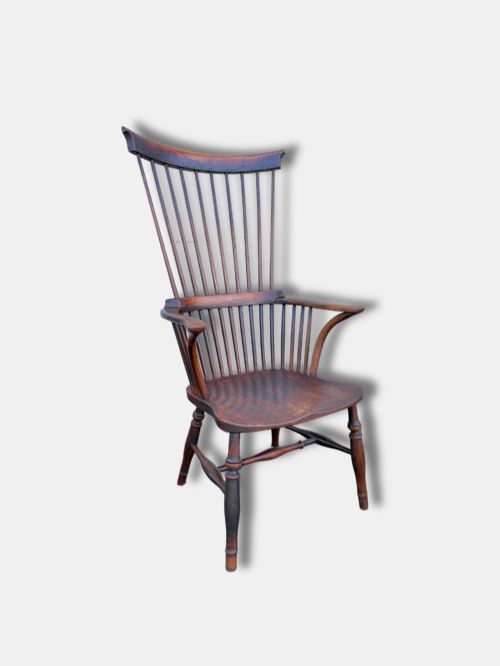
- A chair back featuring an elevated top rail supported by vertical spindles, resembling the teeth of a comb. This regional variation often includes a shaped headrest for added comfort.
- Thames Valley
- A recognised regional style of Windsor chair originating from southern England. These pieces typically exhibit generous proportions and refined turning.
- Vernacular
- Objects shaped by local tradition, practical function, and available materials rather than academic design rules. Rural makers produced these pieces for immediate domestic utility.
- Slat back
- A chair design utilising flat vertical wooden slats instead of round turned spindles within the back frame. This variation provides broad support across the upper back.
Vintage Stick Chair: Frequently Asked Questions
What defines a stick chair?
A stick chair is a form of seating where turned wooden spindles are fitted directly into a solid plank seat. This construction method creates a rigid frame without requiring complex upholstery.
These pieces developed from rural traditions where local timber was shaped for heavy daily use in kitchens and farmhouses.
How do I care for antique timber?
Maintain antique timber by keeping chairs away from direct heat sources and sudden temperature fluctuations. Feed the wood occasionally with a traditional wax polish to preserve the dry surface sheen.
Avoid modern liquid cleaners or excessive moisture, which can damage historic finishes and loosen dry joints.
Are these chairs comfortable for dining?
Many styles feature contoured wooden seats dished out by hand to fit the body comfortably during long meals. Adding loose linen cushions can provide extra softness without hiding the timber form.
Kitchen chairs were built precisely for extended sitting around communal tables.
How are different periods identified?
Dating relies on observing tool marks, timber selection, turning profiles, and construction wear. Georgian and early nineteenth-century examples often display simpler hand-turned components and deep seat carving.
Victorian and Edwardian versions frequently incorporate steam-bent hoops and standardised production methods suited to larger kitchen sets.