
Vintage Sterling Tableware
These pieces of vintage sterling tableware bring functional grace to the dining table through solid silver forms shaped across multiple decorative eras.
Vintage Sterling Tableware
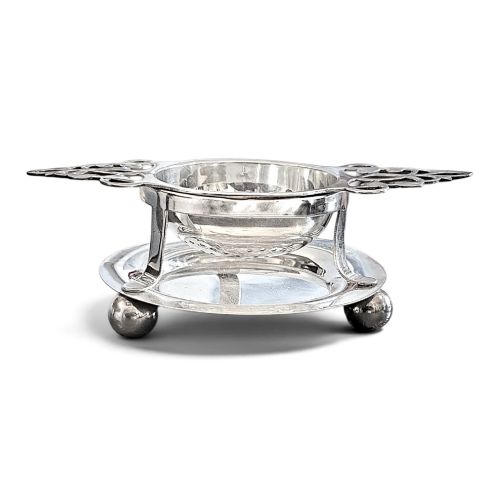
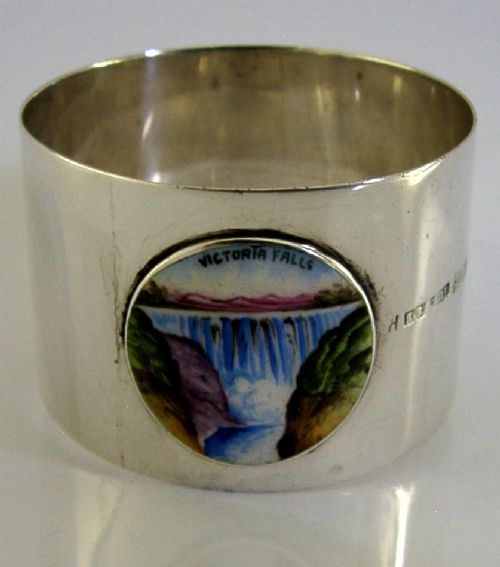
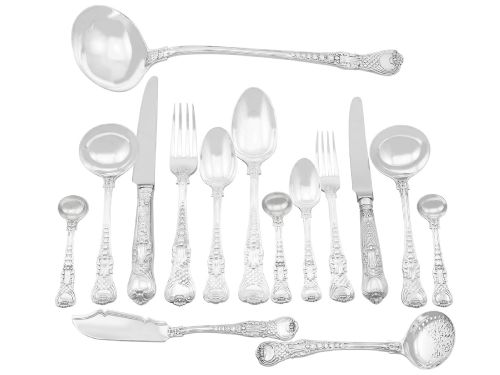
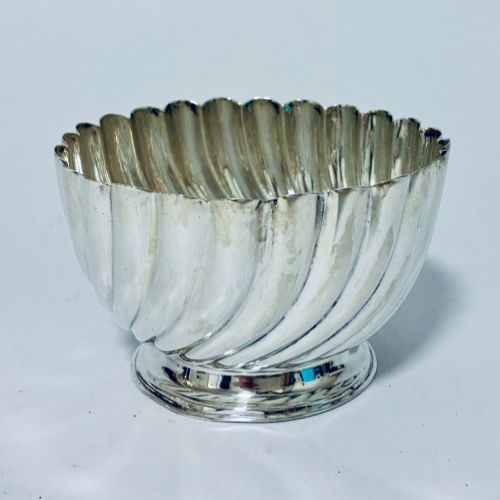
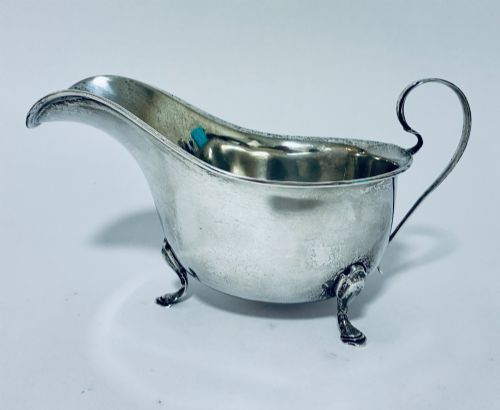
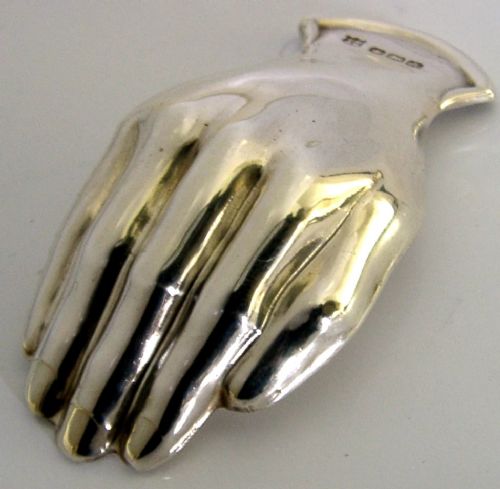
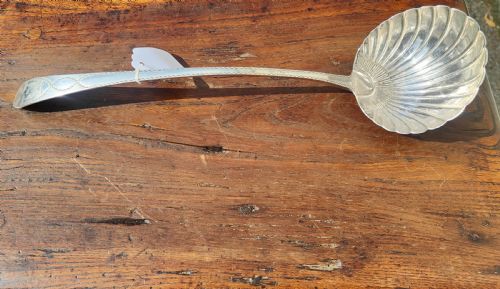
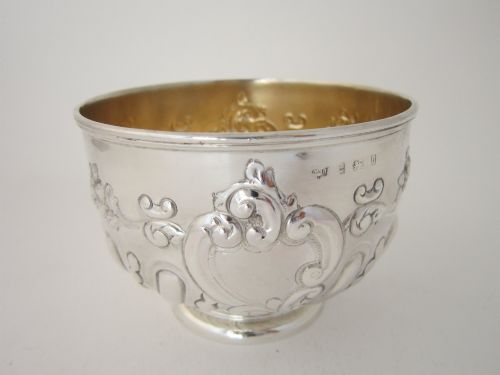
Vintage sterling tableware encompasses a diverse range of dining and serving items, from napkin rings and cream jugs to salt cellars and toast racks. The pieces span periods including Edwardian, Art Deco, and Georgian, reflecting shifts in dining customs over centuries.
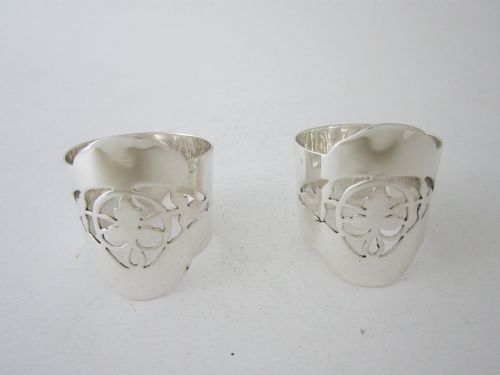
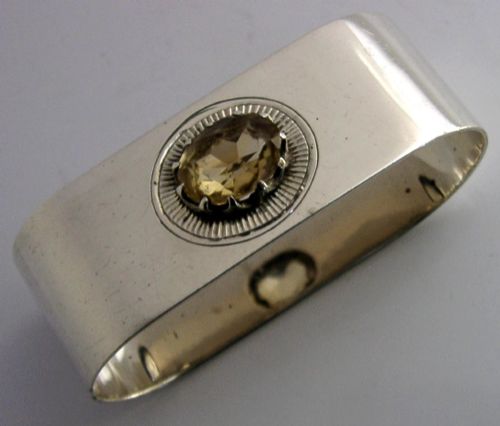
Napkin rings and cream jugs appear frequently among the listings, often accompanied by novelty menu holders and butter dishes. These functional items range from simple domestic utilities to elaborate cased sets intended for gifting.
Materials and construction methods
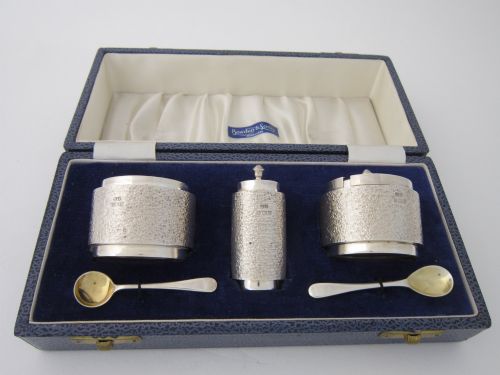
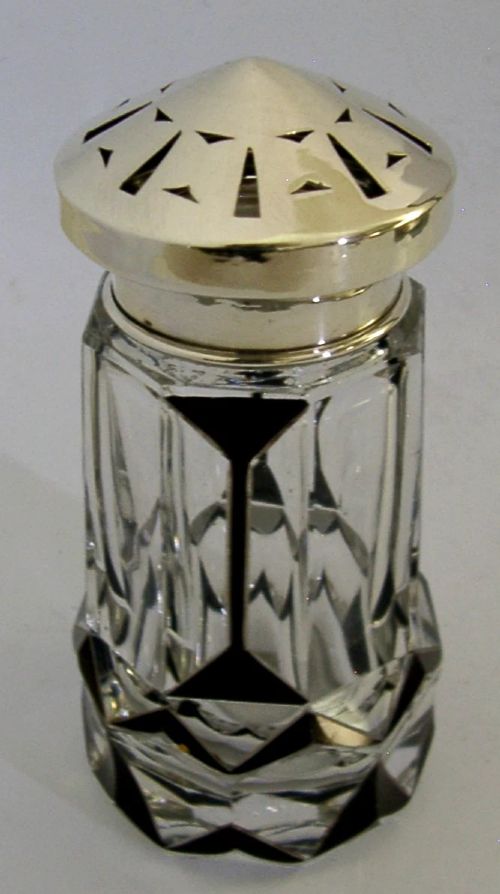
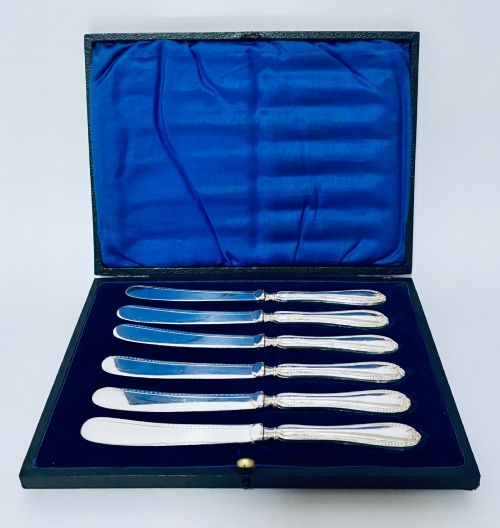
Silversmiths utilised solid sterling silver alongside supplementary materials such as blue glass liners, crystal, and agate to construct these functional items. Decorative elements incorporate textiles like velvet, silk, satin, and leather within fitted presentation cases.
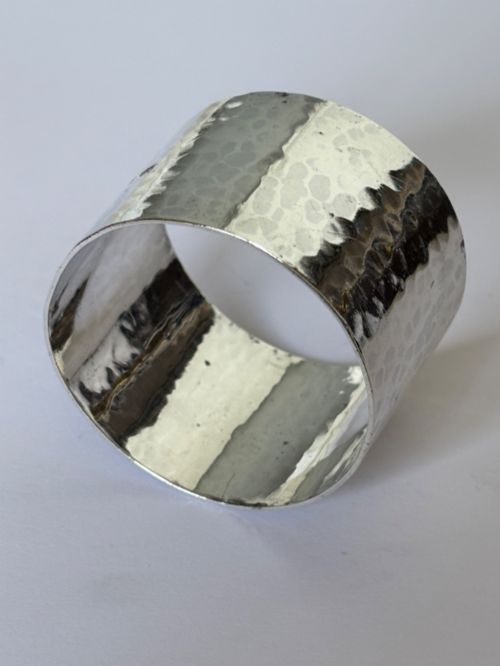
Techniques range from smooth polished finishes to the distinct hammered textures seen in Arts and Crafts pieces. Structural components of larger items like egg cruets and salt cellars demonstrate precise soldering, hinges, and movable parts.
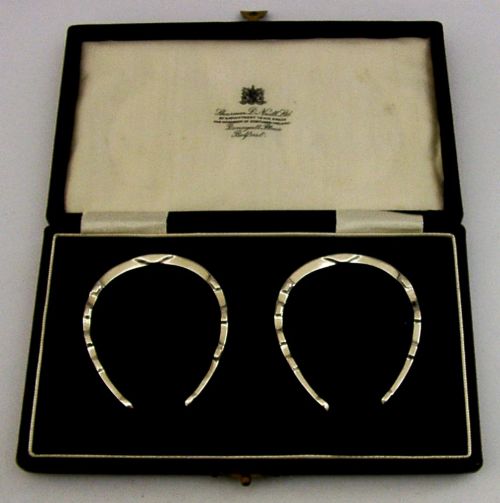
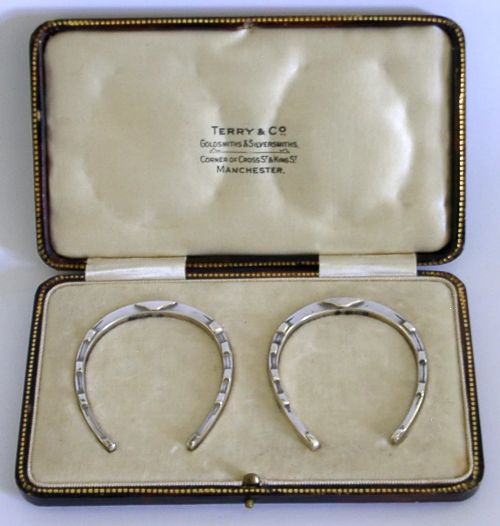
Silver horse shoe napkin rings and owl menu holders ensure the dining table retains a touch of Victorian whimsy.
Distinctions in quality
Quality rests on the precision of the silversmith's handwork, the weight of the silver relative to the object's scale, and the retention of crisp detail in chased or hammered decoration. Substantial gauge silver provides structural integrity to items subjected to daily dining use.
The survival of original fitted cases and auxiliary materials like glass liners or crystal inserts elevates the integrity of a piece. Maker marks and clear hallmarks assure the origin and silver standard of the object.
Albert Edward Jones·Levi and Salaman·Georg Jensen·R. E. Stone·Sampson Mordan
The Vintage Sterling Tableware Glossary
- Sterling silver
- An alloy containing 92.5 percent silver and 7.5 percent other metals, usually copper, chosen for durability in tableware.
- Hallmark
- A series of stamped marks on precious metals indicating the maker, assay office, and year of manufacture.
- Cruet
- A small vessel or set of vessels for holding condiments, vinegar, oil, or pepper at the dining table.
- Caddy spoon
- A short-handled spoon originally designed for measuring dry tea leaves from a storage caddy.
- Menu holder
- A small upright decorative stand used to display the meal menu on a dining table.
Vintage Sterling Tableware: Frequently Asked Questions
How do I clean sterling tableware?
Clean sterling silver using a soft cloth and a specialised silver polish to remove tarnish without abrading the surface detail. Avoid harsh scrubbing or abrasive dips that can damage intricate hallmarks or applied textures.
Store pieces in dry environments or anti-tarnish cloths when not in use. Regular, gentle washing in warm soapy water keeps items ready for dining.
Can I use these items daily?
Solid sterling silver tableware was designed for functional use and withstands regular handling during meals. Modern dining with silver adds historical connection to everyday routines.
Ensure items with glass or crystal inserts are washed by hand rather than placed in automated dishwashers. Proper care preserves both the metal and any secondary materials.
What is the difference between Georgian and Art Deco styles?
Georgian tableware relies on classical symmetry, restrained engraving, and fluid curves influenced by eighteenth-century design. These pieces often exhibit quiet elegance and traditional craftsmanship.
Art Deco tableware embraces geometric lines, stylised motifs, and modern industrial influences from the interwar period. The forms become more architectural and stylised compared to earlier styles.
Why are some pieces cased?
Fitted cases preserved sets of tableware, such as napkin rings or butter dishes, for formal presentation and safe storage. The interior linings of velvet or satin protected the silver from scratching.
Cased items often served as wedding presents or milestone gifts, which explains their survival in clean condition. The presence of the original box indicates careful preservation by previous owners.