




Vintage Sterling Silver Shaker
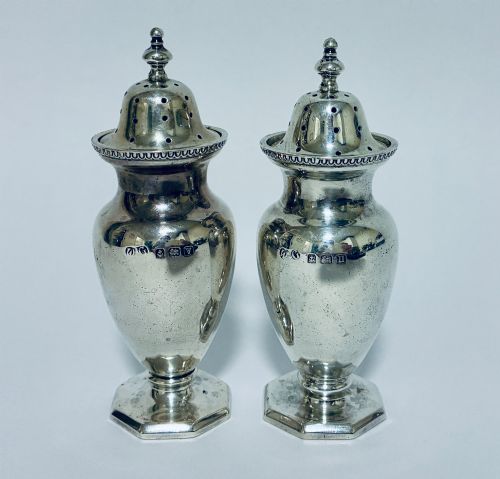
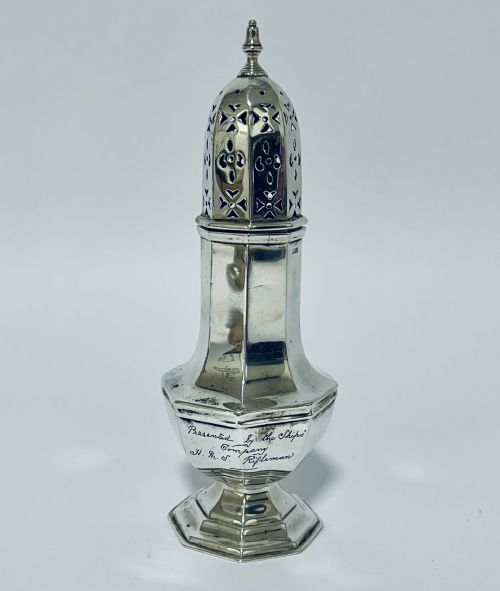
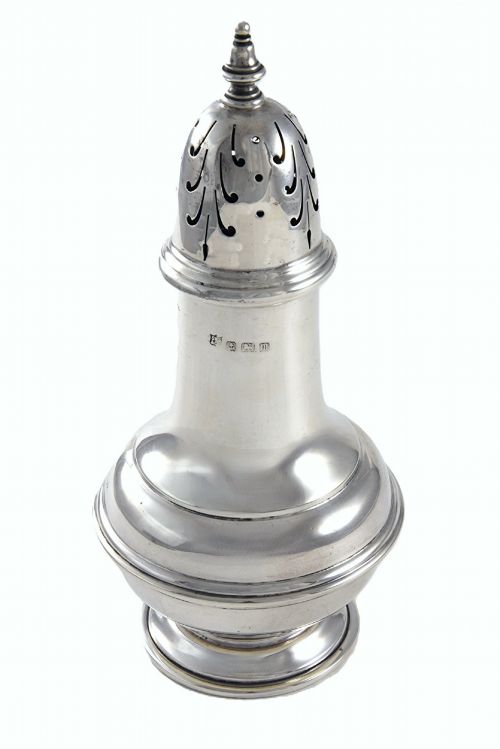
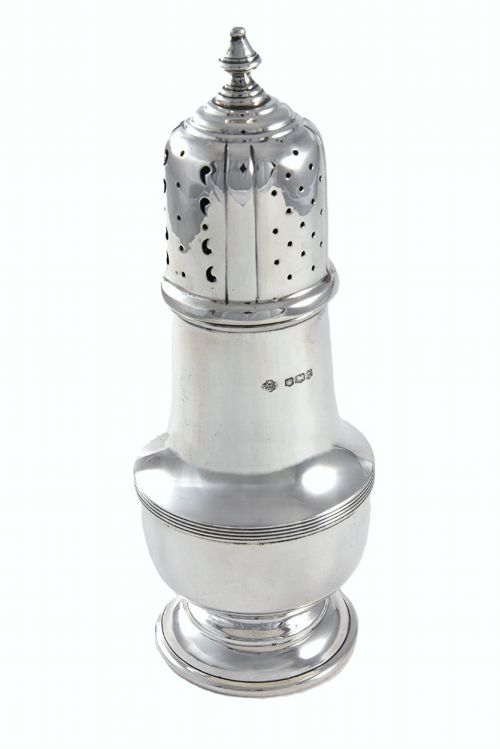
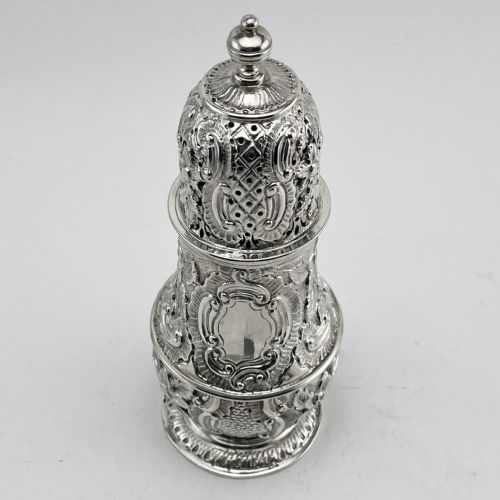
A vintage sterling silver shaker brings precision to the table, taking the form of tall casters or low pepper pots from periods spanning the Victorian era to the mid-twentieth century.
Vintage Sterling Silver Shaker
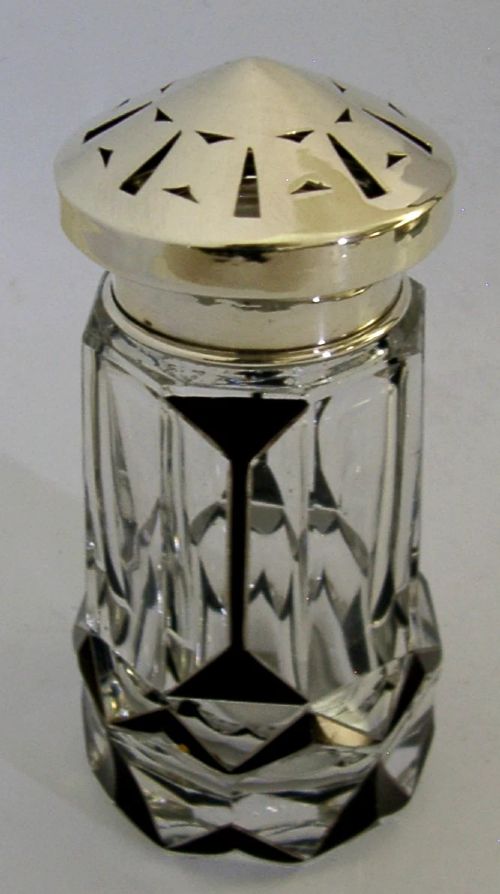
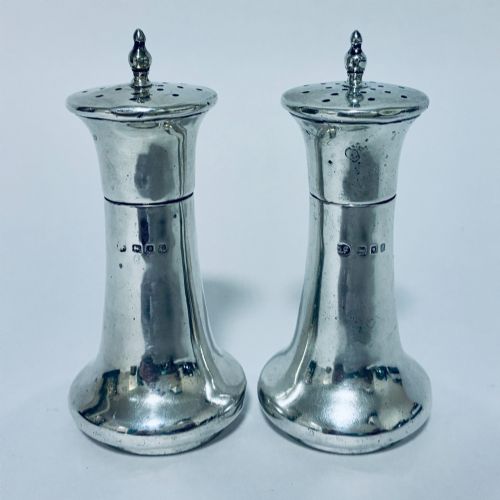
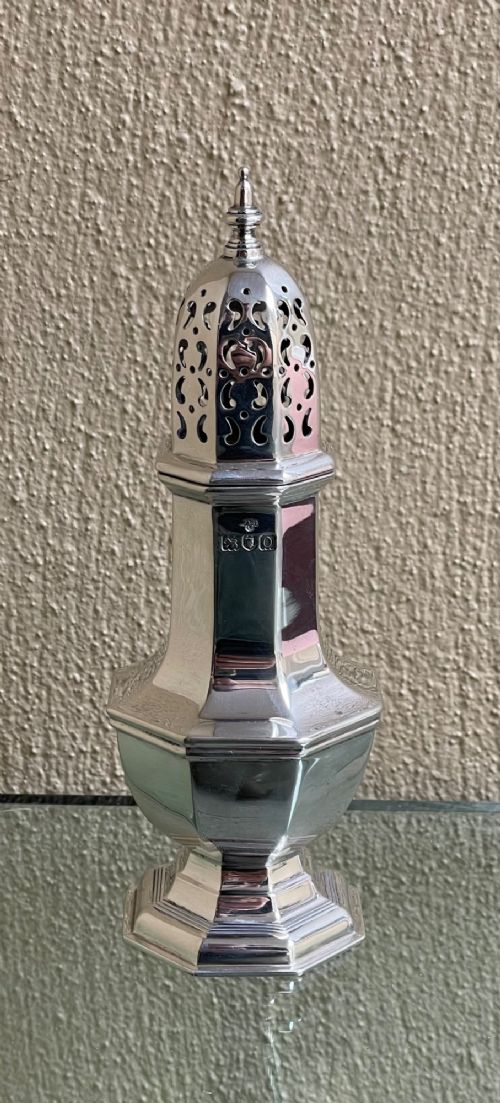
A vintage sterling silver shaker encompasses several distinct tabletop forms, ranging from towering sugar castors and sifter jugs to diminutive pepper pots and cocktail vessels. You will most frequently encounter slender sugar shakers and condiment pepperettes dating from the Edwardian years through the Art Deco period of the nineteen-thirties.
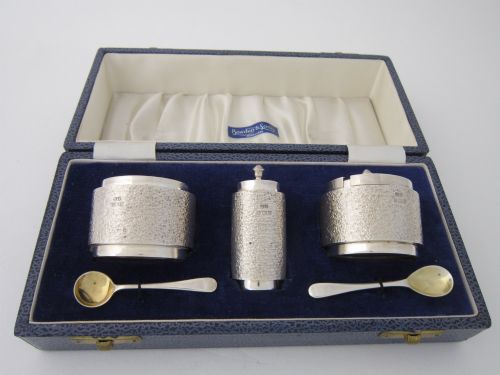
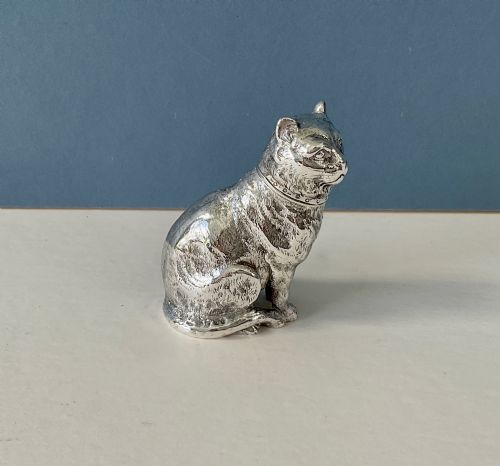
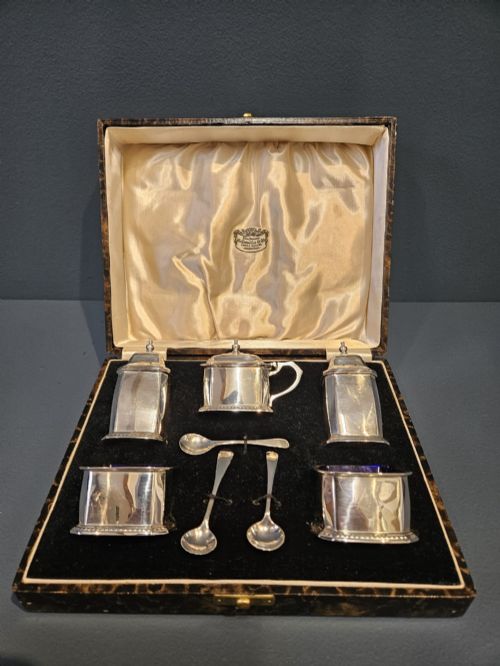
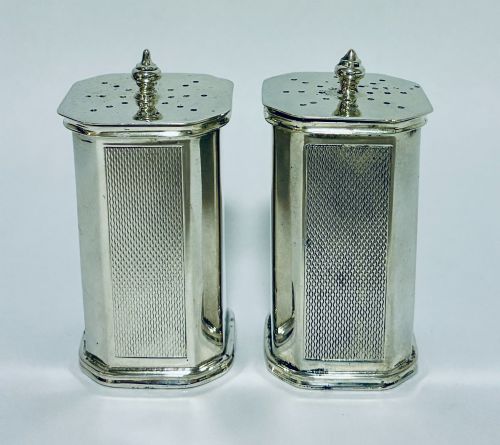
The selection here draws together domestic tableware and barware produced across various British and international workshops, including matched cruet sets and individual novelty pieces shaped as animals. Makers utilised traditional designs that reflect stylistic shifts from ornate Victorian cornucopia motifs to the clean polygon sides characteristic of mid-century modern aesthetics.
Materials and construction methods
Silversmiths constructed these vessels primarily using solid sterling silver or silver-gilt, frequently combining the metal with cut glass bodies for cocktail shakers and cruet bottles. Pierced lids and screw-on caps were meticulously formed to allow the measured dispensing of dry condiments or granulated sugar.
Surface ornamentation relied on specialist techniques such as guilloche enamel work in vibrant colour palettes, alongside hand-engraved detailing and crisp polygonal shaping. Hallmarks stamped directly into the metal record the assay office, city of origin, and year of manufacture.
Vintage Sterling Silver Shaker Retail Price Guide 2026
Typical asking prices for vintage sterling silver shaker among the pieces listed under this phrase on Sellingantiques today, from the lower quarter to the upper quarter. They describe what is for sale here now, not the wider market.
Several pepper pots take the form of miniature silver owls and pheasants ready to guard the dining table.
Evaluating craftsmanship and condition
Quality in a vintage sterling silver shaker rests upon the crispness of the pierced lid work and the structural integrity of the metal body. Superior examples maintain exact symmetry in geometric Art Deco polygon forms and retain intact interior gilding.
The distinction between standard domestic tableware and finer collector pieces often lies in the maker's mark and the complexity of decorative treatments like applied enamel or figural casting. Wear is measured by how cleanly the cap threads engage and whether original proportions remain unaltered by heavy polishing.
James Dixon & Sons Ltd·Hukin & Heath·Roberts & Belk·David Andersen·Viners·Mappin & Webb
The Vintage Sterling Silver Shaker Glossary
- Sterling silver
- An alloy consisting of ninety-two point five percent silver by mass, with the remainder composed of copper or other metals for durability. This standard metal forms the primary body of the majority of listed shakers.
- Sugar caster
- A tall container with a pierced domed lid designed for dusting loose sugar onto pastries or fruit. These vessels are also referred to in listings as sugar shakers or sifters.
- Cruet set
- A matched collection of small bottles or pots intended for holding condiments such as salt, pepper, mustard, and vinegar. They frequently sit together on a dedicated silver stand or tray.
- Guilloche enamel
- A decorative technique where precise geometric patterns are mechanically engraved beneath a translucent layer of coloured enamel. This method appears on select cocktail shakers and ornamental boxes.
- Pepperette
- A small shaker specifically designed to dispense ground black pepper at the dining table. They frequently take miniature novelty shapes including owls, foxes, and cats.
Vintage Sterling Silver Shaker: Frequently Asked Questions
How do I clean a sterling silver shaker safely?
Wash the piece gently in warm water with a mild, phosphate-free liquid soap and a soft cloth to remove surface dust.
Avoid abrasive pastes or harsh chemical dips that strip away the natural patina and can damage applied enamel or glass components.
Can I use a vintage cocktail shaker for mixing drinks?
Many silver and glass cocktail shakers remain fully functional for mixing beverages provided the internal seals and caps fit securely.
Check the inner metal lining for signs of corrosion or heavy wear before preparing liquids inside antique vessels.
How can I date a silver shaker using hallmarks?
British pieces feature stamped assay office marks, a lion passant indicating sterling standard, and a distinct date letter corresponding to a specific year.
Comparing these stamped letters against standard regional assay tables reveals the exact year the item was officially tested and registered.