



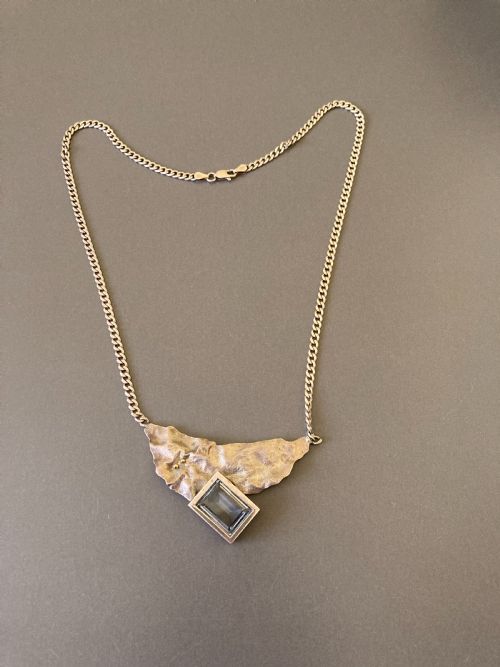

Vintage Sterling Silver Necklace
A vintage sterling silver necklace brings together centuries of craftsmanship, combining lasting metalwork with distinctive gemstones and period designs.
Vintage Sterling Silver Necklace
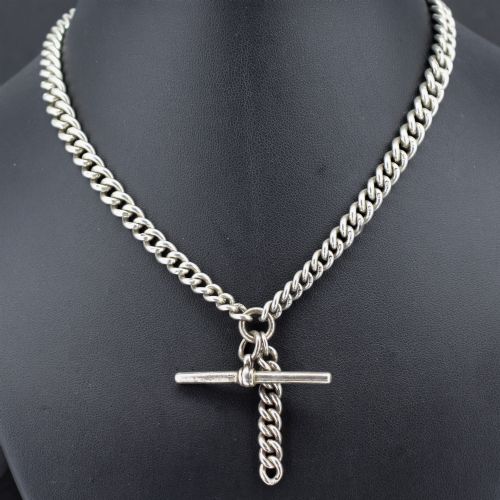
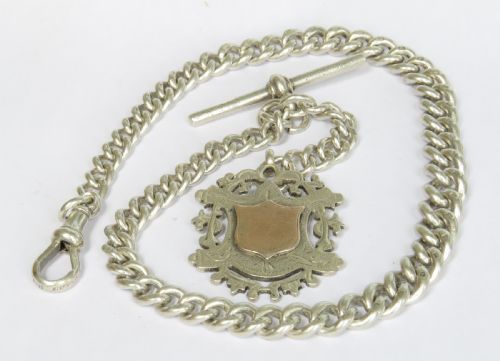
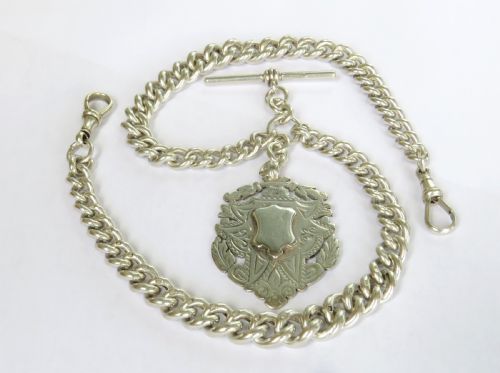
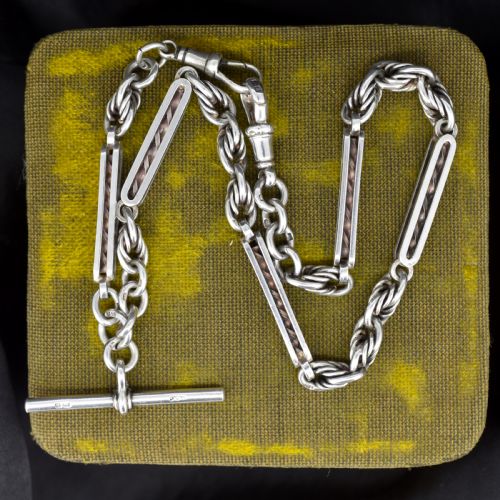
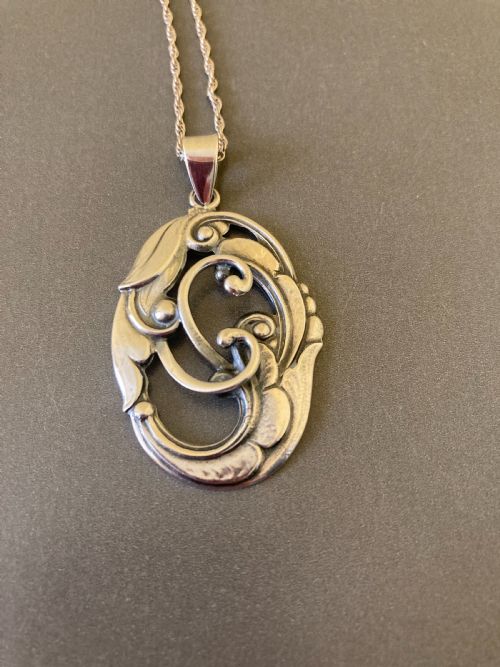
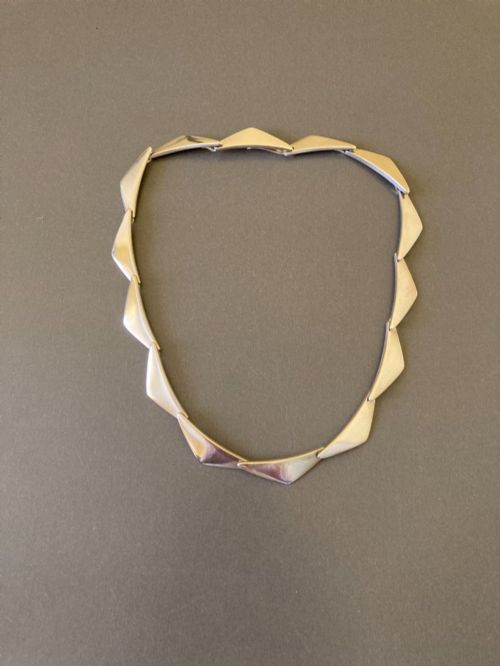
A vintage sterling silver necklace encompasses a wide array of historical forms, ranging from repurposed pocket watch chains to dedicated pendants and linked chains. Buyers encountering this selection will find items spanning the Victorian era through the mid-twentieth century, including distinct Arts and Crafts, Art Nouveau, and Art Deco examples.
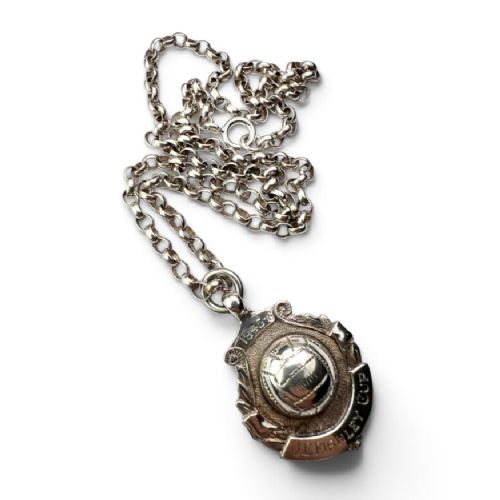
The assortment relies heavily on wearable history, featuring lockets, religious crosses, medals, and decorative units inset with various stones. Pieces frequently incorporate chains such as curb links, albert chains, and trombone links alongside fitted pendants.
How they were made
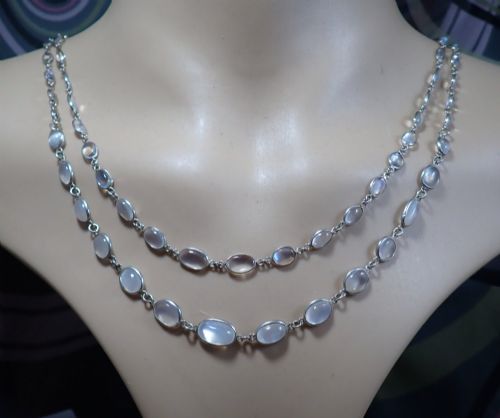
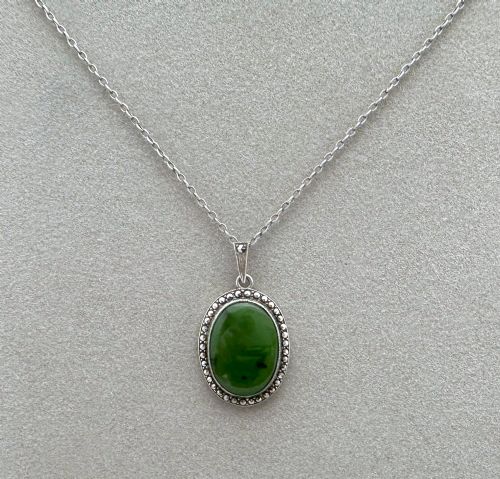
Makers utilised sterling silver and standard silver as the structural base for these items, often shaping the metal through filigree work, solid casting, or link fabrication. Stones like moonstone, amber, amethyst, opal, and malachite are secured via settings that reflect the specific aesthetic of their period.
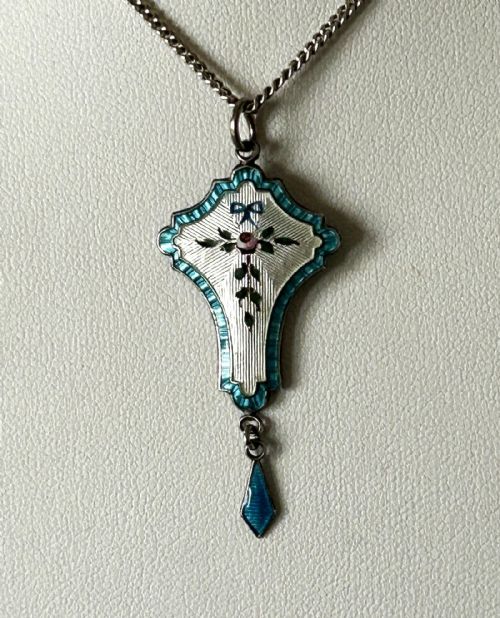
Vitreous enamel and marcasite embellishments appear across multiple eras, adding colour and texture to the silver framework. Components such as dog clips, jump rings, and specialised clasps complete the construction of functional watch chains and pendant mounts.
Vintage Sterling Silver Necklace Retail Price Guide 2026
Typical asking prices for vintage sterling silver necklace among the pieces listed under this phrase on Sellingantiques today, from the lower quarter to the upper quarter. They describe what is for sale here now, not the wider market.
Materials span natural amber, malachite, and moonstone alongside vitreous enamel and marcasite set within various grades of silver.
What varies in quality
The standard of design execution and the prominence of the maker dictate the upper tier of these pieces, particularly seen in works associated with noted workshops and retailers. Craftsmanship involving intricate enamel work, balanced gemstone settings, and well-preserved maker marks elevates individual items above standard mass production.
Subtleties in metal gauge and the integrity of original components, such as secure watch chain dog clips and intact stone doublets, distinguish finer examples. The harmony between the silver mount and the chosen gem or decorative element establishes the overall visual success of the piece.
Georg Jensen·G Hoppe·WH Haseler·Liberty and Co·Thomas L Mott·David Andersen
The Vintage Sterling Silver Necklace Glossary
- Albert chain
- A heavy chain originally designed to secure a pocket watch to a waistcoat, frequently repurposed as a necklace today.
- Marcasite
- Small, faceted pieces of iron pyrite set into silver to provide a dark, sparkling metallic border.
- Filigree
- Delicate openwork jewellery formed from fine twisted silver wire soldered together into intricate patterns.
- Opal doublet
- A composite gemstone consisting of a thin slice of natural opal glued to a dark backing to enhance the play of colour.
- Dog clip
- A spring-loaded swivel clasp commonly found on antique watch chains for secure attachment.
Vintage Sterling Silver Necklace: Frequently Asked Questions
How do I wear an albert chain as a necklace?
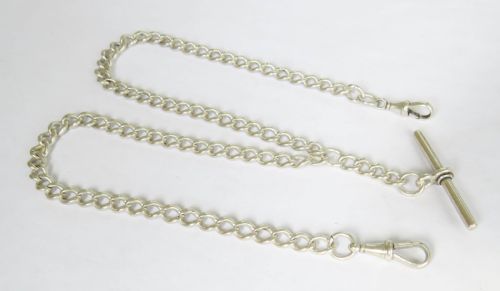
Albert chains were originally made to hold pocket watches, so they often feature a T-bar and dog clip at either end. You can fasten the dog clip onto any link of the chain to adjust the length, letting the T-bar hang as a decorative drop.
Many people wear them doubled up for a shorter, chunkier look or let them drape at their full length.
What is the difference between sterling silver and standard silver?
Sterling silver contains a specific high proportion of pure silver alloyed with other metals, usually copper, to increase durability for daily wear. Older Continental pieces might use different silver standards marked with alternative numbers rather than the standard British hallmarks.
Both types develop a natural patina over time that highlights the intricate details of vintage metalwork.
How do I care for enamel and gemstones?
Enamel is essentially glass fused to metal, so it requires gentle handling to prevent chipping or scratching against other jewellery. Avoid harsh chemical dips or ultrasonic cleaners, using a soft dry cloth to remove surface dust instead.
Gemstones like amber and moonstone are relatively soft and benefit from separate storage away from harder diamonds and rubies.
How can I tell the period of a silver necklace?
Stylistic clues offer the fastest route to dating, such as the flowing organic lines of Art Nouveau or the geometric symmetry of Art Deco. Examining any stamped hallmarks, maker marks, or numeric date stamps on the silver components will provide more precise historical context.
Construction methods, including the type of clasp and stone cutting, also point directly to the era of manufacture.