


Vintage Sterling Salts
Vintage sterling salts bring character to a dining table, offering small vessels crafted in silver for holding table salt.
Vintage Sterling Salts
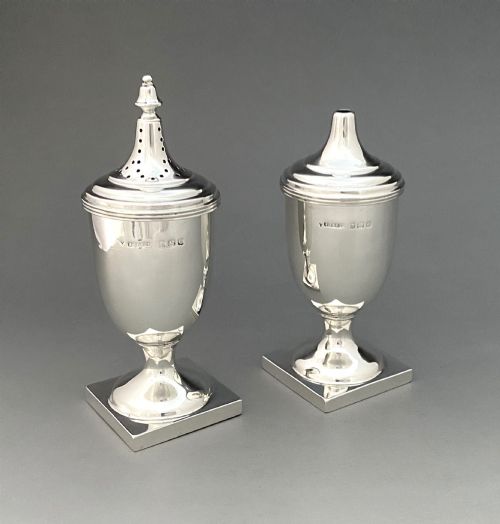
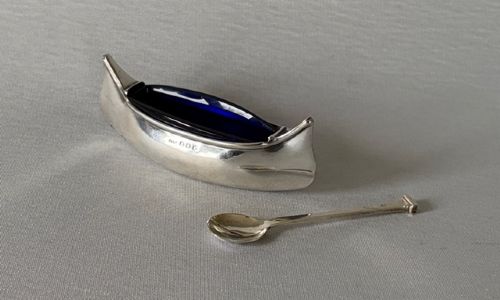
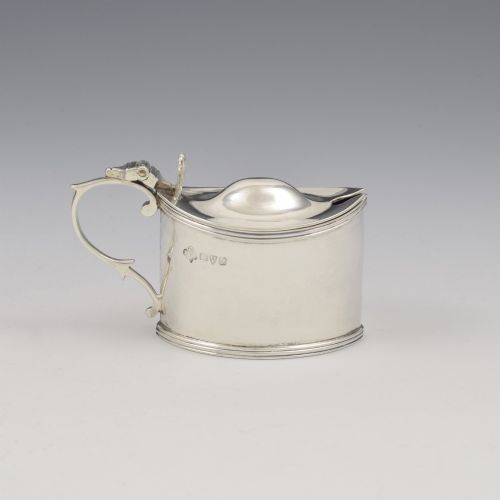
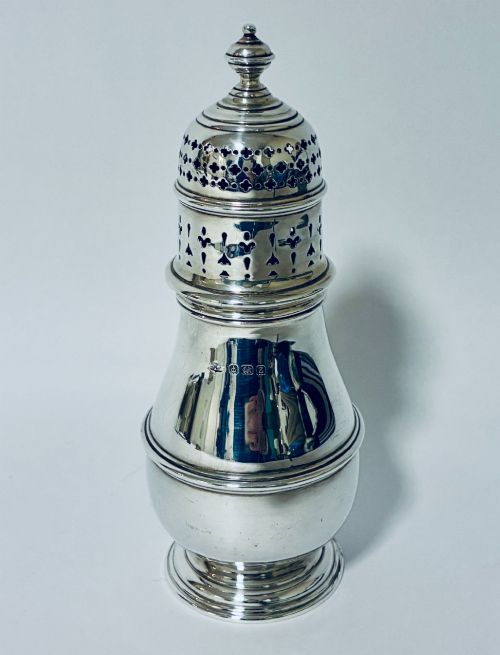
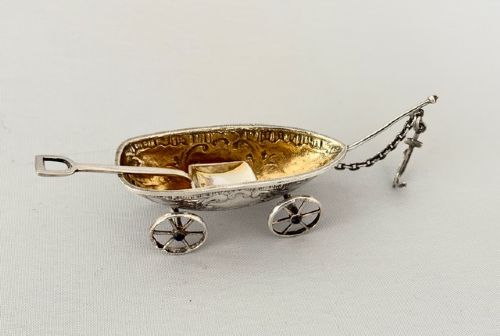
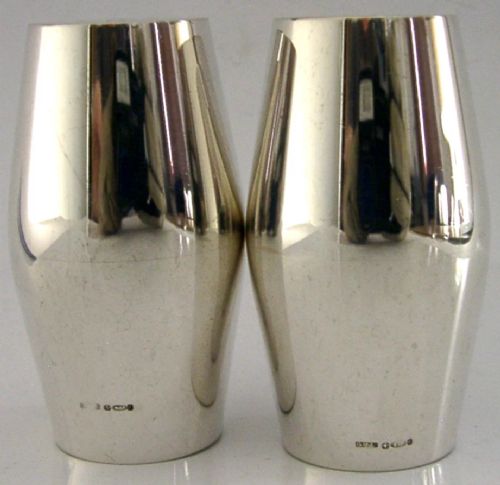
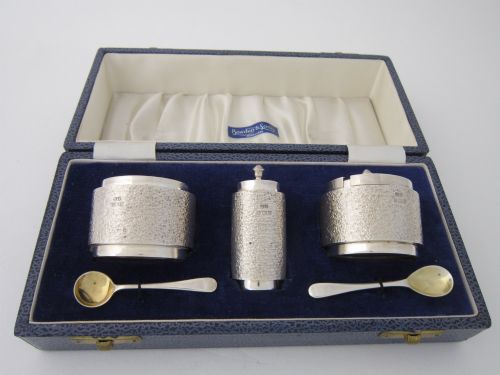
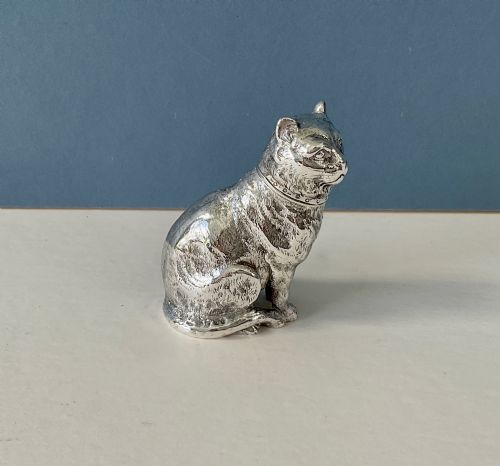
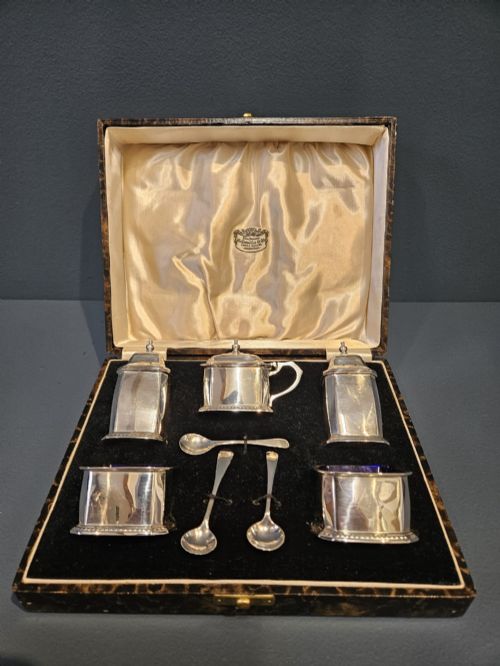
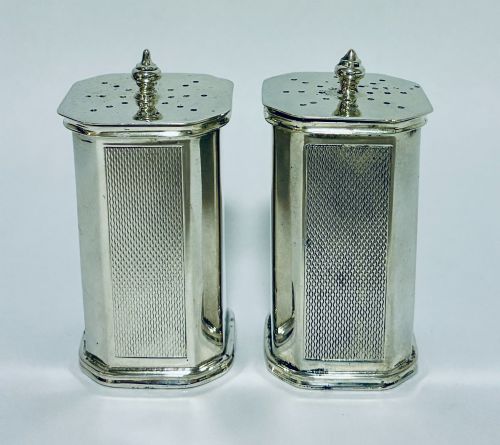
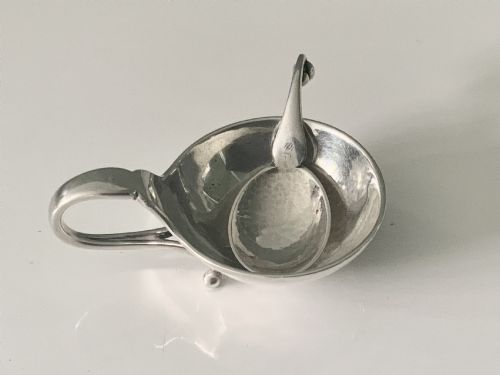
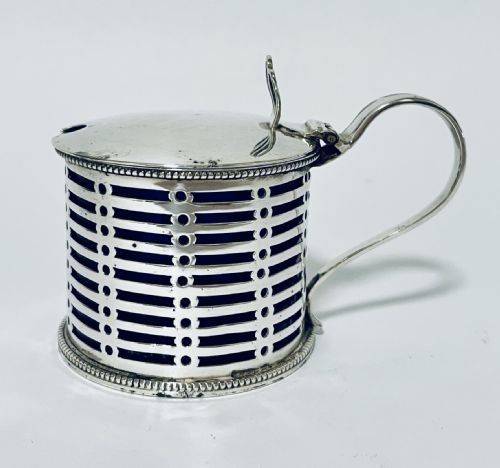
When you search for vintage sterling salts, you are looking at small silver containers designed to hold salt at the table, often accompanied by matching spoons or paired with mustard pots and pepper shakers in condiment sets. The selections here span multiple decades, taking forms such as open salt cellars, covered tubs, and novelty animal shapes like cats, owls, and pheasants.
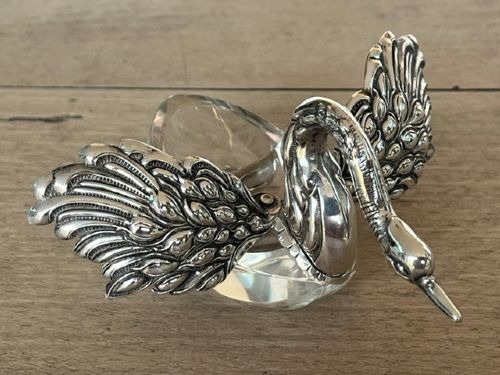
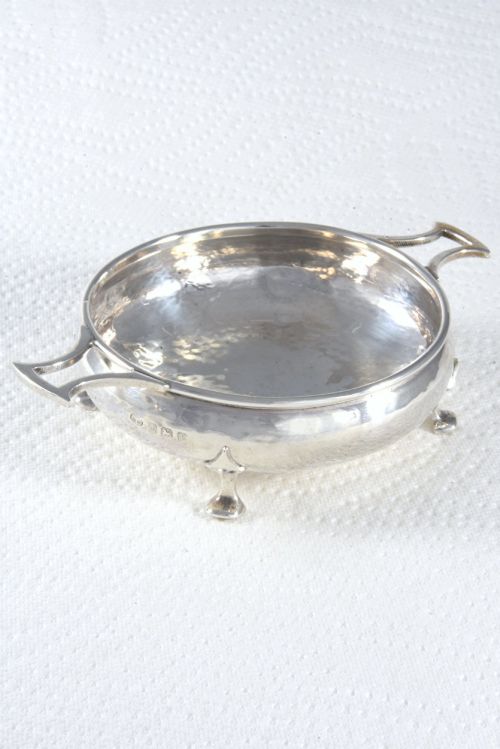
The pieces you meet most frequently on this page range from Victorian and Edwardian chased designs to George V and mid-century modern cruet sets. Alongside traditional open salts resting on tiny feet or pads, you will encounter novelty pieces including quaichs and winged swan cellars that combine silver with crystal or glass inserts.
Materials and construction
These items rely primarily on sterling silver and solid silver, shaped through techniques such as casting, hammering, and detailed foliate chasing. Many open salt cellars incorporate fitted glass or cut glass liners to protect the metal from the corrosive nature of salt, while some scent bottles and dishes add enamel, velvet, silk, or satin elements.
Maker marks, town marks, and date letters are typically stamped directly into the silver, providing a clear record of British and European assay offices. Novelty pieces demonstrate specialised silversmithing skills, fabricating hinged wings, detailed feathers, and tiny animal forms with individual character.
Vintage Sterling Salts Retail Price Guide 2026
Typical asking prices for vintage sterling salts among the pieces listed under this phrase on Sellingantiques today, from the lower quarter to the upper quarter. They describe what is for sale here now, not the wider market.
Listings span several eras, including Victorian, Edwardian, Georgian, and mid-century periods, utilising materials such as sterling silver, cut glass, enamel, and velvet.
Assessing quality and craftsmanship
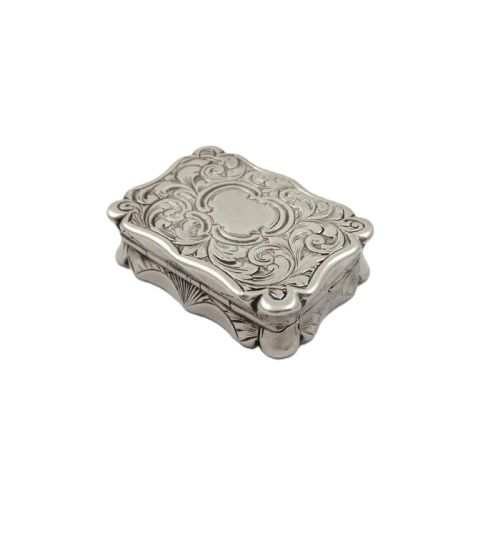
Quality in these items rests upon the crispness of the silversmith's chasing and the weight of the silver used in the body. Finer examples display deep, hand-worked foliate details and substantial construction that resists denting, whereas simpler pieces rely on thin pressed metal.
The presence of original fitted cases, matching spoons, and undamaged glass liners elevates a set's completeness. Furthermore, well-preserved hallmarks and the reputation of makers such as Georg Jensen or Barnards distinguish superior productions from standard commercial wares.
Goldsmith & Silversmith's·Georg Jensen·Barnards·Josiah Williams & Co·Bricks & Sons·G H James & Co·Wilmot Manufacturing Co·Viners
The Vintage Sterling Salts Glossary
- Sterling silver
- An alloy consisting of ninety-two point five percent silver and seven point five percent other metals, typically copper. This standard ensures sufficient durability for daily dining use while maintaining a bright metallic lustre.
- Cruet set
- A matched group of small condiment containers holding items like salt, pepper, mustard, and vinegar. These sets usually sit together on a dedicated stand or within a fitted presentation case.
- Salt cellar
- An open dish or small bowl placed on the dining table to hold loose salt before the invention of the shaker. Diners would pinch salt from the vessel using their fingers or a tiny salt spoon.
- Chasing
- A metalworking technique where the silversmith hammers the front surface of the metal to push design elements outward or create textured patterns. This method is often used to add floral or foliate motifs to salt bodies.
- Quaich
- A traditional shallow two-handled drinking vessel adapted in some Victorian and Edwardian workshops as a novelty salt cellar. The twin lugs give these miniature pieces a distinct regional silhouette.
Vintage Sterling Salts: Frequently Asked Questions
How were salt cellars used?
Before free-flowing salt and shaker bottles became common, salt was served in open vessels placed along the dining table. Diners used a small salt spoon or their fingers to take a pinch of salt and scatter it over their food.
These open bowls often featured glass inserts to prevent the salt from reacting directly with the silver surface. They were frequently paired with matching pepper pots and mustard containers as part of a complete table setting.
Do salt cellars need glass liners?
Many open silver salt cellars were made with removable glass or crystal liners. Salt is corrosive and can pit or discolour silver over extended periods of contact.
Liners protected the precious metal interior while making the vessels easier to clean between meals. Finding a set with its original undamaged glass insert is a distinct advantage.
How do I clean vintage silver?
Silver salt cellars benefit from gentle washing in warm, soapy water using a soft cloth to remove everyday residue. Harsh abrasive dips or heavy scrubbing can wear away fine details like chasing and remove desirable historical patination.
For tarnish, a dedicated silver polish applied sparingly and rinsed thoroughly restores the shine. Storing the pieces away from humid environments helps maintain the metal finish.