


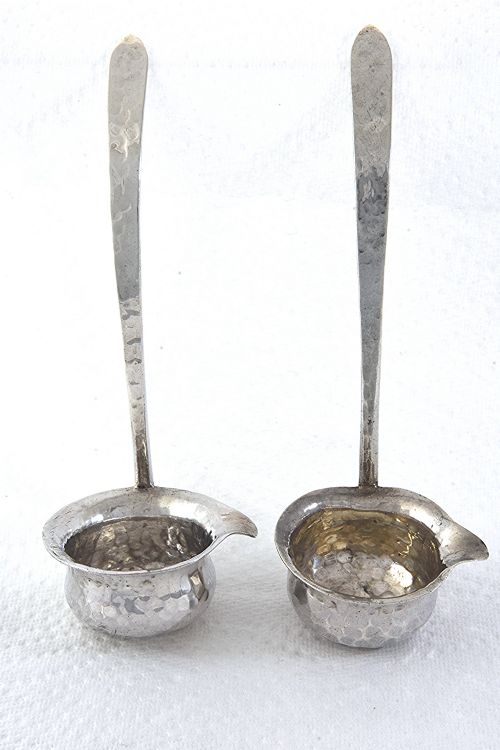


Vintage Sterling Ladle
A vintage sterling ladle is an essential table service piece forged from precious metal, combining practical function with lasting design.
Vintage Sterling Ladle
A vintage sterling ladle serves sauce, soup, gravy, and sugar at the dining table, taking many forms across its long history. When exploring vintage sterling ladle options, collectors encounter everything from small sauce ladles to large soup ladles.
The pieces on this page span the eighteenth century, the Victorian and Edwardian eras, and the twentieth century. Origins range across English, Irish, Scottish, Danish Modern, and Continental European workshops.
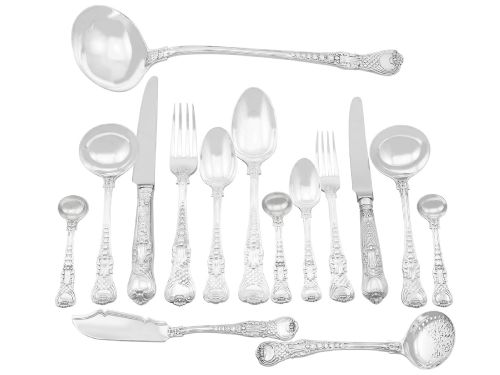
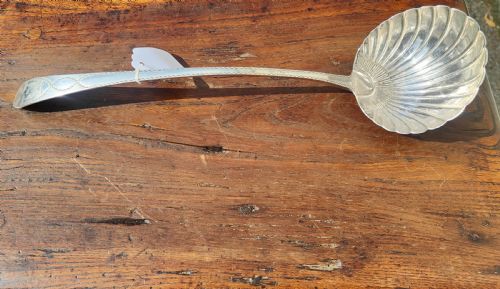
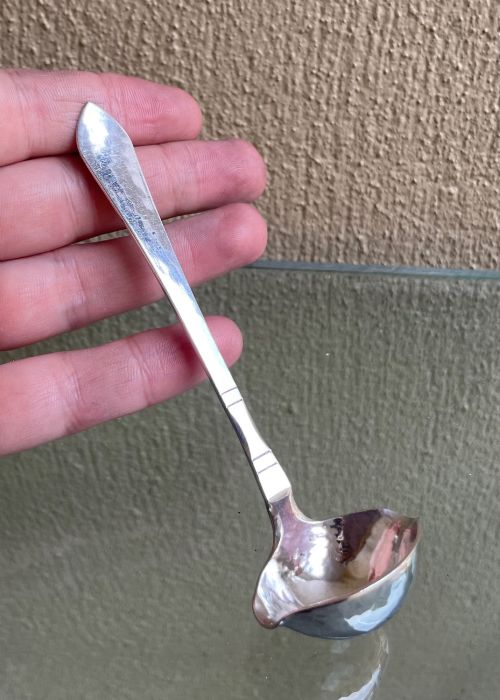
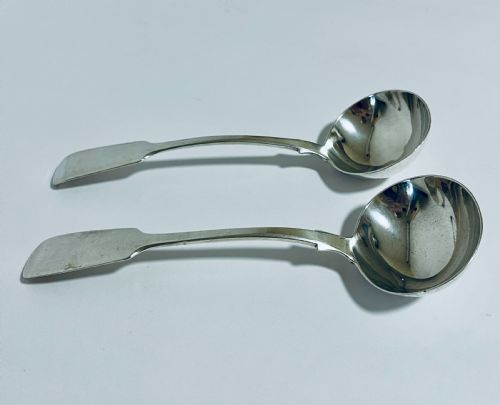
Forms include classic soup ladles, sauce ladles, gravy spoons, sugar sifter spoons, straining ladles, and shell-shaped serving spoons. These utensils belong to broader categories of flatware, cutleries, and serveware.
How they were made
Makers shaped these pieces from sterling silver, solid silver, and silver plate using traditional silversmithing techniques. Metal was melted, hammered, and drawn into the sturdy bowls and handles required for daily service.
Design details were applied through hammering, casting, and piercing. Strainer spoons and straining ladles feature carefully drilled or cut drainage holes, while pattern-stamped handles reflect styles like Colonial Revival and Arts and Crafts.
Some toddy ladles come equipped with twisted whalebone handles designed to keep the heat of the punch away from the fingers.
What varies in quality
Weight and gauge distinguish heavier service pieces from lighter utensils, with substantial metal thickness providing better balance in the hand. The crispness of chased decoration and the symmetry of pierced strainer bowls demonstrate the maker's skill.
The integrity of hallmarks and maker stamps adds historical value and confirms metal purity. Surface preservation, including the retention of original bowl contours and crisp hallmarks, defines the condition of each piece.
Georg Jensen·TIFFANY & CO.
The Vintage Sterling Ladle Glossary
- Sterling silver
- A silver alloy containing 92.5 percent pure silver and 7.5 percent other metals, usually copper, chosen for durability. This standard is denoted by specific hallmarks on the metal.
- Hallmark
- An official stamp applied to precious metals indicating the maker, assay office, and year of manufacture. These small marks provide a secure historical record.
- Sauce ladle
- A small serving utensil with a deep, rounded bowl designed for pouring sauces or gravies. They typically measure smaller than soup ladles.
- Sifter spoon
- A perforated spoon used for dusting sugar over food or skimming liquids. The pierced bowl allows excess liquid or fine particles to pass through.
- Serveware
- Tableware items used for serving food rather than individual consumption. This category includes ladles, serving spoons, and carving sets.
Vintage Sterling Ladle: Frequently Asked Questions
What is a sterling ladle used for?
These utensils serve liquids and loose foods from bowls and tureens directly to dinner plates. Different sizes suit specific contents, from heavy sauces to clear soups.
Smaller versions handle gravies, melted butter, and sugar, while large soup ladles manage deeper portions.
How do I clean silver ladles?
Wash silver pieces by hand in warm, soapy water and dry them immediately with a soft cloth to prevent water spots. Avoid harsh abrasive cleaners that scratch the metal surface.
Store them in tarnish-resistant cloths or bags when not in use to maintain their bright finish.
Can I use them every day?
Solid silver and sterling silver utensils are durable enough for regular dining use. Their robust construction handles everyday service.
Hand washing prevents the accelerated wear that automatic dishwashers cause to older metal and decorative details.
How do I identify the period?
Assay office marks, maker stamps, and stylistic cues reveal the era of manufacture. Georgian and Victorian pieces show distinct hand-wrought characteristics.
Later twentieth-century examples often adopt minimalist or modernist forms, such as Danish Modern designs.