





Vintage Sterling Jewellery Set
A vintage sterling jewellery set brings together matched silver pieces from decades past, offering an easy way to wear period design with genuine character.
Vintage Sterling Jewellery Set
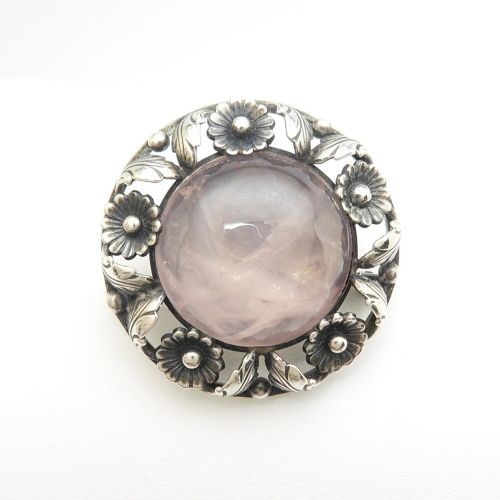
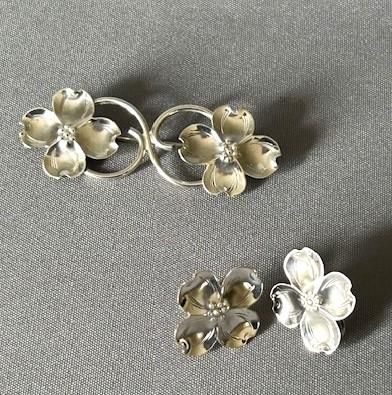
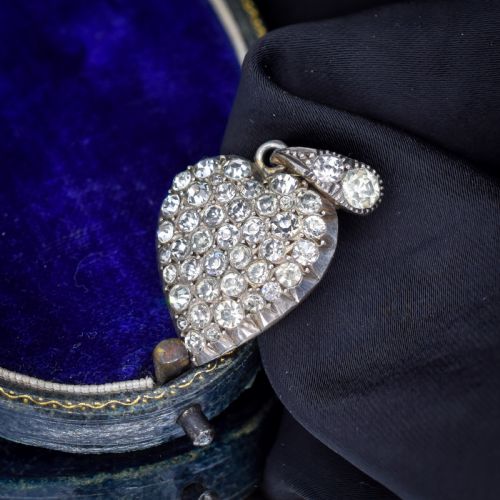
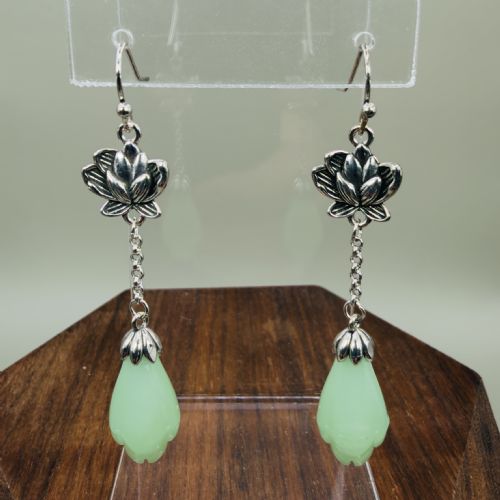
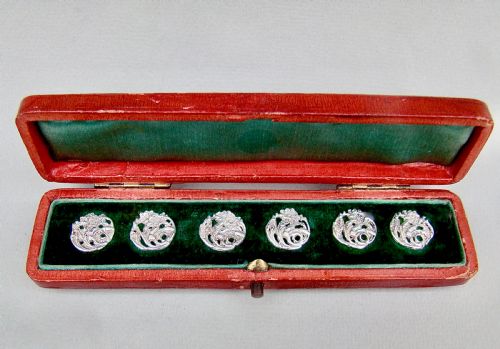
A vintage sterling jewellery set comprises coordinated silver items ranging from the Edwardian era through the mid-century decades. Buyers seeking this phrase encounter everything from matched brooch and earring combinations to cased button collections and gemstone suites.
The selections span distinct historical aesthetics, including Art Deco geometries, Art Nouveau organics, and mid-century Scandinavian minimalism. Silver forms the foundational metal across these varied configurations, often paired with natural stones or glass.
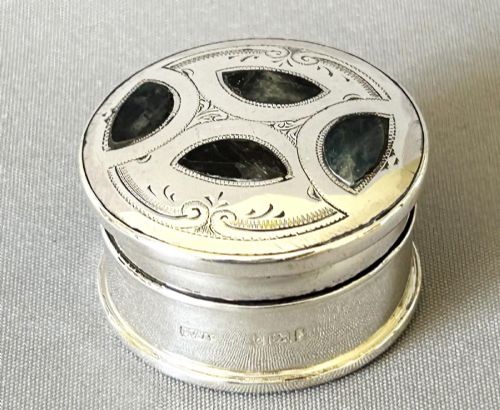
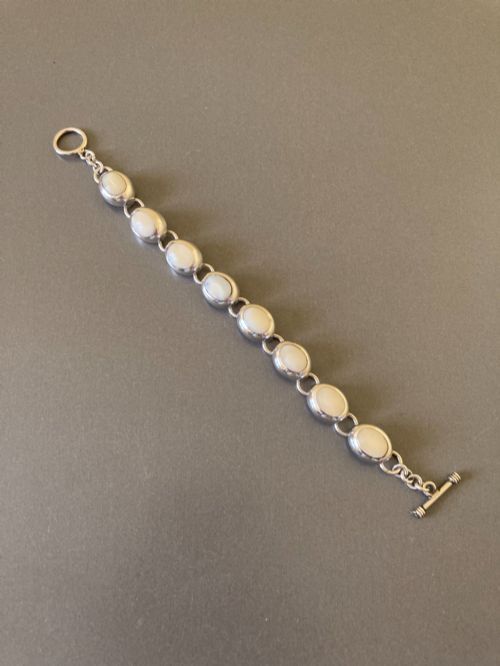
Earrings, brooches, rings, and necklaces appear frequently, sometimes presented as complete suites or functional pillboxes and buttons. Each period brings its own characteristic weight and fastening style to the assemblage.
Assessing quality in silver sets
The refinement of the metalwork separates standard production from finer examples, particularly where intricate pierced filigree or precise cast details are concerned. Superior execution shows crisp edges and secure stone settings that hold each component firmly in place.
The choice of materials influences the overall caliber of a set, with natural gemstones like amber, moonstone, and coral representing a different tier from paste glass substitutes. Harmonious matching between individual items within a cased group also dictates the desirability of the set.
Vintage Sterling Jewellery Set Retail Price Guide 2026
Typical asking prices for vintage sterling jewellery set among the pieces listed under this phrase on Sellingantiques today, from the lower quarter to the upper quarter. They describe what is for sale here now, not the wider market.
Swivel mechanisms let owners flip a single ring between two distinct faces for day and night wear.
N.E FROM·Mikimoto·James Deakin & Sons
The Vintage Sterling Jewellery Set Glossary
- Sterling silver
- A silver alloy containing 92.5 percent pure silver and 7.5 percent other metals, usually copper, chosen for durability. It forms the primary structural material for the majority of these pieces.
- Filigree
- Delicate openwork ornamentation formed from fine twisted silver threads soldered together. This technique creates lace-like patterns in bracelets and brooches.
- Gilding
- A thin layer of gold applied to the surface of the silver base. This treatment provides a warm two-tone appearance on select brooches and decorative items.
- Bezel setting
- A collar of silver that surrounds and holds a stone in place by the edge. It offers a smooth, protective border for cabochons and faceted gems.
Vintage Sterling Jewellery Set: Frequently Asked Questions
How can I identify the period of my silver set?
Dating relies on stylistic markers such as Art Deco geometric lines, Art Nouveau whiplash curves, or mid-century abstract forms. Hallmarks and maker stamps stamped into the silver also provide clear chronological anchors.
Material choices further assist with dating, as paste glass and specific stone cuts align closely with distinct manufacturing decades. Examining the clasp types and construction techniques reveals additional clues about the era of manufacture.
How do I care for vintage silver and gemstone items?
Gentle cleaning with a soft cloth helps maintain the silver surface without wearing away delicate details or gilding. Harsh chemical dips should be avoided, particularly when dealing with porous stones like amber or coral.
Storage in dry, separate compartments prevents scratching between individual pieces. Keeping sets away from direct sunlight protects organic materials from fading over time.
Were these items originally sold together?
Many sets were retailed as matched suites in fitted boxes, particularly button collections and formal dress accessories. Other groupings represent complementary pieces gathered together for their shared aesthetic and material.
Original presentation cases indicate an intended unified purpose from the date of manufacture. Individual items sharing a common maker or motif often function effectively as a coordinated group.