
Vintage Sterling Frame
A vintage sterling frame brings tactile warmth to a desk or mantelpiece, holding portraits within polished precious metal.
Vintage Sterling Frame
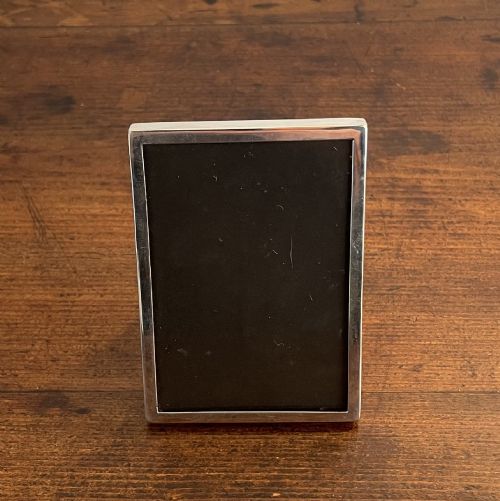
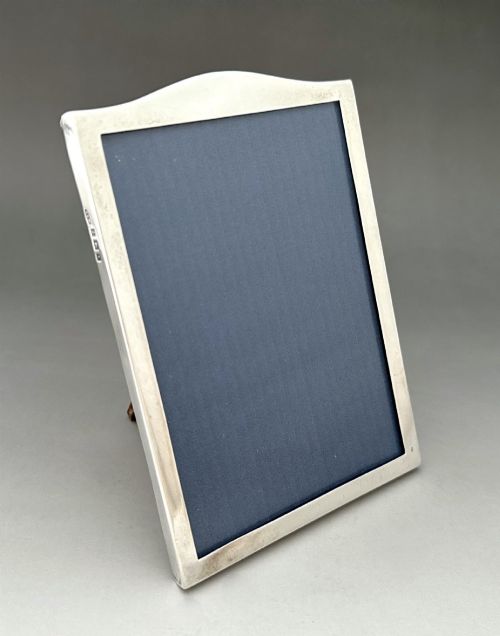
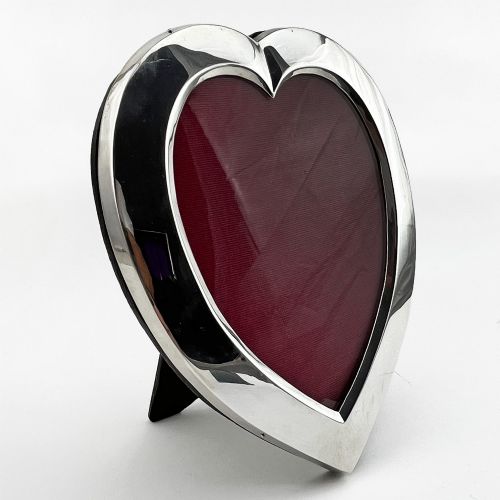
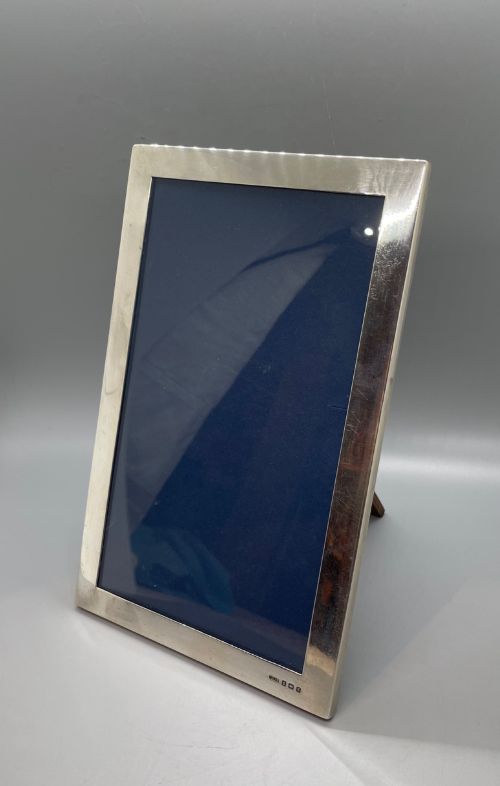
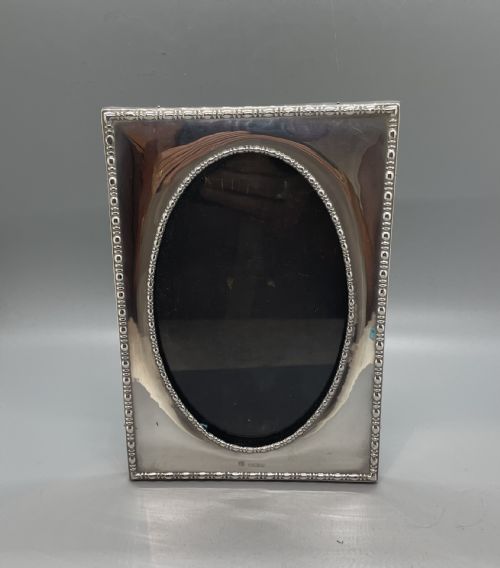
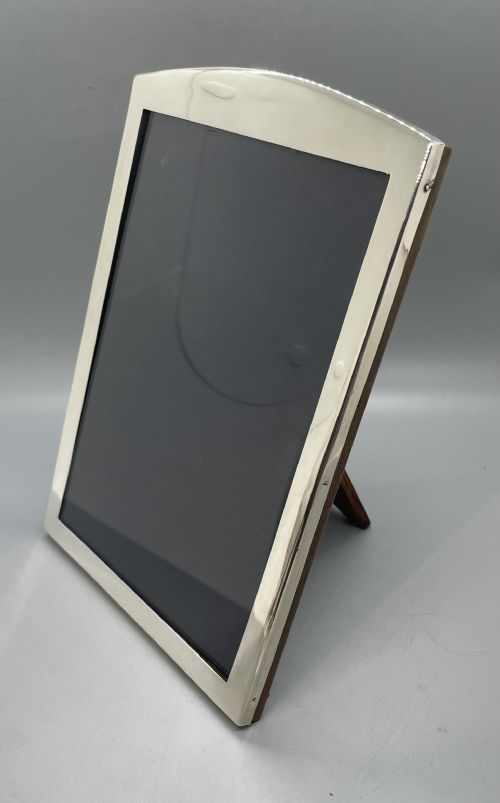
A vintage sterling frame encompasses desk accessories designed to display photographs, portraits, and mirrors, with many examples originating from the Edwardian period and the George V era.
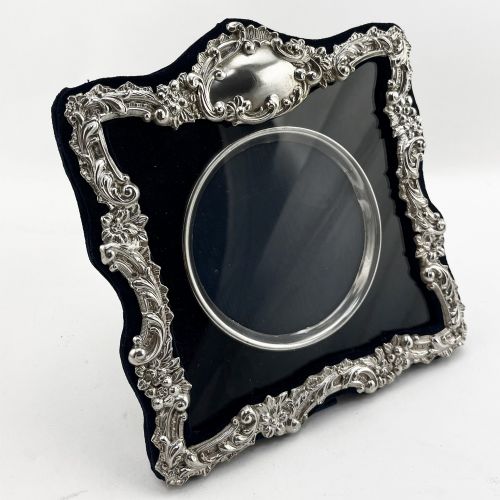
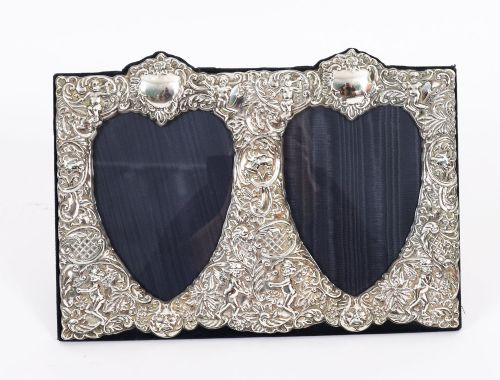
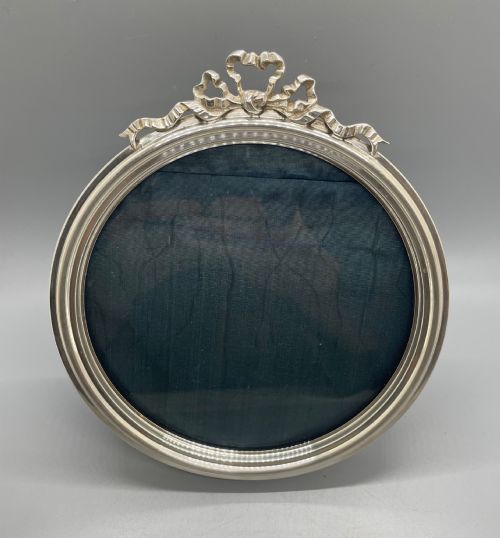
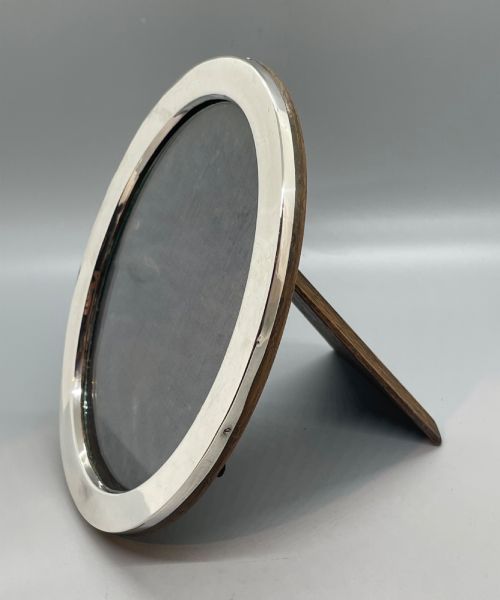
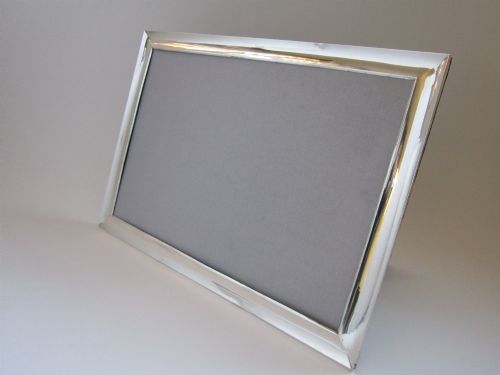
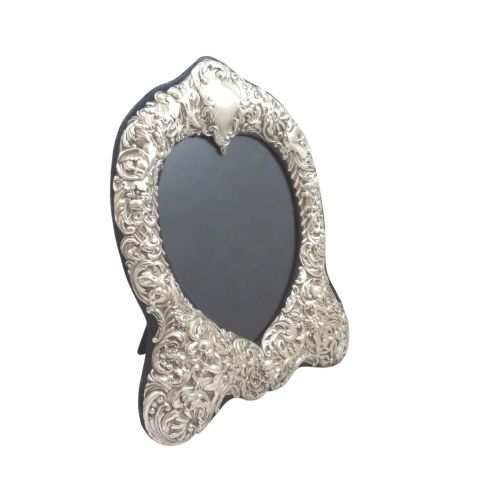
The selections span upright rectangular formats, oval shapes, and heart-shaped designs, alongside functional pieces like pocket watch holders and strut mirrors.
Makers utilised sterling silver alongside backing materials such as wood, velvet, leather, and glass to create functional household objects.
How they were made
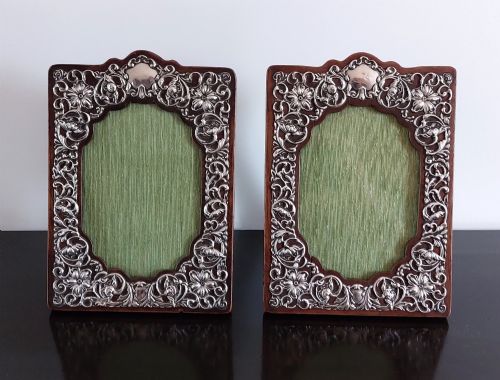
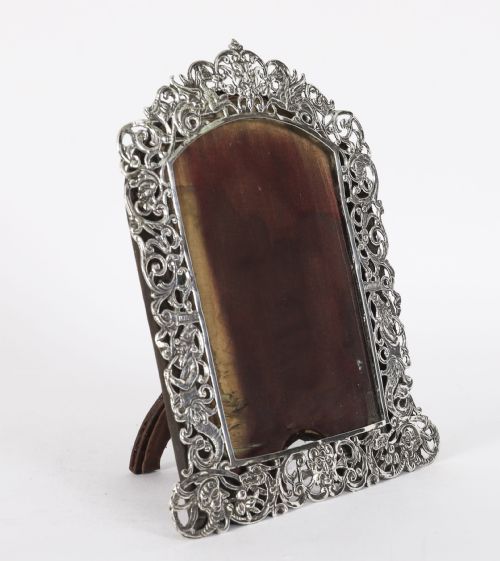
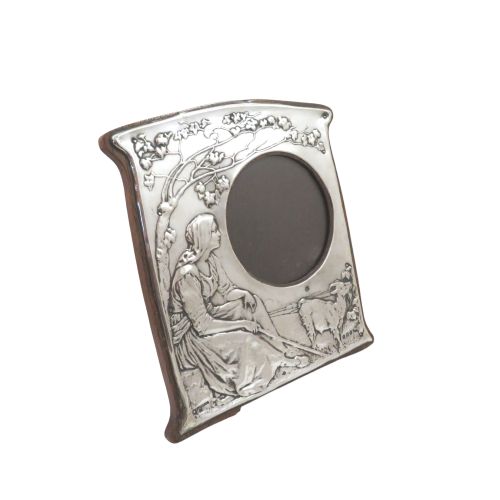
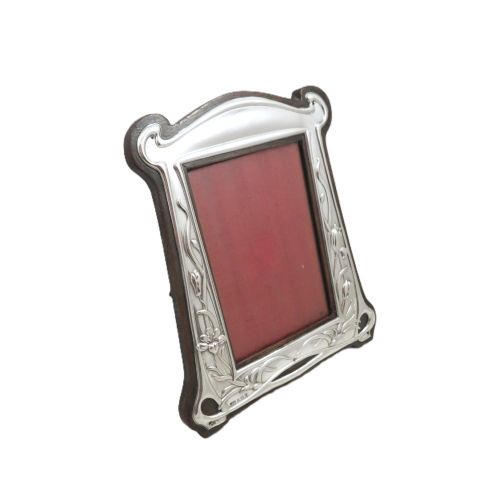
Silversmiths shaped sterling silver sheet using techniques like embossing, engine-turning, and engraving to produce ornate borders with motifs including birds, cherubs, and organic floral curves.
Makers constructed structural backs from wood, covering them with textiles such as velvet, silk, leather, or fabric to support the silver front and secure the glass pane protecting the photograph.
Several frames feature curious embossed scenes incorporating owls, dogs, and girls tending goats.
What varies in quality
The distinction between standard production and exceptional work rests on the depth of the metal ornamentation, the crispness of hallmarks struck in assay offices like Birmingham and Sheffield, and the integrity of the structural wooden backs.
Heavier gauge silver sheets retain their original contours and resist denting better than thinner alternatives, while intact original backing materials and hinges elevate the integrity of a piece.
Rosenthal, Jacob & Co.·William Comyns·John Collard Vickery·Mappin Bros·W.I. Broadway & Co
The Vintage Sterling Frame Glossary
- Sterling silver
- An alloy containing 925 parts of pure silver per thousand, forming the primary metal used for these frames.
- Hallmark
- A set of official marks stamped into the metal indicating the maker, assay office, and year of manufacture.
- Engine-turned
- A decorative technique involving precise geometric patterns mechanically etched into the silver surface.
- Strut
- A hinged wooden or metal support attached to the back of the frame to allow it to stand upright on a table.
- Embossing
- A method of raising relief designs on the metal sheet by hammering from the reverse side.
Vintage Sterling Frame: Frequently Asked Questions
How do I date a silver frame?
Assay office hallmarks stamped directly onto the silver border provide a reliable guide to the exact year and city of manufacture.
Additional clues emerge from the stylistic traits, such as Art Nouveau curves or geometric Art Deco lines.
What metals are used besides silver?
The primary metal is sterling silver, though makers occasionally utilised other silver standards alongside wooden internal structures.
Backings incorporate diverse materials including leather, velvet, silk, and glass to support the portrait.
Can these frames hang on walls?
Many examples feature versatile two-way backs that accommodate both portrait and landscape placement on flat surfaces.
Specific designs include folding struts intended solely for tabletop display rather than wall mounting.
How should I clean sterling silver?
Gentle wiping with a soft, non-abrasive microfibre cloth preserves the delicate embossed and engraved details on the metal surface.
Harsh chemical dips can strip away desirable age patinas accumulated over decades of use.