



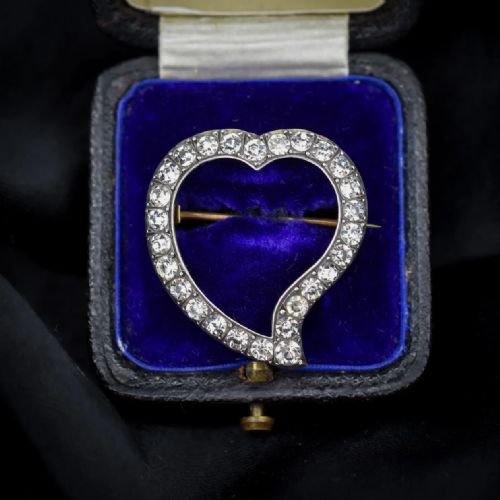

Vintage Sterling Brooch
A vintage sterling brooch brings decades of character to a lapel through enduring silverwork and imaginative decorative details.
Vintage Sterling Brooch
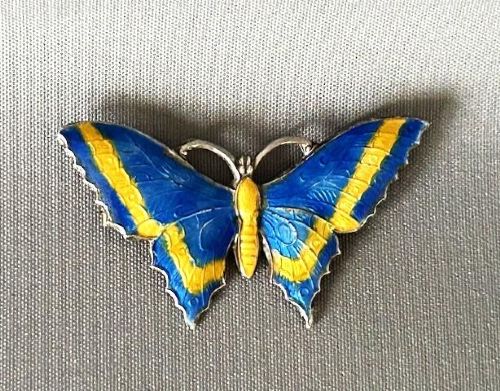
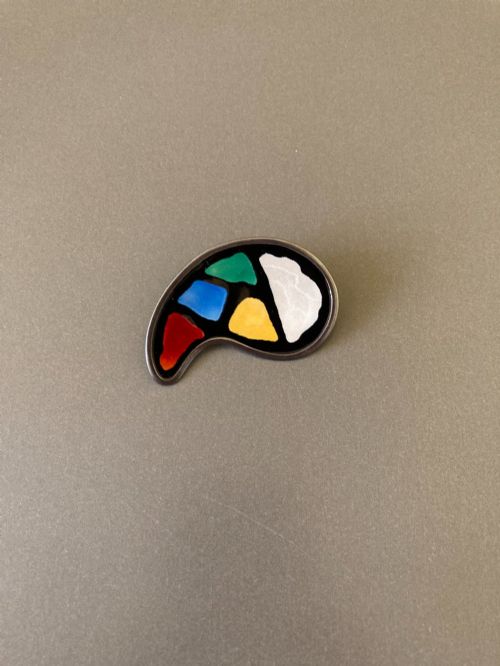
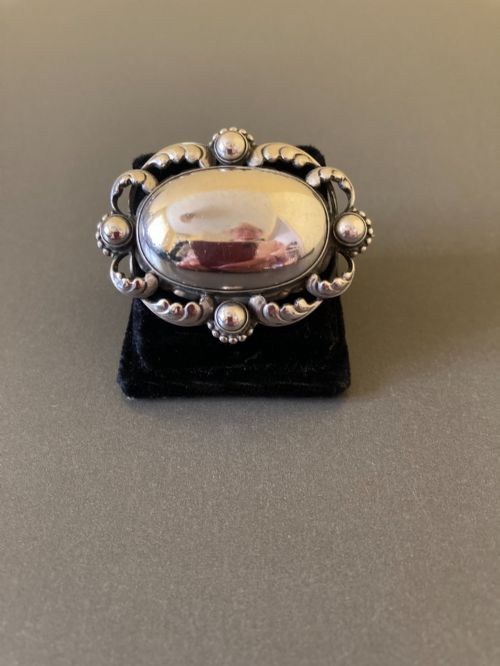
A vintage sterling brooch represents wearable ornaments fashioned primarily from silver during periods spanning from the Victorian era through the mid-twentieth century. These pieces encompass figurative designs, floral motifs, and geometric styles that reflect changing aesthetic preferences over several decades.
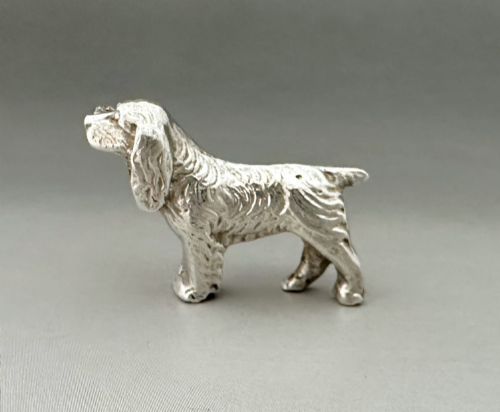
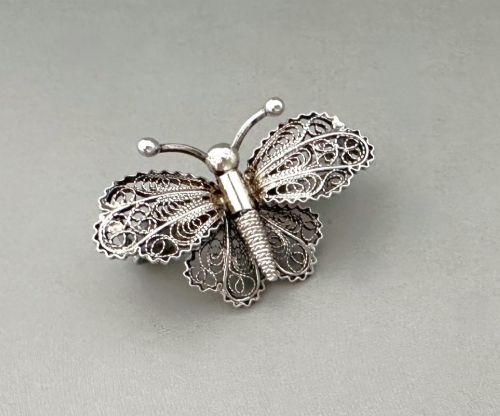
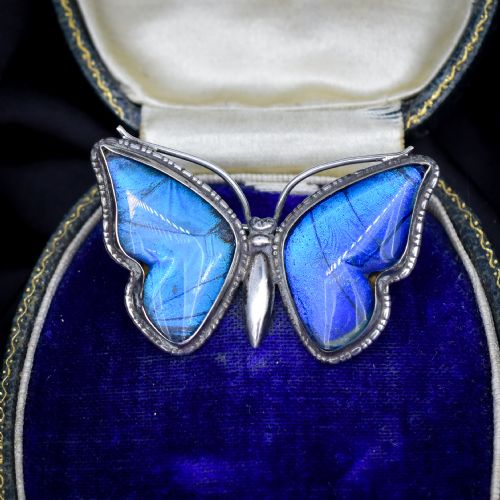
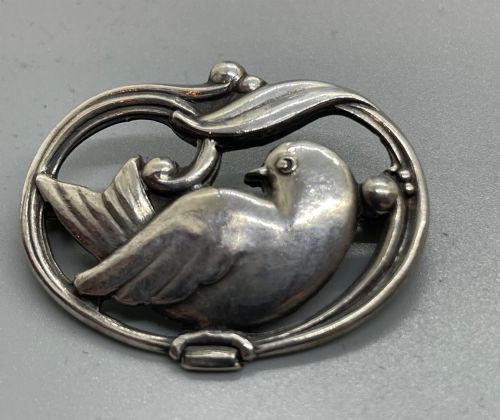
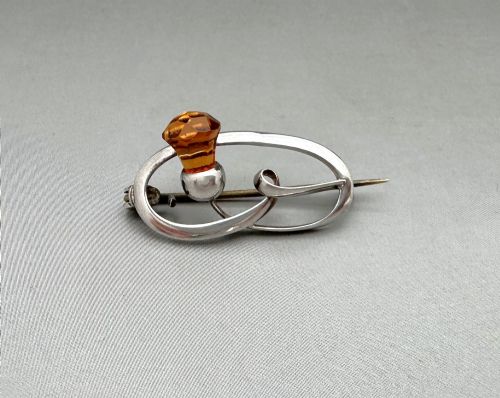
Buyers encountering this selection regularly find examples ranging from early twentieth-century Edwardian work to mid-century Scandinavian productions. The assortment includes animal forms, butterfly wing creations, and traditional Scottish silver pieces.
Makers and workshops from Britain, Scandinavia, and beyond contributed distinctive designs that utilise sterling silver alongside traditional ornamentation. Each item serves as a tangible record of past metalworking and design traditions.
How they were made
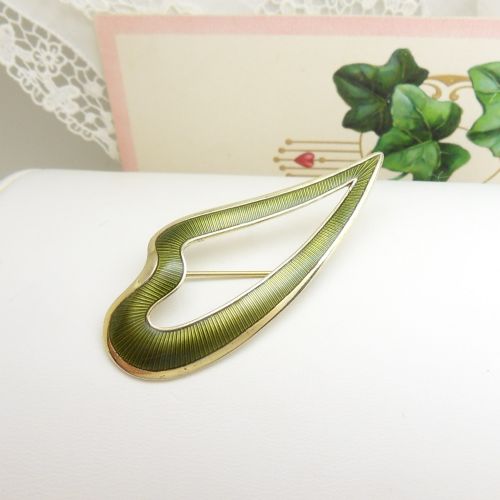
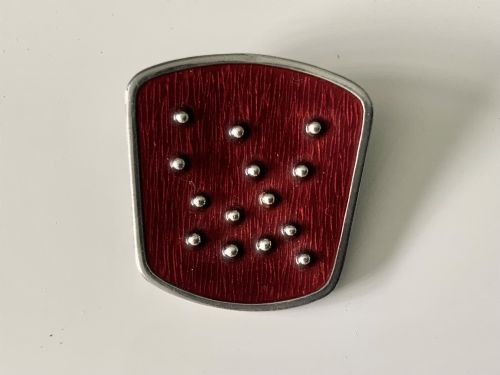
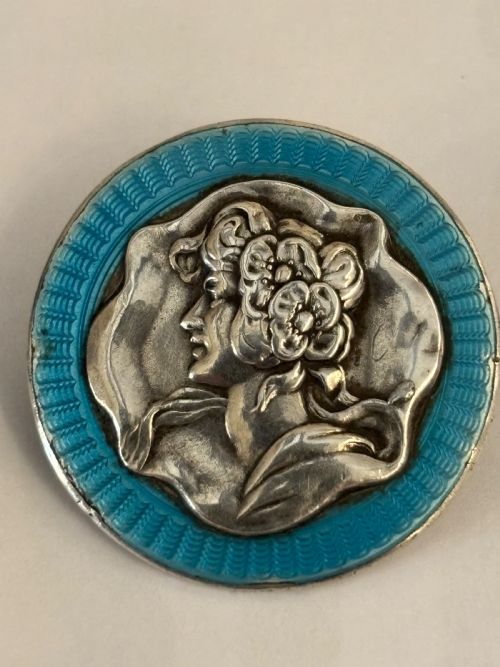
Silversmiths constructed these pieces using sterling silver and silver gilt, shaping the metal through casting, stamping, and intricate filigree wirework. Artisans frequently integrated vitreous enamel, guilloche enamel, and butterfly wing panels to add vibrant colour and texture to the metallic framework.
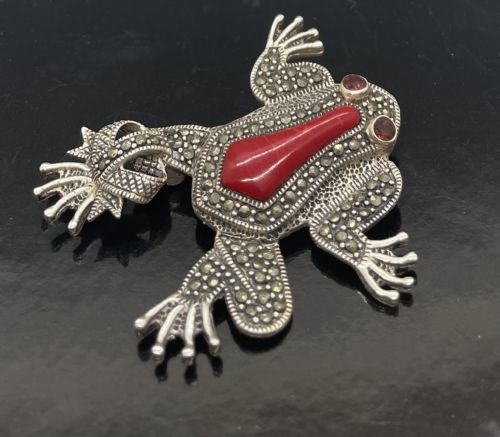
Surface ornamentation often relies on the careful setting of marcasite stones, paste crystals, moonstones, and pearls to catch the light. Techniques such as articulated joints and secure pin mechanisms ensure both decorative appeal and functional wearability.
Vintage Sterling Brooch Retail Price Guide 2026
Typical asking prices for vintage sterling brooch among the pieces listed under this phrase on Sellingantiques today, from the lower quarter to the upper quarter. They describe what is for sale here now, not the wider market.
Among the fauna captured in silver are frogs, snakes, lizards, snails, and a solitary pheasant.
What varies in quality
The standard of craftsmanship relies heavily on the precision of the silverwork, particularly in filigree and chased details where clean lines distinguish superior pieces. Enamelling quality also dictates value, with smooth, undamaged glass surfaces showing far greater skill than uneven or repaired applications.
Stones and decorative elements contribute significantly to the overall merit, depending on whether marcasite or paste settings remain secure and matched. Maker attribution further elevates a piece, as recognised silversmiths maintained exacting standards in their proportions and finishing.
Aksel Holmsen·A H Darby And Son·Charles Horner·Henry Matthews·Mikimoto·Georg Jensen·John Hart·David Andersen
The Vintage Sterling Brooch Glossary
- Sterling silver
- An alloy consisting of pure silver and other metals, usually copper, to add durability while maintaining a bright lustre. Items of this standard commonly bear hallmarks indicating their metal purity.
- Guilloche enamel
- A decorative technique where a precise mechanical pattern is engraved beneath a translucent layer of coloured enamel. This method creates shimmering, reflective depth across the surface of the brooch.
- Marcasite
- Small faceted pyrite stones set closely together into silver mounts to produce a sparkling, steel-like brilliance. This material gained immense popularity during the Art Deco period.
- Butterfly wing
- A decorative medium utilising the iridescent scales of tropical butterflies arranged behind bevelled glass panels. Popularized in the early twentieth century, these scenes often depict scenic landscapes or butterflies.
Vintage Sterling Brooch: Frequently Asked Questions
How do I date a vintage sterling brooch?
Dating relies on a combination of stylistic clues, such as geometric Art Deco lines or naturalistic Edwardian motifs, alongside any visible hallmarks or maker stamps. Fastener types also change over decades, offering further context regarding when a piece was made.
Examining the materials, such as early plastic inserts or specific enamel colours, helps narrow down the decade of production when official documentation is absent.
Are these brooches suitable for daily wear?
Most pieces function well for regular wear provided they receive gentle treatment and are pinned to sturdy fabrics that can support their weight. Delicate elements like enamel or glass panels require extra care to prevent impact damage.
Storing each piece in a dedicated box prevents scratching and protects the pin mechanism from bending when not being worn.
How should I clean silver and enamel brooches?
Cleaning requires a soft microfibre cloth to gently remove surface dust without disturbing delicate stones or aged patinas. Liquid silver dips should be avoided entirely when enamel, paste, or butterfly wing panels are present, as harsh chemicals ruin these sensitive materials.
Professional evaluation is recommended for pieces with stubborn tarnish situated near fragile glass or enamel settings.
What is the difference between silver and sterling silver?
Pure silver is generally too soft for practical jewellery construction, which leads silversmiths to alloy it with other metals to increase strength. Sterling silver specifically denotes an alloy containing a high, regulated percentage of pure silver alongside strengthening elements.
This standard ensures the metal maintains its characteristic white reflectivity while remaining durable enough for intricate brooch designs.