







Vintage Stacking Shelves
These vintage stacking shelves offer modular storage with glazed upward-opening doors, combining practical adaptability with period character for any room.
Vintage Stacking Shelves
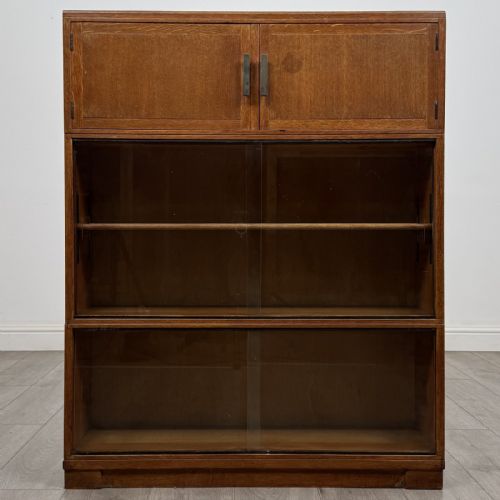
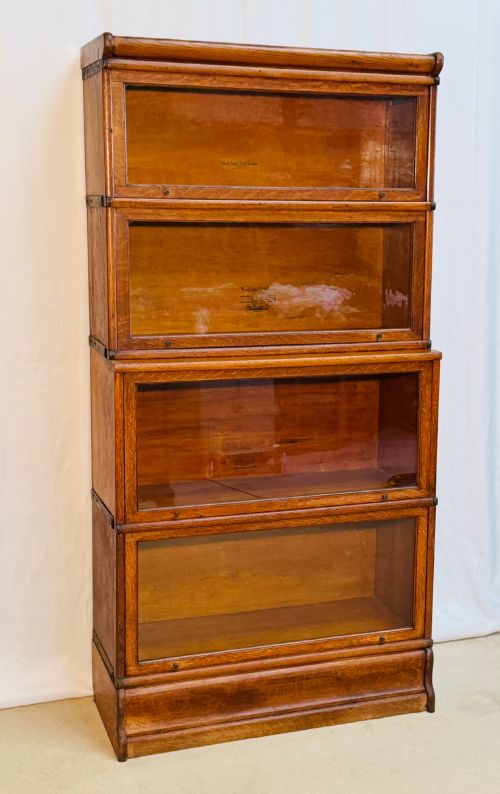
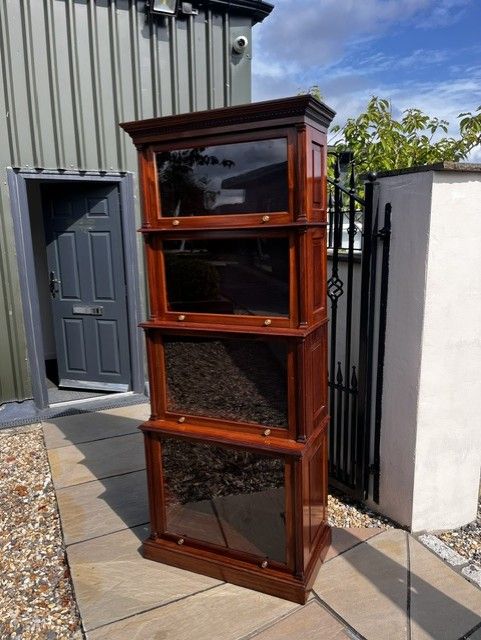
When you search for vintage stacking shelves, you encounter modular sectional bookcases designed to house growing libraries while keeping volumes protected behind glass. The examples on this page predominantly take the form of sectional barrister bookcases dating from the Edwardian period through to the 1930s.
Makers such as Globe Wernicke, Macey, Lebus and Heal's dominate the forms seen here, constructed as individual tiers that stack together beneath a plinth and beneath a cornice. Oak and mahogany serve as the primary woods for these modular assemblies, alongside occasional metal and glass components.
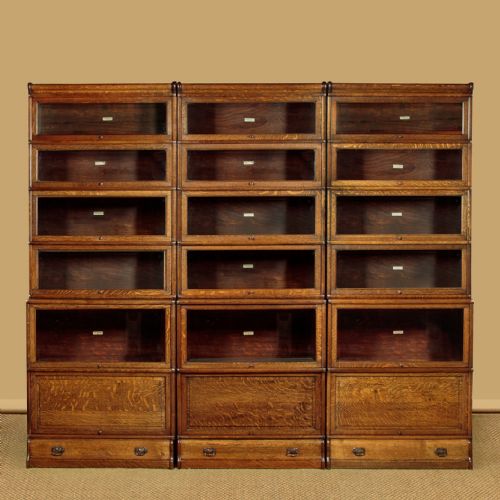
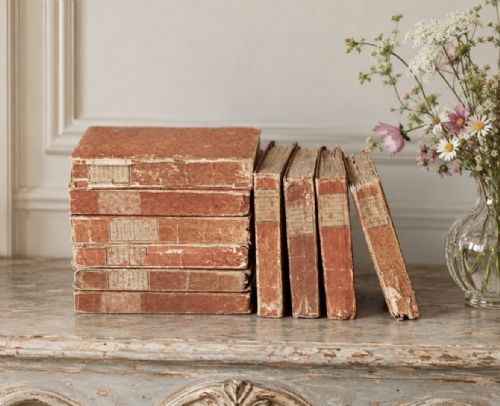
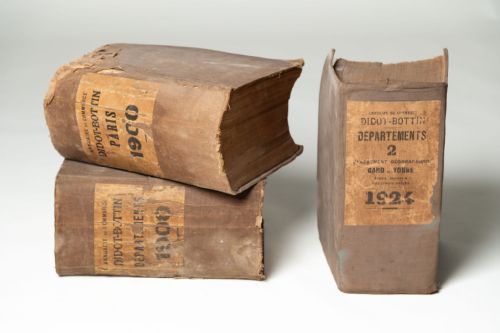
Alongside tall modular office bookcases and elastic systems, the listings include decorative antique French books which complement the shelving units. Buyers find configurations ranging from three sections up to six pieces, providing flexible vertical storage.
How they were made
Makers constructed these sectional units using solid oak and mahogany, often pairing the timber with glass panes fitted into upward-opening doors. This sectional design allowed individual tiers to be stacked together without permanent fixings.
Hardware such as brass fittings and specialised metal mechanisms enabled the smooth operation of the up and over doors on the elastic bookcase systems. Timber frames were finished to highlight the natural grain of the oak and mahogany.
Vintage Stacking Shelves Retail Price Guide 2026
Typical asking prices for vintage stacking shelves among the pieces listed under this phrase on Sellingantiques today, from the lower quarter to the upper quarter. They describe what is for sale here now, not the wider market.
The listings show sectional bookcases constructed primarily in oak and mahogany, spanning the Edwardian period through to the 1930s.
What varies in quality
Quality in these modular units depends on the precision of the sectional joinery and the integrity of the stacking mechanism. Superior examples retain their original glass and matching timber grains across every tier.
The presence of maker marks from established firms distinguishes standard workshop pieces from notable branded examples. Original finishes and intact hardware elevate the overall standard of the construction.
Wernicke System·Macey·Heal's·Globe Wernicke·Lebus
The Vintage Stacking Shelves Glossary
- Sectional bookcase
- A modular bookcase built from multiple tiers that stack on top of one another. Each tier forms an individual shelf compartment with its own door.
- Barrister bookcase
- A specific type of sectional bookcase designed with glazed upward-opening doors. Lawyers utilised these units to transport and store their books easily.
- Elastic bookcase
- A patented modular bookcase system that expands by adding further sections as a library grows. The term refers to the adaptability of the stacking design.
- Cornice
- The moulded projection that sits at the very top of a stacking bookcase. It provides a finished architectural cap above the upper shelf tier.
- Plinth base
- The lowest supporting section upon which the stacked tiers rest. It elevates the modular bookcase slightly off the floor.
Vintage Stacking Shelves: Frequently Asked Questions
How do sectional bookcases work?
Sectional bookcases consist of individual wooden tiers that stack vertically on top of a base plinth and beneath a top cornice. Each tier operates as a separate shelf box with its own glass door.
This modular design permits the units to be disassembled, moved room by room, and expanded by adding extra tiers when a library grows.
What are barrister bookcases?
Barrister bookcases are modular stacking units featuring glass doors that lift up and slide back into the interior above the books. This mechanism protected legal texts from dust while allowing rapid access in office environments.
Cabinet makers adapted the design for domestic use during the Edwardian era and the 1920s.
How do I date these stacking shelves?
Dating relies on timber choices, hardware mechanisms, and maker marks stamped or labelled on the wood sections. Edwardian and 1910 examples often feature quarter-sawn oak, whilst 1920 and 1930 pieces introduce specific Art Deco proportions and different manufacturer badges.
Examining the construction methods of the joints helps distinguish earlier Victorian and Edwardian pieces from later iterations.
Can individual sections be separated?
Yes, the individual tiers lift apart from each other without requiring tools. The weight of the stacked sections and locating pins keep the tiers stable when assembled.
This separation makes transporting large tall bookcases much simpler.