



Vintage Sports Figurine
A vintage sports figurine captures motion in bronze, cast iron and silver, bringing athletic energy onto the mantelpiece.
Vintage Sports Figurine
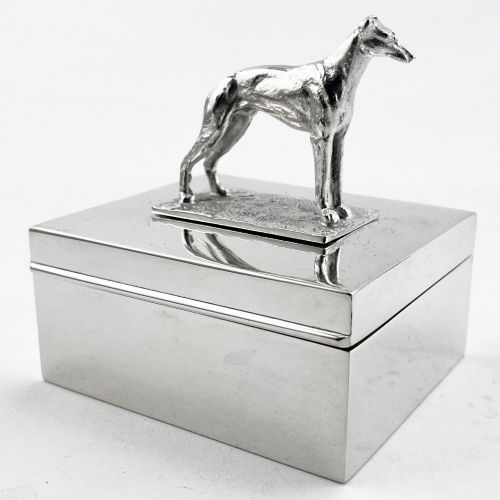
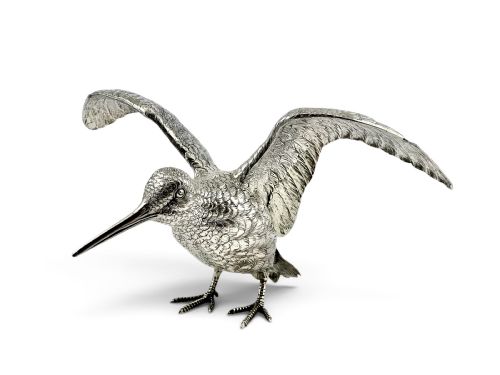
A vintage sports figurine represents athletes, animals, and sporting pursuits across the Victorian, Edwardian, and Art Deco periods. These pieces take the form of bronze sculptures, cast iron companion sets, silver pepper shakers, and table lamps.
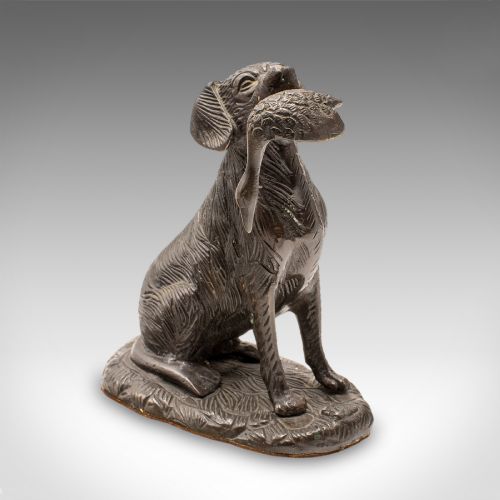
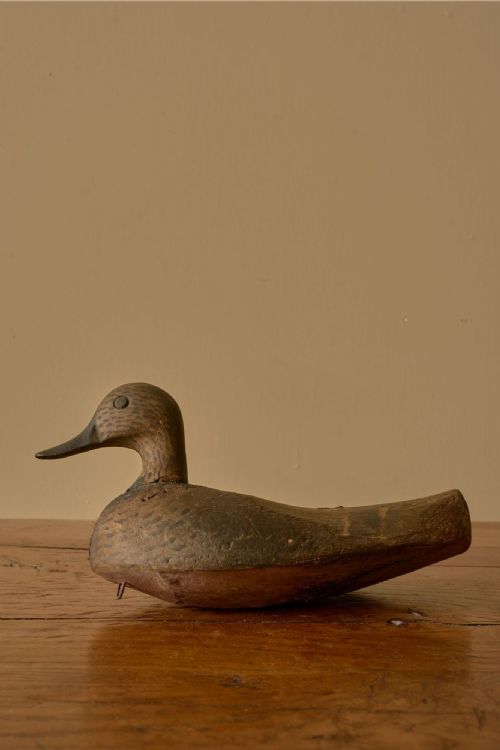
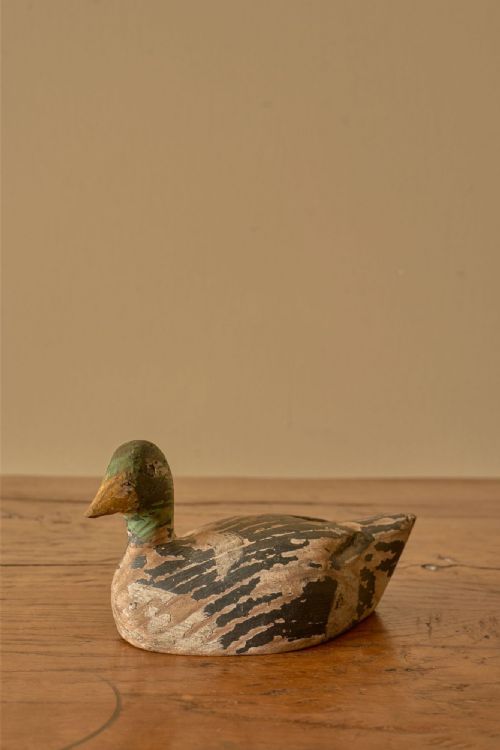
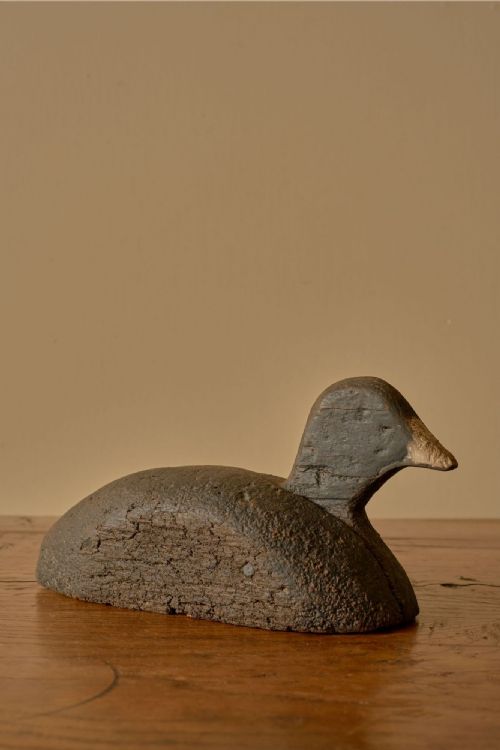
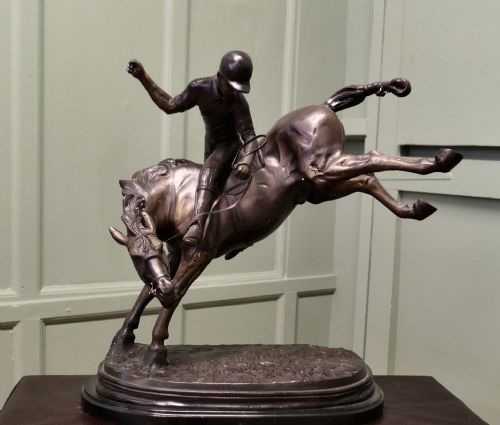
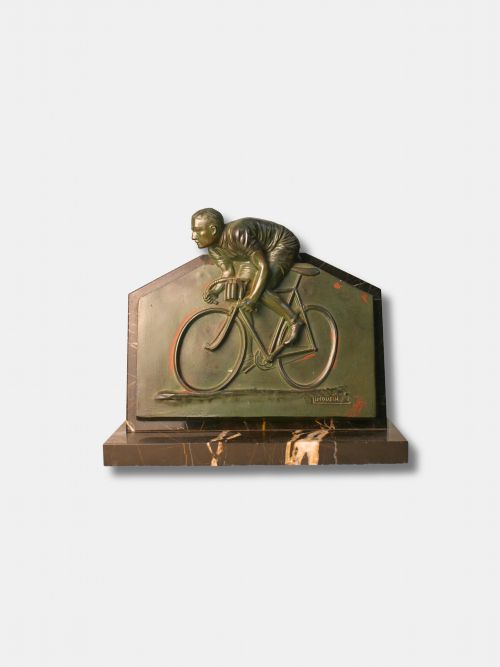
The selections span polo players, rugby figures, ice skaters, fencers, cyclists, and golfers alongside hunting dogs and decoy ducks. Most common are metal castings mounted on marble or onyx plinths.
Origins stretch from English workshops to French foundries, capturing the vigour of field sports and competitive games from the nineteenth century into the nineteen-thirties.
Materials and construction
Foundries utilised bronze, gilt bronze, spelter, and cast iron to cast human figures and animals with sharp anatomical detail. Metal components were frequently mounted on weighted stone bases like marble and onyx to ensure stability.
Vintage Sports Figurine Retail Price Guide 2026
Typical asking prices for vintage sports figurine among the pieces listed under this phrase on Sellingantiques today, from the lower quarter to the upper quarter. They describe what is for sale here now, not the wider market.
Materials across these listings include bronze, cast iron, silver plate, wood, and marble, spanning the Victorian era to nineteen-thirty.
Distinctions in craftsmanship
The integration between figure and plinth distinguishes finer works, particularly where patination remains undisturbed across the metal surface.
L Gerfaux·H Risch·Jules Moigniez·Rudolf Küchler·Charlotte Monginot·Royal Bayreuth
The Vintage Sports Figurine Glossary
- Animalier
- A nineteenth-century artistic movement focusing on the realistic depiction of animals, often shown in motion or during the hunt. This style heavily influenced sculptural depictions of dogs, fowl, and horses.
- Patina
- The natural surface ageing and chemical sheen developed on bronze and metal over decades. Original patination preserves the character intended by the founder.
- Spelter
- A zinc alloy commonly utilised as a less expensive alternative to bronze during the early twentieth century. It often received a bronze-coloured finish to mimic heavier metal.
- Plinth
- A heavy base of marble, onyx, or wood supporting a figural sculpture. It provides both visual weight and physical balance to the piece.
Vintage Sports Figurine: Frequently Asked Questions
What metals were used for these figures?
Makers cast these pieces primarily in bronze, gilt bronze, spelter, and cast iron, supplemented by solid silver and silver plate. Some examples incorporate wooden elements, particularly in decoy ducks.
Stone bases in marble and onyx frequently support the metal figures to provide stability and visual contrast.
How do I care for bronze figures?
Dust the surface gently with a soft, dry cloth to prevent accumulation without disturbing the original patination. Avoid chemical cleaners and polishes, which strip the protective ageing from the metal.
Keep the pieces away from direct sunlight and damp environments to protect both the metal casting and any stone plinths.
Are these figures signed by artists?
Certain sculptural pieces bear signatures, foundry stamps, or inscriptions on the bronze body or the marble base. Signatures indicate the attending artist or sculptor responsible for the original model.
Many decorative items and utilitarian objects remain unmarked, reflecting commercial production rather than individual studio work.
How do I distinguish Art Deco pieces?
Art Deco examples from the nineteen-twenties and thirties favour stylised geometry, sleek lines, and subjects like ice skaters, tennis players, and cyclists. They frequently utilise contrasting materials such as metal figures mounted on geometric onyx plinths.
Victorian and Edwardian pieces tend toward naturalistic rendering, detailed animal anatomy, and traditional hunting scenes.