

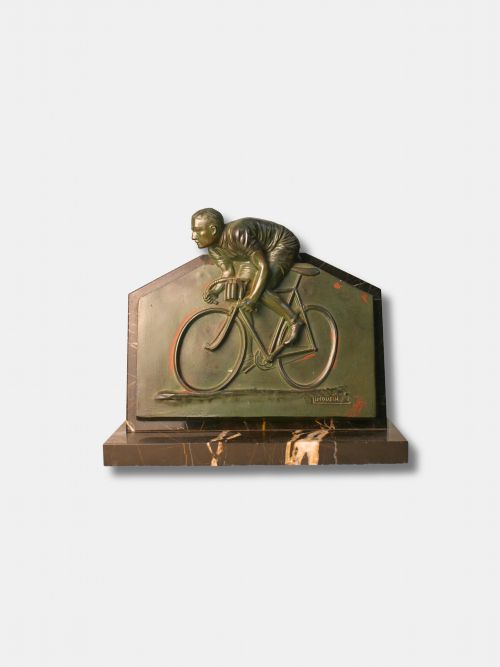


Vintage Sports Collectible
A vintage sports collectible connects us directly to past pastimes, offering tangible pieces of athletic history from centuries gone by.
Vintage Sports Collectible
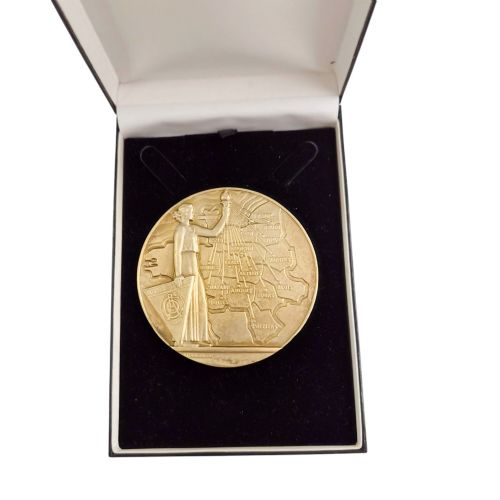
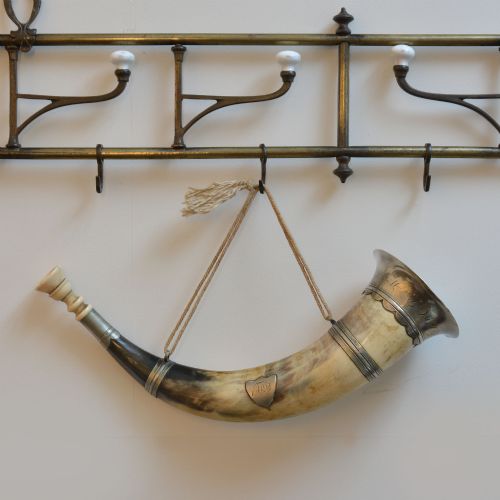
A vintage sports collectible encompasses a diverse range of athletic memorabilia and pastimes equipment gathered under one heading. When you search for a vintage sports collectible, you encounter items spanning multiple eras, from eighteenth-century sporting guns to twentieth-century cycling figures.
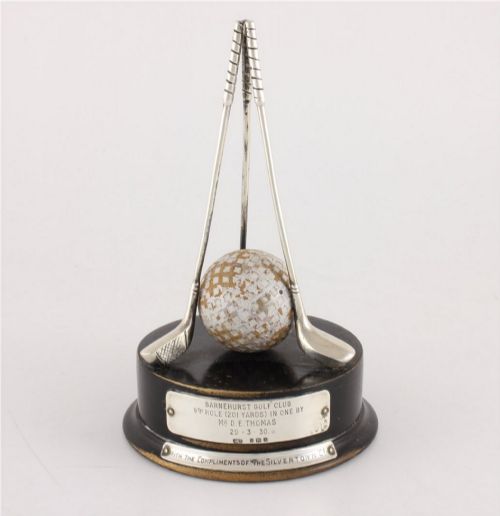
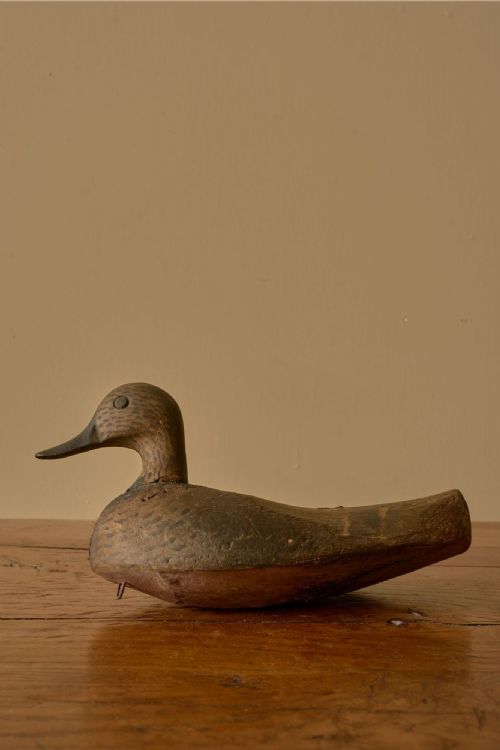
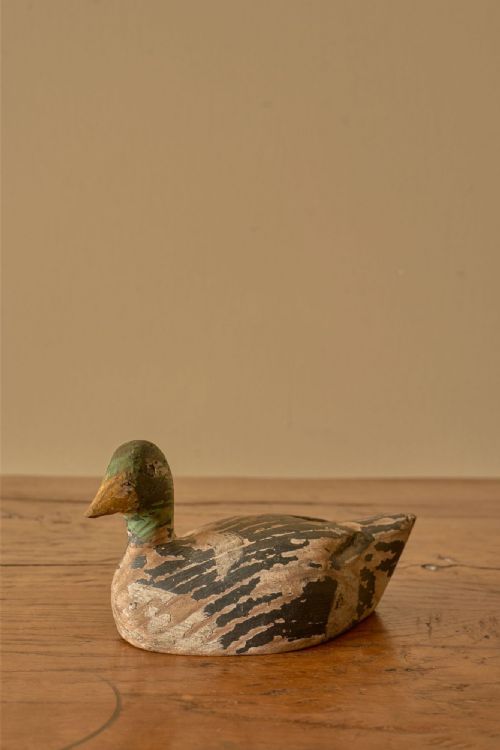
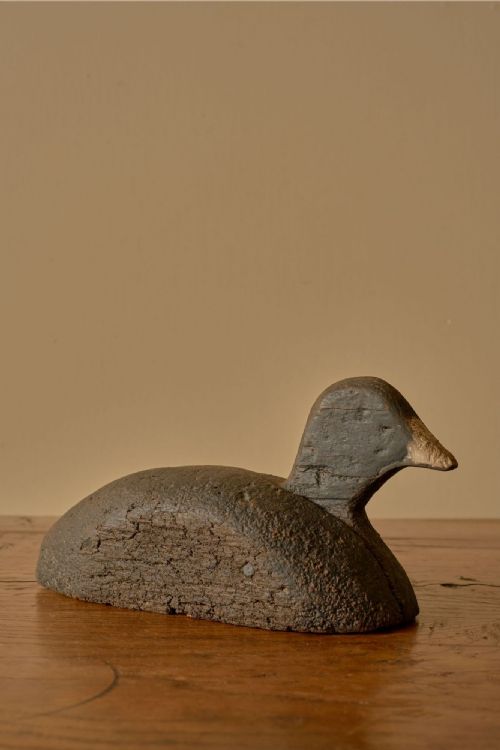
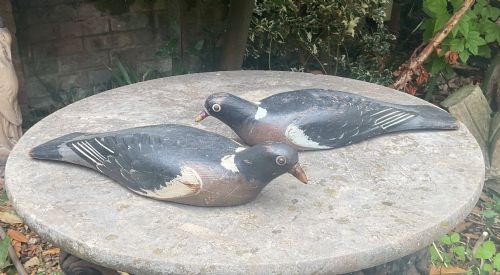
The objects on this page lean heavily towards traditional pursuits and leisure activities, featuring items like wooden decoy ducks, golf clubs, and fishing reels. These pieces bridge the gap between functional sporting gear and decorative art objects.
Most pieces date from the Victorian, Edwardian, and early twentieth-century periods, capturing an era when outdoor sports and field pursuits held a central place in society. You will find items originating from England and France, reflecting distinct national sporting traditions.
Materials and construction methods
Makers utilised a variety of traditional materials, pairing timber and painted wood with metals such as brass, iron, steel, and silver plate. Wooden items frequently show hand-painted finishes, particularly on decoy birds intended to deceive wildlife during field sports.
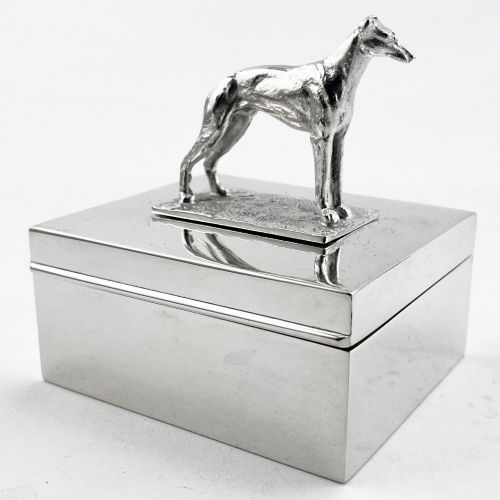
Metalwork appears in diverse forms, from cast spelter figures mounted on onyx plinths to tinplate sports figures and intricate silver-plated trinket boxes. Natural materials like stag horn and stoneware also feature prominently in smaller functional items like cribbage boards and inkwells.
Vintage Sports Collectible Retail Price Guide 2026
Typical asking prices for vintage sports collectible among the pieces listed under this phrase on Sellingantiques today, from the lower quarter to the upper quarter. They describe what is for sale here now, not the wider market.
Materials represented include carved wood, painted timber, silver plate, brass, iron, steel, spelter, stoneware, and stag horn.
Assessing quality in sports memorabilia
Quality rests upon the fidelity of the craftsmanship and the preservation of original surfaces, such as early paint on wooden decoys. Pieces that retain their working mechanisms, whether a fishing reel or a flintlock gun, demonstrate superior original construction.
The artistic rendering of figural elements, from greyhound trinket boxes to cycling sculptures, distinguishes standard production from finer examples. Materials also dictate the tier of an object, with heavy brass and silver plate sitting alongside simpler tinplate and timber.
The Vintage Sports Collectible Glossary
- Decoy
- A carved and painted representation of a bird or animal used to attract wildlife during shooting pursuits. Early examples display hand-carved timber bodies and layered paint.
- Spelter
- A zinc alloy commonly utilised for figural sculptures and decorative objects, often given a bronze-like finish. It frequently appears mounted on stone bases such as onyx.
- Star-back fishing reel
- A traditional design of fishing reel featuring a distinctive wooden backplate secured with a star-shaped tension screw. They are typically constructed from mahogany and brass.
- Sunday stick
- A combination walking stick and seating apparatus used by spectators at sporting events. They fold out to provide a temporary perch in the field.
- Cribbage board
- A board drilled with tracks for scoring the card game cribbage, often fashioned from natural materials like stag horn. They served as popular portable pastimes.
Vintage Sports Collectible: Frequently Asked Questions
What is a vintage sports collectible?
A vintage sports collectible is an antique or period object connected to historical athletics, games, and outdoor pursuits. These range from functional equipment like golf clubs and fishing reels to decorative figures and badges.
They reflect the material culture of past pastimes and allow enthusiasts to own physical examples of sporting heritage.
How were decoy ducks used?
Decoys were placed on water or marshes by hunters to lure real birds within range during shooting expeditions. Their carved wooden bodies and painted surfaces were designed to mimic waterfowl from a distance.
Today, they are collected as examples of folk art rather than for their original sporting purpose.
How do I date a sports collectible?
Dating relies on identifying the materials, manufacturing techniques, and stylistic markers associated with specific periods like the Victorian era or the early twentieth century. Listings often reference the reigning period or approximate decade of manufacture.
Comparing the object's construction to dated examples in the same medium helps establish its chronological placement.
How should I display these items?
These pieces integrate well into studies, libraries, or living spaces as focal points that celebrate historical pastimes. Items like framed badges, wooden decoys, and antique reels suit tabletops, shelves, or wall mountings.
Keeping them away from direct sunlight and damp environments preserves the original timber, paint, and metal finishes.