


Vintage Sporting Equipment
Vintage sporting equipment brings the tactile history of past athletic pursuits into modern spaces with tangible authenticity.
Vintage Sporting Equipment
Vintage sporting equipment encompasses objects designed for games, athletics, and outdoor pursuits from the nineteenth and early twentieth centuries. When searching for vintage sporting equipment, buyers encounter items ranging from lawn games and golf clubs to winter gear and equestrian accessories.
The selections available on this page lean heavily towards traditional country pursuits and domestic athletics from the Victorian and Edwardian eras. Pieces often arrive complete with their original fitted boxes or specialised mountings.
Form follows function closely in these items, reflecting the materials and manufacturing standards of their respective decades. Buyers find objects constructed for active use that now serve as decorative elements or functional collectibles.
Materials and construction methods
Makers utilised robust natural materials such as hardwood, pine, hickory, and steel to withstand the rigours of outdoor play. Horn, antler, and heavy leather also appear frequently, shaped by hand or early mechanical processes for specialised tasks like boot pulling and medicine balls.
Wooden components display careful joinery and turning, particularly evident in fitted game boxes and club shafts. Metal elements utilise forged iron and steel, while natural bindings and fittings incorporate bamboo and leather.
Falconry blocks on spikes remind us that weekend hobbies once included tethering a hawk to the lawn.
Judging the quality of athletic antiques
Quality in these items rests upon the survival of original components and maker attribution. Complete sets retain greater integrity when they reside in their designated wooden boxes with matching apparatus.
The grade of timber used for boxes and shafts, alongside the clarity of maker stamps on metal and leather, distinguishes standard production items from superior examples. Patina accumulated through genuine use adds depth without obscuring structural fidelity.
L.H. Hagen & Co.·F.H. Ayres·Slazenger·A.W. Gamage
The Vintage Sporting Equipment Glossary
- Jigger
- A type of golf club with a low loft, historically utilised for low running shots and chipping onto the green.
- Medicine ball
- A heavy leather-covered ball filled with dense stuffing, used for physical training and strength conditioning.
- Croquet set
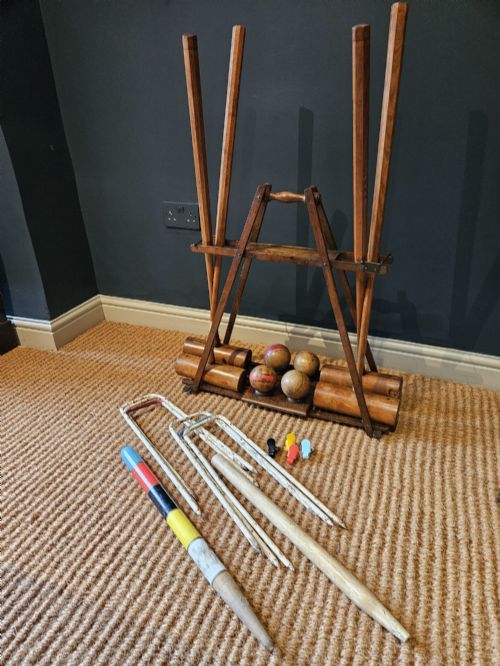
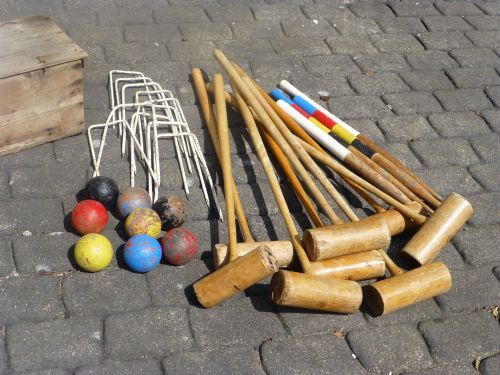
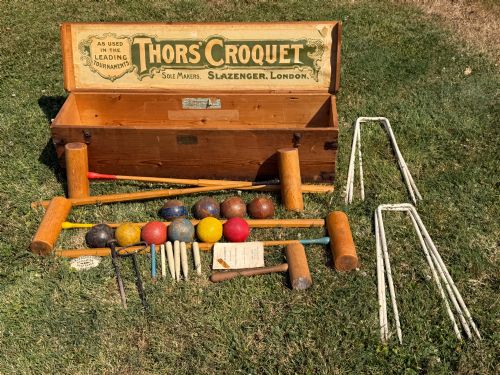
- A collection of wooden mallets, balls, hoops, and winning pegs housed in a fitted wooden box for lawn play.
- Falconry block
- A heavy wooden or metal block mounted on a spike, designed to be driven into the ground to tether a bird of prey.
- Boot pulls
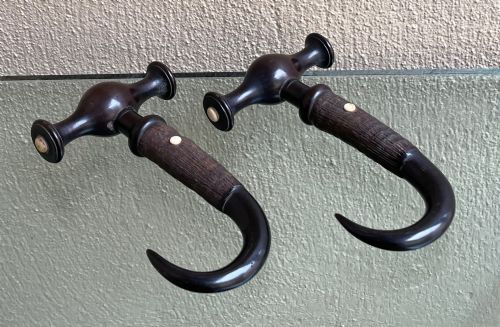
- Hand-held hooks with horn or metal handles used to assist in pulling on tight riding boots.
Vintage Sporting Equipment: Frequently Asked Questions
What is vintage sporting equipment?
Vintage sporting equipment comprises athletic gear, games, and outdoor pursuit items originating from the nineteenth and early twentieth centuries. These objects reflect the materials and designs of past recreational activities.
Items range from lawn game sets housed in pine boxes to hickory shafted golf clubs and wooden skis. They bridge historical utility and decorative appeal.
How were old croquet sets stored?
Complete croquet sets from the Victorian and Edwardian periods were typically housed in custom-built pine boxes. These fitted containers kept mallets, balls, and hoops organised between matches.
The presence of an original box significantly preserves the historical context and completeness of the set.
How do I identify Edwardian golf clubs?
Edwardian golf clubs frequently feature genuine hickory wooden shafts combined with forged steel heads. Makers often stamped their names directly onto the club head or hosel.
Unlike modern graphite and steel clubs, these pieces show traditional craftsmanship with wrapped leather grips and pinned hosels.
Are old wooden skis usable?
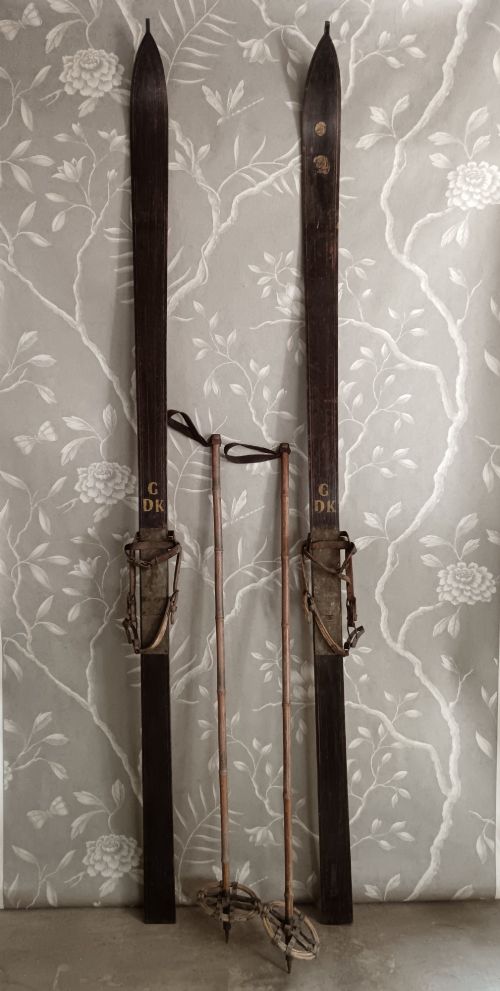
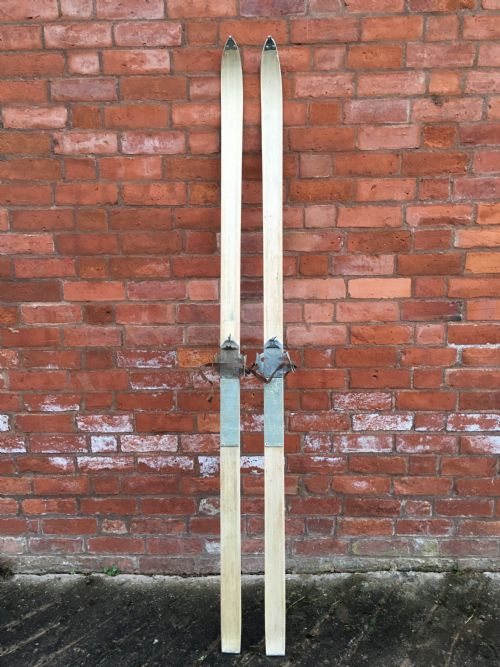
While nineteenth and early twentieth-century wooden skis were built for genuine snow travel, modern skiers generally treat them as display pieces. The aged wood and primitive bindings lack contemporary safety release mechanisms.
Collectors mount or display them to showcase early winter sports history and Nordic craftsmanship.
What materials make up antique leather sports gear?
Antique sports equipment utilises heavy-gauge cattle leather stitched with thick cord, often stuffed with organic materials or horsehair. Items like medicine balls and equestrian accessories relied on these dense hides to absorb repeated impact.
Over decades, this leather develops a dark, supple patina from handling and application of oils.