

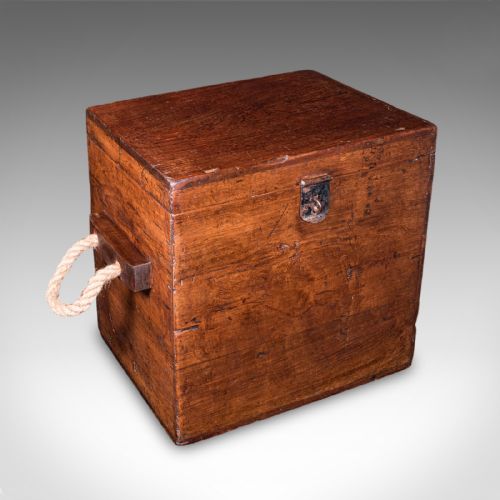


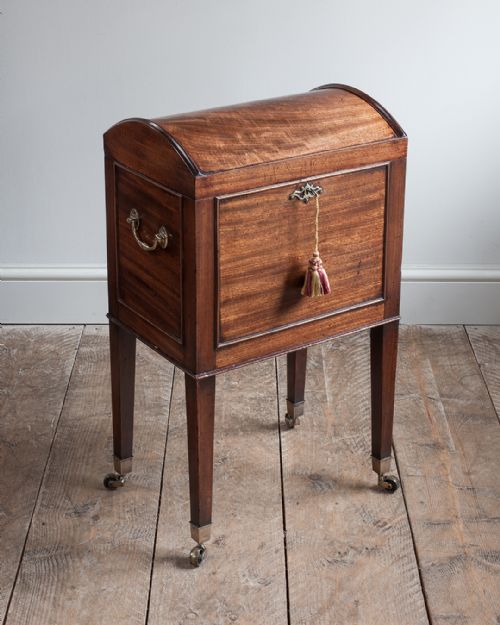
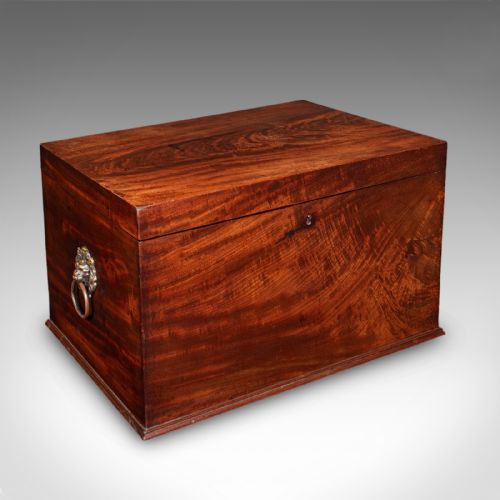


Vintage Spirit Cellarette
These vintage spirit cellarettes are historic drinking cabinets and storage boxes designed to securely hold fine bottles and decanters.
Vintage Spirit Cellarette
A vintage spirit cellarette is a dedicated storage piece designed for holding wine, spirits, and decanters securely. When you search for a vintage spirit cellarette, you find items spanning the 18th Century, Georgian, Regency, Victorian, and Edwardian periods, running through to the early 20th century.
The selections on this page appear in various forms, including traditional cellarettes, wine coolers, tantaluses, decanter sets, boxes, stands, and storage barrels. Mahogany is the most frequent wood you encounter among these listings.
Makers and workshops from different eras shaped these drinking containers, incorporating brass fittings, boxwood inlay, and lead crystal glassware. Pieces range from campaign sets and Irish storage boxes to Edwardian bottle barrels and Sheraton Revival decanter holders.
How they were made
Cabinet makers constructed these pieces primarily using solid hardwoods such as mahogany and oak, often enhancing surfaces with boxwood inlay, satinwood, and gold leaf decoration. Structural durability was paramount for containing heavy glass decanters and liquid storage.
Metalwork played a functional and decorative role, featuring brass mountings, brass binding, and secure locking mechanisms for tantaluses and campaign sets. Glass components include hand-cut lead crystal decanters and specialised glassware designed to fit snugly within the wooden housings.
Vintage Spirit Cellarette Retail Price Guide 2026
Typical asking prices for vintage spirit cellarette among the pieces listed under this phrase on Sellingantiques today, from the lower quarter to the upper quarter. They describe what is for sale here now, not the wider market.
Object forms span traditional cellarettes and wine coolers alongside specialised items like Guinness bottle storage barrels and officers' campaign decanter sets.
What varies in quality
Quality in these drinking containers rests on the choice of timber and the precision of the cabinet work, particularly where boxwood inlay or brass binding meets the primary wood. Finer examples display superior joinery and better-matched wood grains across the lid and panels.
The accompanying contents and internal fittings also dictate the tier of the piece, with complete sets of cut crystal decanters and original locking mechanisms elevating the execution. The integration of specialised hardware, such as secure brass hoops on storage barrels or campaign handles, separates standard utility items from higher workshop output.
Gillingtons
The Vintage Spirit Cellarette Glossary
- Cellarette
- A lockable container or cabinet designed for storing wine and spirits bottles near the dining table. They frequently feature internal divisions or lead linings.
- Tantalus
- A locking drink stand that holds decanters securely in place while displaying the bottles visibly. The mechanism prevents the removal of the decanters without a key.
- Campaign Set
- Portable furniture and storage equipment built for travel, typically featuring robust brass corners and flush handles for protection during transit.
- Decanter Stand
- A specialised holder or frame designed to support one or more serving bottles, often incorporating wooden bases with carrying handles.
- Boxwood Inlay
- A decorative technique where thin strips of contrasting pale boxwood are inserted into recesses in a darker wood surface to create geometric patterns.
Vintage Spirit Cellarette: Frequently Asked Questions
What is a spirit cellarette?
A spirit cellarette is a specialised storage box or cabinet historically used to keep wine and liquor secure and accessible in dining rooms. They often feature internal compartments tailored for bottles and decanters.
These pieces range from grand mahogany boxes of the 18th Century to Edwardian storage barrels and portable campaign sets.
How were tantaluses used?
A tantalus held decanters securely within a wooden or metal frame fitted with a locking metal bar across the stoppers. This design allowed hosts to display their expensive spirits while preventing unauthorized access by staff or guests.
Keys were kept by the owner, ensuring the contents remained untouched until the host unlocked the mechanism.
Are these pieces made of solid mahogany?
Many of the listed items utilise solid mahogany or oak as their primary structural timber. Cabinet makers selected these dense hardwoods for their durability and strength.
Some examples also incorporate decorative veneers such as satinwood and contrasting boxwood inlay to enhance the exterior appearance.