

Vintage Spindle Back Armchair
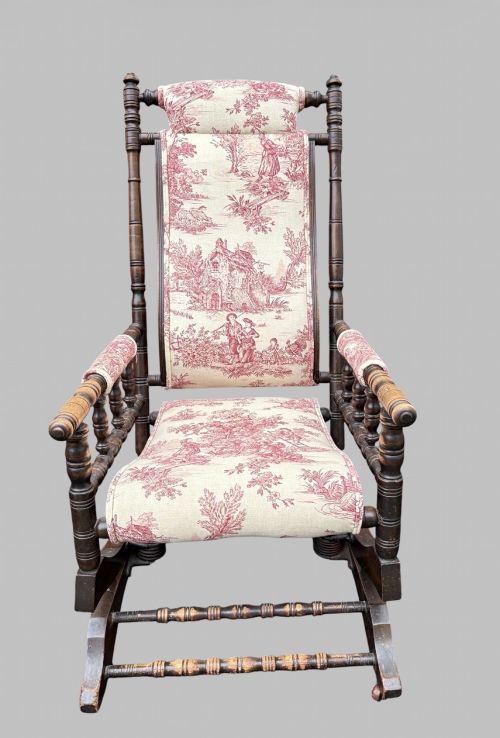
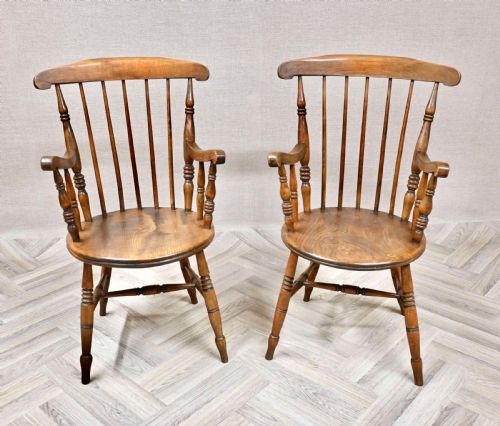
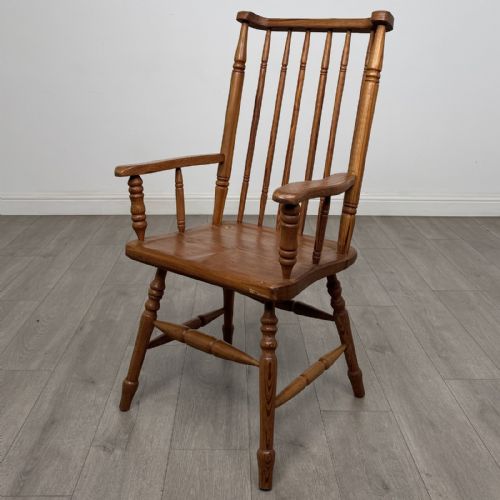
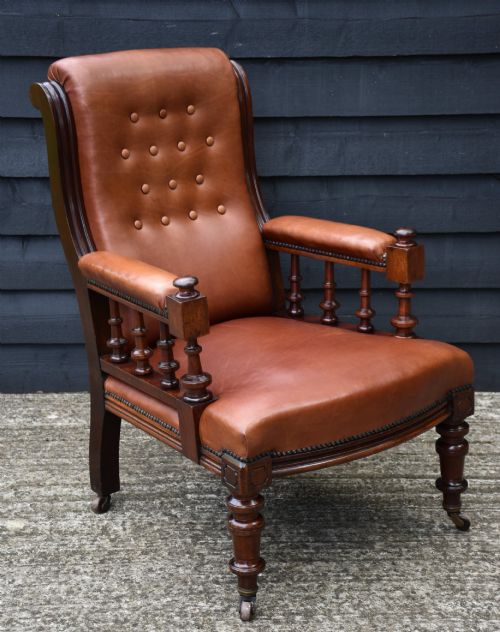
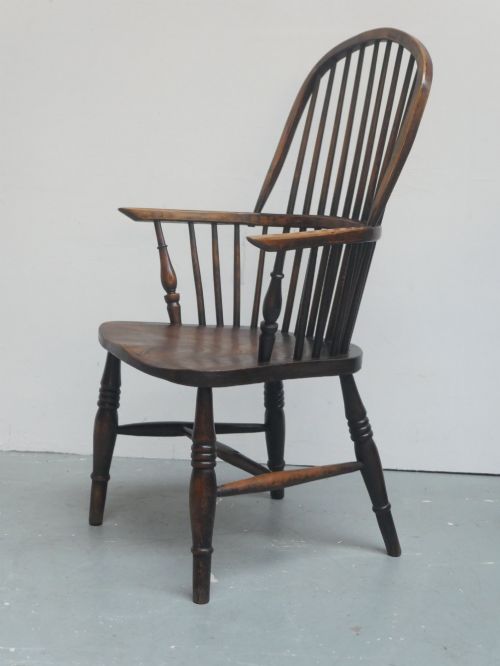
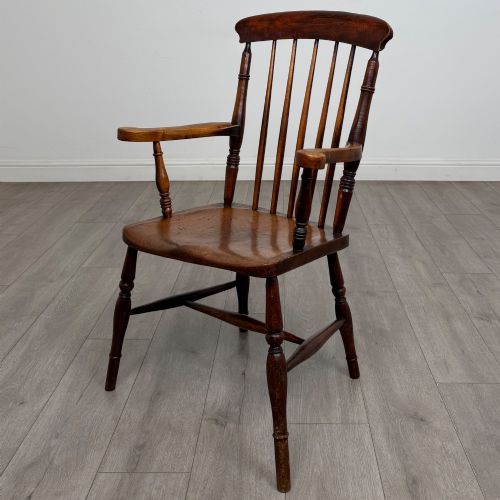
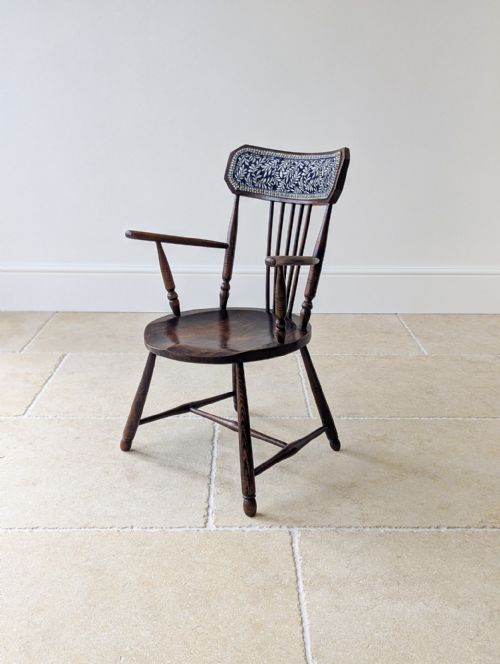
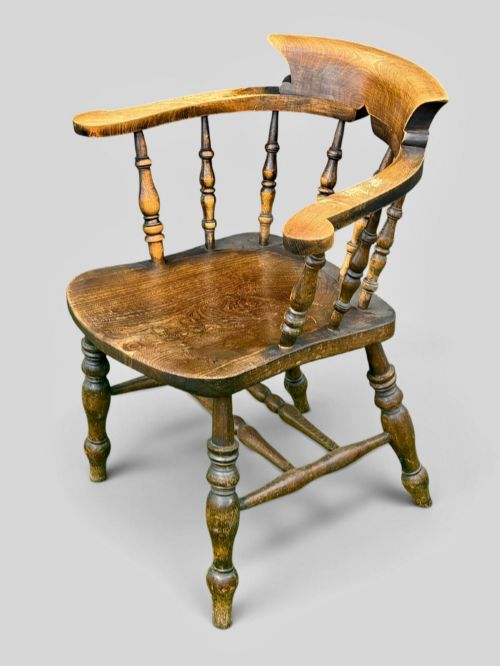
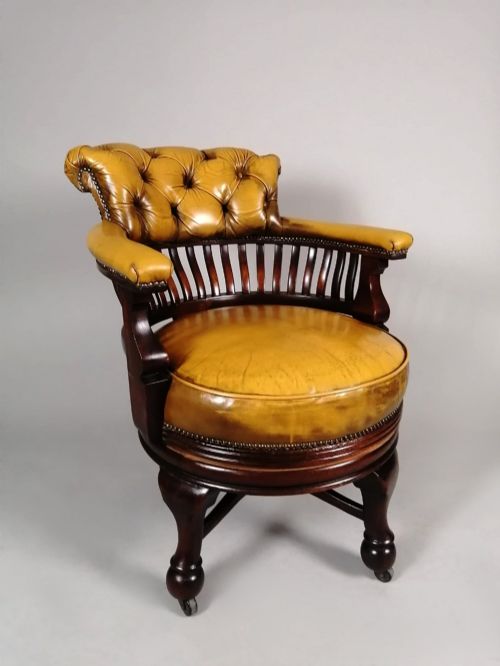
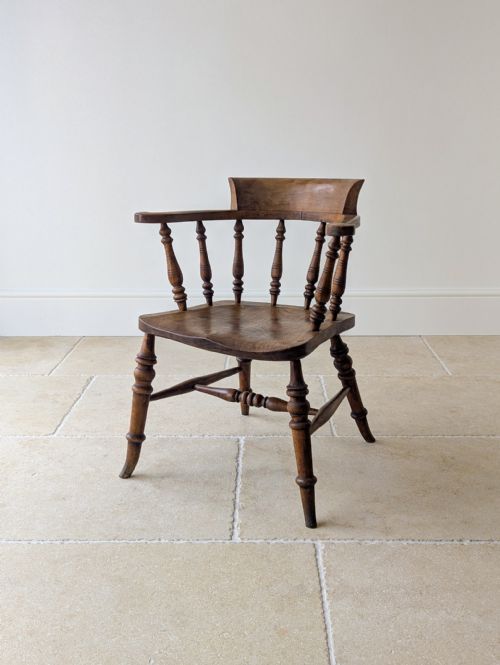
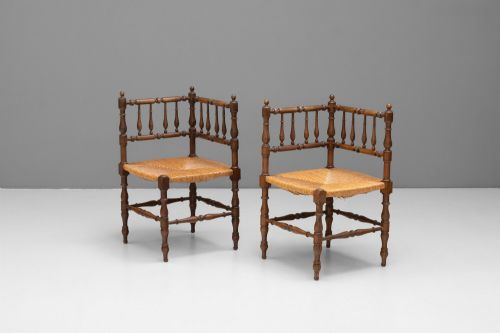
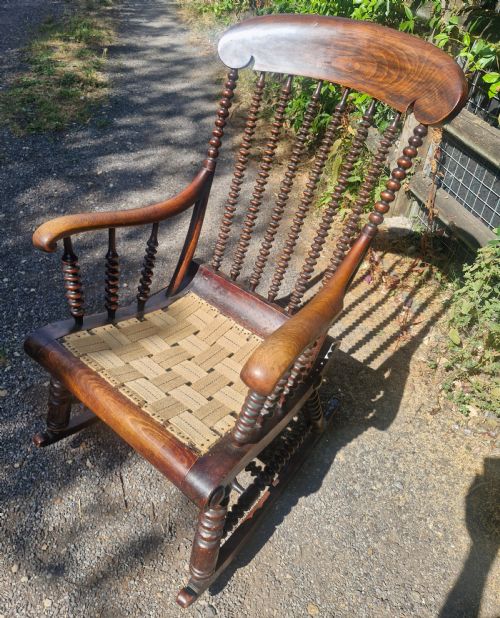
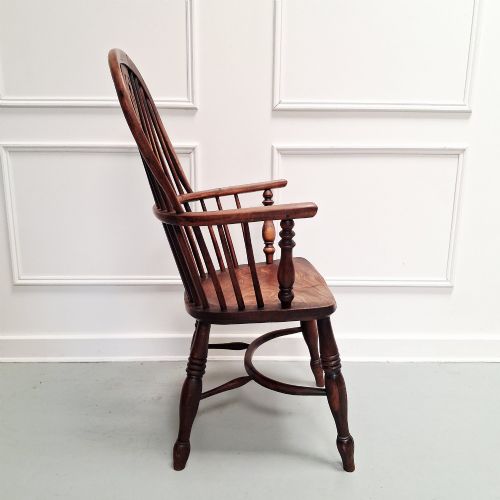
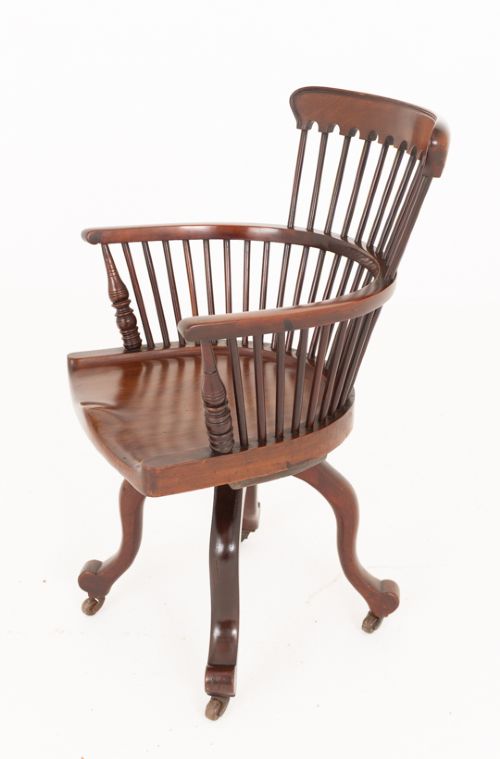
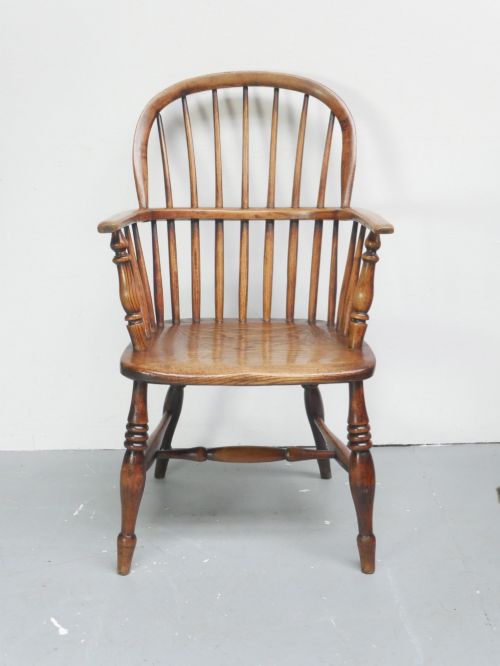
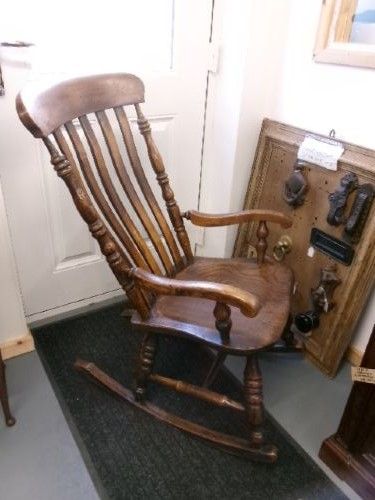
These vintage spindle back armchair examples bring vernacular character to a room through traditional turned uprights and timber seats.
Vintage Spindle Back Armchair
A vintage spindle back armchair represents a traditional form of seating rooted in English country and vernacular furniture making. Buyers seek these pieces for their combination of sturdy construction and understated domestic charm.
The selections on this page span the Victorian and Edwardian eras, encompassing Windsor forms, captain chairs, and smokers bows. Regional variations such as Yorkshire farmhouse or Scottish designs appear alongside standard country models.
Makers utilised native hardwoods to build chairs intended for daily utility in kitchens, studies, and parlours. Survival in good condition reflects the robust nature of vernacular turning and joinery.
Materials and Construction Methods
Makers constructed these chairs using a combination of elm for solid, saddle-shaped seats, along with beech, ash, or oak for the bent parts, legs, and spindles. This multi-timber approach placed each wood where its specific properties of strength or flexibility served best.
Turning lathes shaped the vertical spindles and legs, while steam bending formed the bow backs and arm rails found on Windsor and captain chair variants. Joinery relied on wedged tenons passing entirely through the seat plank for maximum rigidity.
Vintage Spindle Back Armchair Retail Price Guide 2026
Typical asking prices for vintage spindle back armchair among the pieces listed under this phrase on Sellingantiques today, from the lower quarter to the upper quarter. They describe what is for sale here now, not the wider market.
Several chairs retain traces of original paint or rich patina acquired from centuries of farmhouse kitchens.
Factors Distinguishing Quality
Quality rests in the harmony of proportions, the crispness of the spindle turnings, and the thickness of the solid elm seat. Superior examples exhibit well-balanced bows and comfortable saddle shapes carved deeply into the timber.
Original surface patina and retention of the factory or maker stamps elevate certain pieces above standard vernacular items. Wear that shows honest domestic use without compromising structural integrity adds desirability.
J Spencer·Morris and Co·Liberty of London
The Vintage Spindle Back Armchair Glossary
- Windsor chair
- A wooden chair built with a heavy solid timber seat into which the legs and back spindles are driven directly. The design relies on a central plank rather than a traditional frame.
- Smokers bow
- A low-backed Windsor armchair featuring a continuous curved arm rail and short spindles, often associated with West Country or provincial English pubs and offices.
- Crinoline stretcher
- An arched or curved peripheral stretcher connecting the legs of a chair near the base, providing extra rigidity while resembling a hoop skirt in outline.
- Rush seat
- A seating surface woven from dried marsh rushes twisted into cords, common on Arts and Crafts and vernacular chairs.
- Vernacular furniture
- Domestic pieces made by local regional craftsmen using traditional methods and native materials, distinct from high-style urban workshop productions.
Vintage Spindle Back Armchair: Frequently Asked Questions
What is a spindle back armchair?
A spindle back armchair is a traditional wooden seat featuring a series of vertical turned rods forming the backrest above a solid timber seat.
These chairs developed from regional vernacular traditions and remain popular for their robust construction and distinct country aesthetic.
How were Windsor chairs constructed?
Makers built Windsor chairs by boring holes directly into a thick wooden seat slab to receive the legs and back spindles.
Steam-bent rails formed the upper structure, creating a resilient piece of furniture through mechanical joints rather than glue alone.
Where should I place a vintage armchair?
These armchairs suit studies, bedrooms, and living rooms where their wooden textures can contrast against upholstered furniture.
They function well as desk seats or fireside chairs depending on the specific height and arm configuration.
How do I identify a Victorian chair?
Victorian chairs often combine elm seats with beech or oak frames, showing distinct turnings and nineteenth-century construction methods.
Examining the under-seat wedging and surface wear helps distinguish genuine period examples from later reproductions.